
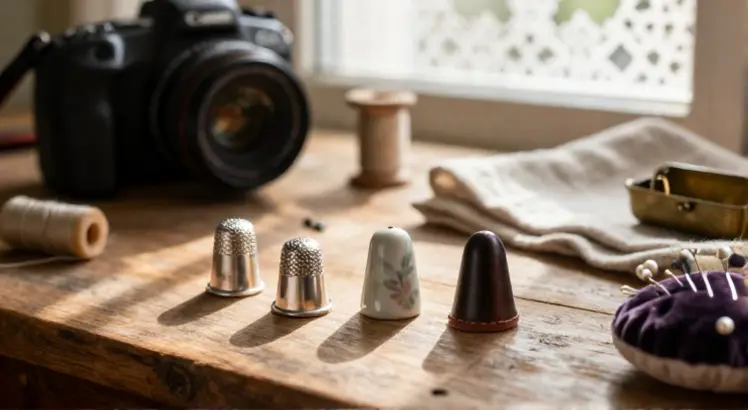
Pushing a needle through multiple layers of fabric or tough material can quickly turn a relaxing sewing session into a painful ordeal. Sore fingertips, needle slips, and uneven stitches are all too common when you skip a proper thimble. The right thimble not only protects your finger but also gives you the control you need for precise, comfortable stitching. Whether you are quilting, embroidering, or mending, a quality thimble transforms hand sewing from a chore into a pleasure.
Short Answer: The best overall thimble for hand sewing is the Clover Protect & Grip Thimble. Its clever combination of a rigid metal cap and a soft, non-slip rubber body delivers unmatched comfort, control, and durability right out of the package.
Best Thimbles For Hand Sewing of 2026
Choosing the right thimble starts with understanding how it works alongside your needle, and a guide to hand sewing needle selection helps you pair the correct needle size and type with your thimble for smoother stitching, while the detailed overview of thimbles explains materials, fit, and how different designs protect your finger.
1. Clover Medium Leather Thimble Natural – Molds Comfortably to Your Finger
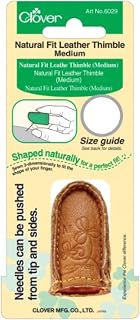
Clover Medium Leather Thimble Natural
Check PriceWhy it stands out
This genuine leather thimble from Clover adapts to the unique shape of your finger over time, creating a truly personalized fit. The soft, breathable material stays comfortable even during marathon stitching sessions.
Key points
- Made from supple, natural leather
- Medium size fits most adult fingers
- Reinforced tip area for needle push
- Allows excellent fingertip sensitivity
Pros
- Soft and flexible feel
- Breathable, no sweaty finger
- Gradually molds to your finger
- Durable stitched construction
- Easy to slip on and off
Cons
- Leather may stretch slightly with heavy use
- Not ideal for extremely thick or resistant fabrics
Best for
Hand quilters and sewists who prefer traditional, natural materials and value a custom, broken-in feel over rigid metal support.
2. Clover I Sew for Fun Flexible Set Thimble – Playful Protection for Young Crafters
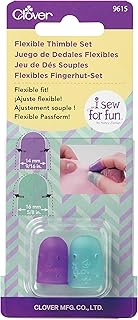
Clover I Sew for Fun Flexible Set Thimble, Purple and Blue
Check PriceWhy it stands out
This two-pack of bright, flexible thimbles makes learning to sew safe and fun. The soft body bends with your finger, and the inset metal tip provides sturdy needle protection without intimidating beginners.
Key points
- Set of two vivid purple and blue thimbles
- Flexible silicone-like body with metal cap
- One size stretches to fit many fingers
- Designed for the I Sew for Fun series
Pros
- Engaging colors for kids and teens
- Exceptionally lightweight
- Comfortable, no pinch points
- Metal tip prevents needle slips
- Great value as a two-pack
Cons
- May feel too loose on very slender fingers
- Metal tip insert can shift with aggressive use
Best for
Children, beginners, and anyone looking for a no-fuss, cheerful thimble that prioritizes comfort and simple finger protection.
3. Clover Protect & Grip Thimble Medium – The Goldilocks of Thimbles
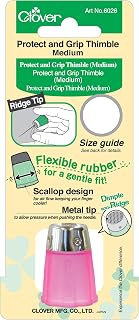
Clover Protect & Grip Thimble Medium
Check PriceWhy it stands out
This is the category-defining hybrid that fans swear by. A sturdy metal cap handles needle pressure brilliantly, while the textured rubber band holds the thimble gently but securely against your finger, even when your hands are warm.
Key points
- Rigid, dimpled metal top for precision
- Soft, grippy rubber side panels
- Open design for nail and skin breathing
- Medium fits the majority of adult fingers
Pros
- Superb needle control without slipping
- No squeezing or pinching sensation
- Durable, long-lasting hybrid build
- Easy to put on and reposition
- Comfortable in both cool and warm conditions
Cons
- Rubber grip can collect lint over time
- Price is higher than basic metal thimbles
Best for
Everyday hand sewists who want one reliable, all-purpose thimble that balances protection with all-day comfort.
4. Clover Natural Fit Leather Thimble Small – Tailored for Petite Fingers
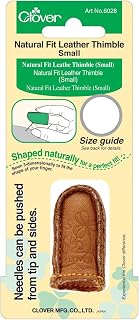
Clover Natural Fit Leather Thimble Small, Lt. Brown
Check PriceWhy it stands out
This small leather thimble features Clover’s Natural Fit shape, which is contoured to mimic the natural curve of a fingertip. It eliminates the gaping and twisting often experienced with generic straight-sided leather thimbles.
Key points
- Curved, ergonomic seam for a natural hold
- Soft, light brown cowhide leather
- Size Small, ideal for narrow fingertips
- Double-stitched for lasting durability
Pros
- Extremely comfortable contoured fit
- Does not twist around during stitching
- Retains finger dexterity
- Premium leather softens beautifully
- Perfect for slim, smaller hands
Cons
- Not suitable for wearers needing a medium or large
- Leather requires some initial break-in
Best for
Sewists with small or slender fingers who have struggled with bulky thimbles that throw off their control.
5. ZMAAGG 8 PCS Thimbles Set – The Complete Starter Variety Pack
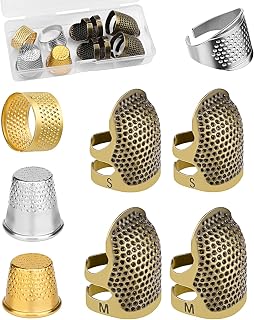
ZMAAGG Thimbles for Hand Sewing, 8 PCS Sewing Thimble
Check PriceWhy it stands out
Why settle for one when you can have an entire thimble wardrobe? This 8-piece set mixes metal, leather, and hybrid options so you can experiment with different feels without buying multiple individual thimbles.
Key points
- 8 assorted thimbles in one economical pack
- Includes traditional metal and soft leather styles
- Variety of sizes for different fingers
- Comes with a handy storage pouch
Pros
- Fantastic value for beginners
- Lets you find your perfect style
- Compact, portable set
- Great for group craft sessions
- Backup thimbles always on hand
Cons
- Some thimbles may feel slightly inconsistent in finish
- Metal pieces might run small for larger fingers
Best for
New sewists building their toolkit or anyone who wants a diverse collection to match different projects without a big investment.
6. FIVEIZERO 7 PCS Thimble Kit – Versatile Protectors with Ring Power
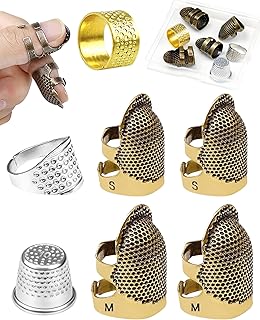
FIVEIZERO 7 PCS Sewing Thimbles for Hand Sewing
Check PriceWhy it stands out
This kit mixes classic thimbles with adjustable metal thimble rings, giving you the freedom to protect the side of your finger or push with a ring instead of a full cap. The open design works perfectly for long-nailed sewists.
Key points
- 7 pieces: thimbles and adjustable rings
- Metal construction with engraved dimples
- Rings can be resized to fit different fingers
- Elegant antique bronze finish
Pros
- Innovative ring style leaves fingertip free
- Adjustable fit for multiple fingers
- Attractive vintage look
- Solid, heavy-duty metal
- Works well with long nails
Cons
- Rings can loosen with prolonged use
- Metal finish may tarnish if not kept dry
Best for
Quilters and embroiderers who prefer a ring-style pusher or need nail clearance that full-cap thimbles cannot provide.
7. WILLBOND 4 Pcs Leather Coin Thimbles – The Barely-There Protector
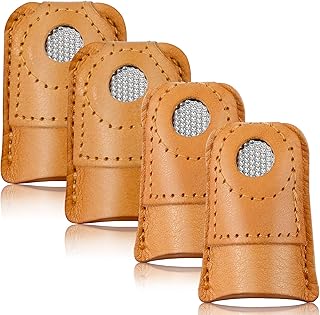
WILLBOND 4 Pcs Leather Thimble Finger Protector for Hand Sewing
Check PriceWhy it stands out
These coin-shaped leather pads cover only the area that pushes the needle, leaving the rest of your fingertip completely free. Soft cowhide feels like second skin and works under or instead of a traditional thimble.
Key points
- Set of 4 coin-shaped leather patches
- Two small and two larger sizes included
- Soft, pliable cowhide material
Pros
- Maximum fingertip sensitivity
- Ultra-light, you forget it is there
- No sweat or bulk
- Simple to reposition
- Affordable multi-pack
Cons
- Not self-adhesive; requires a thimble ring or careful hold
- Minimal protection for heavy-duty pushing
Best for
Delicate needlework, slow stitching, and those who despise the confined feeling of a full thimble but still want a puncture-proof barrier.
8. Clover Leather Coin Thimble – The Refined Minimalist Choice
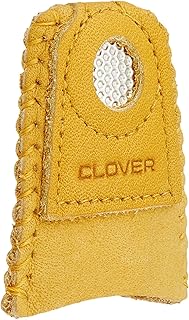
Clover 614C Leather Coin Thimble
Check PriceWhy it stands out
Clover’s version of the coin thimble uses premium leather with a subtle adhesive backing. Just press it onto your fingertip and enjoy hours of sewing with unobstructed sensation and a secure hold.
Key points
- Single self-adhesive leather coin
- Thin, high-quality leather that lasts
- Reusable and repositionable many times
- Ideal for quilting and needlepoint
Pros
- No ring or band needed
- Stays put through long sessions
- Clean, subtle look
- Superior brand quality
- Allows full finger articulation
Cons
- Adhesive weakens if exposed to dust or lotion
- Single thimble per package
Best for
Quilters who want a secure, barely-visible protector and appreciate the convenience of a self-stick design from a trusted sewing brand.
9. Zonon 20 Pcs Rubber Thimble Protectors – Non-Slip Grip for Every Craft
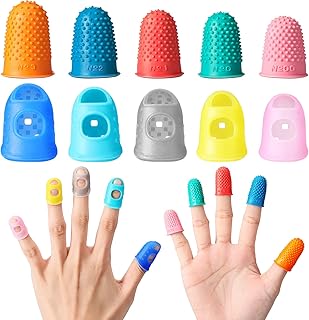
Zonon 20 Pcs Rubber Thimble Finger Protector, Blue
Check PriceWhy it stands out
This bulk pack of rubber finger tips is a multipurpose wonder. Five distinct sizes ensure a snug fit for everyone in the household, and the high-friction surface is brilliant for sorting papers, hot gluing, and light sewing tasks.
Key points
- 20 pieces in 5 graduated sizes
- Textured rubber for excellent grip
- Reusable and washable
- Puncture-resistant yet flexible
Pros
- Amazing value for a large quantity
- Wide size range covers children to adults
- Excellent for non-sewing crafts too
- Easy to clean with water
- Provides confident grip on slippery needles
Cons
- Not suitable for heavy needle pushing on denim
- Can feel slightly sweaty in warm rooms
Best for
Crafters, office workers, and light sewists who want an affordable, grab-and-go finger protector that doubles as a sorting aid.
10. ZMAAGG 4 PCS Metal Thimble Set – Traditional Durability in Every Size
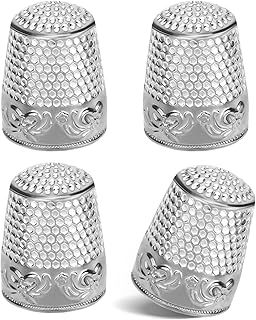
ZMAAGG Thimbles for Hand Sewing, 4 PCS Metal Thimble
Check PriceWhy it stands out
For those who trust the heft and resilience of a classic metal thimble, this 4-pack delivers. The deeply etched dimples keep your needle from skidding, and having multiple sizes means you will always have a well-fitting backup.
Key points
- 4 sturdy metal thimbles, assorted sizes
- Classic dimpled texture for no-slip needle holding
- Rust-resistant silver-tone finish
- Fits easily into any sewing kit
Pros
- Will not bend or deform under pressure
- Timeless, effective design
- Dimples lock needle securely
- Multiple sizes to share or try
- Simple to sanitize
Cons
- Can feel heavy and cold at first
- Rigid shape may not suit tapered fingertips
Best for
Traditionalists and heavy hand sewists who work with tough materials like canvas or upholstery and need a thimble that can take a beating.
11. Mnuizu Adjustable Thimble Set – The Complete Sewing Companion Kit
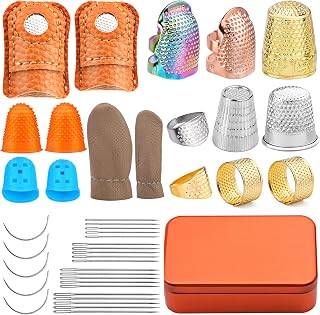
Mnuizu Sewing Thimble Set Thimble Ring, Adjustable Metal Finger Protectors
Check PriceWhy it stands out
Why buy just a thimble when you can get a full crown and needle storage? This kit pairs an adjustable metal thimble and finger ring with 25 sewing needles, all housed in a clear container that keeps everything organized.
Key points
- Includes adjustable thimble, ring, and 25 needles
- Thimble expands to fit most finger sizes
- Convenient plastic storage box
- Needles assorted for hand stitching and embroidery
Pros
- Excellent starter or gift set
- Adjustable sizing fits almost anyone
- Needles included save you a separate purchase
- Everything stays neatly together
- Lightweight and travel-friendly
Cons
- Included needles are basic quality
- Adjustment band may need occasional tightening
Best for
Beginners or travelers wanting a compact, all-in-one finger protection and needle solution without hunting for separate components.
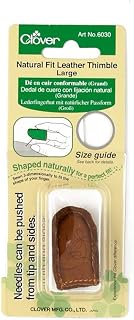
12. Clover Natural Fit Leather Thimble Large – Generous Comfort for Bigger Hands
Clover Natural Fit Leather Thimble Large
Check PriceWhy it stands out
This is the roomier sibling of the Small Natural Fit, delivering the same contoured, twist-free design for sewists with larger fingertips. The premium leather and ergonomic seam make it feel custom-made rather than off-the-shelf.
Key points
- Size Large for broad or long fingertips
- Curved seam traces finger anatomy
- High-grade, supple cowhide
- Double-stitched for rugged use
Pros
- Roomy without being sloppy
- Natural leather breathes all day
- Stays oriented correctly while stitching
- Beautiful, classic appearance
- Trusted Clover craftsmanship
Cons
- Will be too large for average or small fingers
- Leather requires care to stay soft
Best for
Sewists with larger hands who have been frustrated by thimbles that cut off circulation or pop off during use.
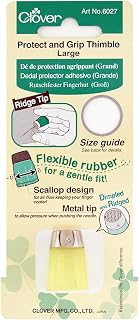
13. Clover Protect & Grip Thimble Large – Big-Hands Version of the Fan Favorite
Clover Protect & Grip Thimble Large
Check PriceWhy it stands out
Everything beloved about the medium Protect & Grip, scaled up. The secure rubber band and robust metal cap now accommodate larger fingers comfortably, so nobody has to miss out on this hybrid marvel.
Key points
- Large size for bigger finger circumference
- Identical metal and rubber construction
- Dimpled metal top remains precisely controllable
- Soft grip hugs without excessive pressure
Pros
- Perfect hybrid fit for larger hands
- Zero slippage once positioned
- Sustains heavy-duty hand sewing
- Comfortable open-nail design
- Dual-material build lasts for years
Cons
- Rubber band can occasionally catch on threads
- Not suitable for very slender fingers
Best for
Those with large or swollen fingers who want the unmatched balance of a rigid pushing surface and a gentle, stay-put grip.
How to Choose the Right Thimble for Hand Sewing
Picking the perfect thimble is all about matching the tool to your finger and your craft. Start by measuring your fingertip circumference with a flexible tape measure or a strip of paper. Most brands offer sizes like small, medium, and large, but some provide exact measurements. The thimble should slide on with slight resistance and sit snugly without pinching or falling off when you shake your hand.
Material is the next big decision. Metal thimbles (brass, silver-plated, or stainless steel) offer unbeatable durability and are ideal for heavy fabrics and leatherwork. Their dimpled surface catches the needle securely. However, they can feel cold and may not conform to tapered fingertips. Leather thimbles mold to your finger shape over time and provide a soft, breathable experience, but they wear out faster and lack the rigid push of metal. Rubber or silicone thimbles deliver extreme grip and flexibility, making them great for light sewing and mixed-media crafts, though they offer less needle-stopping safety. Hybrid thimbles like the Clover Protect & Grip combine a metal tip with a rubber or leather band, giving you the best of both worlds.
Also consider your sewing style. Quilters and embroiderers who use the side of their finger may prefer an adjustable thimble ring or a coin-shaped leather pad. Those with long nails will appreciate open-top designs. If you teach children, pick colorful, flexible thimbles that prioritize safety. Finally, think about how many you need. A variety pack can help you experiment without committing to a single style.
Common Thimble Mistakes and How to Avoid Them
1. Wearing the wrong size. This is the number one error. A thimble that is too tight can numb your finger, while one too loose will fly off mid-stitch. Measure carefully and consult the manufacturer’s sizing chart before buying.
2. Skipping the break-in period. Leather and even some hybrid thimbles soften and adapt with use. Do not discard a thimble after 10 minutes. Wear it during a few short sessions to let it conform to your finger’s shape and heat.
3. Using thick metal thimbles for delicate work. Heavy metal thimbles can crush fine silk or snag delicate threads. For heirloom sewing or fine embroidery, opt for a thin leather or flexible rubber protector that preserves sensitivity.
4. Not cleaning your thimble. Sweat, oils, and thread debris accumulate. Wipe metal thimbles with a dry cloth after use; leather ones can be gently cleaned with a damp cloth and conditioned occasionally to prevent cracking.
5. Ignoring finger placement. Most sewists push the needle with the side of the finger, not the very tip. Make sure your thimble’s reinforced area aligns with where you actually apply pressure. Adjustable rings and coin thimbles let you place protection exactly where needed.
6. Forgetting that thimbles are personal. What works for a fellow quilter may feel all wrong for you. Embrace trial and error, and do not hesitate to own a small collection for different projects.
Frequently Asked Questions
1. What finger do you wear a thimble on?
Traditionally, thimbles are worn on the middle finger of the hand that pushes the needle through the fabric. For right-handed sewists, that is the right middle finger; for left-handers, the left. However, some people find it more comfortable on the index finger or thumb. Experiment to discover your natural pushing motion.
2. How do I measure my finger for a thimble?
Wrap a flexible measuring tape or a strip of paper around the widest part of your fingertip, just below the nail. Note the circumference in millimeters or inches and compare it to the brand’s size guide. If between sizes, opt for the larger one for comfort.
3. Can I use a thimble with long nails?
Yes. Open-topped thimbles, thimble rings, and coin-shaped leather protectors are designed to leave the nail free. A traditional closed-top metal thimble might press uncomfortably against the nail, so stick to nail-friendly designs.
4. What is the best thimble material for quilting?
Quilters often love a protective metal tip combined with a soft grip, such as the Clover Protect & Grip, because it provides precise needle control during repetitive rocking motions. Leather coin thimbles are also popular for their sensitivity and side protection.
5. Are metal thimbles better than leather?
It depends on the task. Metal thimbles are superior for heavy-duty sewing and when you need a firm, non-slip needle stop. Leather thimbles excel in comfort, breathability, and tactile feedback, making them ideal for extended, detailed work. Many sewists own both.
6. How do I keep a metal thimble from slipping?
Ensure you have the correct size. If it is still loose, you can line the inside with a small piece of moleskin or a band-aid. Sweaty fingers can cause slipping; dusting your finger with a little talc-free powder can help.
7. Can I wash my leather thimble?
It is best to avoid soaking leather. Wipe the surface with a barely damp cloth and mild soap, then let it air dry away from direct heat. Occasionally apply a tiny dab of leather conditioner to keep it supple.
8. What is a thimble ring used for?
A thimble ring sits around the finger, often leaving the fingertip uncovered, and provides a reinforced pushing spot on the side or pad of the finger. It is perfect for quilters who push the needle from the side and for those who dislike the enclosed feeling of a traditional thimble.
9. How long does a typical thimble last?
A quality metal thimble can last for decades with proper care. Leather thimbles generally show wear after a year or two of heavy use and will eventually thin or stretch. Rubber thimbles may need replacing more frequently depending on usage intensity.
10. Are thimbles only for hand sewing?
No. Thimbles and finger protectors are useful for any craft that involves repetitive pressure on fingertips, such as hand quilting, embroidery, cross-stitch, leatherwork, paper sorting, hot gluing, and even some knitting techniques.
Conclusion
A great thimble turns a potential ouch into a joyful rhythm. It becomes an invisible extension of your hand, absorbing pressure so your mind can focus on creating neat, even stitches. The market today offers an incredible range, from silky leather that breathes to high-tech hybrids that grip without squeezing.
For the all-around champion that will please the widest audience, the Clover Protect & Grip Thimble remains our top recommendation. Its fusion of a precise metal cap and a forgiving rubber body solves the complaints both metal purists and leather lovers voice about their own thimbles. If you crave ultimate sensitivity, the self-adhesive Clover Leather Coin Thimble is a minimalist’s dream, while the ZMAAGG 8 PCS Set is the smartest buy for anyone new to hand sewing who wants to sample different styles without breaking the bank.
Remember to size your finger, align the protection with how you actually push the needle, and give leather a chance to break in. Your perfect thimble match is out there. Pick one up, thread your needle, and enjoy the quiet satisfaction of needlework free from sore fingers.
Once your needle is chosen, preparing the thread becomes the next finger-saving step, and a guide to choosing a beginner friendly needle threader reduces eye strain and keeps your thimble hand steady, making hand sewing faster and more comfortable.
