
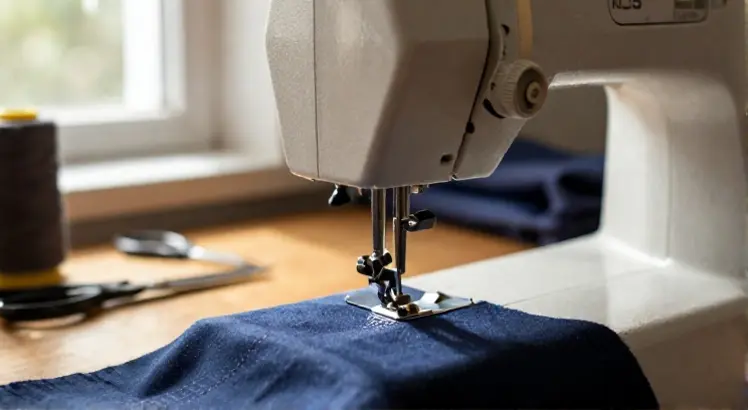
Mastering the buttonhole is often the most intimidating skill for sewing enthusiasts, yet modern machines have simplified this task dramatically. Buttonhole machine features explained below will demystify the mechanics and give you the confidence to sew crisp, durable closures. Whether you own a basic mechanical model or a fully computerized unit, understanding these features can transform your garment finishing.
Understanding the Core Buttonhole Mechanism
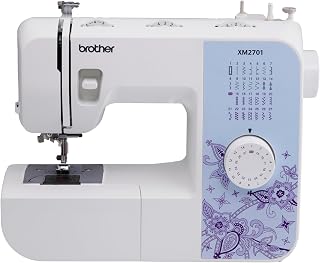
Brother XM2701 Lightweight Portable Sewing Machine
Check PriceAt its heart, a buttonhole machine uses a specialized presser foot and a precise feeding mechanism to sew a dense zigzag stitch in a rectangular shape. Many modern machines rely on a built in sensor or a buttonhole lever that measures the button’s diameter and automatically creates the correct length. This technology ensures perfectly consistent holes every single time, without manual adjustments.
Mechanical models often require you to engage a lever and manually pivot the fabric at each corner, while computerized versions handle the entire sequence for you. The buttonhole foot holds the fabric steady and guides the stitch formation with incredible accuracy. Understanding these fundamental movements helps you diagnose any uneven stitching or skipped areas.
According to industry standard buttonhole techniques, the classic keyhole shape remains a hallmark of tailored garments, but the round end and straight styles dominate today’s fashion. Your machine’s ability to replicate these shapes depends on its internal programming and the stitch quality settings you choose. The feed dogs and the interaction between the needle and hook also play a major role.
Before diving into advanced features, it helps to review the fundamentals of buttonhole sewing to grasp how thread tension and fabric stability impact the final result. A stable foundation sets you up for success with any machine type. Small adjustments to presser foot pressure can eliminate puckering on lightweight silks.
Key Features to Look For in a Buttonhole Machine
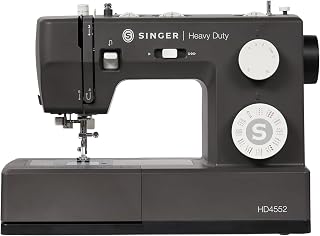
SINGER Heavy Duty 4552 Next Evolution Sewing Machine
Check PriceA top tier buttonhole machine should offer easy stitch length and width adjustment, often through a simple dial or digital interface. Look for models that feature a dedicated buttonhole foot with a stabilizer plate to prevent fabric puckering on delicate materials. Automatic thread trimming right in the foot saves time and boosts accuracy.
Many machines now include a one step buttonhole system that completes the entire process in a single run, stopping automatically at the end. You also want a sensor or lever that measures the button, eliminating guesswork and ensuring a custom fit for every garment. Consistent tension control is another must have, especially when working with stretch or slippery textiles.
Built in stitch memory and the ability to save your favorite buttonhole settings can speed up repetitive sewing projects. If you frequently work with denim or heavy coats, consider a heavy duty model with stronger feed dogs and metal interior components. Affordable buttonhole machine pricing does not mean you have to sacrifice these vital features.
Also pay attention to the maximum buttonhole length the machine can produce. Some machines limit you to about one inch, while others can handle much larger closures for coats and jackets. A machine that allows you to set the stitch density independently gives you full control over the buttonhole’s durability and appearance.
One Step vs Four Step vs Automatic: A Comparison
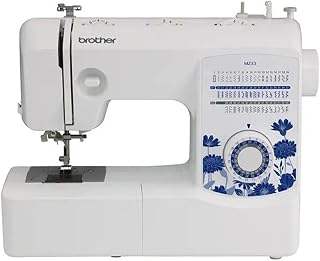
Brother MZ53 Full-Size Sewing Machine
Check PriceA one step buttonhole machine sews the entire hole in a single continuous operation, often using a sensor to measure the button and automatically adjusting the length. You simply place the button in the foot and press the pedal, and the machine stitches, tacks, and stops on its own. This is the fastest and most foolproof method for beginners and experts alike.
Four step systems, still common on many mechanical machines, require you to manually change the stitch dial or lever for each of the four stages: left side bartack, left side zigzag, right side bartack, right side zigzag. You control the fabric movement and stop at the appropriate point. While more hands on, these machines give you complete control over stitch density and appearance.
Automatic buttonholes, typically found on computerized models, take one step convenience further by offering multiple styles like keyhole, round end, and stretch buttonholes with memory storage. They often adjust thread tension and stitch width digitally. The result is a professional, perfectly balanced buttonhole that rivals anything you would find on ready to wear clothing.
For sewists who value creative flexibility, automatic systems let you fine tune the gap width and reinforcement stitches. Four step buttonholes, on the other hand, teach you the anatomy of a buttonhole and give you unmatched tactile feedback. Your choice ultimately depends on how much control you want versus how much speed you need.
Frequently Asked Questions About Buttonhole Machines
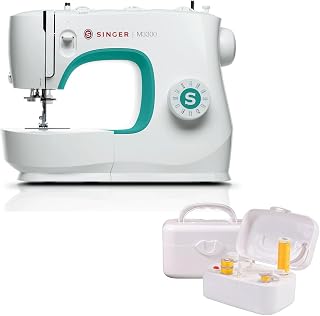
SINGER M3300 Sewing Machine with 97 Stitches
Check PriceWhat is a one step buttonhole?
A one step buttonhole is an automated feature where the machine sews the entire hole in a single motion, using a built in sensor to measure the button and control the stitching. You do not need to pivot the fabric or change settings mid process, making it exceptionally fast and consistent.
How does a four step buttonhole work?
A four step buttonhole divides the process into four manual stages: front bartack, left side, back bartack, and right side. You rotate a dial or press a lever between each step, guiding the fabric. This method offers maximum control over stitch placement but requires more attention and practice.
Can I add a buttonhole to any sewing machine?
Most modern machines include some form of buttonhole function, whether it is a basic four step mechanism or a dedicated one step foot. Even older mechanical models often have a buttonhole setting, but they may require a separate buttonholer attachment. Check your machine’s manual to confirm compatibility.
Which buttonhole type is best for heavy fabrics?
For heavy fabrics like denim, canvas, or wool coatings, an automatic or one step buttonhole on a heavy duty machine is ideal. These machines deliver stronger punch power and use a sturdy metal frame, preventing skipped stitches. A keyhole style with bartack reinforcement also distributes stress better on thick layers.
How do I maintain my buttonhole foot?
Keep your buttonhole foot clean by brushing out lint and thread debris after each project. Occasionally apply a drop of sewing machine oil to the moving joints if specified by the manufacturer. Inspect the sensor or lever for obstructions, and store the foot in a protective case to avoid bending the delicate guide plates.
What thread tension is best for buttonholes?
Slightly tighter tension than your regular sewing tension often produces a cleaner, denser buttonhole stitch. Aim for a balanced tension where the top and bobbin threads interlock in the middle of the fabric without pulling or looping. Always test on a scrap of the same fabric and interfacing before stitching the final garment.
Are computerized buttonholes worth the upgrade?
Computerized buttonholes are absolutely worth the investment if you sew garments frequently. They provide multiple style options, precise length control, and automatic adjustments that eliminate human error. The consistency and professional finish they deliver save time and reduce frustration, especially when matching multiple buttonholes on a single project.
Pro Tips for Perfect Buttonholes Every Time
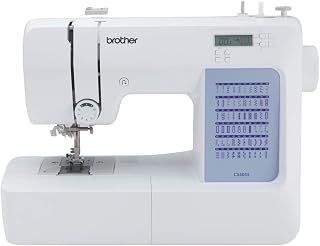
Brother CS5055 Computerized Sewing Machine
Check PriceAlways fuse a high quality interfacing to the fabric area where you plan to place the buttonhole. This stabilizes the weave and prevents stretching or distortion while the machine sews the dense stitches. A lightweight woven or knit interfacing matched to your fabric weight makes a noticeable difference in the final crispness.
Make a practice buttonhole on a real fabric scrap that includes the same number of layers and interfacing as your project. Use this test to check stitch density, length, and the ease of opening the hole with a seam ripper. Adjust the thread tension or stitch width until the satin columns look plump and even without gaps.
Place a pin across the end of the buttonhole before cutting it open to act as a safety stop for your seam ripper. This little trick prevents you from accidentally slicing through the bartack and ruining the entire closure. Gently push the ripper from the center outward, and finish with small embroidery scissors if needed.
Sew at a medium to slow speed when making buttonholes, especially on tricky fabrics. Rushing can cause the fabric to shift or the sensor to misread the button size. A steady, controlled pace gives the machine time to form accurate stitches and reduces the risk of thread nests on the underside.
Conclusion
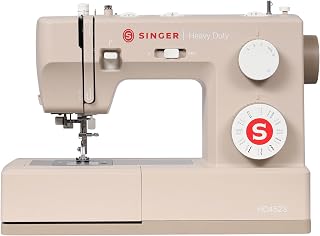
SINGER Heavy Duty 4523 Next Evolution Sewing Machine
Check PriceButtonhole machine features explained throughout this guide highlight how even a small component can dramatically improve your sewing experience. Whether you choose a one step mechanical model or an advanced computerized unit, prioritizing a dedicated buttonhole foot, adjustable stitch settings, and reliable thread tension will guarantee professional results every time.
Practice remains essential. Always test your buttonhole stitch on a fabric swatch that includes the same interfacing and layers as your final project. Fine tune the length and density until you achieve a clean, even cut, and remember to use a seam ripper carefully to open the hole without damaging the surrounding stitches.
Embracing these features allows you to move beyond fear and frustration, opening up a world of tailored blouses, sturdy workwear, and creative embellishments. The right buttonhole machine transforms a tricky task into a seamless, repeatable process that elevates your craft to a professional standard. Invest in the features that match your workflow and watch your sewing confidence soar.

Disclosure: As an Amazon Associate, we earn from qualifying purchases at no extra cost to you. Our posts are created with AI tools and human editing.