
Stitching on stretchy or sheer fabrics often leads to puckering, distortion, and skipped stitches. A poor stabilizer can ruin hours of work by allowing fabric to shift under the needle. The right stabilizer locks fibers in place, ensuring crisp embroidery and smooth seams. Here are the best fabric stabilizers to keep your projects professional and frustration-free.
Short Answer: The New brothread Cut Away Embroidery Stabilizer is the best overall fabric stabilizer for sewing. It provides permanent support for knits, prevents sagging after washing, and works on most machine embroidery designs. For delicate sheers, use the New brothread No Show Mesh; for easy removal, choose a quality tear-away.
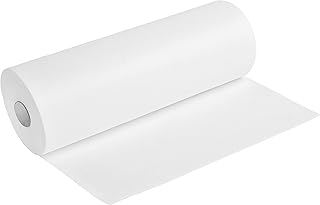
New brothread Cut Away Embroidery Stabilizer
Check PriceBest Fabric Stabilizer For Sewing of 2026
Understanding the purpose and varieties of fabric stabilizer is essential for achieving professional results in your projects, and exploring detailed material guides can greatly improve your technique. For instance, the comprehensive reference on textile backing materials available at textile stabilizers and their chemical applications provides excellent context on how these products control stretch and distortion during the stitching process. These resources work together to help you identify whether you need a temporary cut away backing for knits or a permanent adhesive solution for delicate sheers, ensuring your seams remain crisp and flat without puckering.
1. New brothread No Show Mesh Embroidery Stabilizer – Best Lightweight Invisible Support for Sheers
New brothread No Show Mesh Embroidery Stabilizer
Check PriceWhy it stands out
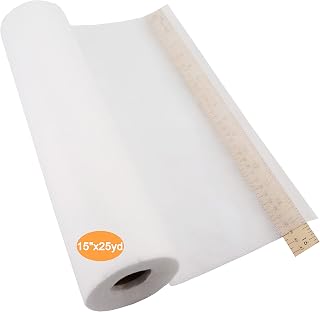
This ultra-sheer mesh disappears against light fabrics while providing stable embroidery backing. Its translucent polyamide construction leaves no shadow or show-through on white garments. The stabilizer tears cleanly without distorting delicate stitches. It handles dense designs without adding bulk.
Key points
- Ultra-lightweight, almost invisible mesh
- 15″ wide by 25 yards on an economical roll
- Soft enough for baby clothes and lingerie
- Suitable for both home and commercial machines
Pros
- Virtually undetectable on white and pastel fabrics
- Excellent stitch definition despite thin profile
- Tears easily without pulling embroidery threads
- Generous roll length reduces refill frequency
- Works well with dense designs and satin stitches
Cons
- Not designed for heavy items like towels or denim
- Can shred if you need permanent, long-term support
Best for
Sewists who embroider on sheer, lightweight, or white fabrics such as batiste, voile, or T-shirt material.
2. New brothread Cut Away Embroidery Stabilizer – Best Permanent Support for Stretchy Knits
New brothread Cut Away Embroidery Stabilizer
Check PriceWhy it stands out
This medium-weight cut-away stays with the garment forever, preventing embroidery distortion through countless wash cycles. Its soft yet tough non-woven structure locks knit fibers in place without stiffness. It is the go-to choice for professional-looking logos on polo shirts and sweatshirts. Leftover backing can be trimmed close to the design for a clean finish.
Key points
- Permanent cut-away stabilizer, 15″ x 25 yards
- Medium weight ideal for knits and high-stretch fabrics
- Soft hand feel; remains flexible after washing
- Compatible with all home embroidery machines
Pros
- Eliminates puckering on T-shirts and fleece
- Maintains design integrity after repeated laundering
- Trims easily without dulling scissors
- Good value with large continuous roll
- Does not change the fabric’s drape noticeably
Cons
- Not suitable when a no-show backing is needed
- Requires careful trimming for delicate items
Best for
Embroidery enthusiasts working with knits, jerseys, and any garment that will be stretched or washed frequently.
3. New brothread Embroidery Stitch Cover Stabilizer – Best Black Backing for Dark Apparel
New brothread Embroidery Stitch Cover Stabilizer
Check PriceWhy it stands out
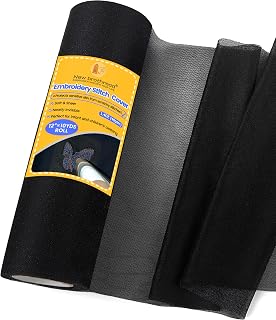
This black fusible backing covers embroidery stitches on the reverse side for a neat, irritation-free interior. It bonds with a hot iron to seal threads and prevent unraveling without adding stiffness. Perfect for dark garments where white backing would be visible. The smooth finish enhances comfort against skin on shirts and bodysuits.
Key points
- Black fusible stitch cover, 12″ x 10 yards
- Iron-on adhesive for secure permanent bonding
- Soft, low-profile layer that hides back stitching
- Washable and maintains coverage after multiple cycles
Pros
- Disappears on black and dark-colored fabrics
- Prevents skin irritation from scratchy embroidery threads
- Fuses quickly with standard home iron heat
- Trims cleanly and does not fray
- Adds minimal thickness so garment hangs naturally
Cons
- Requires ironing step after embroidery
- Not a standalone embroidery backing; needs a primary stabilizer
Best for
Sewists finishing the inside of dark garments, baby rompers, or any project where exposed stitching could cause discomfort.
4. New brothread Black Tear Away Stabilizer Backing – Quick Removal for Dark Fabrics
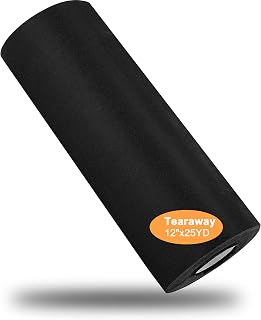
New brothread Black Tear Away Stabilizer Backing
Check PriceWhy it stands out
This opaque black tear-away eliminates the white flecks that appear when using light stabilizers on dark goods. Its paper-like feel tears cleanly along perforations, leaving crisp embroidery edges. It provides ample support for dense designs while removing effortlessly after stitching. The wide 12″ roll accommodates large hoops and multi-position designs.
Key points
- Black tear-away stabilizer on 12″ x 25-yard roll
- Medium weight, excellent for structured fabrics
- Color-matched for navy, black, and dark materials
- Removes easily without distorting stitches
Pros
- No white residue on dark embroidery
- Firm support for heavy satin and fill stitches
- Quick removal reduces finishing time
- Works as a topper for terry cloth as well
- Consistent thickness throughout the roll
Cons
- Not for use on very lightweight or sheer fabrics
- Can leave small fibers at the edges if torn carelessly
Best for
Embroiderers who regularly stitch on black or dark garments where white tear-away shows through.
5. Medium Weight Fusible Interfacing for Sewing – Versatile Iron-On Fabric Stabilizer
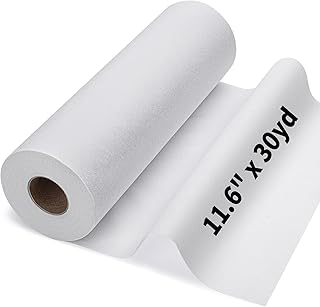
Medium Weight Fusible Interfacing for Sewing
Check PriceWhy it stands out
This iron-on interfacing adds crisp body to collars, cuffs, and bag panels without changing the fabric surface. Its smooth adhesive layer bonds firmly with medium heat, preventing bubbles and peel-up. It transforms limp fabric into stable, easy-to-sew material for precise piecing. The generous 11.6″ by 30-yard roll covers large garment projects economically.
Key points
- Medium weight, single-sided fusible non-woven
- 11.6 inches wide by 30 yards long
- Bonds at moderate temperature with iron or press
- Compatible with cotton, linen, polyester blends
Pros
- Improves fabric stability for accurate cutting
- No sewing pinning required; stays put during stitching
- Launderable and maintains bond after washing
- Thin enough not to add bulk in seam allowances
- Large roll size suits multiple large projects
Cons
- Not suitable for heat-sensitive fabrics like sequins
- Requires test fusing on delicate material first
Best for
Dressmakers and crafters who need reliable iron-on support for structured garments, totes, and home decor items.
6. Falikoco Soft Stable Foam Stabilizer – Best for Bags and 3D Dimensional Projects
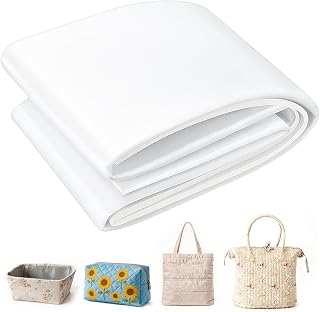
Falikoco Soft Stable Foam Stabilizer
Check PriceWhy it stands out
This lightweight foam gives bags, purses, and quilted items a plush, structured feel without weight. Its non-fusible nature makes it easy to sew in as interlining. Double-sided polyester batting resists flattening and retains loft even after washing. At 36 by 58 inches, the sheet covers multiple small projects or one large tote.
Key points
- Soft foam stabilizer, 36″ x 58″ sheet
- Lightweight, non-fusible, washable polyester
- Double-sided smooth surface for easy layering
- Designed for bags, purses, quilting, and handmade crafts
Pros
- Adds professional padded structure to bags
- Remains lightweight and does not make projects heavy
- Stitches smoothly without needle gumming
- Washable and retains shape after cleaning
- Large sheet can be cut to custom sizes
Cons
- Not fusible; requires basting or pinning in layers
- Single sheet packaging versus a roll may need storage space
Best for
Bag makers and quilters seeking soft, dimensional padding that is easy to sew and washable.
7. DGQ Wash Away Water Soluble Embroidery Stabilizer – Best for Free-Standing Lace
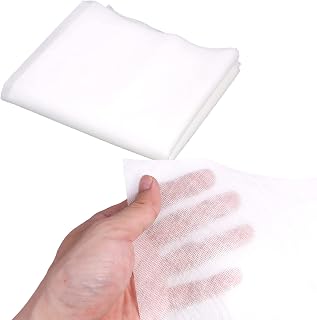
DGQ Wash Away Water Soluble Embroidery Stabilizer
Check PriceWhy it stands out
This transparent film-like stabilizer dissolves completely in water, leaving no trace behind. It hoops beautifully for freestanding lace, 3D appliques, and embroidering on towels. The lightweight 10-inch by 3-yard sheet is ideal for single-project use. Stitching is crisp and supported until the moment you rinse.
Key points
- Water-soluble stabilizer, 10″ x 3 yards
- Dissolves entirely in cold or warm water
- Lightweight film, ideal for lace and mutiple wash-away applications
- Works as a topper on high-pile fabrics like fleece
Pros
- Disappears completely leaving no residue
- Easy to hoop and perforates cleanly
- Works as both backing and topping
- Safe for most fabrics that can be wetted
- Clear film allows visibility for placement
Cons
- Yield is smaller than tear-away options
- Must be stored away from humidity
Best for
Lace makers and those embroidering on items that cannot have any visible backing after finishing.
8. New brothread Tear Away Embroidery Stabilizer 10″ x 25 Yd – Budget-Friendly Roll for Everyday Stitching
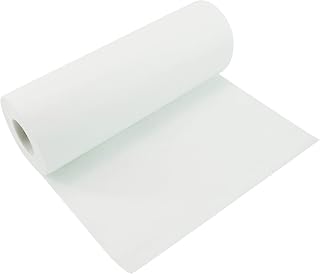
New brothread Tear Away Embroidery Stabilizer
Check PriceWhy it stands out
This medium-weight white tear-away is a workhorse for high-volume embroiderers. It supports dense designs on stable wovens like denim, canvas, and twill, then tears cleanly. The 10″ width fits most standard hoops, and the long 25-yard roll is extremely cost-effective. Consistent thickness prevents skipped stitches and design misalignment.
Key points
- White tear-away stabilizer, 10″ x 25 yards
- Medium weight optimal for wovens and structured fabrics
- Clean perforation for easy removal after embroidery
- Firm foundation reduces needle deflection
Pros
- Excellent value for everyday embroidery projects
- Reliable tear performance without distorting design
- Sturdy enough for heavy satin stitches
- Works in any home embroidery machine
- Bright white won’t show through dark fabrics if trimmed
Cons
- Not ideal for stretchy knit fabrics
- Width limited to 10″, may require patching for large hoops
Best for
Home embroiderers needing an affordable, general-purpose tear-away for non-stretch fabric like denim jackets and canvas totes.
9. New brothread Tear Away Embroidery Stabilizer Precut Sheets – Ultimate Convenience for Small Hoops
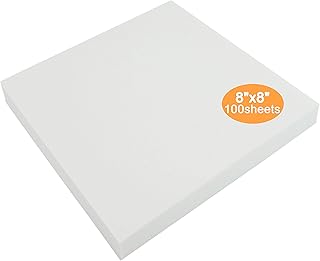
New brothread Tear Away Precut Sheets
Check PriceWhy it stands out
These 8″x8″ pre-cut sheets eliminate the need to measure and cut, saving precious prep time. Each sheet is perfectly flat with no curl, making hooping a breeze. The tear-away formula removes cleanly from small designs like monograms and badge patches. The pack of 100 sheets ensures you always have stabilizer ready.
Key points
- 100 precut 8″ x 8″ tear-away sheets
- Medium weight, bright white finish
- Convenient ready-to-use squares
- Uniform size fits small hoops up to 4×4
Pros
- No cutting required; grab and hoop instantly
- Flat sheets feed smoothly without wrinkling
- Clean tear performance even on dense stitching
- Consistent sizing for repeat designs
- Ideal for travel classes and workshops
Cons
- 8×8 may be too small for larger hoops
- Less economical per yard than continuous rolls
Best for
Those who embroider small items frequently and want a fast, mess-free stabilizer setup without cutting.
10. PLANTIONAL Medium Weight Iron-On Non-Woven Fusible Interfacing – Wide Roll for Large Apparel Projects
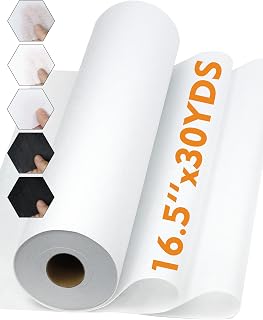
PLANTIONAL Medium Weight Fusible Interfacing
Check PriceWhy it stands out
With a generous 16.5″ width, this interfacing covers large pattern pieces in one go. The single-sided fusible coating adheres evenly under steam, creating a smooth bond on cotton, linen, and polyester. It adds just the right amount of stiffness for crisp shirt collars and structured dresses. The 30-yard roll offers immense value for production sewists.
Key points
- Medium weight, non-woven iron-on interfacing
- 16.5 inches wide by 30 yards long
- Polyester material with adhesive back
- Compatible with common garment fabrics
Pros
- Wide roll fits large pattern pieces without seaming
- Firm yet flexible hand after fusing
- Washable bond holds up over time
- Easy to cut with regular scissors
- Consistent quality, no thin spots
Cons
- Single-sided adhesive; cannot be fused to both layers at once
- Steam may cause slight shrinkage if not pre-shrunk
Best for
Costume makers and clothing sewists who fuse large sections frequently and want a wide, reliable interfacing.
11. OESD Polymesh Cut Away Embroidery Stabilizer – Soft Permanent Backing for Apparel
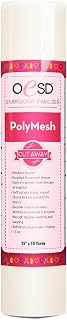
OESD Polymesh Cut Away Stabilizer
Check PriceWhy it stands out
OESD’s polymesh offers exceptional softness and breathability as a permanent backing. Its fine mesh construction remains pliable after cutting, perfect for performance wear and delicate knits. The 15″ by 10-yard roll ensures you have enough for multiple projects. It provides stable stitch formation without a stiff feel against skin.
Key points
- Polymesh cut-away stabilizer, 15″ x 10 yards
- Breathable, soft, permanent support
- Professional OESD quality trusted by embroiderers
- Ideal for activewear, baby garments, and lingerie
Pros
- Ultra-soft finish, comfortable for next-to-skin wear
- Excellent stretch recovery; won’t sag after washing
- Trims nicely close to embroidery
- Mesh allows fabric to drape naturally
- Reduces irritation on sensitive skin
Cons
- Higher price point than basic cut-away
- Limited length compared to bulk rolls
Best for
Those sewing high-end knit garments and wanting a permanent, soft backing that never itches.
12. Soft & Cozy Embroidery Stitch Cover Stabilizer – Fusible Soft Finish for Skin Comfort
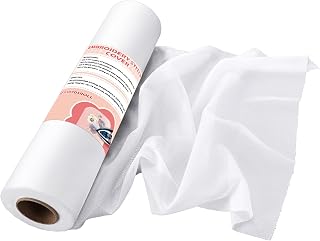
Soft & Cozy Embroidery Stitch Cover Stabilizer
Check PriceWhy it stands out
This white fusible backing offers a velvety soft texture that feels gentle on skin. It irons on easily to cover embroidery backs, eliminating scratchy threads in baby clothes and activewear. The 12″ by 10-yard roll provides ample material for covering finished designs. It remains flexible and does not crack after washing.
Key points
- Fusible stitch cover stabilizer, 12″ x 10 yards
- White color blends with light garments
- Ultra-soft, no-itch backing
- Iron-on application for quick finishing
Pros
- Exceptionally soft against skin
- Fuses smoothly without bubbling
- Hides thread tails and stabilizer remnants
- Launderable; bond remains strong
- Adds a polished, store-bought look to insides
Cons
- Not available in black for dark fabrics
- Requires precise trimming to avoid sticky iron plates
Best for
Makers of infant wear, sensory-friendly clothing, and anyone who wants the softest possible embroidery interior.
13. OESD Medium Weight Tear Away Embroidery Stabilizer – Precision Tear-Away for Structured Fabrics
OESD Medium Weight Tear Away Stabilizer
Check PriceWhy it stands out
OESD’s tear-away offers dense, even fiber distribution for flawless stitch clarity on linen, cotton, and denim. It tears away cleanly with minimal effort, leaving sharp design edges. The 15″ width supports large hoop designs without piecing. This stabilizer reduces needle gumming common with inferior tear-aways.
Key points
- Medium weight tear-away, 15″ x 10 yards
- Smooth, consistent surface for crisp embroidery
- Designed for woven, non-stretch materials
- OESD brand known for high-quality machine embroidery supplies
Pros
- Superior tear performance without deforming designs
- Wide enough for larger hoops up to 10×14
- Low-lint formula keeps machine clean
- Good stiffness to hold fabric taut
- Works well as a topper for terry cloth
Cons
- More expensive than generic tear-away rolls
- Not permanent; only for removable support projects
Best for
Serious home embroiderers needing a premium tear-away for crisp results on home decor projects and sturdy garments.
How to Choose the Best Fabric Stabilizer for Sewing
First, identify your fabric type. Stretchy knits need a permanent cut-away stabilizer to prevent distortion, while stable wovens work well with tear-away. Sheer or lightweight materials require an ultra-fine mesh or water-soluble stabilizer that disappears after stitching. Matching the stabilizer to the fabric’s stretch and weight is essential for clean results.
Consider the embroidery design density. Heavy, stitch-filled designs demand a sturdier backing like medium-weight cut-away or polymesh. Light, open designs can use lighter tear-away or no-show mesh. The stabilizer must support every stitch without buckling or allowing the fabric to pucker.
Think about the final look and feel. For garments worn against skin, choose soft cut-away or add a fusible stitch cover to eliminate irritation. If the back of the embroidery will be visible, a no-show mesh or color-matched stabilizer prevents an unsightly white shadow. Wash-away stabilizers are perfect for freestanding lace and projects where no trace should remain.
Evaluate convenience and format. Precut sheets save time for small hoops, while rolls offer flexibility and value for varied sizes. If you often work with dark fabrics, stock both white and black stabilizers. Also check compatibility with your machine; most stabilizers work universally, but some specialty types need a hoop-friendly thickness.
Common Mistakes to Avoid
Using the wrong stabilizer type for the fabric is the top mistake. Applying tear-away on a knit will lead to sagging because the fabric stretches but the backing is gone. Always choose permanent cut-away for stretchy materials and tear-away only for non-stretch wovens. Mismatch causes puckering and ruined projects.
Hooping with insufficient tension or using stabilizer that is too small is another error. The stabilizer must extend well beyond the hoop edges and be drum-taut. If the fabric or backing slips, the design can misalign, and puckers appear. Cut stabilizer larger than the hoop and tighten the screw securely.
Skipping the floating step under the hoop is a common oversight. For dense designs on difficult fabrics, always float an additional piece of stabilizer beneath the hooped fabric. This extra layer prevents the stitches from tunneling into the fabric and gives a flawless finish. Many beginners forget this critical extra support.
Ignoring topper for textured fabrics leads to sunken stitches. Towels, fleece, and faux fur need a water-soluble or tear-away topper on top so the stitches sit above the pile. Without a topper, embroidery disappears into the nap. Always test your design and add a topper when needed.
FAQ
What is the difference between tear-away and cut-away stabilizer?
Tear-away stabilizer is designed to be removed by tearing after embroidery, leaving minimal residue. It works best on stable woven fabrics that won’t stretch. Cut-away stabilizer stays with the garment permanently and is trimmed close to the design. Cut-away is essential for knits because it prevents the embroidery from warping when the fabric stretches.
Can I use fusible interfacing as a stabilizer for machine embroidery?
Yes, fusible interfacing can be used as a stabilizer, particularly for light embroidery on garment areas that need body. It bonds to the fabric and prevents shifting during stitching. However, its adhesive may gum the needle over time. For dense designs, combine it with a dedicated tear-away or cut-away for better support.
How do I know which weight of stabilizer to use?
The stabilizer weight should match the design density and fabric. Lightweight stabilizers are for delicate, low-stitch designs; medium weight for most standard embroidery; and heavy weight for dense, stitch-heavy designs or thick fabrics. Always test on a scrap first. If you see puckering or the stabilizer tears during stitching, step up to a heavier type.
Do I really need a stitch cover stabilizer?
Stitch cover stabilizer is not always necessary but highly recommended for garments worn against sensitive skin. It covers the rough underside of embroidery, preventing itching and irritation. It also gives a professional finish to baby clothes, T-shirts, and activewear. If your embroidery backs are soft already, you might skip it.
Can I use water soluble stabilizer for regular garments?
Water-soluble stabilizer is primarily for items that will be washed after embroidery, like freestanding lace or used as a topper on towels. It dissolves in water, leaving no backing. For regular garments that need permanent support, a cut-away stabilizer is better. You can layer water-soluble as a topper over a permanent backing.
How many layers of stabilizer should I use?
One layer of appropriate weight stabilizer is often enough for simple designs on stable fabric. For dense embroidery or stretchy fabrics, use two layers: hooped with the fabric and float a second sheet underneath. Multiple thin layers can provide better support without added stiffness compared to one very heavy piece.
Can I use the same stabilizer for my sewing machine and embroidery machine?
Stabilizers are universal and work with any sewing or embroidery machine. The key is the type, not the machine. Tear-away, cut-away, and wash-away are used identically whether you’re doing decorative stitching or freestanding embroidery. Always hoop the stabilizer along with the fabric for best results.
How do I remove tear-away stabilizer without damaging the design?
Gently pull the excess stabilizer away from the edges, supporting the stitches with your finger. Pull parallel to the fabric rather than lifting straight up. For small pieces inside letters, use tweezers. Avoid pulling harshly on the stitches. If resistance is high, slightly dampen the stabilizer with water to weaken it.
What is no-show mesh stabilizer best used for?
No-show mesh is ideal for lightweight, sheer, or white fabrics where a traditional stabilizer would be visible. It provides support while remaining virtually undetectable from the right side. Use it for heirloom sewing, lingerie, voile, and any project where the backing could cast a shadow or show through.
Is foam stabilizer washable?
Yes, most foam stabilizers made from polyester like the Falikoco product are washable. They maintain their loft and structure after gentle washing. Foam is commonly used in bags, quilting, and 3D embroidery. Be sure to follow care instructions; some may be dryer-safe on low while others should air dry to prevent distortion.
Conclusion
The New brothread Cut Away Embroidery Stabilizer remains the top choice for dependable, permanent support on knits and everyday garments. Its soft feel and long roll make it a staple in any sewing room. When a stabilizer must vanish, the New brothread No Show Mesh excels on sheers. For dark fabrics, the black tear-away version is indispensable.
Don’t overlook specialty stabilizers like wash-away film for lace, foam for structured bags, and fusible covers for comfort. Building a small stash of these options ensures you are ready for any fabric or design. Remember to match stabilizer type to fabric stretch and final desired feel.
Starting with the right stabilizer eliminates skipped stitches and puckered designs. Use the tips on hooping, floating, and topper application to elevate your embroidery. Click through the product links to check current prices and find the stabilizer that best fits your next project. Your sewing will thank you.
Once you have a solid grasp of the stabilizer basics, learning about the precision techniques used for highly sensitive textiles is the next logical step to avoid costly mistakes and material waste. For specialized work like securing intricate lace patterns or thin mesh bases, reading about strategies for managing delicate lace fabrics is incredibly beneficial because these materials often dissolve or tear under the pressure of standard backing and needles. This guide helps you visualize how a lightweight water soluble stabilizer acts as a protective, vanishing scaffold, allowing you to execute complex embroidery on netting without trapping the hoop marks or adhesive residue that damage fine finishes.

Disclosure: As an Amazon Associate, we earn from qualifying purchases at no extra cost to you. Our posts are created with AI tools and human editing.