
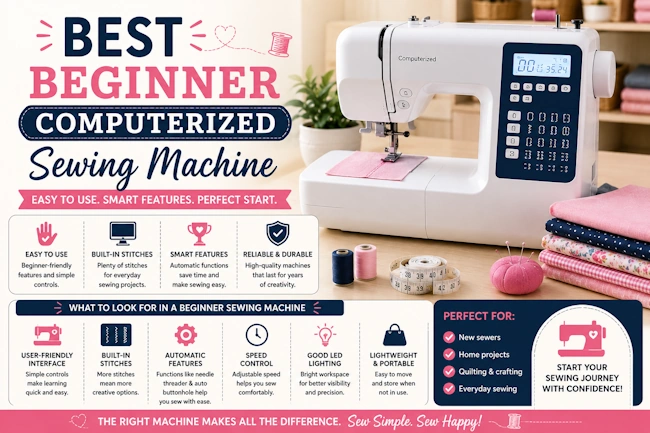
Starting your sewing journey can feel overwhelming when faced with clunky mechanical machines that require manual stitch adjustments, guesswork for tension settings, and time-consuming threading processes. Many beginners get discouraged by machines that are unforgiving of small mistakes, lack clear guidance for stitch selection, and don’t include the accessories needed for basic projects like hemming, mending, or simple quilting.
New sewers want a machine that’s intuitive to use, with automatic features that reduce setup time, preset stitches for common tasks, and a design that grows with their skills as they move from basic mending to more complex projects. A computerized model is ideal for beginners because it replaces manual dials with clear LCD displays, one-touch stitch selection, and automatic functions like needle threading and buttonhole sizing.
Short Answer: The best overall beginner computerized sewing machine is the Brother CS7000X Computerized Sewing and Quilting Machine, which balances affordability, 70 built-in stitches, a wide extension table for larger projects, and 10 included presser feet to cover nearly every beginner project.
Best Beginner Computerized Sewing Machine of 2026
1. Brother CS5055 Computerized Sewing Machine – 60 Built-In Stitches for Everyday Projects
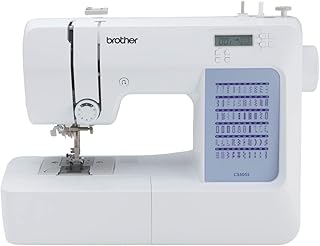
Brother CS5055 Computerized Sewing Machine
Check PriceWhy it stands out
The Brother CS5055 is a budget-friendly entry into computerized sewing, with a bright LCD display that shows selected stitches and settings clearly for new users. It includes 7 presser feet to handle everything from zippers to buttonholes, making it a great starter for basic mending and crafting.
Key points
- 60 built-in stitches including utility, decorative, and 7 auto-size buttonholes
- Bright LCD display for easy stitch selection and settings preview
- 7 included presser feet for common beginner tasks
- Automatic needle threading system to save time and reduce eye strain
Pros
- Affordable price point for computerized models
- Lightweight and compact for small workspaces
- Intuitive controls with one-touch stitch selection
- Compatible with most standard presser feet for future upgrades
- Backed by Brother’s 25-year limited warranty
Cons
- No wide table included for larger quilting projects
- Fewer stitches than higher-end Brother models
Best for
New sewers looking for a budget-friendly, compact computerized machine for basic mending, hemming, and simple crafts.
2. Brother CS7000X Computerized Sewing and Quilting Machine – 70 Stitches and Wide Table for Growing Skills
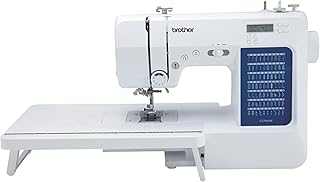
Brother CS7000X Computerized Sewing and Quilting Machine
Check PriceWhy it stands out
The Brother CS7000X is our top pick for beginners, offering 70 built-in stitches, a wide extension table for quilting and larger projects, and 10 included presser feet. Its LCD display makes stitch selection effortless, and the automatic needle threader eliminates a common frustration for new sewers.
Key points
- 70 built-in stitches including 7 auto-size buttonholes
- Wide extension table included for quilting and bulky projects
- 10 included presser feet for everything from zippers to free-motion quilting
- LCD display with stitch diagrams and settings preview
Pros
- Excellent value with more accessories than most entry-level models
- Handles both light and medium-weight fabrics with ease
- Adjustable sewing speed to match beginner comfort levels
- Compact enough for small spaces but sturdy for regular use
- 25-year limited warranty from Brother
Cons
- Not suitable for very heavy fabrics like thick denim or leather
- Plastic exterior may feel less durable than all-metal models
Best for
Beginners who want a machine that can handle both basic sewing and introductory quilting projects as their skills grow.
3. Brother XR9550 Sewing and Quilting Machine – 165 Stitches for Advanced Beginner Projects
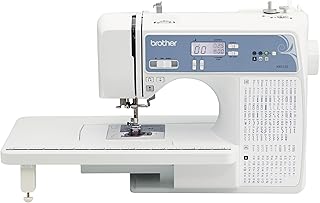
Brother XR9550 Sewing and Quilting Machine
Check PriceWhy it stands out
The Brother XR9550 offers 165 built-in stitches, giving beginners access to a huge range of utility, decorative, and lettering stitches as they expand their skills. It includes a wide table and 8 presser feet, making it a versatile choice for sewing, quilting, and light crafts.
Key points
- 165 built-in stitches including 55 alphanumeric lettering stitches
- Wide extension table for larger quilting and home decor projects
- 8 included presser feet for common sewing and quilting tasks
- LCD display with easy-to-navigate stitch selection
Pros
- Massive stitch library for creative projects and personalization
- Automatic needle threading and drop-in bobbin system
- Adjustable presser foot pressure for different fabric weights
- Free arm for sewing cuffs, sleeves, and pant hems
- 25-year limited warranty
Cons
- Higher price point than basic entry-level models
- May feel overwhelming for total beginners with no prior sewing experience
Best for
Beginners who already have some basic sewing knowledge and want a machine with room to grow into complex projects and custom designs.
4. Brother XM2701 Lightweight Sewing Machine – 27 Stitches for Simple Beginner Tasks
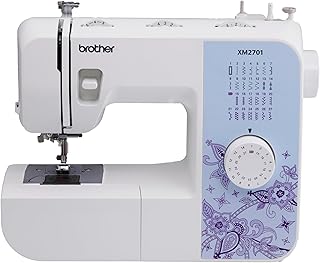
Brother XM2701 Lightweight Sewing Machine
Check PriceWhy it stands out
The Brother XM2701 is a lightweight, mechanical sewing machine that’s ideal for total beginners on a tight budget, with 27 built-in stitches and 6 included feet for basic mending and crafts. It’s simple to use with no digital displays to navigate, making it a low-stress starter for people who want to learn on a traditional machine.
Key points
- 27 built-in stitches including blind hem, zigzag, and decorative options
- 6 included presser feet for buttonholes, zippers, and general sewing
- Lightweight and portable for taking to classes or crafting groups
- Free arm for sewing small, cylindrical items like sleeves and pant legs
Pros
- Extremely affordable price point for new sewers
- Simple mechanical design with no complex digital features
- Easy to thread and adjust tension manually
- Compact size fits in small apartments or dorms
- 25-year limited warranty
Cons
- Mechanical design requires manual stitch selection and adjustment
- Fewer stitches and features than computerized models
Best for
Total beginners on a tight budget who want a simple, no-frills mechanical machine to learn basic sewing skills.
5. Brother HC1850 Sewing and Quilting Machine – 185 Stitches for Versatile Sewing and Quilting
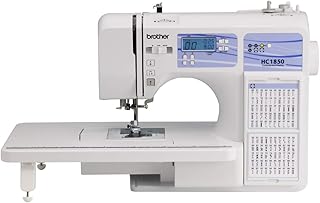
Brother HC1850 Sewing and Quilting Machine
Check PriceWhy it stands out
The Brother HC1850 is a feature-rich computerized machine with 185 built-in stitches, including 55 alphanumeric lettering stitches, making it a great choice for beginners who want to personalize projects. It includes 8 presser feet and an LCD display for easy stitch selection, with a free arm for small projects.
Key points
- 185 built-in stitches including utility, decorative, and lettering options
- LCD display for clear stitch selection and settings preview
- 8 included presser feet for sewing, quilting, and buttonholes
- Automatic needle threading and drop-in bobbin system
Pros
- Large stitch library for creative and personalized projects
- Handles medium-weight fabrics like cotton, linen, and lightweight denim
- Adjustable sewing speed to suit beginner skill levels
- Free arm for sewing cuffs, sleeves, and hems
- 25-year limited warranty
Cons
- No wide table included for larger quilting projects
- Plastic components may not hold up to heavy daily use
Best for
Beginners interested in personalizing projects with lettering and decorative stitches, who plan to work on small to medium-sized sewing and quilting tasks.
6. Compact Sewing Machine for Beginners – 12 Stitches and 32 Threads for Home Crafting
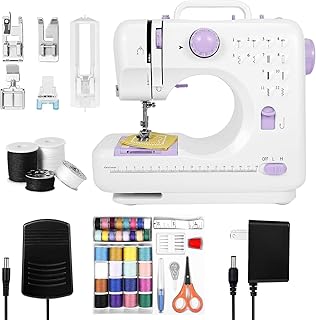
Compact Sewing Machine for Beginners
Check PriceWhy it stands out
This compact beginner machine comes with 12 built-in stitches and 32 spools of colored thread, making it a ready-to-use starter kit for simple mending and crafts. It features an LED light for visibility and two sewing speeds to match beginner comfort levels.
Key points
- 12 built-in stitches for basic mending, hemming, and crafts
- Includes 32 spools of colored thread to start projects immediately
- LED work light for clear visibility of stitching area
- Two adjustable sewing speeds for careful control
Pros
- All-in-one kit with thread included, no extra purchases needed
- Extremely compact and portable for small spaces
- Affordable price point for casual crafters
- Simple controls ideal for total beginners
- Lightweight for taking to classes or travel
Cons
- Not a computerized model, manual stitch selection only
- Too small to handle larger or thicker fabric projects
Best for
Casual crafters and total beginners who want an all-in-one, ultra-compact machine for occasional mending and small crafts.
7. Brother XR3774 Sewing and Quilting Machine – 37 Stitches and Wide Table for Quilting
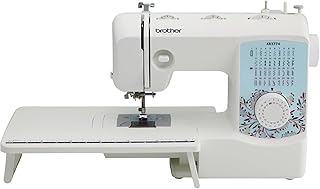
Brother XR3774 Sewing and Quilting Machine
Check PriceWhy it stands out
The Brother XR3774 is a mechanical sewing and quilting machine with 37 built-in stitches and a wide extension table, making it a great budget option for beginners interested in quilting. It includes 8 presser feet for common tasks and a free arm for small projects.
Key points
- 37 built-in stitches including utility, decorative, and quilting options
- Wide extension table for larger quilting and home decor projects
- 8 included presser feet for zippers, buttonholes, and free-motion quilting
- Free arm for sewing cuffs, sleeves, and cylindrical items
Pros
- Affordable price point for a quilting-ready machine
- Sturdy metal frame for stability during use
- Simple mechanical controls for easy learning
- Portable design for taking to quilting classes
- 25-year limited warranty
Cons
- Mechanical design requires manual stitch adjustment
- Fewer stitches than computerized models
Best for
Beginners interested in quilting who want a budget-friendly mechanical machine with a wide table for larger projects.
8. SINGER Quantum Stylist 9960 Sewing & Quilting Machine – 600 Stitches and Extension Table for Advanced Projects
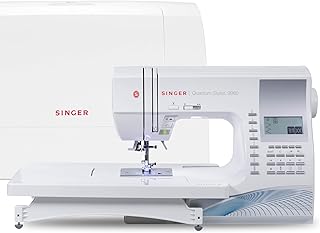
SINGER Quantum Stylist 9960 Sewing & Quilting Machine
Check PriceWhy it stands out
The SINGER 9960 is a high-end computerized machine with 600 built-in stitches, including 13 alphanumeric fonts, making it a powerhouse for beginners who want to tackle complex projects. It includes an extension table, hard case, and advanced features like automatic thread cutting and a speed control slider.
Key points
- 600 built-in stitches including 13 lettering fonts and 5 memory slots
- Includes extension table, hard storage case, and full accessory kit
- Automatic thread cutter and one-touch needle up/down
- LCD display with stitch editing and memory functions
Pros
- Massive stitch library for virtually any sewing or quilting project
- Heavy-duty metal frame for stability with thick fabrics
- Advanced features like programmable stitch memory and mirror imaging
- 1000 stitches per minute for fast project completion
- Includes hard case for safe storage and transport
Cons
- Higher price point than most entry-level beginner machines
- Steep learning curve for total beginners due to advanced features
Best for
Beginners with a larger budget who want a high-end machine with advanced features and a massive stitch library to grow into over years of use.
9. SINGER Heavy Duty 4411 PRISMA Sewing Machine – 11 Stitches and High Speed for Heavy Fabrics
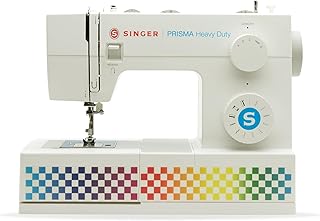
SINGER Heavy Duty 4411 PRISMA High Speed Sewing Machine
Check PriceWhy it stands out
The SINGER 4411 PRISMA is a heavy-duty mechanical machine with 11 built-in stitches and a high speed of 1000 stitches per minute, designed to handle thick fabrics like denim and canvas. It has a metal frame for durability and 60% more power than standard machines, making it ideal for heavy-duty projects.
Key points
- 11 built-in stitches for utility and basic sewing tasks
- 1000 stitches per minute for fast completion of projects
- 60% more power than standard machines for thick fabrics
- Metal frame for stability and long-term durability
Pros
- Handles heavy fabrics like denim, canvas, and leather with ease
- High sewing speed for large projects like curtains or upholstery
- Affordable price point for a heavy-duty machine
- 4-step buttonhole for consistent results
- Portable design for taking to worksites or classes
Cons
- Mechanical design with no computerized features
- Fewer stitches than models designed for decorative sewing
Best for
Beginners who plan to work primarily with heavy fabrics like denim, canvas, or upholstery, and want a durable high-speed machine.
10. Brother CP2160F Computerized Sewing Machine – 60 Stitches and Advanced Threading System
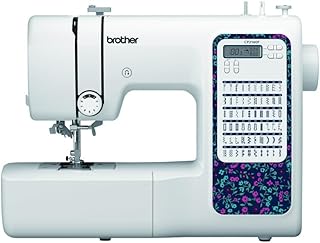
Brother CP2160F Computerized Sewing Machine
Check PriceWhy it stands out
The Brother CP2160F is a compact computerized machine with 60 built-in stitches and an advanced needle threading system that makes setup quick and frustration-free for beginners. It has 7 auto-size buttonholes and an LCD screen for easy stitch selection.
Key points
- 60 built-in stitches including 7 auto-size buttonholes
- Advanced needle threading system for quick, easy setup
- LCD screen for clear stitch selection and settings
- 7 included presser feet for common sewing tasks
Pros
- Compact size fits in small workspaces and apartments
- Automatic needle threader saves time and reduces eye strain
- Intuitive controls for easy use by total beginners
- Drop-in bobbin system with clear cover for monitoring thread supply
- 25-year limited warranty from Brother
Cons
- No wide table included for larger projects
- Not suitable for very heavy or thick fabrics
Best for
Beginners with limited workspace who want a compact computerized machine for basic mending, hemming, and light crafts.
11. SINGER Heavy Duty 4411 Pink Sewing Machine – High Speed and 60% More Power
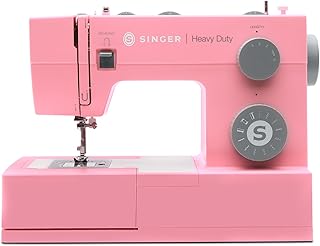
SINGER Heavy Duty 4411 Pink High Speed Sewing Machine
Check PriceWhy it stands out
The SINGER 4411 Pink is a heavy-duty mechanical machine with the same high-speed performance as the standard 4411, but in a vibrant pink finish. It has 11 built-in stitches, 1100 stitches per minute, and 60% more power for handling thick fabrics.
Key points
- 11 built-in stitches for utility and basic sewing tasks
- 1100 stitches per minute for fast project completion
- 60% more power than standard machines for heavy fabrics
- Vibrant pink finish for a stylish addition to any craft room
Pros
- Eye-catching pink design stands out from standard neutral models
- Handles heavy fabrics like denim and canvas with ease
- High sewing speed for large projects
- Metal frame for durability and stability
- Affordable price point for a heavy-duty machine
Cons
- Mechanical design with no computerized features
- Fewer stitches than models for decorative sewing
Best for
Beginners who want a heavy-duty machine with a stylish pink finish, for working with thick fabrics and high-speed projects.
12. Sewing Machine for Beginners with 16 Threads – Double Needle and Adjustable Speed
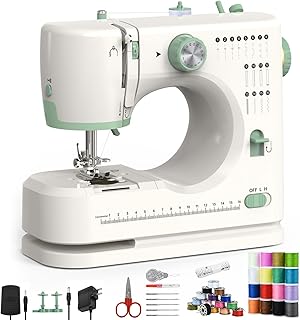
Sewing Machine for Beginners with 16 Threads
Check PriceWhy it stands out
This beginner-focused machine comes with 16 spools of thread, a double needle for parallel stitching, and adjustable sewing speeds to suit new users. It’s designed for daily home sewing, with simple controls and a compact size for small spaces.
Key points
- Includes 16 spools of thread to start projects immediately
- Double needle for parallel stitching and decorative hems
- Adjustable sewing speed for careful control by beginners
- Compact size for small apartments and dorms
Pros
- All-in-one kit with thread and accessories included
- Double needle feature for professional-looking hems
- Extremely affordable for casual home sewing
- Simple controls for total beginners
- Lightweight and portable for travel or classes
Cons
- Not a computerized model, manual stitch selection only
- Limited stitch options for complex projects
Best for
Casual home sewers who want an affordable, all-in-one machine for daily mending and simple sewing tasks.
13. Brother ST371HD Strong & Tough Sewing Machine – 37 Stitches for Heavyweight Fabrics
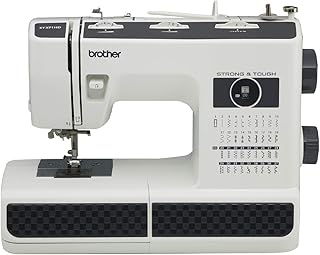
Brother ST371HD Strong & Tough Sewing Machine
Check PriceWhy it stands out
The Brother ST371HD is a heavy-duty mechanical machine designed for heavyweight fabrics, with 37 built-in stitches and 6 quick-change presser feet. It has a metal frame for durability and can handle fabrics like denim, canvas, and multiple layers with ease.
Key points
- 37 built-in stitches for utility, decorative, and heavy-duty tasks
- Quick-change presser feet for fast switching between tasks
- Metal frame for stability and durability with heavy fabrics
- Free arm for sewing cuffs, sleeves, and cylindrical items
Pros
- Handles heavyweight fabrics and multiple layers without jamming
- Affordable price point for a heavy-duty machine
- Simple mechanical controls for easy learning
- 6 included presser feet for common heavy-duty tasks
- 25-year limited warranty from Brother
Cons
- Mechanical design with no computerized features
- Not suitable for delicate or lightweight fabrics
Best for
Beginners who plan to work primarily with heavyweight fabrics like denim, canvas, or outdoor gear, and want a durable, no-frills heavy-duty machine.
How to Choose the Best Beginner Computerized Sewing Machine
Selecting the right beginner computerized sewing machine comes down to matching features to your skill level, project plans, and budget. First, prioritize stitch count: total beginners only need 20–60 stitches for basic mending, hemming, and simple crafts, while those planning to quilt or personalize projects will benefit from 100+ stitches including lettering and decorative options. Look for an LCD display that clearly shows selected stitches and settings, as this eliminates guesswork for new users.
Automatic features are key for reducing frustration: an automatic needle threading system saves time and reduces eye strain, while auto-size buttonholes ensure consistent results every time. Consider included accessories: 6–10 presser feet should cover common tasks like zippers, buttonholes, and blind hems, and a wide extension table is essential if you plan to quilt or work on large home decor projects. Check the machine’s fabric compatibility: entry-level models handle light to medium-weight fabrics like cotton and linen, while heavy-duty models are better for denim, canvas, and leather.
Size and portability matter if you have limited workspace: compact models fit in small apartments, while heavier machines with metal frames offer more stability for frequent use. Finally, check the warranty: Brother and SINGER both offer 25-year limited warranties on most models, which protects your investment as you learn. Avoid machines with overly complex features you won’t use yet, and prioritize user-friendly controls over maximum stitch count if you’re a total beginner.
Mistakes to Avoid When Buying a Beginner Computerized Sewing Machine
Many beginners make costly mistakes when buying their first computerized sewing machine that lead to frustration and wasted money. The biggest mistake is buying a machine with too many advanced features: programmable stitch memory, mirror imaging, and 600+ stitches are unnecessary for total beginners, and can make the learning curve steeper. Stick to models with intuitive controls and 20–100 stitches to start, and upgrade as your skills grow.
Another common mistake is ignoring fabric compatibility: entry-level computerized machines are not designed for thick fabrics like denim or leather, and forcing them to sew heavy materials can damage the motor or gears. If you plan to work with heavy fabrics, choose a heavy-duty model with a metal frame and extra power, even if it’s mechanical. Skipping accessory checks is also a pitfall: some budget models come with only 2–3 presser feet, requiring you to buy extra accessories separately that can add $50+ to your total cost.
Many beginners also buy non-computerized machines to save money, but mechanical models require manual stitch selection, tension adjustment, and threading that can be frustrating for new users. Computerized models with automatic features save time and reduce errors, making them worth the slightly higher price for most beginners. Finally, avoid buying a machine without a warranty: sewing machines have moving parts that can break, and a 25-year limited warranty protects you from defects and repair costs as you learn.
Frequently Asked Questions
1. Are computerized sewing machines good for beginners?
Yes, computerized machines are ideal for beginners because they replace manual dials with clear LCD displays, one-touch stitch selection, and automatic features like needle threading that reduce setup time and errors.
2. How many stitches does a beginner sewing machine need?
Total beginners only need 20–60 stitches for basic mending, hemming, and simple crafts. Those planning to quilt or personalize projects will benefit from 100+ stitches including lettering and decorative options.
3. Do I need a wide table for beginner sewing?
A wide table is only necessary if you plan to quilt or work on large projects like curtains or tablecloths. For basic mending and small crafts, a compact machine without a wide table is sufficient.
4. Can beginner computerized machines handle denim?
Most entry-level computerized machines are designed for light to medium-weight fabrics like cotton and linen. For denim and heavy fabrics, choose a heavy-duty model with a metal frame and extra power.
5. What accessories should a beginner sewing machine include?
Look for at least 6 presser feet (zipper, buttonhole, blind hem, general purpose), an automatic needle threader, and a drop-in bobbin system. A hard case and extension table are nice bonuses for quilting.
6. Are Brother or SINGER better for beginners?
Brother models are generally more user-friendly for total beginners, with intuitive controls and automatic features. SINGER models are better for heavy-duty projects and high-speed sewing.
7. How much should I spend on a beginner computerized sewing machine?
Entry-level computerized machines cost $150–$300, while high-end models with advanced features cost $400+. Stick to $150–$250 for a quality beginner model with all necessary features.
8. Do I need a warranty on a beginner sewing machine?
Yes, most reputable brands offer 25-year limited warranties that cover defects and repair costs. Avoid machines with no warranty, as moving parts can break during the learning process.
9. Can I use a mechanical sewing machine as a beginner?
Yes, mechanical machines are more affordable but require manual stitch selection and adjustment. Computerized models are worth the extra cost for most beginners due to automatic features that reduce frustration.
10. How do I maintain my beginner sewing machine?
Clean the bobbin area regularly, oil the machine as instructed in the manual, and cover it when not in use to prevent dust buildup. Follow the manufacturer’s maintenance guidelines to extend the machine’s lifespan.
Conclusion
Choosing the best beginner computerized sewing machine comes down to balancing your budget, project plans, and skill level. For most total beginners, the Brother CS7000X Computerized Sewing and Quilting Machine is the top pick, offering 70 built-in stitches, a wide extension table, 10 presser feet, and user-friendly controls that make learning to sew stress-free. It’s affordable, versatile, and grows with your skills as you move from basic mending to quilting and complex crafts.
If you’re on a tight budget, the Brother CS5055 or Brother CP2160F offer compact, computerized performance with 60 stitches and automatic features at a lower price point. For beginners interested in quilting, the Brother XR9550 or Brother HC1850 provide massive stitch libraries and wide table compatibility for larger projects. If you plan to work with heavy fabrics like denim or canvas, the SINGER 4411 PRISMA or Brother ST371HD are better choices, even if they’re mechanical.
Remember to avoid machines with overly complex features you won’t use yet, and prioritize automatic functions like needle threading and LCD displays that reduce frustration. All of the models on our list are backed by strong warranties and positive user reviews, so you can buy with confidence knowing you’re getting a quality machine to start your sewing journey. With the right machine, you’ll be creating mended clothes, custom crafts, and quilted projects in no time.
New sewers searching for their first automated machine need both targeted product recommendations and general background on sewing technology. Our top-rated computerized sewing machine models outline key features, price ranges, and user feedback for leading options to simplify your decision-making process. For expert, industry-vetted advice on evaluating sewing machine features, refer to this industry-backed guide to choosing a sewing machine from the Sewing & Craft Alliance. Together, these resources provide both practical buying advice and the foundational knowledge needed to choose a machine that fits your skill level and goals.
While general computerized machine guides and background information are useful, first-time sewers also need advice tailored specifically to new users. Our beginner-focused sewing machine roundup highlights models with intuitive interfaces, clear instructions, and forgiving features that help new users avoid common early mistakes. This guide filters out advanced, complex machines to focus solely on options that prioritize ease of use, making it easy to cross-reference with the computerized models featured in our other roundups.
