
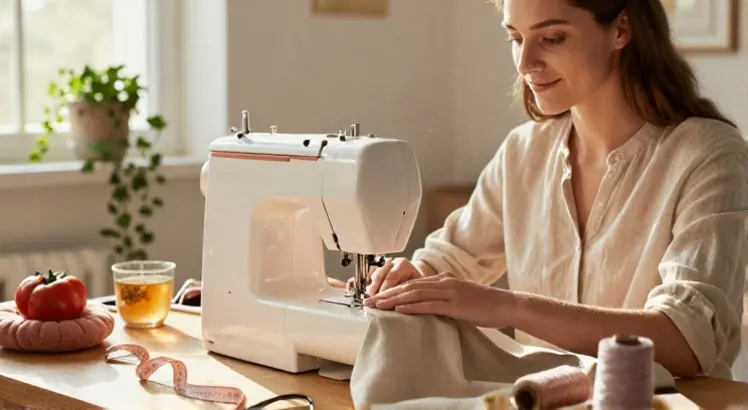
If you’ve ever stood in a fabric store, eyeing a sleek sewing machine and wondering, Are sewing machines easy to operate? you’re not alone. The short answer is: yes, a modern sewing machine is easy to operate once you understand a few core principles. Like learning to ride a bike, the initial ten minutes can feel awkward, but a bit of guided hands-on time quickly builds muscle memory and confidence.
This article unpacks exactly what makes a machine feel intuitive or intimidating, shares realistic expectations for beginners, and gives you a practical roadmap to make your first stitches a success. Let’s thread that needle together.
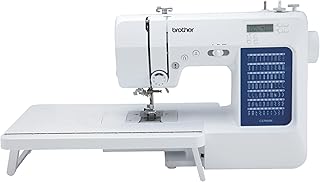
Brother CS7000X Computerized Sewing and Quilting Machine
Check PriceWhat Makes a Sewing Machine Easy or Hard to Use?
The ease of operating a sewing machine isn’t a fixed trait, it depends on three main factors: the machine’s design, your familiarity with its mechanics, and the type of project you’re attempting. Time and again, new sewers tell us that the most intimidating parts are threading the machine correctly, setting the right tension, and controlling the speed with the foot pedal. Break these down, and the mountain becomes a molehill.
Threading and Bobbin Setup
Threading is the number-one barrier for rookies. Many computerized models now include automatic needle threaders and color-coded thread paths. Even basic mechanical machines follow a numbered sequence right on the body. The bobbin winding and insertion process used to be a tedious manual task, but today’s front-load or drop-in bobbins have simplified it dramatically. Spend 10 minutes practicing thread paths without fabric, and your fingers will find the route automatically.
Pro tip: Keep your instruction manual open the first few times. Better yet, watch the manufacturer’s official video for your model. Visual guidance slashes the early overwhelm and shows you how small details, like holding the thread tail when starting, make a huge difference.
Adjusting Tension and Stitch Settings
Tension sounds scary, but it’s simply the balance between the top thread and the bobbin thread. A properly set machine forms stitches that lie flat, with no loops on top or underneath. Most entry-level machines come pre-set at an optimal tension for medium-weight fabrics, so you rarely need to touch the dial. When you do, minor turns solve the problem. Think of it like adjusting the volume on your phone, a quick tweak, not a complicated calibration.
Stitch selection has also become remarkably beginner-friendly. Even budget machines offer a dial or digital panel where you just point and pick. Straight stitch for seams, zigzag for finishing edges, and a buttonhole stitch for closures cover 90% of early projects. You don’t need to navigate 200 decorative stitches to sew a tote bag or pillowcase.
Machine Type: Mechanical vs. Computerized
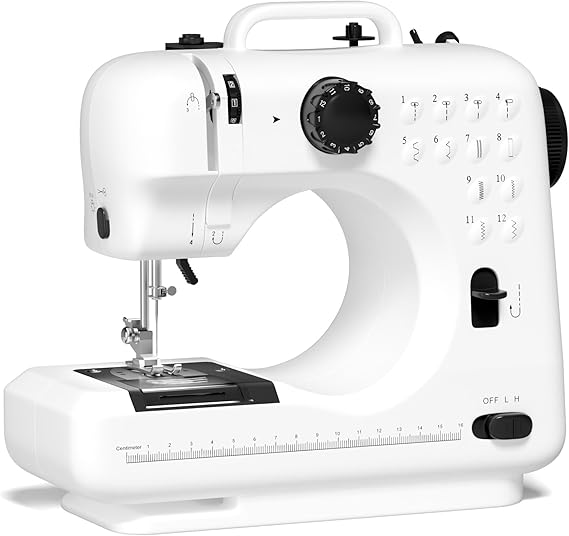
Verdanika Beginner Sewing Machine – 12‑Stitch Portable
Compact 12‑stitch machine with 2‑speed control and starter accessories, suited to beginners and hobbyists working on light projects.
Check PriceMechanical machines use knobs and levers to adjust stitch length, width, and tension. They’re tactile, robust, and teach you exactly how the machine works. Computerized machines offer push-button selection, speed control sliders, and automatic features like thread cutting. Both can be easy to operate. The computer-aided parts actually make the process smoother for many beginners because the machine remembers settings and prevents errors like trying to sew with the presser foot up. If you’re drawn to minimal fuss, a good mechanical machine like a Janome HD1000 feels direct and approachable. If you appreciate guided assistance, a entry-level computerized Brother holds your hand without condescending.
Your confidence will grow faster with a machine that matches your learning style. For a deeper comparison, our guide on best sewing machines for beginners walks through top models that prioritize easy operation.
The Learning Curve: Realistic Expectations for Beginners
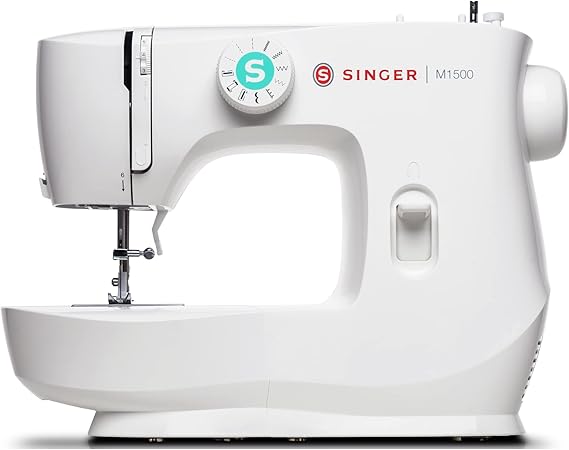
SINGER M1500 – Lightweight & Portable Sewing Machine
Beginner‑friendly mechanical sewing machine with 57 stitch applications, preset settings and LED light. Ideal for everyday mending and simple crafts.
Check PriceA sewing machine is not a mystery box. It’s a tool with a logical sequence: you start the motor, the needle moves up and down, and the feed dogs pull fabric past the needle. The real learning curve lies in coordinating your hands and foot simultaneously. Most beginners can sew a straight seam on scrap fabric within 15 minutes. Sewing a neat curve or pivoting at a corner takes a few hours of practice. Completing a simple project, like a drawstring bag, might happen on day one with proper guidance.
Here’s a typical timeline based on feedback from hundreds of new sewers:
- First hour: Machine setup, threading, bobbin winding, and sewing a straight line on a fabric scrap.
- First week: Controlling speed with the foot pedal, sewing curves and corners, understanding seam allowances.
- First month: Inserting zippers, making buttonholes, working with different fabric types, and feeling comfortable troubleshooting skipped stitches.
- Three months onward: Adjusting tension confidently, using specialty presser feet, and tackling garments and home décor.
The key realization is that operating the machine becomes second nature quickly. What takes longer to develop is the sewing craft itself, fitting patterns, finishing seams neatly, and handling tricky fabrics. The machine operation is the skill you’ll master first.
Practical Tips to Make Sewing Machines Easier to Operate
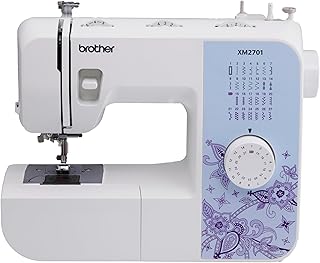
Brother XM2701 Sewing Machine
Check PriceStart with a Beginner-Friendly Machine
Not all machines are created with a newbie in mind. Look for features like a top-loading drop-in bobbin, clearly numbered thread guides, an automatic needle threader, and a speed control slider. Avoid heavy-duty industrial machines or complicated embroidery combo units right out of the gate. A simple mechanical or basic computerized model will reduce the cognitive load. If you’re still unsure which model fits your needs, we’ve outlined the easiest sewing machines to use based on thousands of user experiences.
Use Quality Thread and Needles
Many beginner frustrations, thread bunching, breaking, or skipped stitches, stem from poor-quality thread or a worn needle. Invest in a reputable all-purpose polyester thread like Gütermann or Mettler. Match the needle type and size to your fabric: a universal 80/12 needle handles most cottons, while a microtex or ballpoint needle works better for fine silks or knits. Replace your needle after every 8–10 hours of sewing. This simple maintenance step instantly makes the machine feel easier to operate.
Practice on Scrap Fabric
Before you dive into your main project, dedicate 10 minutes to a practice swatch of the same material. Test your stitch length, tension, and foot pedal control. This warms up your muscle memory and prevents mistakes on your final piece. It’s like a chef tasting before serving, an easy habit that saves hours of unpicking.
Master Essential Controls
Spend an afternoon learning only the essential dials and buttons: presser foot lifter, reverse lever, stitch length, needle position, and the power switch. Ignore the fancy stitches for now. A broader understanding of how your machine functions physically, like how feed dogs grab the fabric, builds real competence. A useful external resource is this beginner-oriented sewing machine anatomy guide, which clarifies every part without technical jargon.
Comparing Sewing Machine Difficulty to Other Crafts
Context helps. If you’ve ever learned to drive a manual car, play a basic chord on a guitar, or use a DSLR camera on manual mode, you already know the pattern: initial awkwardness, then fluidity. Operating a sewing machine is arguably easier than learning to knit because the tool does the repetitive work for you. It’s less physically demanding than hand-sewing. Unlike learning a musical instrument, where each new song presents a new challenge, once you’ve mastered your machine’s operation, it works the same way for a simple hem as for a complex dress. The stability breeds confidence.
Moreover, the sewing community is exceptionally beginner-friendly. Free YouTube tutorials, blog guides, and local classes demystify everything from threading to troubleshooting. The support network shortens the journey from Is this machine hard to operate? to Watch me make this!
Common Questions About Sewing Machine Operation
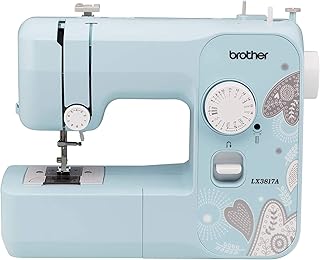
Brother RLX3817A 17-Stitch Sewing Machine (Renewed)
Check PriceHow long does it take to learn a sewing machine?
Most people can learn to thread, wind a bobbin, and sew a straight seam within 30–60 minutes. Comfortable control over speed and curves develops over the first week of regular practice. Full confidence to tackle varied fabrics and zippers typically comes within a month of dedicated hobby time.
What is the hardest part of using a sewing machine?
Survey says: getting the thread tension right for different fabrics. But that’s a minor adjustment, not a permanent struggle. The second most-cited challenge is threading the needle, eliminated entirely if your machine has an automatic needle threader, which even many $150 models include.
Are modern sewing machines easier than vintage ones?
Yes. Modern machines include convenience features like drop-in bobbins, one-step buttonholes, speed control, and clear digital displays. Vintage machines are mechanical masterpieces and highly reliable, but they often lack the automatic threading and jam-proof bobbins that make today’s models so approachable for a complete novice.
Can a sewing machine be self-taught?
Absolutely. Thousands of sewists are self-taught using the machine’s manual, free online video tutorials, and step-by-step beginner projects. The key is to start with a simple project pattern designed for first-timers and resist skipping ahead to complex garments.
Take the First Stitch with Confidence
Are sewing machines easy to operate? For the willing beginner who chooses the right tool and gives themselves grace to learn, the answer is a resounding yes. The machine itself is a collections of simple, repeatable tasks. Thread, select stitch, press foot pedal, that’s the heart of it. The joy of sewing comes from turning that simple operation into creative expression. Grab some scrap fabric, follow your machine’s threading guide, and sew ten straight lines. By line eleven, you’ll wonder why you ever hesitated. The hum of a well-threaded machine is one of the most soothing sounds in the making world, and it’s ready to welcome you.
