
If you’ve been browsing sewing machines, you’ve likely stumbled onto the question are Brother sewing machines good more than once. It’s a fair question. Brother is everywhere, from entry-level craft stores to serious quilting studios. With so many models out there, it’s easy to wonder if you’re getting reliable quality or just clever marketing.
I’ve spent years sewing on different machines, and I’ve worked with enough Brother models to give you a straight answer: yes, Brother sewing machines are genuinely good, but the real value depends on picking the right model for your needs. In this guide, I’ll break down exactly what makes Brother stand out, where they shine, and where you might want to look elsewhere, so you can make a confident choice.
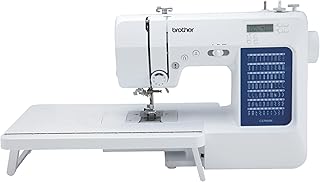
Brother CS7000X Computerized Sewing and Quilting Machine
Check PriceWhat Makes Brother Sewing Machines So Popular?
Brother isn’t just popular because of the price tag. The brand has built a reputation on approachable design, creative features, and solid support. Walk into any sewing studio or scroll through online forums, and you’ll notice Brother is often the machine recommended for beginners and seasoned hobbyists alike. It’s not an accident, Brother invests heavily in user experience.
- Affordable entry points that don’t compromise on essential features.
- An intuitive interface that helps you learn while you sew.
- A rich ecosystem of presser feet, accessories, and tutorials.
- Regularly updated models that reflect what sewists actually want.
When I first mentored beginner sewists, the relief on their faces after using a Brother was real. The automatic needle threader, drop-in bobbin, and clearly marked stitch selection took the fear out of the process. That approachability is a huge part of why people ask “are Brother sewing machines good” and end up coming back to the brand.
Brother Sewing Machine Quality: Are They Built to Last?
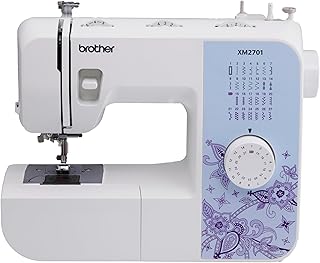
Brother XM2701 Lightweight Sewing Machine
Check PriceBuild Materials and Engineering
One of the most common myths is that Brother machines feel “plasticky” and therefore won’t last. There’s a grain of truth here, many entry-level and mid-range Brother models do use high-impact plastic frames. But that doesn’t automatically mean low durability. Modern engineering allows these frames to absorb vibration and stay lightweight while maintaining structural integrity. I’ve seen basic Brother machines last well over a decade with regular maintenance.
Higher-end Brother models, particularly from the Luminaire, Stellaire, and Entrepreneur lines, feature metal interior frames and commercial-grade components. The real distinction isn’t Brother versus other brands; it’s about matching the machine’s build to your sewing intensity. If you plan to sew heavy denim daily, you’ll want a sturdier build. For garments, quilting, and crafts, even the plastic-heavy machines hold up beautifully.
How Long Do Brother Sewing Machines Last?
With proper care, a Brother computerized machine can run 10–15 years before needing serious service. Mechanical models often push past 20 years. The key is regular cleaning, proper threading, and using the right needles. I’ve encountered Brother machines from the early 2000s still stitching strong in community sewing rooms. Longevity comes down to maintenance, not just brand DNA.
If you want to dive deeper into the very best options, take a look at our guide to the best Brother sewing machine models that we’ve tested and ranked for durability.
Performance Across Different Sewing Styles
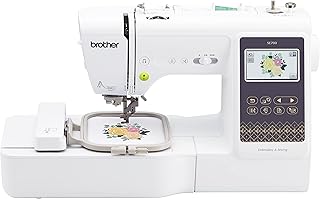
Brother SE700 Sewing and Embroidery Machine
Check PriceIs a Brother Machine Good for Quilting?
Absolutely. Brother dominates the quilter’s market with models like the PQ1500SL, a straight-stitch powerhouse that rivals machines twice its price. Many of their computerized machines offer a generous throat space, extension tables, and quilting-specific stitches. Even the mid-range Innov-ís series handles free-motion quilting smoothly when paired with the right foot.
What makes Brother special here is the attention to fabric feed. Their advanced needle threading system and dual feed options keep layers from shifting. I’ve quilted a king-size top on a Brother NQ900 and was genuinely impressed with the even stitching. It’s not a longarm, but for a domestic machine, the performance is top-tier.
Garment Sewing and Everyday Projects
For garment sewists, Brother machines offer reliable buttonholes, stretch stitches, and plenty of decorative options. The ease of switching between straight stitch and zigzag plus the smooth fabric handling makes them perfect for constructing everything from cotton dresses to knit tops. Beginners love the speed control slider, which takes the panic out of sewing curves.
When I teach new sewists, I intentionally start them on a Brother because the learning curve is so gentle. That confidence boost often leads to more complex projects sooner. And if your focus is home-based sewing, you’ll want to read our recommendations for choosing a Brother machine for home sewing that balances features with daily usability.
Embroidery Capabilities
Brother is a giant in the embroidery space. Their combo sewing-embroidery machines and dedicated embroidery-only models are known for intuitive editing screens, wireless design transfer, and an enormous library of built-in designs. The PE800 and PR series have earned loyal followings because they deliver crisp, professional results without a steep learning curve. If embroidery is your goal, Brother is genuinely one of the top choices, often outperforming competitors in user-friendliness.
Brother vs. Other Brands: How Do They Compare?
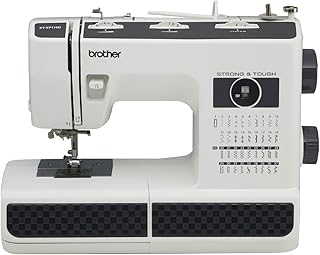
Brother ST371HD Sewing Machine
Check PriceBrother vs. Singer
Singer is a legacy brand with heavy-duty mechanical models and a strong vintage reputation. However, modern Singer machines have faced criticism for inconsistent quality control. Brother, on the other hand, maintains more predictable build quality across their computerized lines. For a beginner, Brother usually wins on ease; for someone who wants a pure workhorse for heavy fabrics, Singer Heavy Duty models can be a draw. It’s not about better, it’s about purpose.
Brother vs. Janome
Janome machines are often praised for superior stitch quality and all-metal construction, even at lower price points. They can feel more “premium” but tend to be pricier and less feature-packed than a similarly priced Brother. A Janome HD1000 is a brilliant mechanical machine, but it won’t have the automatic thread cutter or LCD screen you’ll get on a Brother CS7000X. Both brands are excellent; Brother provides more tech for the dollar.
Brother vs. Bernina
Bernina is the luxury Swiss brand, and its machines are marvels of engineering with a matching price tag. Brother can’t touch that level of precision, but Bernina also can’t touch Brother’s affordability and accessibility. For 95% of home sewists, Brother does everything they need beautifully, while Bernina serves those who want heirloom-quality machinery.
For an unbiased look at how Brother stacks up in the broader market, you can read this detailed comparison, which independently evaluates popular models.
Common Drawbacks of Brother Sewing Machines
No machine is perfect, and Brother has a few known issues that are worth acknowledging honestly:
- Plastic bobbins and cases: Some models come with plastic bobbins that can warp over time. Replacing them with official Brother parts is cheap and easy.
- Software learning curve: High-end embroidery machines have menus that can overwhelm. Once learned, they’re logical, but it takes patience.
- Limited manual feed control on basic models: Ultra-cheap mechanical Brothers may lack presser foot pressure adjustment, which slightly limits fabric capability.
- Noise: Some older or entry-level computerized machines can be a bit louder than equivalent Janome models.
These are minor inconveniences, not deal-breakers. And they’re easily managed when you know they exist. The fact that Brother openly supports replacement parts and has an active online community helps a ton.
User Experience and Support
Ease of Use and Learning Curve
Brother’s user manuals are genuinely helpful, illustrated step-by-step guides that reduce frustration. Features like the automatic thread cutter, knee lift, and quick-set bobbin become second nature quickly. I’ve seen complete novices thread a Brother machine in under two minutes during their very first try. The LCD screens on computerized models show exactly which foot to use and where to set tension, which is a huge confidence builder.
Warranty and Customer Service
Brother typically provides a 25-year limited warranty on the chassis and a 2- to 5-year warranty on electrical components, with 1-year free labor. Their customer service experience varies by region, but in my experience, calling the dedicated sewing support line yields knowledgeable staff who can walk you through troubleshooting. Authorized service centers are widespread, which means repairs are rarely a logistical nightmare.
Who Should Choose a Brother Sewing Machine?
- Absolute beginners: Brother offers the gentlest introduction to sewing without sacrificing future growth.
- Quilters on a budget: The straight-stitch models and mid-range machines provide space and precision for quilting.
- Crafters and home décor stitchers: Extensive decorative stitches and easy buttonholes make projects shine.
- Tech-savvy sewists: Those who appreciate wireless connectivity, USB ports, and machine embroidery will love the innovation.
If your focus is exclusively heavy industrial sewing or you need a machine that can go all day every day on leather and webbing, a semi-industrial straight-stitch machine might serve you better. But for the vast majority of home sewists, Brother is a smart, reliable choice.
Frequently Asked Questions
Are Brother sewing machines suitable for heavy fabrics like denim?
Yes, but choose a model with adjustable presser foot pressure and metal frame components. The Brother PQ1500SL or the ST150HDH, known as the Strong & Tough series, handle multiple layers of denim effortlessly. Even mid-range models can sew jeans hems with the right needle and technique.
Do Brother sewing machines hold their value?
Brother machines, especially popular models like the SE600 and CS7000X, maintain decent resale value. They’re widely recognized, so the used market is active. Higher-end embroidery models tend to depreciate like any technology, but they hold value better than many competitors.
Are Brother sewing machines good for professional use?
Many professional sewists use Brother machines daily, particularly for embroidery and monogramming businesses. For full-time production garment sewing, you might eventually upgrade to an industrial machine, but a Brother can absolutely serve as a professional home studio workhorse.
Can I use generic accessories with a Brother machine?
Yes, generic snap-on presser feet and bobbins designed for low-shank machines often fit. However, I recommend using genuine Brother bobbins for the best stitch quality. Poorly made generics can cause tension problems and wear out the bobbin case.
Conclusion: Is a Brother Sewing Machine Right for You?
After threading up countless machines and guiding sewists through their first projects, I can say without hesitation that Brother sewing machines are not just good, they’re often the smartest choice for value and usability. The brand excels at listening to sewists and packing the features you actually use into a friendly package.
Whether you’re piecing your first quilt, mending clothes, or launching an embroidery side hustle, there’s likely a Brother model that matches your ambition and budget. The real secret is to invest in the right model and care for it like any precision tool. Clean it, oil it, use quality thread, and that Brother machine will stitch faithfully year after year.
