
Many embroiderers struggle to find a book that matches their current skill level and learning style. Some guides are too basic while others assume too much prior knowledge. The right book should build confidence and keep your hands stitching.
Short Answer: The RSN Stitch Bank is the best overall embroidery book for most stitchers. It balances authoritative instruction, clear photos, and comprehensive stitch coverage without overwhelming beginners.
RSN Stitch Bank: 200 Essential Embroidery Stitches
Check PriceBest Embroidery Books of 2026
Exploring the world of embroidery often starts with mastering the best foundational fabrics, and pairing that hands on practice with a trusted reference guide can dramatically flatten the learning curve. Before you take your first stitch, visiting a resource that breaks down the tactile qualities of materials, such as an article explaining why certain weaves are perfect for beginners, will save you from the frustration of snagging and puckering. To complement that practical fabric knowledge, it is also worth diving into the historical and technical definitions found in a comprehensive external source like the Wikipedia overview of embroidery, which provides essential context on the countless regional styles and thread techniques that have evolved over centuries.
1. Embroidery: The Ideal Guide to Stitching – Beginner-Friendly Step-by-Step Guide
Embroidery: The Ideal Guide to Stitching
Check PriceWhy it stands out
This DK guide uses step-by-step photos and clear captions to teach core stitches at a relaxed pace. It works especially well for visual learners who want to build confidence without flipping between confusing diagrams.
Key points
- Step-by-step stitch tutorials with large photos
- Covers essential tools, fabrics, and threads
- Projects build skills in progressive order
- Clean DK layout with clear captions
Pros
- Very beginner friendly
- High quality photography
- Clear progression from basics to projects
- Includes troubleshooting tips
- Suitable for many ages
Cons
- Less comprehensive for advanced stitch variety
- Some projects feel too simple for experienced stitchers
Best for
New embroiderers and visual learners who want a gentle, photo-led introduction to hand embroidery.
2. RSN Stitch Bank: 200 Essential Embroidery Stitches – Definitive Stitch Reference
RSN Stitch Bank: 200 Essential Embroidery Stitches
Check PriceWhy it stands out
Produced with the Royal School of Needlework, this book provides authoritative instructions for 200 stitches. Each entry includes clear photos, step-by-step guidance, and details on common uses, making it a trustworthy desk reference.
Key points
- 200 essential stitches organized by family
- Official Royal School of Needlework guide
- Step photos for each stitch
- Notes on thread, fabric, and stitch use
Pros
- Authoritative content from RSN experts
- Excellent photo clarity for both hands
- Logical stitch grouping
- Durable reference format
- Suitable for intermediate to advanced stitchers
Cons
- Less project-focused than some books
- Dense information may overwhelm absolute beginners
Best for
Serious stitchers and RSN fans who want an authoritative, stitch-focused reference library.
3. The Essential Book of Embroidery Stitches – 100+ Stitches with Step Photos
The Essential Book of Embroidery Stitches
Check PriceWhy it stands out
This book focuses on 100 plus stitches with close-up step photos and written explanations. It is a practical, no-fuss option for stitchers who want to learn stitch mechanics correctly.
Key points
- More than 100 hand embroidery stitches
- Step-by-step photos for every stitch
- Explanations cover threading and tension
- Compact size for easy desk use
Pros
- Straightforward stitch instructions
- Good photo quality
- Helpful for visual learners
- Affordable reference
- Includes common and decorative stitches
Cons
- Limited project inspiration
- Layout can feel cramped on some pages
Best for
Stitchers who want a focused stitch dictionary without many projects or extra design content.
4. Embroidery Stitch Bible – Classic All-in-One Stitch Library
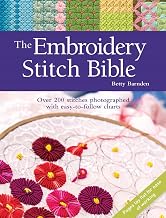
Embroidery Stitch Bible
Check PriceWhy it stands out
Betty Barnden’s Embroidery Stitch Bible remains a classic because it packs over 200 stitches into a compact reference. The color swatches and clear diagrams help you compare stitch effects quickly.
Key points
- Over 200 embroidery stitches
- Color photographs of stitched samples
- Clear diagrams and color swatches
- Covers surface, counted, and canvas stitches
Pros
- Wide stitch variety
- Colorful stitched examples
- Useful for quick reference
- Durable cover
- Includes stitch selection advice
Cons
- Not as detailed as RSN for advanced work
- Step-by-step photos are smaller than some prefer
Best for
Intermediate embroiderers who want a portable, all-purpose stitch dictionary with visual samples.
5. Hand Embroidery Stitches At-A-Glance – Pocket Carry-Along Reference
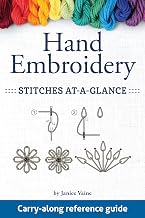
Hand Embroidery Stitches At-A-Glance
Check PriceWhy it stands out
This pocket-size Landauer guide shows step-by-step illustrated instructions for 30 favorite stitches. It is designed to live in your project bag and answer quick questions while stitching.
Key points
- Pocket-size carry-along format
- Illustrated how-to for 30 stitches
- Includes needle and thread charts
- Tips for stitch placement and use
Pros
- Extremely portable
- Quick-glance reference
- Compact easy guide
- Great for travel
- Clear illustrations
Cons
- Limited to 30 stitches only
- Not a comprehensive project book
Best for
Beginners and traveling stitchers who need a lightweight, quick reference for basic stitches.
6. The Stitch Bible – 225 Stitches and Techniques
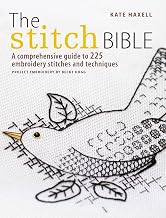
The Stitch Bible
Check PriceWhy it stands out
This comprehensive guide covers 225 embroidery stitches and a broad range of techniques. It is a solid choice for crafters who want to explore both surface embroidery and counted thread work.
Key points
- 225 stitches and techniques
- Step-by-step diagrams and photos
- Includes projects to practice new skills
- Covers many embroidery styles
Pros
- Large stitch collection
- Clear technique explanations
- Practice projects included
- Good for expanding skills
- Useful for beginners and improvers
Cons
- Some sections feel brief
- Physical size may be less portable
Best for
Crafters who want one general reference that covers many stitch styles and includes practice projects.
7. The Embroidery Book – Visual Resource of Color and Design
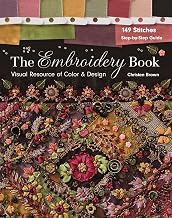
The Embroidery Book: Visual Resource of Color and Design
Check PriceWhy it stands out
This visual resource focuses on color, design, and creative stitch placement rather than just stitch mechanics. It helps stitchers plan original projects with confidence.
Key points
- Color and design inspiration
- Visual guides for color and design
- Showcases stitch combinations
- Encourages artistic embroidery choices
Pros
- Beautiful color inspiration
- Helps develop original designs
- Great for advanced beginners
- Includes visual examples
- Sparks creativity
Cons
- Not a stitch dictionary for basics
- Kindle format may not suit hands-free reference
Best for
Creative stitchers who know basic stitches and want to explore color, design, and artistic embroidery projects.
8. Big Book of Embroidery – 250 Stitches with 29 Creative Projects
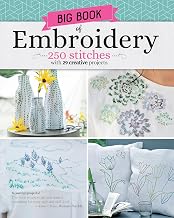
Big Book of Embroidery
Check PriceWhy it stands out
This Landauer book pairs 250 stitches with 29 creative projects, so you can learn a stitch and immediately apply it. The range of designs includes decor, shirts, and linens.
Key points
- 250 stitches with 29 projects
- Essential techniques and stitch guide
- Projects for decor, shirts, and linens
- Includes loop, straight, cross, woven, split stitches
Pros
- Strong project to stitch ratio
- Versatile project styles
- Clear stitch guide
- Useful for practical gifts
- Builds confidence through application
Cons
- Large size may be less portable
- Some projects require additional supplies
Best for
Stitchers who prefer learning through projects and want a broad stitch guide with home decor ideas.
9. Hand Embroidery Dictionary – 500+ Stitches and Design Ideas
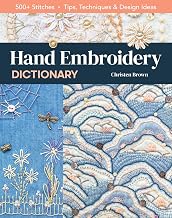
Hand Embroidery Dictionary
Check PriceWhy it stands out
With more than 500 stitches, this dictionary is one of the largest stitch collections available. It also includes tips, techniques, and design ideas for both hand and surface embroidery.
Key points
- 500 plus stitches
- Tips and techniques included
- Design ideas for projects
- Detailed index for quick lookup
Pros
- Extensive stitch variety
- Great for advanced stitchers
- Includes helpful technique notes
- Supports creative design
- Long-term reference value
Cons
- Can be overwhelming for complete beginners
- Fewer project step-by-steps than dedicated project books
Best for
Advanced stitchers and stitch collectors who want an exhaustive dictionary of hand embroidery options.
10. Embroidery Stitching Handy Pocket Guide – 30+ Basic Stitches
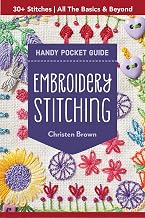
Embroidery Stitching Handy Pocket Guide
Check PriceWhy it stands out
This pocket guide keeps 30 plus essential stitches close at hand. It is ideal for quick stitch reminders and foundational practice without carrying a heavy book.
Key points
- Over 30 basic stitches
- Pocket size for stitching on the go
- Step-by-step diagrams
- All basics and some beyond basics
Pros
- Very portable
- Simple clear diagrams
- Great for beginners
- Inexpensive quick reference
- Easy to use in class or travel
Cons
- Limited stitch count
- Not for advanced decorative techniques
Best for
New embroiderers and busy stitchers who want a small, simple reference for common stitches.
11. Hand Embroidery Made Simple – Beginner Guide with Patterns
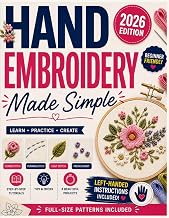
Hand Embroidery Made Simple
Check PriceWhy it stands out
This beginner guide stands out because it includes full-size patterns and left-handed instructions. It also explains how to fix mistakes and finish projects neatly.
Key points
- Essential stitches for beginners
- Full-size patterns included
- Left-handed instructions provided
- Covers fixing mistakes and finishing
Pros
- Very beginner friendly
- Includes patterns
- Addresses left-handed stitchers
- Clear troubleshooting advice
- Teaches project finishing
Cons
- Limited stitch variety for advanced work
- Relatively new title with fewer reviews
Best for
Absolute beginners and left-handed stitchers who want step-by-step guidance, patterns, and mistake fixing tips.
12. Hand Embroidery, One Full Page Per Stitch – Beginner Visual Stitch Guide
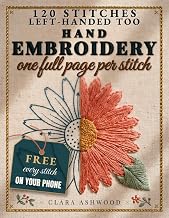
Hand Embroidery, One Full Page Per Stitch
Check PriceWhy it stands out
This guide dedicates a full page to each of 120 stitches with big numbered diagrams for left and right hands. The generous spacing makes it easier to see and follow each step.
Key points
- 120 stitches with one full page per stitch
- Big numbered diagrams
- Instructions for left and right hands
- 50 plus heirloom projects
Pros
- Excellent for visual clarity
- High-contrast diagrams
- Suitable for left-handed stitchers
- Projects for gift making
- Gentle beginner pace
Cons
- Large page count may feel bulky
- Not as comprehensive as advanced dictionaries
Best for
True beginners and visual learners who need large diagrams and a slow, clear stitch-by-stitch approach.
13. A-Z of Embroidery Stitches – Complete Manual for All Levels
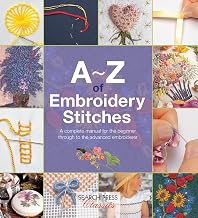
A-Z of Embroidery Stitches
Check PriceWhy it stands out
This A to Z manual covers a complete range of embroidery stitches from beginner to advanced. It is part of the trusted A-Z Needlecraft series and is known for clear photographic instructions.
Key points
- Complete manual for all skill levels
- Alphabetical stitch organization
- Step-by-step photos
- Part of the A-Z Needlecraft series
Pros
- Easy alphabetical lookup
- Good for progressive learning
- Clear photo instructions
- Covers many stitch families
- Trusted series quality
Cons
- Alphabetical order may not group similar stitches
- Some advanced sections assume prior knowledge
Best for
Stitchers at any level who prefer alphabetical lookup and want a complete manual that grows with their skills.
How to Choose an Embroidery Book
Start by identifying your current skill level. Beginners need large step-by-step photos, simple projects, and troubleshooting help. Intermediate stitchers may want more stitch variety and technique notes. Advanced embroiderers often prefer dictionaries with hundreds of stitches.
Think about how you learn best. Visual learners should choose books with large photos or full-page diagrams. If you like structured practice, pick titles with projects that build skills in order. Quick reference readers will appreciate pocket guides and alphabetical indexes.
Consider the type of embroidery you want to stitch. Some books focus on surface hand embroidery, while others include counted and canvas work. If you plan to make home decor or gifts, look for project-heavy books with clear material lists.
Finally, check the book format. Spiral or lay-flat bindings are easier to use while stitching. Pocket guides are great for travel but have limited stitch counts. A larger reference can stay at home while a small guide travels with your project bag.
Compare stitch counts, but do not assume more is always better. A smaller book with excellent diagrams may teach you more than a dense 500 stitch dictionary. Choose accuracy and clarity over sheer volume when you are just starting.
Mistakes to Avoid When Buying Embroidery Books
One common mistake is buying a book that is too advanced for your current skill level. A huge dictionary may look impressive but can overwhelm you with too many choices. Start with a foundation guide and add specialized references later.
Another mistake is ignoring how you prefer to learn. If you need large photos, do not choose a tiny pocket guide with small diagrams. On the other hand, experienced stitchers may waste money on very basic beginner titles.
Do not overlook the binding and physical format. A stiff spine that keeps closing will frustrate you while you try to stitch. Look for lay-flat or spiral bindings if you plan to follow along with the book open on your lap.
Many stitchers forget to check whether a book includes left handed instructions. If you stitch with your left hand, this detail can save hours of mental flipping. Also check if the photos clearly show thread and fabric details.
Finally, avoid buying multiple stitch dictionaries with overlapping content. Instead, choose one comprehensive reference and spend the rest of your budget on project or design books. This keeps your library focused and your practice consistent.
FAQ: Embroidery Books
What is the best embroidery book for absolute beginners?
Hand Embroidery Made Simple and Embroidery: The Ideal Guide to Stitching are both excellent. They include step-by-step photos, simple projects, and guidance on fixing mistakes.
Which embroidery book has the most stitches?
Hand Embroidery Dictionary offers more than 500 stitches. The Big Book of Embroidery and The Stitch Bible also provide large stitch collections with projects and techniques.
Are there embroidery books for left-handed stitchers?
Yes. Hand Embroidery Made Simple and Hand Embroidery, One Full Page Per Stitch include left-handed instructions and mirrored diagrams.
What is the best pocket embroidery guide?
Hand Embroidery Stitches At-A-Glance and Embroidery Stitching Handy Pocket Guide are small, portable options. They cover 30 plus essential stitches and travel well.
Which book is best for visual learners?
Embroidery: The Ideal Guide to Stitching and Hand Embroidery, One Full Page Per Stitch use large photos or full-page diagrams. They make stitch steps easier to see.
Do I need different books for different skill levels?
Not always. A-Z of Embroidery Stitches and RSN Stitch Bank can serve beginners through advanced stitchers. Choose one complete reference and add project books later.
Are these books suitable for machine embroidery?
Most of these titles focus on hand embroidery. The Stitch Bible may include broader techniques, but check the description if you need machine embroidery guidance.
What should I look for in an embroidery stitch dictionary?
Look for clear step photos, stitch grouping, and instructions for both hands. A good index and visible diagrams help when you need quick answers.
Can I learn embroidery from a book alone?
Yes. Many stitchers learn successfully from books with step-by-step photos and projects. Paired with online videos, books become even more effective reference tools.
Which embroidery book is best for gift projects?
Big Book of Embroidery and Hand Embroidery, One Full Page Per Stitch include many projects for gifts. They provide practical ideas for decor, linens, and heirloom pieces.
Conclusion
The best embroidery book for you depends on your skill level, learning style, and project goals. Beginners benefit from clear step-by-step photos and simple patterns. Advanced stitchers may prefer a large stitch dictionary with design inspiration.
RSN Stitch Bank offers the best overall balance of authority, clarity, and comprehensive stitch coverage. Pocket guides like Hand Embroidery Stitches At-A-Glance are perfect for on the go stitching. Project-focused books like Big Book of Embroidery help you apply new skills quickly.
Build a small library that includes one main reference, one project book, and one portable guide. This combination covers learning, practice, and travel without overwhelming your shelf. You can always add specialized titles as your interests grow.
Remember that the right book should make stitching more enjoyable, not more confusing. Choose books with clear photos and instructions that match your dominant hand. A good embroidery book will support you for years and become a trusted tool.
Once you have identified the ideal fabric and have a grasp on the visual language of the craft, the next logical step is to physically transfer your design onto the material without damaging it. This is where understanding the purpose of specific tools becomes invaluable, and a detailed guide on whether hoops are truly a necessity or just a preference will help you achieve the consistent tension required to stop your fabric from warping.
By learning exactly how drum tight tension prevents distorted stitches, you can confidently decide whether to work with a hoop in your lap or rely on a stand to free up both hands for more complex thread painting.
