
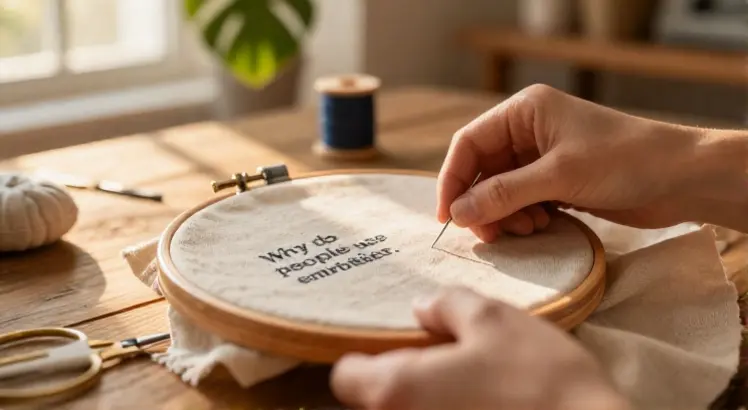
Embroidery hoops are a familiar sight in any stitching kit, but their purpose goes far beyond simple convenience. These circular or oval frames hold fabric taut while you work. Without that stability, your needle and thread can easily distort the material. Understanding why people use embroidery hoops helps you produce cleaner, more professional looking designs.
What Is an Embroidery Hoop and How Does It Work?
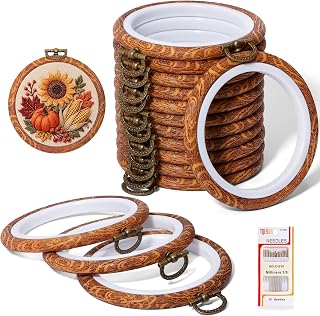
Caydo 4 Inch Embroidery Hoops Display Frame
Check PriceAn embroidery hoop consists of two rings that fit snugly together. The inner ring is solid, while the outer ring has an adjustable screw or spring mechanism. You place your fabric over the inner ring, then press the outer ring down over it. Tightening the screw or spring locks the layers in place, creating a drum tight surface.
The hoop works by applying even tension across the fabric in all directions. That tension keeps the threads from shifting as the needle passes through. It also helps you see the weave of the fabric more clearly. Many stitchers find it easier to count threads or follow a pattern when the material is stabilized.
Different hoop sizes suit different design areas. A small hoop works for tiny motifs, while a larger hoop covers more ground without repositioning. The key is to choose a hoop that fits your project without catching too much excess fabric in the clamp.
Why Tension Control Matters for Stitch Quality
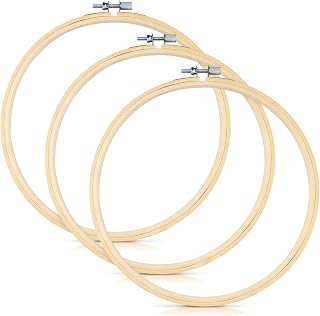
TINDTOP Bamboo Embroidery Hoops 8 Inch
Check PriceTension is the single most important reason people use embroidery hoops. Without proper tension, your fabric can pucker around each stitch. Loose fabric also allows the needle to push the fibers apart instead of piercing cleanly. That leads to uneven stitch sizes and a messy final piece.
When the fabric is held taut, each stitch lies flat and uniform. The thread tension stays consistent because the ground fabric does not move. This is especially important for detailed work like satin stitch or French knots. A hoop gives you a stable foundation for precise, repeatable results.
Stitch tension on the fabric also affects how the finished embroidery looks after washing. Tightly stretched fabric during stitching prevents permanent creases. The design will hold its shape better over time. For long term durability, proper hoop tension is non negotiable.
How Hoops Prevent Fabric Puckering and Distortion
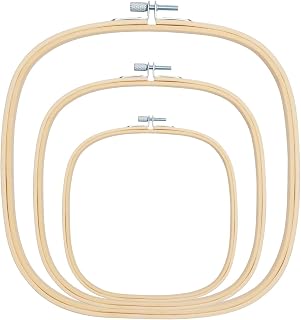
Caydo Square Embroidery Hoops Set
Check PriceFabric puckering happens when the material gathers around dense stitching. This is common on lightweight fabrics like cotton lawn or silk. A hoop stretches the fabric flat before you start, so the stitches cannot pull it inward. The result is a smooth, even surface.
Distortion also occurs when you stitch through multiple layers or stretchy materials. Hoops keep knit fabrics from stretching out of shape. The frame holds the fibers in place, preventing wavy edges or uneven design outlines. For stretchy or slippery fabrics, a hoop is almost mandatory.
Some embroiderers wrap the inner ring with a thin fabric strip to improve grip. That extra layer reduces slipping and ring marks on delicate textiles. Removing the hoop after each stitching session also helps prevent permanent creases. Small habits like these keep your fabric looking pristine.
The Role of Hoops in Hand Embroidery vs Machine Embroidery
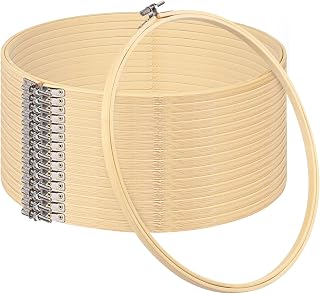
GNIEMCKIN Bamboo Embroidery Hoops 12 Inch
Check PriceHand embroiderers use hoops mainly for tension and control. The hoop frees up both hands to manage the needle and thread. Many traditional techniques like crewel and goldwork require a hoop. Without one, the fabric would bunch under the dense stitching.
Machine embroidery hoops are designed differently from hand hoops. They often have a rectangular shape and snap onto the machine. The hoop holds the fabric and stabilizer together while the machine moves them under the needle. Machine hoops are usually plastic and have precise alignment marks.
Both types of hoops serve the same core purpose: immobilizing the fabric. However, machine hoops must withstand high speed needle movement. They are often reinforced and calibrated for exact repeat stitching. Hand hoops can be simpler because the needle moves slowly.
Types of Embroidery Hoops and Their Specific Benefits
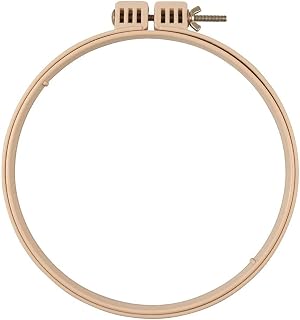
Morgan Products Plastic No-Slip Hoop 7 Inch
Check PriceWooden hoops are the most traditional choice. Bamboo hoops are lightweight, affordable, and grip fabric well. Hardwood hoops with a brass screw last for decades. Many stitchers prefer the natural feel of wood against their hands.
Plastic hoops often include a lip or ridge that locks the rings together. That feature prevents the fabric from slipping, even on smooth materials. Plastic hoops are also easy to clean and do not warp with humidity. For machine embroidery, plastic is the standard.
Spring tension hoops use a metal spring instead of a screw. They are very quick to attach and remove. Flexi hoops have a vinyl outer ring that stretches over the inner ring, creating a decorative frame. Each type has a place depending on your project needs and personal preference. For authoritative guidance on hoop selection, visit Needle n Thread.
Common Mistakes When Using an Embroidery Hoop
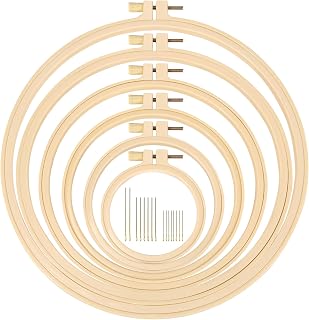
Caydo Embroidery Hoops with Needles Set
Check PriceOver tightening the screw can crush fabric fibers and leave permanent ring marks. It can also distort the weave, making the finished piece look stretched. The fabric should be drum tight, but not so tight that you hear a ripping sound. A gentle tug is enough to check tension.
Leaving the hoop on for days or weeks can cause deep creases. Always remove the hoop when you finish a stitching session. If you need to pause mid project, loosen the screw slightly. This simple habit preserves the fabric texture.
Using the wrong hoop size is another common error. A hoop that is too small forces you to reposition constantly. A hoop that is too large makes the fabric sag in the middle. Choose a hoop that matches the design area plus a small margin around it.
How to Choose the Right Embroidery Hoop for Your Project
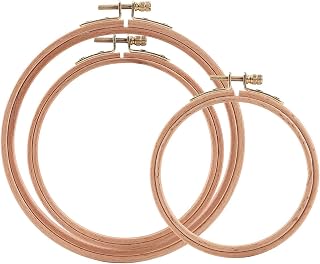
Sherbo Beech Wood Embroidery Hoops Set
Check PriceStart by measuring the widest point of your embroidery design. Add about one inch on each side for a comfortable margin. That total width tells you the minimum hoop diameter you need. For very detailed work, a slightly larger hoop reduces the need to move the fabric.
Consider the fabric type when choosing hoop material. Slippery fabrics like satin benefit from plastic hoops with a no slip ridge. Natural fibers like cotton and linen work beautifully in wooden hoops. Thick fabrics such as denim require a sturdy hardwood hoop.
If you stitch for long hours, look for a hoop with a padded grip or a stand. A floor stand holds the hoop for you, freeing both hands. This reduces hand fatigue and improves stitch accuracy. You can find more options in our best embroidery hoops guide.
Can You Embroider Without a Hoop? Pros and Cons
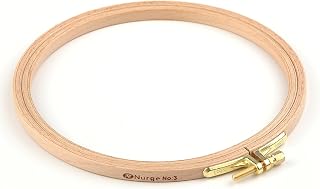
Nurge Premium Beech Wood Embroidery Hoop
Check PriceYes, you can embroider without a hoop for certain projects. Small motifs on stiff fabric often work fine without any frame. Experienced stitchers sometimes stitch in hand for quick, casual pieces. However, the risk of puckering and uneven tension increases significantly.
Stitching in hand means you must constantly manage fabric tension with your fingers. That is tiring and nearly impossible for large or dense designs. A hoop eliminates that struggle and lets you focus on the needlework itself. For most beginners, a hoop is the fastest path to neat results. Learn more about this topic on our page about embroidering without a hoop.
The only real downside to using a hoop is the initial setup time and possible ring marks. Those are minor compared to the benefits of stable tension. You can avoid ring marks by removing the hoop frequently and wrapping the inner ring. Overall, the pros of using a hoop far outweigh the cons.
Frequently Asked Questions About Embroidery Hoops
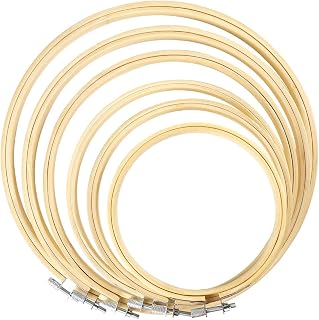
Caydo Bamboo Embroidery Hoop Set
Check PriceWhat size embroidery hoop is best for beginners?
A 6 or 7 inch hoop is a great starting size. It fits most small to medium motifs and is easy to hold. Large hoops are harder to manage, while tiny hoops require frequent repositioning. Start with a bamboo hoop in that range for comfort and grip.
Can I leave my project in the hoop overnight?
It is best to loosen the hoop or remove it completely. Leaving fabric stretched overnight can create stubborn creases. Those creases are difficult to iron out, especially on delicate fabrics. Loosen the screw slightly before you set your work aside.
How tight should an embroidery hoop be?
The fabric should feel like a drum skin. Tap the center lightly with your finger. It should not sag or ripple. Avoid over tightening, which can distort the weave and leave permanent marks.
Do I need a different hoop for machine embroidery?
Yes, machine embroidery requires specialized hoops that attach to your machine. These hoops are often rectangular and include slots for alignment. They work with stabilizers to keep the fabric flat under high speed stitching. Hand hoops will not fit a machine.
Conclusion
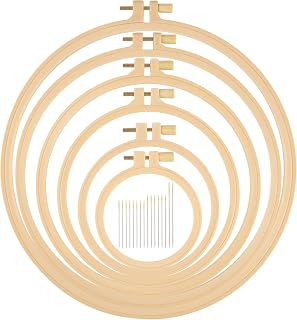
Plastic Embroidery Hoops with Needles Set
Check PricePeople use embroidery hoops because they solve the fundamental challenge of fabric stability. A hoop gives you even tension, prevents puckering, and improves stitch consistency. The right hoop makes hand embroidery easier and machine embroidery more precise.
Whether you choose bamboo, hardwood, or plastic, selecting a well made hoop is a smart investment. Avoid common mistakes like over tightening and leaving the hoop on too long. With proper use, an embroidery hoop becomes an essential tool for every project.
Ready to start stitching? Explore our detailed comparisons and reviews to find the perfect hoop for your needs. Your next masterpiece will look cleaner, flatter, and far more professional with the right frame in hand.
