
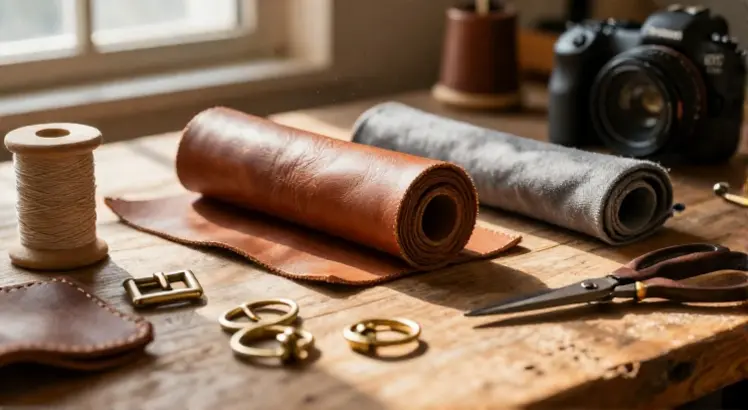
Choosing the right material for making bags is the single most important decision when you start a sewing project. The fabric you pick determines how your finished bag looks, how long it lasts, and how well it holds its shape. Whether you are sewing a sturdy canvas tote, a sleek leather crossbody, or a lightweight drawstring backpack, you need a material that matches the bag’s purpose and your skill level. I have spent years experimenting with different bag fabrics, and I have learned through trial and error which ones work, which ones frustrate beginners, and which ones hold up to daily abuse. This guide walks you through all the common and not-so-common materials for bag making, explains their pros and cons, and helps you pick the perfect one for your next project.
Why the Right Material for Making Bags Matters
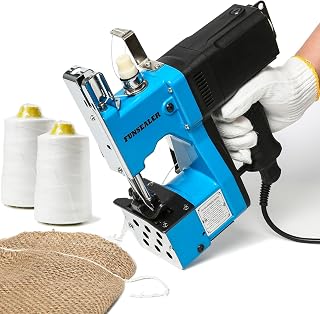
FunSealer Portable Bag Closing Machine
Check PriceBags take a lot of punishment. They hold weight, rub against clothing, get tossed onto floors, and face rain and sun. A fabric that works beautifully for a dress may stretch out, fray, or tear within weeks when used for a bag. Picking a strong material for making bags means you will not have to repair or replace your project soon after finishing it. The wrong choice can also make sewing a nightmare. Some materials slip under the presser foot, some fray like crazy, and some are so thick they jam home sewing machines. Understanding fabric weight, weave, fiber content, and finishing treatments gives you confidence before you cut into that precious yardage.
Common Natural Materials for Making Bags
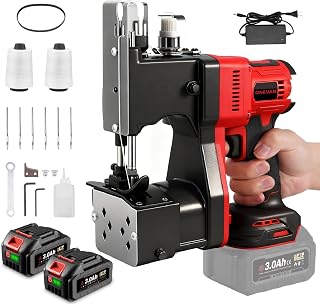
ONEVAN Cordless Bag Sewing Machine with 2×3.0Ah Batteries
Check PriceCotton Canvas
Cotton canvas is the workhorse of bag making. It is durable, easy to sew, and takes interfacing and interfacings beautifully. You will find it in tote bags, market bags, and casual backpacks. Canvas comes in various weights; 10 oz to 12 oz is ideal for everyday bags that need body, while lighter duck canvas around 7 oz works for linings or softer styles. Because canvas has a tight plain weave, it resists snagging and holds stitches securely. It also accepts dyes and prints, so you can customize it easily. For a much deeper look at fabric performance, read our comprehensive fabric selection guide that compares durability across all types.
Linen and Linen Blends
Linen is breathable, eco-friendly, and gives bags a relaxed, summery vibe. Pure linen wrinkles and can soften excessively with use, so I recommend a medium-weight linen or a linen-cotton blend for small pouches, lunch bags, or light market totes. Linen has natural slubs and texture that hide dirt well, but it lacks the raw strength of canvas. If you are making a bag that will carry heavy books, linen alone may sag. Fusible interfacing solves that problem and still lets the fabric’s beauty show.
Denim
Upcycled denim from old jeans is a fantastic material for making bags. Denim is thick, abrasion-resistant, and develops a lovely worn-in character. Use the legs for structured totes, crossbody bags, or even bucket bags. Because denim is heavy, you need a sturdy machine needle (size 90/14 or 100/16) and strong polyester or topstitching thread. Keep layers flat when sewing across seams to avoid broken needles.
Leather and Suede
Genuine leather, suede, and faux leather create high-end looking bags with excellent longevity. Leather is a material for making bags that lasts decades when cared for properly. It can be sewn on a heavy-duty domestic machine with a leather needle and a walking foot, though very thick leathers may require a specialty machine. Suede offers a soft, velvety finish but shows wear more quickly. If you are new to leather, start with pre-punched kits or soft garment leather that is under 2 oz in thickness.
Synthetic and Blended Materials for Making Bags
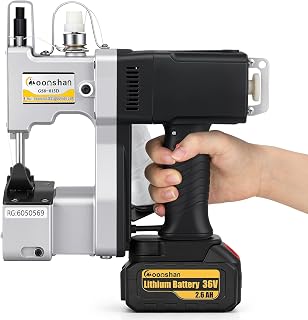
Moonshan Cordless Bag Closing Machine
Check PriceNylon and Cordura
Nylon fabrics, especially Cordura, are the go-to choice for backpacks, gym bags, and outdoor gear. They resist abrasion, water, and tearing better than almost any natural fiber. Lightweight ripstop nylon is perfect for packable shopping bags, while heavy denier Cordura stands up to serious rough handling. Sewing nylon requires a microtex or sharp needle, and you may want to use a Teflon presser foot because the surface can be slippery.
Polyester and Vinyl (PVC)
Clear vinyl and polyester outdoor fabrics give bags a modern, waterproof look. They are popular for makeup bags, wet bags, and festival pouches. Vinyl does not fray, so you can leave edges raw for a sleek effect, but it is prone to needle holes that do not close up. Use a longer stitch length and sewing clips instead of pins. Polyester fabrics like faux leather and laminated cotton offer a glossy finish and are easier to sew than real leather while still being a tough material for making bags.
Cork Fabric
Cork fabric is a sustainable, vegan alternative to leather that is surprisingly durable. It feels like a cross between leather and suede, is lightweight, and resists water. Cork does not fray, so it is excellent for clutches, wallets, and handbags. Sew it with a microtex needle and a walking foot for best results. Because cork is thin, adding a layer of fusible fleece gives it more body without bulk.
Specialty and Luxe Materials
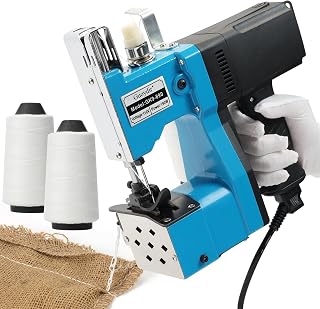
Guoydir Portable Handheld Sewing Machine Heavy Duty
Check PriceWaxed Canvas and Oilcloth
Waxed canvas is canvas infused with wax, giving it water resistance and a rugged patina that ages beautifully. It is stiffer than regular canvas and can stand up on its own without heavy interfacing. Oilcloth is a laminated cotton with a glossy, wipe-clean surface. Both are excellent materials for making bags meant for damp environments, like diaper bags or lunch bags. Sew with a longer stitch and avoid ironing directly on the coated side.
Jute and Hemp
Jute and hemp are coarse, plant-based fibers with a rustic charm. They work well for beach bags, burlap-style totes, and decorative storage. Jute sheds a lot and can be itchy to handle, so line your bag with a smooth cotton. Hemp is stronger than jute and softens over time, making it a more comfortable option. Both fibers can be hard on scissors and rotary blades, so keep your tools sharp.
How to Choose the Right Material Based on Bag Type
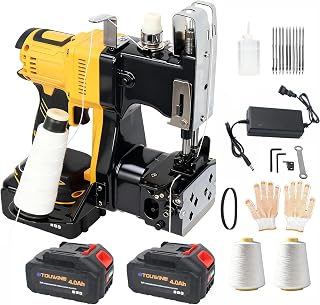
BTOUWIND Bag Sewing Machine with 2×4.0A Batteries
Check Price- Tote bags: Medium-weight canvas, denim, or waxed canvas. They hold shape and carry groceries, books, or beach gear.
- Backpacks: Cordura nylon, heavy polyester, or leather. You need abrasion resistance and strength at stress points.
- Purses and handbags: Leather, cork, faux leather, or upholstery-grade fabrics. They demand a polished finish and the ability to hold structure.
- Drawstring and produce bags: Lightweight linen, mesh, or ripstop nylon. Breathability and low weight matter here.
- Clutches and evening bags: Satin, velvet, brocade, or metallic faux leather. These are fashion-first fabrics that may need heavy interfacing to keep shape.
- Wet and toiletry bags: Laminated cotton, clear vinyl, or oilcloth. Water resistance and wipe-clean surfaces are essential.
Do not overlook the lining. A bag is only as good as its inside, and the lining fabric must be smooth, tightly woven, and strong. Slippery polyester linings make it hard to find items, so many sewists prefer lightweight cotton or cotton-poly blends. I cover this in detail in my article about lining fabric choices for handmade bags, including how to match the lining weight to the outer material.
Essential Tips for Working with Bag Fabrics
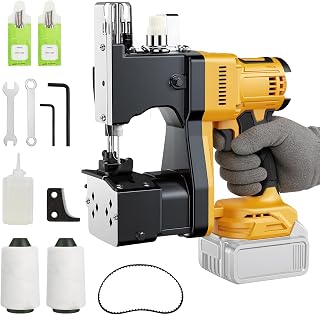
CAMXTOOL Cordless Bag Sewing Machine Compatible with Dewalt 20V Max
Check PriceNo matter which material for making bags you choose, good technique makes the difference between a professional-looking bag and one that falls apart. Here are my top tried-and-true tips from years of sewing bags.
- Use the correct needle. Universal needles work for cotton canvas, but switch to microtex for vinyl, leather needles for leather, and denim needles for heavy jean fabric. A dull needle snags and ruins your work.
- Choose strong thread. All-purpose polyester thread is fine for light totes, but heavy-duty nylon or bonded polyester thread is best for stress points. Topstitching with heavier thread adds strength and style.
- Stabilize with interfacing. Even sturdy fabrics often need a crisp interfacing like Pellon SF101 or a heavy fusible fleece. It prevents stretching at the handles and gives the bag body. Test on a scrap first.
- Reinforce seams. Back-tack at the start and end of every seam. For handles and straps, sew an X-box or bartack across the attachment points. This simple step is what keeps a bag from tearing under load.
- Clip, do not pin, synthetic leathers and vinyls. Pins leave permanent holes. Use wonder clips or binder clips to hold layers together.
- Press carefully. High heat can melt synthetic fabrics or ruin waxed finishes. Use a pressing cloth and a lower temperature setting, or finger-press seams open on vinyl.
Blending Materials for Unique Bags
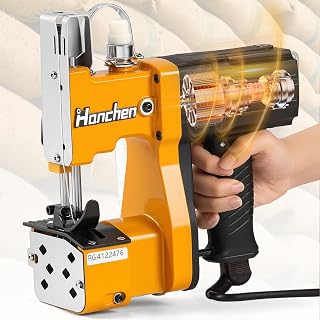
Hanchen Bag Sealing Machine
Check PriceOne of the most enjoyable parts of bag making is combining materials. A canvas body with leather straps adds elegance, while a cork exterior with a bright cotton lining gives a playful surprise. You can use contrast fabrics on pockets, flaps, or gussets. Just make sure the weights are compatible. For example, pairing heavy denim with lightweight silk is difficult because the thinner fabric gets chewed up in the seam. When mixing, sew with a needle suitable for the thickest layer and baste first if fabrics shift.
For additional guidance from trusted experts, The Applegreencottage has an excellent roundup of expert-recommended bag fabrics that complements this discussion.
Frequently Asked Questions About Material for Making Bags
What is the best material for a beginner to use for making a bag?
Cotton canvas in the 8 oz to 10 oz range is the most beginner-friendly. It does not slip, does not fray excessively, and presses easily. You can find it in countless colors and prints, and it forgives small mistakes better than leather or vinyl.
Can I use quilting cotton for bags?
Yes, but quilting cotton alone is too lightweight and flimsy for a structured bag. Always fuse a medium-weight interfacing like Pellon 931TD to the entire piece. Quilting cotton works well for linings, small drawstring pouches, or as a decorative exterior when paired with a stronger base fabric.
What material lasts the longest for bags?
Full-grain leather and high-denier Cordura nylon are the longest-lasting materials. Both resist tearing, abrasion, and moisture far better than natural plant fibers. With proper care, a leather bag can last more than 20 years, while Cordura backpacks routinely survive years of daily commuting.
Is it necessary to line a bag made of heavy canvas?
Lining is not strictly necessary, but it protects the interior seams from fraying and adds a professional finish. A lining also prevents small items from getting caught in the raw edges. For heavy canvas totes, a lightweight cotton lining is a nice addition without adding much bulk.
How do I stop my fabric from shifting when sewing bags?
Use a walking foot on your machine, especially with leather, vinyl, or multiple thick layers. Basting tape or washable glue sticks help hold fabric in place before stitching, and clips keep edges aligned without leaving holes.
Conclusion
There is no single perfect material for making bags because the best choice depends on how you will use the bag and what tools you have. Start by matching the fabric to the bag’s job. Choose heavy canvas or denim for everyday totes, nylon or Cordura for backpacks, and leather or cork for accessories you want to cherish. Always think about needle and thread compatibility, and never skip interfacing when the design needs structure. The most common mistake I see is using a fabric that is too thin because it looked cute on the bolt. A bag needs guts, not just good looks.
Pay attention to handle and strap attachments, reinforce all stress points, and you will create something that stands up to real life. Hopefully this guide gives you the confidence to walk into a fabric store or shop online knowing exactly what to look for. Now grab your favorite material for making bags, a fresh needle, and start sewing something you will be proud to carry every day.
