
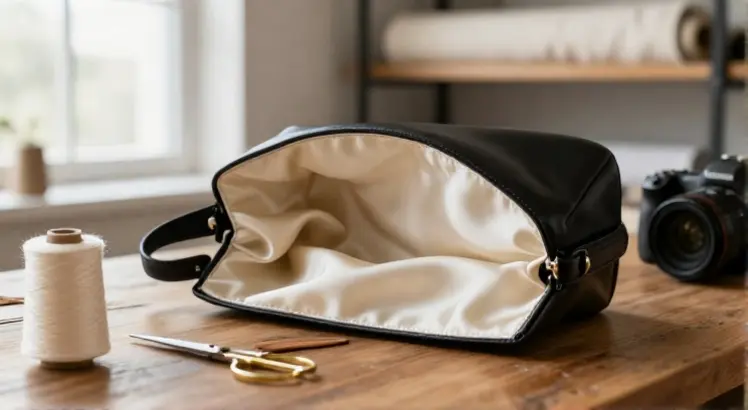
A bag is only as good as its lining. The inner fabric protects the outer shell, hides raw seams, and adds structure. Choosing the wrong lining can lead to sagging, fraying, or a bag that simply feels unfinished. Whether you are sewing a structured tote, a delicate clutch, or an everyday backpack, understanding what fabric to use for bag lining will elevate your project from homemade to professionally crafted.
Why Bag Lining Matters
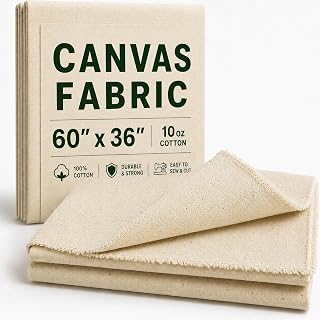
Canvas Fabric, Premium 10oz 100% Cotton Duck Canvas Fabric by The Yard, Canvas Material for Sewing, Upholstery, Tote Bags, Arts & Crafts & DIY Projects, 1 Yard (60 x 36 Inch)
Check PriceLining fabric does more than just hide the inside of a bag. It reinforces the shape and guards against wear from sharp objects like keys or pens. A smooth lining also makes it easier to find items at the bottom of the bag. When you pick the right material, you add years to the life of your creation. For outer fabric decisions, refer to our guide on the best fabric for bags to ensure harmony between shell and lining.
Cotton Lining: The Timeless Favorite
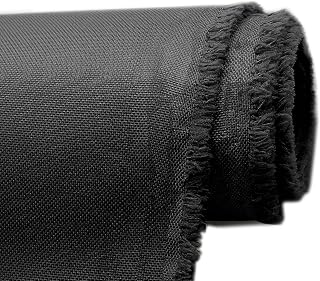
K-Musculo 600D Oxford Fabric by The Yard, 58” Wide Heavy Duty Waterproof Polyester Fabric, Outdoor Fabric for Bags, Covers, Furniture, Sewing DIY Projects, 1 Yard Black
Check PriceQuilting cotton is the most popular choice for bag lining. It is lightweight, widely available in countless prints, and easy to sew. Cotton breathes well, which prevents moisture buildup inside the bag. It also presses crisply, allowing you to achieve sharp corners and flat seams. For everyday totes and purses, a high-quality quilting cotton offers the ideal balance of softness and strength.
Broadcloth is another excellent cotton option. It is slightly smoother and denser than quilting cotton, giving a more polished look. According to This Crafts guide, a tightly woven cotton helps the lining hold its shape over time. When using cotton, pre-wash the fabric to avoid shrinkage later.
Polyester and Nylon: Tough and Water-Resistant
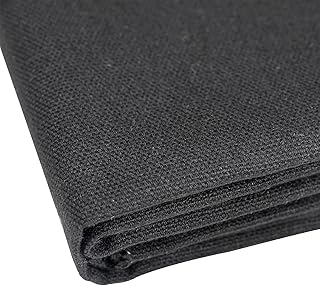
10oz Heavy Duty Cotton Canvas Fabric 60″ x 40″, Thick Cotton Duck Cloth for Painting, Sewing, Crafts, Tote Bags, Embroidery, Home Decor, Drop Cloth (Black)
Check PriceFor bags that will face rain, spills, or heavy use, synthetic fabrics like polyester and nylon are outstanding. They resist water, dry quickly, and are incredibly durable. Ripstop nylon is a favorite for backpacks and gym bags because it resists tearing even when snagged. Polyester taffeta, with its slight sheen and crisp hand, adds a professional finish to any project.
These fabrics can be slippery to sew, so using a walking foot and plenty of clips helps keep layers aligned. The payoff is a lining that wipes clean easily and won’t fade. If you are making a lunch bag or a diaper tote, a water-resistant polyester lining is practically essential.
Silk and Satin: Adding Elegance
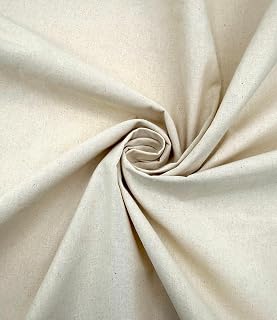
Eovea | Canvas Fabric | Cotton Duck | 100% Cotton | 4oz Lightweight | 60″ Wide | Arts & Crafts, Tote Bags, Painting, Embroidery, Lining(4oz,1 Yard)
Check PriceWhen a bag calls for luxury, silk habotai or satin provides a sumptuous interior. Evening clutches and bridal purses benefit from the delicate shimmer of these fabrics. Silk charmeuse is ultra-smooth, protecting delicate items from snags. Satin can add volume and a rich feel, though it frays easily and requires careful seam finishing.
Because these fibers are less durable, they work best in bags that won’t carry heavy or sharp objects. For a special occasion bag, a silk lining elevates the entire design. To simplify construction, consider underlining the silk with a lightweight fusible interfacing for extra stability.
Canvas and Denim for Sturdy Bags
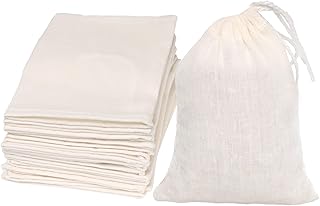
Limko Cotton Bags Muslin Bags Sachet Bag for Home Supplies (3×4 Inch 10 Pack)
Check PriceIf your bag’s exterior is already heavy, like waxed canvas or leather, a canvas or denim lining can provide matching toughness. Lightweight canvas (around 7-10 oz) adds body without making the bag too stiff. Denim, especially in a lighter weight, offers a casual look and incredible resistance to abrasion.
These heavier linings are perfect for tool totes, market bags, and everyday carryalls. Keep in mind that thick layers increase bulk in seams, so grade seam allowances and use a heavy-duty needle. A sturdy lining made from these materials ensures the bag stands up to daily punishment.
Fleece, Minky, and Soft Linings

FSWCCK Mesh Fabric, Soft Mesh Netting Slightly Stretchy for Shopping Bag, Backpack Pocket and Netting Clothes
Check PriceSometimes you want a bag that feels as good as it looks. For a tablet sleeve or a knitting project bag, a fleece or minky lining provides cushioning and a plush sensation. Minky fabric is extra soft and comes in a variety of textures, making it a charming choice for children’s bags or cushioned eyewear cases.
Fleece does not fray, so you can leave seams unfinished inside if the bag is fully lined. It also adds thermal insulation, which is handy for lunch bags. However, these fabrics can attract lint and pet hair, so they may require more maintenance over time.
Waterproof and Laminate Linings
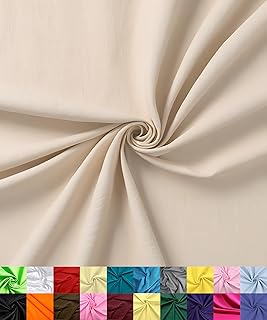
Barcelonetta | Poly Cotton Fabric for Sewing | Broadcloth Fabric | by the Yard | 60″ Wide Roll | Lightweight, Breathable | Lining, Home Textile, Skirts, Tote Bags (Khaki, 2 Yard)
Check PriceLaminated cottons, oilcloth, and PUL (polyurethane laminate) are game-changers for wet environments. These materials have a waterproof coating that prevents liquids from seeping through. They are ideal for makeup bags, swimsuit pouches, and diaper bags where spills are inevitable.
Sewing with laminates requires a few adjustments. Use a Teflon or roller foot to prevent sticking, and hold layers together with clips instead of pins to avoid permanent holes. A waterproof bag lining will keep the rest of your bag clean and dry, extending its usable life dramatically.
Quilting Cotton vs. Broadcloth: What’s the Difference?
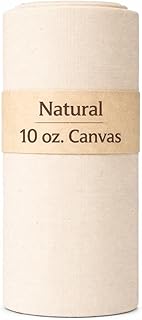
Sedona Designz 60″ Wide Cotton Duck Canvas Fabric – Heavy Weight 10oz Durable 100% Cotton (Natural, 1 Yard)
Check PriceMany sewists wonder which cotton substrate to choose for lining. Quilting cotton is slightly lighter and has a softer drape, making it excellent for gathered pouches and slouchy hobo bags. Broadcloth, with its tighter weave and higher thread count, feels smoother and holds a crease better, which is ideal for structured patterns with sharp pleats or crisp edges.
- Quilting cotton: easiest to find, vast print selection, comfortable weight
- Broadcloth: smoother surface, more wrinkle-resistant, professional finish
Both are affordable and machine-friendly. Your choice depends on whether you prioritize pattern variety or a sleek, polished interior.
Color and Print: Making the Inside as Beautiful as the Outside
A lining does not have to be boring. Picking a contrasting print or a vibrant solid can create a delightful surprise every time you open the bag. Dark liners hide stains better, while light colors make it easier to spot small items. If your outer fabric is busy, a calm solid lining balances the design. Conversely, a bold floral or geometric print inside a neutral exterior adds personality without overwhelming the look.
When selecting a print, consider how pattern placement will look on the finished bag. Large motifs might get cut off on small panels, so scale the print appropriately. A well-chosen lining color also ties hardware and thread choices together neatly.
Weight and Thickness: Balancing Structure and Flexibility
The weight of your lining fabric directly affects how the bag behaves. A lining that is too heavy can stiffen a soft bag uncomfortably, while one that is too light may not support the outer shell. Medium-weight cottons and polyesters around 4 to 6 ounces per square yard provide dependable support without adding excessive bulk.
If your outer fabric is already thick, like upholstery weight or quilted panels, choose a lining that does not compete for volume. Adding a fusible interfacing to a lighter lining can achieve the same crispness as a heavier fabric while keeping seams thin.
Lining Choices by Bag Style: Tote, Clutch, Backpack
Different bag styles demand different lining properties. A large tote benefits from a sturdy quilting cotton or canvas that can support heavy loads without tearing. A zipper pouch needs a smooth, thin lining that does not get caught in the zipper teeth; for a step-by-step wallet idea, see our zipper pouch tutorial. A backpack profits from ripstop nylon that resists abrasion and moisture.
- Tote bags: quilting cotton, broadcloth, lightweight canvas
- Clutches: silk charmeuse, satin, rayon lining
- Backpacks: ripstop nylon, polyester taffeta, PUL
- Drawstring bags: cotton lawn or a soft polyester
Matching the lining to the bag’s purpose ensures both functionality and a long-lasting finish.
Frequently Asked Questions About Bag Lining Fabric
Can I use the same fabric for the exterior and lining?
Yes, you can, but it may not be ideal. Outer fabrics like heavy canvas or denim can make a bag overly stiff if used inside. It is better to pick a complementary lightweight fabric for the lining to reduce bulk and improve handling.
Does the lining need to be pre-washed?
If you plan to ever wash the finished bag and the lining is a natural fiber like cotton, pre-washing prevents shrinkage and bleeding later. Synthetics generally do not shrink, but it is a good habit to treat all fabrics the same way you will care for the bag.
What is the best lining for a clear vinyl bag?
Pick a lining that remains hidden behind the outer pieces. A solid cotton or polyester works well, and you can add a pocket panel to conceal contents while still showing off the vinyl.
How do I stop slippery linings from shifting?
Use lightweight fusible interfacing on the lining pieces before assembly. This adds just enough grab to keep the fabric stable without changing the drape. Also, baste the layers together before final stitching.
Final Thoughts: Picking the Perfect Lining
Selecting what fabric to use for bag lining comes down to the bag’s purpose, the style you want, and the durability required. Cotton and broadcloth remain go-to choices for everyday bags, while synthetics and laminates handle moisture and heavy wear. Luxurious silks and satins turn clutches into evening showpieces. Always consider weight, color, and how the lining interacts with your outer fabric.
With the right lining, your handmade bags will look impeccable inside and out, and they will last through countless uses. So take a moment to match the inner fabric to the life your bag will lead, and enjoy the confidence of a truly professional finish.

Disclosure: As an Amazon Associate, we earn from qualifying purchases at no extra cost to you. Our posts are created with AI tools and human editing.