
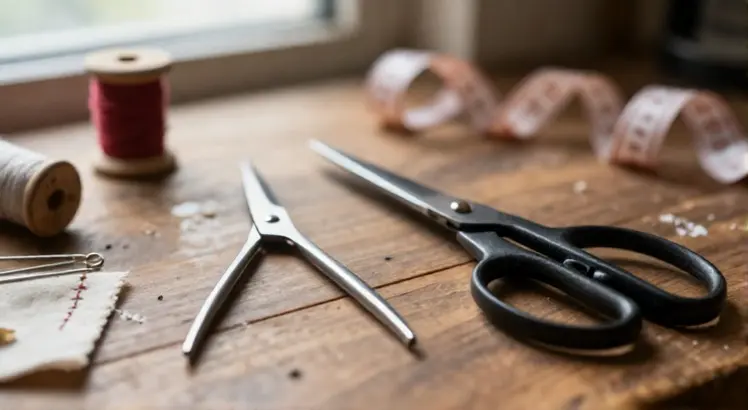
Choosing the right cutting tool can speed up your sewing projects and improve accuracy. Whether you are snipping loose ends or cutting fabric for a new garment, the debate of thread snips vs scissors pops up in every sewing circle. At first glance, scissor-like snips and standard scissors may look interchangeable, but they serve distinct purposes. Understanding those differences will help you equip your sewing kit with tools that match your workflow and keep your hands comfortable during long sessions.
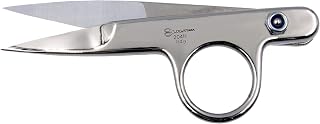
Ultima 4.5” Thread Nippers – Hot Forged Precision Thread Snips, Embroidery Snipper & Seam Cutter (Single Pack)
Check PriceMany sewists reach for a pair of scissors out of habit, only to find that bulky blades make it hard to get close to a seam. Thread snips solve that problem with a slender design and spring-loaded action. In this guide, we will explore the key features of both tools, when to use each, and how to decide which one deserves a spot in your sewing basket.
What Are Thread Snips?
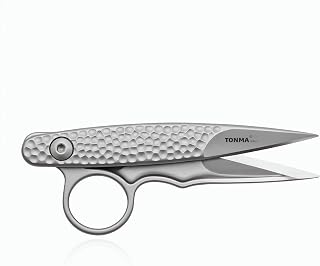
TONMA Professional 4.7” Thread Snips, Made in Japan | Fabric Scissors Thread Nippers for Sewing, Japanese SG-2 Powder Steel, Razor-Sharp Blade with Safety Cap, Ambidextrous
Check PriceThread snips are compact, spring-loaded cutting tools designed for snipping threads, yarn, and light materials. They look like a cross between small scissors and pliers. The spring mechanism automatically reopens the blades after each cut, so you can snip with a simple squeeze. Most thread snips feature short, sharp blades, often under two inches, and finger loops or ergonomic handles that fit one hand comfortably.
These tools excel at quick, repetitive cuts. When you chain piece on a sewing machine or trim embroidery floss, thread snips let you work without putting down and picking up a full-size pair of scissors. Because the tips are fine, you can snip tail threads right against the fabric without risking a nick. If you want a deep dive into their construction, you can understand what thread snips are in our dedicated article.
How Do Scissors Differ?
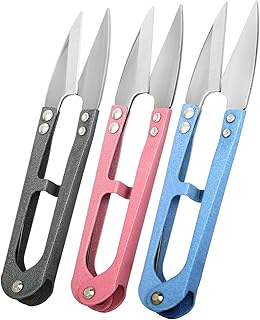
CZZXI 3PCS Thread Snips, High-Carbon Steel Thread Cutter | 4.25inch Yarn Scissors for Sewing, Quilting, Knitting, DIY, Jewelry Making, Bonsai Bud and Leaves Pruning
Check PriceScissors encompass a broad category of hand-operated cutting tools with two pivoting blades. In sewing rooms, the term often refers to fabric shears, all-purpose scissors, or embroidery scissors. Unlike thread snips, traditional scissors require you to manually open and close the blades. The longer blades and larger finger holes provide leverage for cutting through multiple layers of fabric, paper, or leather.
Fabric shears have long, sharp blades optimized for clean, straight cuts on woven materials. Embroidery scissors are smaller, with pointed tips ideal for fine work. All-purpose scissors handle light craft tasks. The one trait they share is the deliberate, controlled motion needed for each cut, fine for long runs, but slower when you need to make dozens of tiny snips in a row.
Thread Snips vs Scissors: A Detailed Comparison
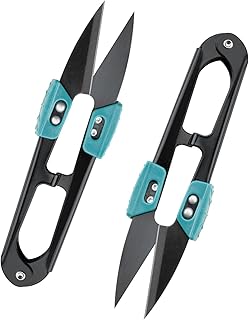
Damita 4.2 inch Sewing Scissors – Wider Handle Thread Snips (2 pack) | Professional Snips Scissors for Sewing, Quilting Supplies, Stitch, DIY Supplies
Check PriceTo settle the thread snips vs scissors question, we will break down four areas that matter most to beginner and intermediate sewists: design, precision, comfort, and maintenance.
Blade Design and Functionality
Thread snips typically use short, pointed blades that meet only at the tip when you squeeze. The spring then pushes the blades apart immediately after the cut. This one-handed operation is perfect for snipping single threads. Scissors rely on a pivot screw and longer blades that shear material along their entire length. While scissors offer more cutting power, thread snips give you unmatched speed for small, repetitive tasks.
Cutting Precision and Use Cases
When precision matters, such as trimming jump stitches on embroidery or clipping threads close to a seam, thread snips shine. Their compact size lets you get into tight spots without accidentally cutting the surrounding fabric. Scissors, especially long blade shears, are best for cutting fabric straight and smooth. Embroidery scissors serve as a middle ground, but they still require full finger coordination. For a broader perspective on how each tool performs in different crafts, see this in-depth comparison from sewing experts.
Ergonomics and Safety
Thread snips sit comfortably in the palm of your hand and require only a gentle squeeze. This design reduces hand fatigue during long sewing sessions, especially if you deal with repetitive motion in quilting or hand embroidery. The spring action also means the blades spring open and stay open, lessening the chance of an accidental cut when you reach for them. Standard scissors can strain your thumb and fingers over time, although bent-handled dressmaker shears help with flat cutting. Many thread snips even include a protective blade cover, making them safer to toss into a travel kit.
Durability and Maintenance
Quality scissors, when properly cared for, can last decades. They can be sharpened and adjusted. Thread snips, especially low-cost models, may wear out faster because the spring mechanism and fine tip can dull or misalign. However, high-end snips with replaceable blades are available. Both tools need regular cleaning, a drop of sewing machine oil at the pivot, and storage in a dry place. If you frequently cut heavy threads or denim seams, scissors might hold their edge longer than snips.
When to Use Thread Snips
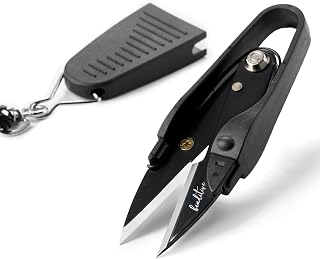
Beaditive Premium Thread Snips – Thread, Yarn, Embroidery Snipper for Sewing, Quilting, Knitting, Jewelry Making – High-Carbon Steel Blades with Protective Cap and Lanyard
Check PriceThread snips are the go-to tool when you need to make many small, precise cuts without slowing down. Here are some perfect scenarios:
- Trimming machine threads between pieces during chain piecing.
- Snipping embroidery floss ends and jump stitches.
- Clipping threads while sewing inside bags or tight corners.
- Quickly removing basting threads before pressing.
- Portable on-the-go repair kits for events or classes.
If you are assembling a travel sewing bag, a pair of snips plus a small ruler might be all you need. For a curated list of reliable models, check out our best thread snippers for precision cutting.
When to Use Scissors
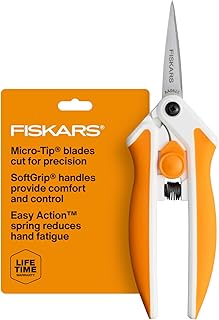
Fiskars 6″ Easy Action Micro-Tip Scissors, Sewing, Arts & Crafts Tools | No. 5 Precision Cutting Stainless Steel Blades, SoftGrip Handles for Comfort, Spring-Assisted Handle Reduces Hand Fatigue
Check PriceScissors remain essential for tasks that require leverage, long straight cuts, or cutting through heavier materials. Use them in these situations:
- Cutting fabric pattern pieces from yardage.
- Trimming multiple layers of fabric at once.
- Clipping heavy materials like denim, canvas, or leather.
- Making precise, long straight cuts on flat surfaces.
- Notching curves and grading seam allowances.
While thread snips can handle a few threads on denim, pushing them through thick seams will blunt the tips fast. Save your scissors for the heavy work and let the snips handle the light, fast jobs.
How to Choose the Right Tool for Your Project
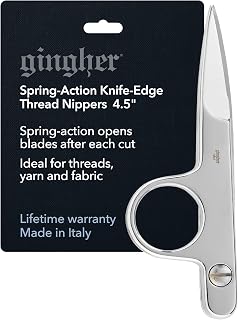
Gingher 4.5″ Spring-Action Knife-Edge Thread Nippers, Stainless Steel Shears, Sharp Knife Edge Fabric Scissors with Protective Leather Sheath, Chrome Plated Nickel Finish
Check PriceDeciding between thread snips vs scissors comes down to the type of cutting you do most often. If your hobby leans toward hand embroidery, quilt piecing, or machine sewing with lots of thread changes, thread snips will save you time. If you do garment sewing that involves continuous fabric cutting, a good pair of scissors or shears is non-negotiable.
Many experienced sewists keep both tools on their sewing table. They use a dedicated pair of fabric shears for cutting cloth, a pair of paper scissors for patterns, and thread snips right beside the sewing machine. Here are a few tips for building your toolkit:
- If you sew mostly on a machine, position thread snips next to your needle plate for instant access.
- Invest in bent-handled shears if you cut fabric flat on a table to reduce wrist strain.
- Choose thread snips with a blade cover if you plan to carry them to sewing classes.
- Label your scissors, keep one pair exclusive to fabric, one for paper, to preserve sharpness.
- For heavy threads like topstitching or upholstery, use scissors for the first cuts and snips for cleanup.
Frequently Asked Questions
Ultima 4.5” Thread Nippers – Hot Forged Precision Thread Snips, Embroidery Snipper & Seam Cutter (Single Pack)
Check PriceCan thread snips replace scissors entirely?
Not completely. Thread snips handle light thread cutting beautifully, but they lack the blade length and leverage to cut fabric efficiently. For dressmaking, you will still need a dedicated pair of fabric shears.
Are thread snips better than embroidery scissors?
It depends on your style. Embroidery scissors offer fine control and can be used for other tasks like trimming appliqué. Thread snips are faster for repetitive snipping because of the spring action. Many stitchers keep both in their basket, snips for speed, scissors for precision work.
How do I maintain thread snips?
Wipe the blades with a dry cloth after each session to remove lint. Apply a tiny drop of sewing machine oil at the pivot point occasionally. Store them in a dry place with the blade cover on. If the spring weakens, a drop of oil on the hinge can often revive the action.
Can left-handed sewists use thread snips?
Most thread snips are symmetrical or have ambidextrous handles, so they work equally well in either hand. Always check the product description; some ergonomic models are molded for right-hand use. Spring-loaded snips generally require only a squeeze, which is comfortable for left-handed users.
Do professional sewists prefer thread snips or scissors?
Professionals use both. In a production or tailoring environment, you will see shears for cutting fabric and snips close to the machine for trimming threads. The key is having the right tool at the right station, which speeds up the workflow and improves accuracy.
Conclusion
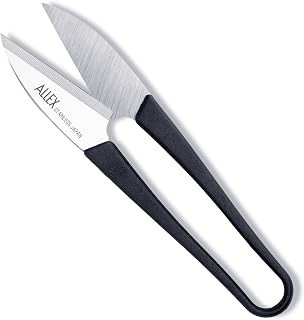
ALLEX Japanese Thread Snips for Sewing and Embroidery 4.1″ (Medium), Made in JAPAN, Spring Loaded Small Thread Snippers Scissors, Black
Check PriceThe thread snips vs scissors choice isn’t about picking one tool over the other. It is about understanding the unique strengths each brings to your sewing space. Thread snips deliver speed, close-trim precision, and fatigue-free one-hand operation for repetitive tasks. Scissors provide the cutting power, blade length, and durability necessary for fabric work and heavy materials.
Start by adding a quality pair of thread snips next to your machine. You will notice fewer interruptions and cleaner trim work right away. Keep your scissors sharp and dedicated for specific materials, and you will always have the right tool within reach. With both tools in your kit, you can handle any cutting challenge your next project throws at you.
