
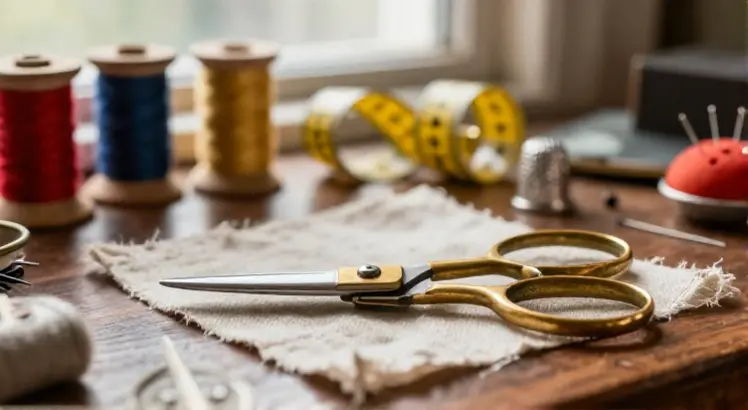
Every sewist knows the frustration of trying to maneuver large scissors just to clip a tiny thread tail. That is where thread snips come in. These compact, spring-loaded cutting tools are designed specifically for quick, precise thread trimming.
If you sew, quilt, embroider, or even make jewelry, understanding what thread snips are and how to use them can dramatically speed up your workflow and reduce hand fatigue. In this guide, you will learn everything from the basic anatomy of a thread snip to the different styles available, how to care for them, and why they deserve a permanent spot next to your sewing machine.
According to this detailed guide from The Spruce Crafts, thread snips are one of the most overlooked yet indispensable tools in a sewing room.
What Are Thread Snips?
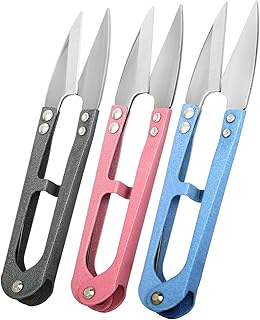
CZZXI 3PCS Thread Snips, High-Carbon Steel Thread Cutter | 4.25inch Yarn Scissors for Sewing, Quilting, Knitting, DIY, Jewelry Making, Bonsai Bud and Leaves Pruning
Check PriceThread snips are small cutting instruments engineered for one primary task: snipping threads with speed and accuracy. Unlike traditional scissors with two finger loops, many thread snips feature a lever or spring mechanism that you squeeze to close the blades and release to open them automatically.
This design eliminates the need to reposition your hand after each cut, making them ideal for repetitive tasks like trimming jump stitches in embroidery or cutting thread between chain piecing in quilting. They are sometimes called thread nippers, yarn snips, or tailors’ clippers.
The blades are typically 1 to 2 inches long, made from stainless steel or high-carbon steel, and ground to a fine point that can reach tight spots without risking accidental fabric nicks. Most models fit comfortably in the palm of your hand, and many include a protective cap for safe storage.
Types of Thread Snips
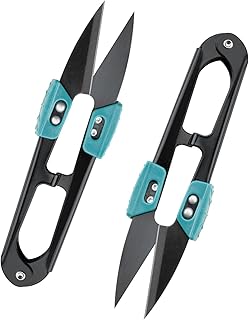
Damita 4.2 inch Sewing Scissors – Wider Handle Thread Snips (2 pack) | Professional Snips Scissors for Sewing, Quilting Supplies, Stitch, DIY Supplies
Check PriceNot all thread snips are the same. Understanding the different styles will help you choose the right pair for your craft. The most common types include:
- Spring-Loaded Snips: These have a continuous spring mechanism that keeps the blades open until squeezed. Models like the classic Gingher knife-edge nippers fall into this category. They are ideal for fast, repetitive snipping.
- Ring-Handle Snips (Mini Scissors): Shaped like tiny scissors with finger holes, but still spring-assisted. They combine the control of traditional scissors with the speed of snips. The SINGER ProSeries 5-inch thread snips are a popular example.
- Japanese-Style Snips: Often forged from high-carbon steel with razor-sharp edges, these snips prioritize precision. Many, like those from ALLEX or TONMA, are made in Japan and come with safety caps.
- Multipurpose Snips: Some snips, such as the Fiskars Micro-Tip scissors, blur the line between fine fabric scissors and thread snips. They can handle light paper or trimming seams in addition to threads.
- Economy Bulk Packs: For classrooms or craft groups, sets like the 6-pack thread snips with hard covers offer great value. These are typically made of 420 stainless steel and come color-coded.
Regardless of style, look for blades that meet precisely at the tip, a comfortable grip, and a spring that opens smoothly without resistance.
How to Use Thread Snips for Perfect Cuts
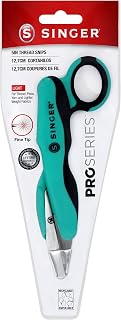
SINGER ProSeries™ 5″ Thread Snips, Comfort Grip, Sewing & Yarn Cutter | Spring-loaded 5 inch thread snips with fine tips and comfort grip; quickly trim threads and frayed edges, thumb-hole storage
Check PriceUsing thread snips correctly ensures clean cuts, extends blade life, and keeps your projects safe. Follow these steps every time you pick up your snips:
- Position the Fabric: Lay your work flat on a smooth surface. Hold the fabric steady with your non-dominant hand, keeping fingers well away from the cutting area.
- Grip the Snips: If your snips have a spring lever, hold them in your dominant hand with the flat side against your palm, thumb on top. For ring-handle snips, insert your thumb and middle or ring finger into the loops.
- Bring the Tips to the Thread: Open the blades by relaxing your hand. Place the very tips of the blades around the thread where it meets the fabric. Keep the snips parallel to the fabric surface to avoid digging into the material.
- Squeeze Gently: Apply light, even pressure until the thread parts. Avoid snapping the thread, as that can cause tension and shift your fabric.
- Release and Repeat: Let the spring push the blades open. You are now ready to make the next cut instantly.
Actionable tip: Attach a lanyard or wrist strap to your snips and wear them while sewing. You will always have them handy without searching for scissors. Also, always use the protective cap when not in use to prevent accidents and keep the tips sharp.
Thread Snips vs. Sewing Scissors: Key Differences
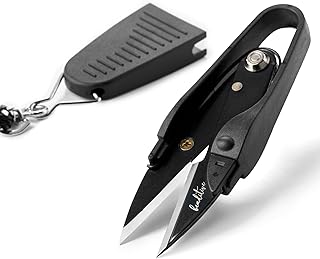
Beaditive Premium Thread Snips – Thread, Yarn, Embroidery Snipper for Sewing, Quilting, Knitting, Jewelry Making – High-Carbon Steel Blades with Protective Cap and Lanyard
Check PriceMany beginners wonder why they cannot just use regular scissors for thread trimming. While scissors certainly work, thread snips offer distinct advantages that significantly improve efficiency and precision. Here is how they compare:
- Speed: The spring-action opening of snips means your hand never leaves the cutting position. With scissors, you must manually open the blades after each cut, which slows you down during tasks like hand quilting or embroidery where every second counts.
- Accuracy: Snips have shorter, needle-like tips that allow you to get millimeters from the fabric without cutting it. Scissors, even small embroidery scissors, often have slightly blunter tips.
- Hand Fatigue: Squeezing a spring-loaded snip uses different muscles than opening and closing scissors, causing less strain during long sewing sessions. People with arthritis or carpal tunnel often prefer snips.
- Portability: Snips are compact and usually include a cover, so you can toss them into a project bag without worrying about poking through fabric.
- Versatility: Scissors remain necessary for cutting fabric, trimming seams, and heavier materials. Snips are specialized thread cutters. For a full breakdown of top-rated cutting tools, see our guide to the best sewing scissors on the market.
In short, thread snips and sewing scissors complement each other. You need both in a well-equipped sewing room.
Maintenance and Sharpening
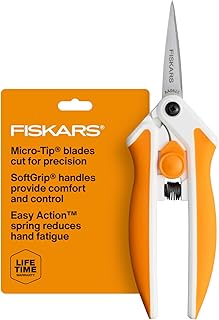
Fiskars 6″ Easy Action Micro-Tip Scissors, Sewing, Arts & Crafts Tools | No. 5 Precision Cutting Stainless Steel Blades, SoftGrip Handles for Comfort, Spring-Assisted Handle Reduces Hand Fatigue
Check PriceLike all cutting tools, thread snips require regular care to maintain their edge and smooth action. Neglecting maintenance leads to dull blades that will chew fibers instead of slicing them cleanly. Here is how to keep your snips in peak condition:
- Clean After Each Use: Wipe the blades with a soft, dry cloth to remove lint and thread dust. Occasionally, use a cotton swab dampened with rubbing alcohol to clean sticky residues.
- Lubricate the Pivot: Place one tiny drop of sewing machine oil at the joint where the blades meet. Open and close the snips a few times to distribute the oil, then wipe away any excess. This prevents squeaking and keeps the spring functioning smoothly.
- Sharpen Carefully: If your snips become dull, you can use a ceramic sharpening rod or take them to a professional sharpener who understands fine scissors. Do not use generic knife sharpeners; they can damage the delicate bevel. A few gentle strokes along the cutting edge at the original angle is usually enough.
- Cut Only Thread and Yarn: Never use thread snips on paper, wire, or plastic. These materials dull the fine edge quickly. Keep a separate pair of utility scissors for everyday tasks.
- Store with a Cap: Always slide on the protective cover when the snips are not in use. This guards the tips and prevents accidental cuts.
With proper care, a quality pair of thread snips can last for years, becoming a trusted companion in your sewing projects.
Top Benefits of Using Thread Snips
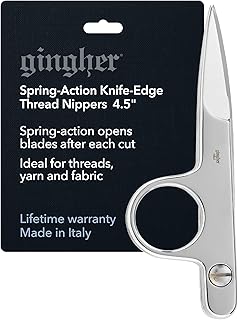
Gingher 4.5″ Spring-Action Knife-Edge Thread Nippers, Stainless Steel Shears, Sharp Knife Edge Fabric Scissors with Protective Leather Sheath, Chrome Plated Nickel Finish
Check PriceWhy invest in a dedicated pair of thread snips instead of making do with scissors? The advantages go far beyond simple convenience. Here are the compelling reasons sewists of all levels love this tool:
- Dramatic Time Savings: In chain piecing for quilting, you can snip threads between pieces in a fraction of a second without lifting your hands away from the machine area. What would take minutes with scissors becomes seconds.
- Reduced Fabric Damage Risk: The fine, sharp tips let you cut only the thread, even when it lies flush against delicate fabrics like silk or chiffon. You are far less likely to accidentally clip the fabric itself.
- Ergonomic Comfort: The squeeze-and-release motion engages the larger muscles of the hand rather than the small muscles used to open and close scissor loops. This reduces strain and makes snips a favorite among sewists with arthritis or repetitive stress injuries.
- Portability and Safety: Most snips are 4 to 5 inches long and come with a sturdy cap. You can take them to sewing classes, retreats, or keep them in your to-go bag without worrying about accidental stabs.
- Cleaner Finish: The precision of a good snip leaves no frayed or stretched thread ends, which leads to a more professional-looking finished project.
If you are also an embroidery enthusiast, combine your snips with a reliable pair of best embroidery scissors for even more specialized cutting power.
FAQ
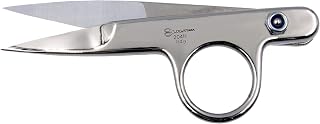
Ultima 4.5” Thread Nippers – Hot Forged Precision Thread Snips, Embroidery Snipper & Seam Cutter (Single Pack)
Check PriceAre thread snips the same as scissors?
No. Thread snips are a distinct type of cutting tool. They are typically spring-loaded and used with a squeeze motion rather than a thumb-and-finger opening and closing motion. Their blades are shorter, and their tips are finer, making them better for precision thread cutting rather than cutting fabric yardage.
Can I sharpen thread snips at home?
Yes, you can lightly sharpen them using a ceramic sharpening rod designed for fine scissors. However, professional sharpening is recommended for high-end snips to preserve the blade angle. Avoid electric knife sharpeners.
What size thread snips should I buy?
Most sewists prefer snips that are 4 to 5 inches in overall length. This size balances portability with comfort. If you have larger hands, look for models with wider handles like the Damita or Fiskars Easy Action designs.
Do thread snips work for cutting yarn or embroidery floss?
Absolutely. Good snips are sharp enough to cut multiple strands of embroidery floss or lightweight yarn. For bulky yarns, you may need larger snips or a dedicated pair of yarn scissors. Many stitchers use thread snips for cross-stitch and needlepoint.
Are there left-handed thread snips?
Many spring-loaded snips are ambidextrous because the squeeze mechanism is symmetrical. Ring-handle models may have an ergonomic design that works for both hands. Always check the product description. If you need dedicated left-handed scissors, the best sewing scissors guide mentioned earlier includes left-handed options.
How do I prevent my snips from rusting?
Keep them dry, store them away from humidity, and wipe them with a lightly oiled cloth occasionally. High-carbon steel blades are more prone to rust but offer superior sharpness; stainless steel resists rust better but may need more frequent sharpening.
Conclusion
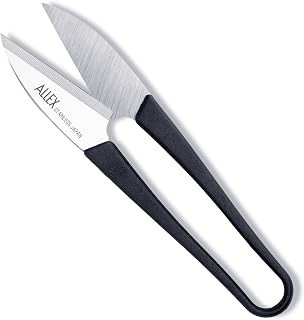
ALLEX Japanese Thread Snips for Sewing and Embroidery 4.1″ (Medium), Made in JAPAN, Spring Loaded Small Thread Snippers Scissors, Black
Check PriceThread snips are far more than a novelty for sewing enthusiasts. They are a genuine efficiency booster that saves time, protects delicate fabrics, and reduces hand fatigue. Whether you invest in a premium Japanese-made pair or a value multi-pack, the right snips will quickly become one of the most-used tools in your sewing basket.
By understanding the different types, learning how to use them correctly, and maintaining them properly, you will make cleaner cuts and enjoy your stitching time even more. If you are ready to upgrade your toolkit, start by exploring the recommended models featured throughout this guide and experience the difference a dedicated thread snipping tool can make.
