
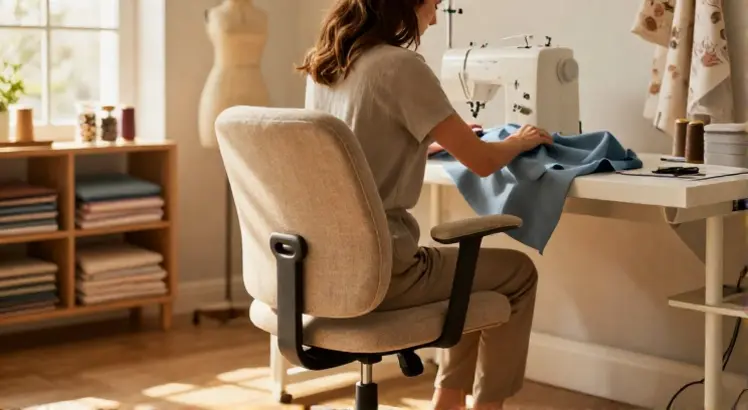
Sewing is a labor of love, but it often demands hours of sitting in one position. Whether you are piecing a quilt, constructing a garment, or managing a commercial embroidery machine, your body takes a toll. The wrong chair can lead to slouching, shoulder aches, and chronic lower back fatigue. This brings us to the central question: are sewing chairs worth it, or is a standard dining chair sufficient?
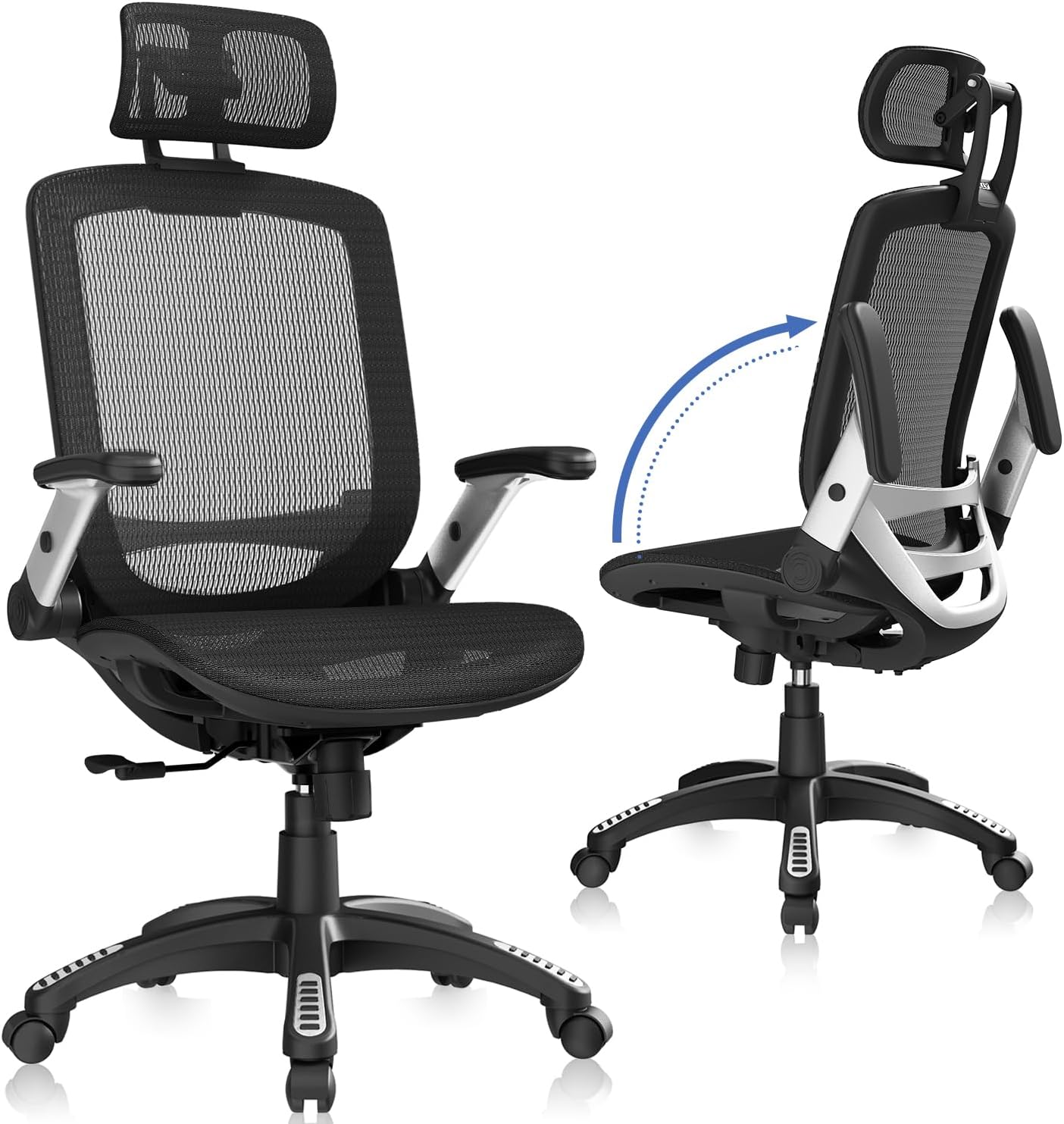
GABRYLLY Ergonomic Office Chair with 4 supporting points(head/ back/ hips/ hands)
This chair offers support for your head, back, hips, and arms, with proper lumbar alignment for comfort. Suitable for users between 5’5″ and 6’2″ (please check your height). Easily adjust the seat height, headrest, backrest, and flip-up armrests to suit your needs, making it ideal for long hours of sitting.
Check PriceTo answer this, we need to look beyond the price tag. A specialized sewing chair is not just a stool; it is a precision alignment tool. Unlike general office chairs, sewing chairs are engineered for a specific posture where you lean slightly forward, engaging the needle and the presser foot. In this guide, we will dive deep into the ergonomics, compare alternatives, and help you decide if upgrading your seat is the best investment you can make for your craft and your spine.
The Ergonomic Difference: Why Standard Chairs Fail
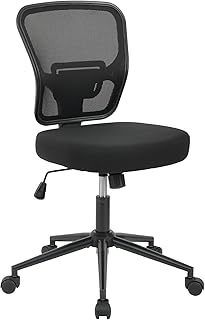
Armless Office Desk Chair Height Adjustable, Ergonomic High Back Mesh Task Chair
Check PriceMost hobbyists start with what they have: a dining chair, a folding stool, or even an old office chair. These options usually have a horizontal seat surface. When you sit in a kitchen chair, the fixed height and rigid backrest push you into a 90-degree angle. However, sewing operation requires a dynamic posture. You need to peer over the fabric, requiring a slight forward tilt. In a standard chair, this forces your pelvis backward, rounding your lumbar spine into a dangerous ‘C’ shape.
A dedicated sewing chair addresses this with a forward-tilt mechanism. This adjustment opens the hip angle to about 110 degrees, aligning the pelvis and spine naturally. The pressure shifts from your tailbone to your thighs and sitting bones. Furthermore, standard chairs often have armrests that collide with the sewing table. If you are learning how to sew jeans with heavy denim, you need your elbows free to guide the material, not banging against an armrest.
Another critical failure point is lumbar support. Office chairs often use pronounced lumbar bumps that push on the lower back when you are leaning forward. Sewing chairs replace the aggressive lumbar curve with adjustable back bars or compact cushions that support the spine without shoving you away from the work. This micro-management of posture is why chiropractors often recommend a task-specific seat for prolonged static postures.
Additionally, consider the seat height range. Standard desks operate at 29-30 inches, but sewing machine beds sit much higher, around 28-31 inches, especially on custom cabinets. If your feet dangle, you cut off circulation to your thighs. Sewing chairs often feature cylinders that adjust lower and higher than office chairs, ensuring your feet rest flat on the floor or a dedicated ring, stabilizing your core for precise stitching.
Key Features That Define a Quality Sewing Chair
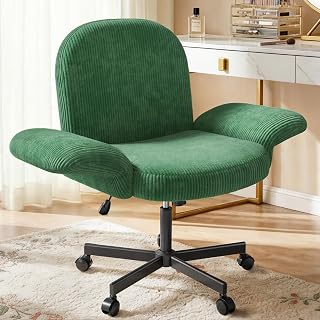
HUANUO Criss Cross Office Chair with Adjustable Armrests, Deep Green
Check PriceIf the answer to ‘are sewing chairs worth it’ is leaning toward yes, you must know what separates a premium hydraulic model from a cheap stool. Investing in the right ergonomic chair for sewing hinges on these specific adjustability factors.
Seat Tilt and Angle Adjustment
This is the paramount feature. A fixed flat seat is a red flag. Look for a chair with a separate seat plate adjuster. This allows you to tilt the front of the seat down by 5 to 10 degrees. The forward slope keeps your lower back in a neutral, pain-free arch. When you master how to make a simple drawstring bag, you notice you lean in instinctively during intricate steps; the tilt ensures that lean is supported, not destructive.
Adjustable Backrest and Lumbar Support
As noted, huge bucket-style office chair backs are counterproductive. The best sewing chairs use a small, contoured backrest that can adjust vertically and in depth. You want pressure placed in the small of the back, not against the thoracic spine, when your shoulder blades are moving forward. A waterfall edge on the seat is also critical; it removes pressure from the back of the knees, allowing blood to flow freely to the lower legs.
Armrests: The Hidden Enemy
Many high-end sewing chairs are armless or feature flip-up, slim armrests. Fixed armrests prevent you from pulling up close to the machine cabinet. This gap forces you to hunch forward, negating all the benefits of the backrest. If you choose a chair with arms, ensure they are height, width, and depth adjustable, and ideally, removable. Clearing the elbows ensures smooth fabric manipulation.
Mobility vs. Stability
Pressing the pedal on a sewing machine creates a slight backward push. A chair on standard caster wheels can roll away from the table during high-speed sewing. Look for locking casters or, better yet, stationary glides with a non-slip base. If you use casters, a dense low-pile carpet mat provides the friction needed to hold your position steady while guiding heavy materials like canvas.
Comparing Sitting Styles: Task Stool vs. Saddle Stool vs. Full-Back Chair
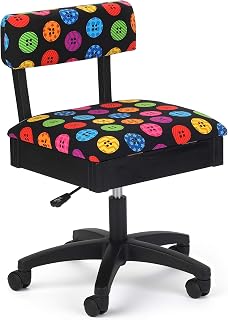
Arrow Sewing H8013 Adjustable Height Hydraulic Sewing and Craft Chair
Check PriceThe market offers three primary forms when searching for a chair for sewing long hours, and the choice depends on your primary machine setup.
- Hydraulic Task Stool: Resembles a drummer’s throne but with a backrest. It has a small footprint, locking casters, and a high height range. This is ideal for cutting tables where you transition from sitting to standing.
- Saddle Stool: Shaped like a horse saddle, this chair opens the hips exceptionally wide. It eliminates pressure on the thighs entirely but lacks a backrest. It is excellent for short, focused sits at an embroidery machine where you need high mobility.
- Compact Full-Back Chair: This mimics an office chair but scaled down. It features a tilted seat and a space-saving back. This is the best sewing chair for back pain because it supports the entire spine during long quilting sessions, as detailed in our best sewing chair for back pain guide.
The saddle stool forces active sitting, meaning your core muscles must constantly engage. While great for posture in short bursts, most sewists find their lower back fatigues after a few hours without a support to rest against. The full-back chair with a sloping seat offers a balanced compromise, allowing you to relax your upper body weight while maintaining the forward angle needed to see the needle plate clearly.
Health Consequences of a Bad Sewing Setup
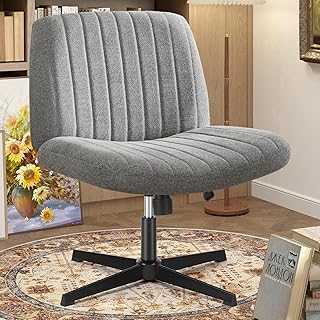
OLIXIS Criss Cross Chairs, Vanity Chair, Home Office Desk Armless Wide Seat
Check PriceIgnoring the value of a proper seat until pain starts is a common trap. The cost of physical therapy or lost sewing time far outweighs the price of a premium chair. When you sit hunched, the pressure on your lumbar discs can skyrocket by up to 180% compared to standing. This leads to conditions like Sciatica, characterized by a shooting pain down the leg.
Cervical strain is another result. When your chair is too low, you instinctively hike your shoulders up to see the needle. This turns into chronic tension headaches originating from the neck. If you want to learn how to reduce back pain while sewing, the chair covering is also relevant. A breathable fabric cover prevents “hot seat” syndrome, which causes you to shift and twist unconsciously to cool down, leading to shearing forces on the spine during fine motor tasks.
Furthermore, repetitive strain injuries (RSI) in the wrists and elbows are often traced back to the chair. If your seat height is incorrect, your wrist extension angle against the machine bed changes. An optimal chair positions your elbows at approximately 90 degrees, letting your wrists rest naturally on the extension table. This is crucial when working with delicate fabrics that require strict tension control, similar to the techniques in our guide on is satin hard to sew.
Analyzing the Cost vs. Longevity of Sewing Chairs
GABRYLLY Ergonomic Office Chair with 4 supporting points(head/ back/ hips/ hands)
This chair offers support for your head, back, hips, and arms, with proper lumbar alignment for comfort. Suitable for users between 5’5″ and 6’2″ (please check your height). Easily adjust the seat height, headrest, backrest, and flip-up armrests to suit your needs, making it ideal for long hours of sitting.
Check PriceThe price span for sewing chairs is massive, ranging from $80 to over $1,500 for fully loaded models. Are sewing chairs worth it at the higher price points? The difference lies in the gas cylinder quality and upholstery density. A cheap office chair will lose its lift within a year, leaving you bobbing up and down. A commercial-grade hydraulic sewing chair maintains its height hold for a decade.
You are paying for the seat seams and foam density. Generic chairs use molded foam that compresses after six months, creating a ‘crater’ you sit in. High-end sewing models use multi-density, high-resilience foam that rebounds for years. This consistent support keeps your pelvis level. Additionally, certified ergonomic furniture often carries a longer warranty. It is not just a chair; it is a contract against chronic spinal degradation.
Let’s compare a scenario: You buy a $60 task stool. It wobbles, has no tilt, and the padding goes flat. You develop back spasms, requiring a $150 massage and losing a weekend of sewing. That $60 just cost you $210 and a lot of pain. In contrast, a $350 sewing chair with a forward tilt and locking casters provides immediate comfort divididing the cost over 5+ years is pennies per hour of pain-free creativity.
Optimizing Your Sewing Room Layout for Your Chair
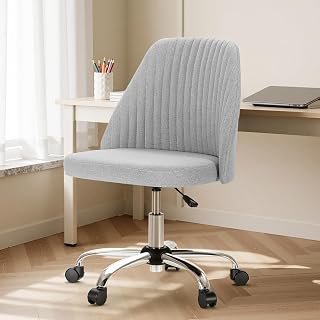
DUMOS Home Office Chair, Comfy Desk Chair with Rolling Wheels Armless
Check PriceA great chair fails in a bad layout. The synergy between your table and chair height is non-negotiable. An adjustable height sewing table is the ultimate partner to an ergonomic sewing chair, though a standard machine cabinet can also work perfectly.
Sit in your chair, adjust the tilt, and close your eyes. When you open them, your eyes should fall exactly on the needle area without tipping your head down. Your forearms should slope slightly down to the machine bed. If they slope up, your chair is too low; this is the most common mistake leading to trapezius muscle pain. The machine should feel like it sits in your lap, not on a high shelf.
The pedal position matters too. With your foot on the pedal, your knee should form an angle slightly greater than 90 degrees. If the pedal is too far under the desk, the chair seat edge cuts into your thigh. Pull the pedal out or invest in a chair with a sliding seat pan that adjusts the depth without changing the height. This ensures you sit fully back in the lumbar support while controlling the pedal with a relaxed ankle.
Proper Maintenance for Long-Term Support
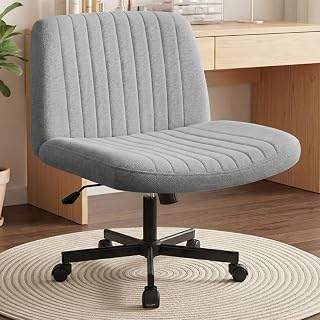
Orange Factory Criss Cross Chair, Wide Fabric Vanity Desk Seat
Check PriceIf you are going to invest in solving the ‘are sewing chairs worth it’ debate with your wallet, you need to protect that investment. Dust, thread, and lint will degrade the chair’s mechanisms faster than weight load will. Textile debris acts like sandpaper on the pneumatic cylinder seal. As the cylinder gets coated in fine micro-dust, the gas bypasses the seal, causing a sinking feeling.
Vacuum your hydraulic cylinder weekly. Wipe it down and never apply oil, as oil attracts lint. Check the mechanical tension control knob that adjusts the backrest tilt stiffness. If it becomes too easy to recline, you will subconsciously hold yourself upright with your back muscles, causing fatigue. Tighten it so it supports your weight without giving way. For models with a fabric seat, a lint roller is necessary, but a handheld vacuum will prevent the textile dust from embedding in the foam’s surface, which destroys the finish grit of the fabric.
Frequently Asked Questions
Can I use an office chair for sewing?
You can, but it is not ideal. Standard office chairs are designed for reclining and looking at a vertical monitor. They lock you into a 90-degree posture or lean you back. Sewing requires a forward focus, making office armrests and deep seats obstructive.
Why do sewing chairs have no arms?
Armrests block the user from pulling close enough to the sewing machine bed. This gap forces the shoulders and neck to lurch forward. A chair without arms, or with flip-up arms, allows the elbows to hang freely for smooth fabric handling.
Is a saddle stool good for sewing?
A saddle stool engages the core and opens the hips, improving circulation. However, it lacks upper back support. It works well for 30-minute intensive mending sessions but often fails to prevent fatigue during a four-hour quilting marathon.
How high should my sewing chair be?
When sitting with a neutral spine, your eyes should line up with the needle. Your feet must be flat on the floor or a foot ring, and your forearms should angle horizontally or slightly down toward the presser foot.
Conclusion
[Card 9]
IMERAGO 15-Pack Adult Aprons
Check PriceSo, are sewing chairs worth it? If sewing is a significant part of your life, an ergonomic sewing chair is a non-negotiable tool, not a luxury. It bridges the gap between the clinical design of an office chair and the physical demands of machine operation. The adjustable tilt, shallow seat depth, and lock-in-place stability prevent the micro-traumas that a dining chair inflicts on your spine.
Think of it as insurance for your creativity. You cannot quilt, embroider, or alter garments if you are bedridden with back spasms. A high-quality pneumatic task chair or a compact ergonomic stool ensures that your passion for sewing never becomes a pain. Invest in the chair, your posture will correct itself naturally, and your sewing accuracy will improve instantly.
