
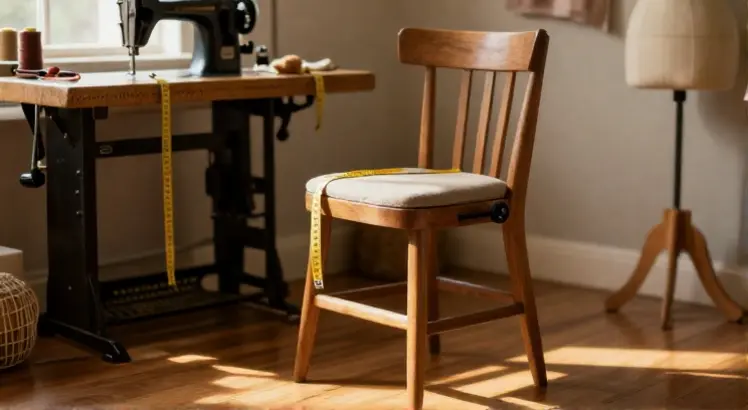
Getting your sewing chair height right can be the difference between a relaxed afternoon of stitching and a painful evening on the couch. Many sewists tweak thread tension, needle type, and fabric speed, but they overlook the chair height. This guide walks you through how to set the correct sewing chair height, match it to your sewing table, and maintain a posture that supports long, enjoyable sewing sessions.
Why Sewing Chair Height Matters
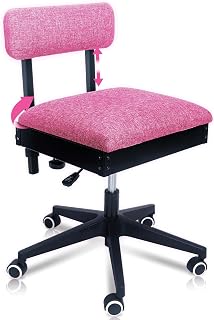
Pink Power Sewing Chair
Check PriceYour sewing chair height affects every part of your upper body. When the chair is too low, your shoulders creep up toward your ears. That creates neck strain and tightness between the shoulder blades. When the chair is too high, your feet lose contact with the floor, your pelvis tilts, and your lower back takes extra pressure. Over time these small misalignments can turn a fun hobby into a source of chronic pain.
A properly set chair keeps your hips, knees, and elbows in a neutral position. This helps you guide fabric with more control, sew straighter seams, and avoid the fatigue that comes from fighting your own posture. The same principles behind a comfortable sewing setup are rooted in general workplace ergonomics. You can review those foundations in this ergonomic desk posture guide from Mayo Clinic.
How to Find Your Ideal Sewing Chair Height
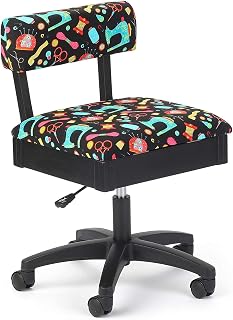
Arrow Sewing H7013B
Check PriceStart with your body, not the chair. The goal is to keep your feet flat on the floor, your knees at roughly a 90 degree angle, and your hips slightly higher than your knees. This position reduces lower back pressure and improves circulation in your legs. If your sewing chair height is correct, you should feel stable without needing to grip the floor with your toes or lean forward to reach the machine.
Use the Popliteal Height Method
The popliteal height is the distance from the floor to the crease behind your knee. Sit on a firm surface with your back against a wall and your feet flat on the floor. Have someone measure from the floor to that crease behind your knee. Subtract one inch to allow for a slight knee bend. That number is a strong starting point for your seat height. For most adults the result falls between 16 and 21 inches.
Apply the 90 Degree Rules
- Your knees should bend close to 90 degrees when your feet are flat.
- Your elbows should bend close to 90 degrees when your hands rest on the sewing machine bed.
- Your wrists should stay nearly straight, not bent sharply upward or downward.
- Your thighs should rest parallel to the floor or slope slightly down toward your knees.
Matching Sewing Chair Height to Table Height
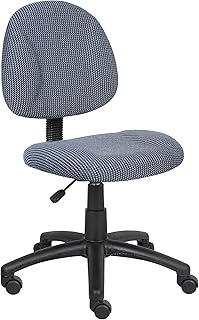
Boss Office Products B315-BE Perfect Posture Delux Task Chair
Check PriceA sewing machine raises the work surface higher than a regular desk. This means your sewing chair height may need to be higher than the chair you use at a computer. The chair and table work together. If you adjust only one, your posture can still be off. Always check your arm position after changing the chair.
When the Sewing Table Is Too High
If your shoulders lift toward your ears when you place your hands on the machine, the table is too high for your current chair. Raise the chair a little at a time. If your feet no longer reach the floor, add a firm footrest. Do not let your feet dangle. The footrest restores the leg support you lose when the chair goes up.
When the Sewing Table Is Too Low
If you hunch forward or drop your chin to see the needle, the chair may be too high or the table too low. Lower the chair first. If the chair is already at the correct knee height, raise the sewing table with sturdy risers or a machine platform. Avoid folding yourself over the machine. A forward leaning spine is one of the fastest ways to develop mid back pain.
Sewing Chair Height for Different Body Types
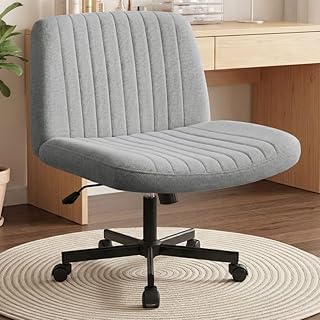
Orange Factory Criss Cross Chair
Check PriceThere is no single perfect height for everyone. Your ideal sewing chair height depends on your lower leg length, your hip width, and the height of your sewing table. Short sewists, tall sewists, and plus size sewists often need different setups to stay comfortable.
For Short Sewists
If you are around 5 feet tall, a standard sewing chair can feel too high. Your feet may dangle, tilting your pelvis and arching your lower back. A seat height near 15 inches is often a better starting point. You can find specific measurements in this height guide for a 5ft sewist. Pair the lower chair with a footrest if your sewing table is still too tall.
For Tall Sewists
Tall sewists often lower the chair too much to match a shorter table. This creates a sharp knee angle and increases hip pressure. Raise the chair until your knees are comfortable first. Then raise the table or place the machine on a stable platform. Leg comfort should not be sacrificed for arm height. A taller chair with proper foot support is almost always the better solution.
Adjustable vs Fixed Height Sewing Chairs
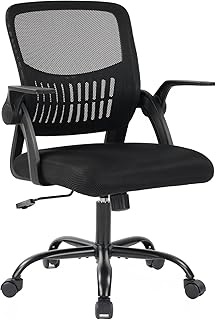
DUMOS Office Chair
Check PriceAn adjustable chair is the easiest tool for dialing in your sewing chair height. Look for a chair with a pneumatic lift, a stable five star base, and a firm cushion. Fixed chairs can work, but they leave little room for changes in footwear, floor mats, or sewing table upgrades.
Benefits of an Adjustable Chair
- You can change height when you switch between sewing, cutting, and pressing tasks.
- It adapts if you wear different shoes or add a footrest.
- It lets multiple people share the same sewing space comfortably.
- It supports small posture changes throughout a long session.
When a Fixed Chair Works
A fixed chair can work in a dedicated sewing corner where the table height is also fixed. If you are the only user and you have measured your ideal seat height, a fixed chair can feel stable and solid. Re-measure if you change your table, add a thicker floor mat, or switch to different shoes. Pairing the right seat with an adjustable height sewing table gives you the most control over your workspace.
Step by Step Setup for Good Sewing Posture
Pink Power Sewing Chair
Check PriceFollow this sequence each time you sit down to sew. Small adjustments matter more than buying an expensive chair. A consistent setup routine helps you notice when something feels off before it becomes pain.
- Sit on the chair and place both feet flat on the floor.
- Check that your knees are level with your hips or slightly lower.
- Rest your hands lightly on the sewing machine bed.
- Look at your elbows. They should bend close to 90 degrees.
- Check your wrists. They should stay straight, not bent sharply.
- Adjust the chair height first, then the table or machine height.
- Add a footrest if your feet cannot reach the floor comfortably.
Footrests and Seat Cushions
A footrest is not a sign of a failed setup. If your chair must be high to match the sewing table, a footrest restores leg support and prevents pressure behind the thighs. Use a sloped or flat footrest that allows your feet to rest without pressing into your calves. A seat cushion can add height, but choose a firm one. Soft cushions let the pelvis sink and undo the benefits of a good chair height.
Armrests and Sewing
Armrests can interfere with free motion and fabric control. If your chair has armrests, they should be low enough to stay out of the way when you guide fabric. Removable or flip up armrests are best for sewing. If you cannot remove them, set them below the table height so your elbows stay free and your shoulders stay relaxed.
Common Sewing Chair Height Mistakes
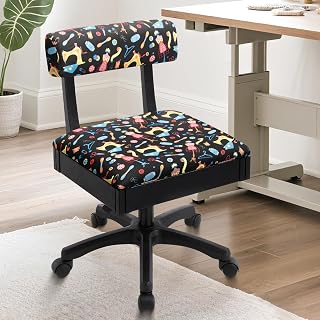
Ultrahome Wood Sewing Chair
Check Price- Choosing a chair based on style instead of seat height.
- Ignoring the gap between the chair and the sewing table.
- Sitting too far from the machine and leaning forward.
- Letting feet dangle without a footrest.
- Using a soft dining chair that tilts the pelvis backward.
- Keeping the chair too low and lifting the shoulders.
How to Modify Your Current Sewing Chair
You do not need a brand new chair to improve your sewing chair height. A fixed chair can be raised with firm seat cushions or stable wooden blocks under the base, as long as the chair remains steady. A chair that is too high may need a shorter gas cylinder if it has one. Adding a footrest is often the simplest upgrade. The goal is always a stable base, relaxed shoulders, and flat feet.
FAQ Section
What is the best sewing chair height?
There is no single best height. Start with your lower leg measurement minus one inch. For most adults this lands between 16 and 21 inches. Adjust from there based on your sewing table height and how your elbows and wrists feel.
Should my sewing chair be higher than my desk chair?
It can be. A sewing machine raises the work surface above a typical desk. This often requires a slightly higher seat, especially if your sewing table is tall. Use a footrest if raising the chair makes your feet lose contact with the floor.
Can I use a regular office chair for sewing?
Yes, if it has adjustable height and a firm seat. Avoid office chairs with deep bucket seats or fixed armrests that block your arms. Many sewists prefer a stool or task chair without wheels for better stability.
How do I know if my sewing chair is too high?
If your feet dangle, your knees point down, or you feel pressure behind your thighs, the chair is likely too high. Lower it or add a footrest. If your hips tilt backward, lower the seat or add a small wedge cushion.
What if my sewing table is too high?
Raise the chair first. Then add a footrest to support your legs. If your shoulders still lift toward your ears, consider a lower table, a machine platform, or an adjustable height sewing table.
Conclusion
Your sewing chair height is not a minor detail. It shapes your posture, your comfort, and the quality of your stitching. Measure your lower leg, set the seat so your knees and elbows stay near 90 degrees, and always support your feet. Make small adjustments before you start each project, and your body will thank you after every seam.
