
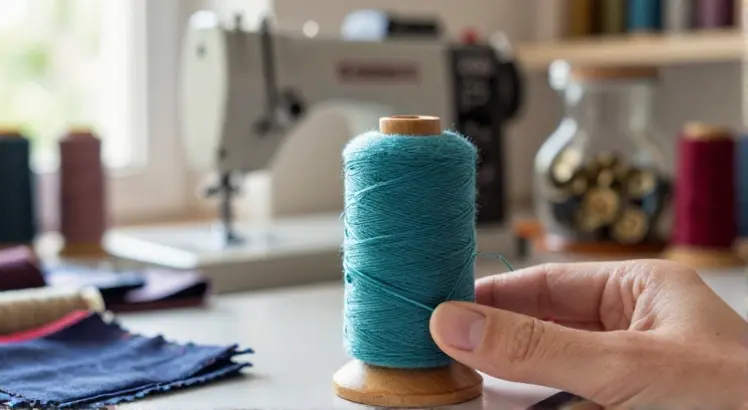
Nothing frustrates sewers more than reaching for a spool of thread only to find it tangled, unraveled, or trailing across your sewing room floor. Learning how to keep thread on the spool is an essential skill that saves time, reduces waste, and keeps your sewing space organized. Whether you’re dealing with serger cones, embroidery spools, or regular sewing thread, this comprehensive guide will show you practical solutions to maintain neat, secure thread spools.
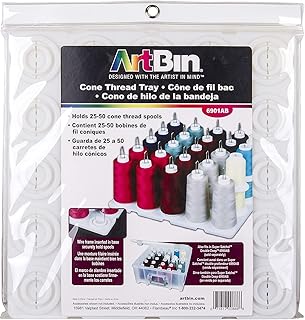
ArtBin 6901AB Cone Thread Tray, Sewing & Embroidery Serger Cone Thread Spool Assortment Organizer
Check PriceWhy Thread Keeps Coming Off Spools
Before diving into solutions, it’s important to understand why thread slips off spools in the first place. Several factors contribute to this common sewing room problem, and identifying the cause helps you choose the right prevention method.
Manufacturing Design Issues
Many thread manufacturers design spools with smooth edges or inadequate notches to secure the loose end. Budget threads often lack proper retention features, making them prone to unwinding during storage or transport. Premium threads typically include better spool designs with deeper notches or specialized locking mechanisms.
Improper Storage Conditions
Temperature fluctuations, humidity, and physical movement cause thread to expand, contract, and shift on spools. When thread isn’t properly secured before storage, vibration from nearby sewing machines or accidental bumps can start the unwinding process. Understanding proper thread storage techniques makes a significant difference in maintaining neat spools.
Simple Methods to Secure Thread on Spools
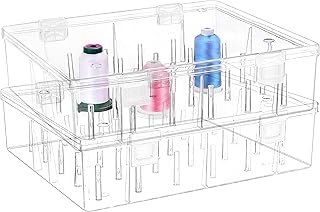
New brothread Pack of 2 Tall and Clear Storage Box/Organizer for 2×30 Home Embroidery & Cotton Thread Spools
Check PriceThe good news is that keeping thread on spools requires minimal supplies and just a few seconds of effort. These tried-and-true methods work for most thread types and spool designs.
The Notch and Tuck Method
Most modern thread spools feature small notches on the top or bottom edges specifically designed to hold the loose end. Follow these steps:
- Pull the loose thread end to the nearest notch on the spool rim
- Insert the thread into the notch firmly
- Wrap the thread around the spool once or twice
- Tuck the end back into the notch or under the wrapped thread
- Give it a gentle tug to ensure it’s secure
Using Thread Nets or Caps
Thread nets are stretchy mesh sleeves that slide over spools to hold thread in place. They’re especially useful for slippery threads like rayon, metallic, or silk that tend to escape notches. Simply slide the net over the spool after tucking the thread end, and it creates gentle tension that prevents unraveling.
Paper Tape or Clip Solutions
For spools without notches or when the notch fails, use small pieces of painter’s tape, washi tape, or specialized thread clips. Place the tape over the thread end where it meets the spool body, or use a small plastic clip designed for this purpose. Avoid using regular Scotch tape as it can leave sticky residue on thread.
Advanced Solutions for Stubborn Thread Spools
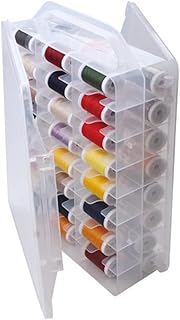
46 Grids Sewing Organizer, Double Sided Thread Box Storage, Portable Clear Plastic Organizer Box
Check PriceSome threads seem determined to escape no matter what you do. These advanced techniques provide extra security for problematic spools.
Rubber Bands and Hair Ties
Small elastic bands work wonderfully for securing thread ends. After tucking the thread into the notch, slide a tiny elastic band over the spool to hold everything in place. This method is particularly effective for serger cones and large spools where the thread has more momentum if it starts unwinding.
Commercial Thread Locks
Several companies manufacture specialized thread locks—small plastic devices that clamp onto spool edges to secure loose ends. Brands like Thread Heaven and Clover make affordable options that work with most spool sizes. These are reusable and provide a more permanent solution than tape or nets.
DIY Thread Retainers
Create your own thread retainers using small safety pins, bobby pins, or even carefully cut plastic from milk jugs. Bend the pin to hook onto the spool edge while clamping the thread end against the spool body. This low-cost solution works surprisingly well and costs virtually nothing.
Preventing Thread Tangling During Use
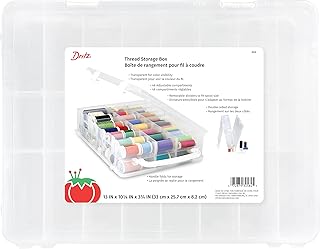
Dritz Thread Storage Box Organizer – Double-Sided 48 Adjustable Compartments
Check PriceKeeping thread on the spool while sewing requires different strategies than storage solutions. When your machine is running, thread experiences tension and movement that can cause spilling if not managed properly.
Proper Spool Placement
Always place spools on your machine so they unwind from the back to the front (or according to your machine manual). This natural unwinding direction reduces the chance of thread catching and pulling off the spool uncontrollably. Using spool caps that match your spool width prevents the spool from wobbling and releasing excess thread.
Using Thread Stands for Large Cones
Serger cones and large thread cones benefit from independent thread stands that sit beside your machine. These stands allow cones to unwind vertically, reducing tension and preventing the cone from jumping or spinning excessively. The thread feeds more smoothly and stays controlled throughout your project.
Choosing Quality Thread to Reduce Problems
Not all threads are created equal, and investing in better quality can dramatically reduce spool management issues. High-quality thread brands design their spools with better retention features and use thread constructions that hold shape better than cheap alternatives.
Signs of Poor Quality Thread
- Excessive fuzziness or lint production
- Inconsistent thickness along the strand
- Weak spots that break frequently
- Spools that feel lightweight for their size (indicates less thread)
- Smooth spool edges without proper notches
Benefits of Premium Thread
Quality threads like Gutermann, Mettler, or Aurifil feature superior spool design with deep retention notches, textured rims for better grip, and thread formulations that resist unraveling. While they cost more initially, the time saved and reduced frustration make them worthwhile investments for serious sewers.
Organizing and Storing Thread Spools
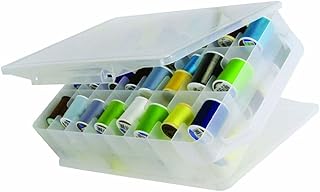
Double-Sided Sewing Organizer Box with 46 Grids – Clear Plastic Thread Storage Case
Check PriceProper organization prevents many thread spillage problems before they start. When spools are stored correctly, they’re less likely to get knocked around or have their thread ends work loose.
Thread Storage Boxes and Racks
Invest in storage solutions that hold spools securely in place. Drawer organizers with individual compartments, wall-mounted racks that display spools vertically, or tackle boxes with adjustable dividers all keep spools stable. Avoid storing thread in piles where spools can roll against each other and loosen thread ends.
Climate Control Considerations
Store thread in a cool, dry place away from direct sunlight. Extreme temperatures cause thread fibers to expand and contract, which can loosen tension on the spool. A consistent environment between 65-75°F with moderate humidity keeps thread stable and less likely to shift on spools.
Troubleshooting Common Thread Spool Problems
Even with preventive measures, you may encounter specific issues. Here’s how to handle the most frequent problems sewers face with thread spools.
Thread Keeps Unraveling Despite Securing
If thread consistently escapes your securing method, the spool may be overfilled or the thread type is too slippery. Try removing the top layer of thread (about 10-15 wraps) to reduce pressure, or switch to a different securing method like a thread net combined with a rubber band. Slippery threads like rayon or metallic often require double security measures.
Notches Are Too Shallow or Missing
Older spools or budget brands sometimes lack proper notches entirely. In this case, create your own retention point by wrapping clear tape around the spool edge to create a slight ridge, or use commercial thread clips that attach to any spool edge. You can also carefully file a small notch into plastic spools using an emery board or small file.
Thread Tangles When Spool Drops
Accidents happen, and when a spool falls, it often results in a tangled mess. Rather than cutting away the tangled section (which wastes thread), carefully work the loops backward to untangle them. Start from the outside and gently ease the thread back onto the spool rather than pulling, which tightens knots.
FAQ: Keeping Thread on Spools
Should I always secure the thread end after sewing?
Yes, developing the habit of securing the thread end after every sewing session prevents most unraveling problems. It takes just seconds but saves significant time dealing with tangles later. Make it part of your machine cleanup routine along with removing the fabric and replacing the presser foot.
Can I leave thread on the machine between projects?
You can leave thread on your machine for short periods (a few days), but always secure the spool end and clip the thread tail at the machine. For longer storage (weeks or months), remove thread from the machine and store spools properly to prevent dust accumulation and thread degradation.
Why does my thread get tangled inside the spool?
Thread tangling inside the spool (called “thread nesting”) happens when the thread feeds from the center rather than unwinding properly from the outside. Ensure your spool is oriented correctly on the machine and that the thread feeds smoothly through all thread guides before reaching the needle.
Are thread nets reusable?
Yes, thread nets are fully reusable and can last for years with proper care. When moving a net to a new spool, gently stretch it open rather than pulling aggressively, which can cause tears. Wash nets occasionally in mild soap and water if they become dusty or dirty.
What’s the best way to secure serger cone thread?
Serger cones present unique challenges due to their size and shape. Use cone nets (larger than regular thread nets), rubber bands positioned near the top of the cone, or specialized cone caps. Some sewers also use small plastic bags secured with rubber bands over the cone tops when storing serger thread long-term.
Expert Tips for Thread Management
Beyond basic securing methods, these professional tips elevate your thread management game and extend the life of your thread collection.
Label Partially Used Spools
When you have multiple partially used spools of the same color, label them with the project they came from or the date you opened them. This helps you use older thread first (preventing degradation) and ensures you can return to the exact match for future project phases. Use small adhesive labels or washi tape for easy removal.
Rotate Your Thread Stock
Like food in your pantry, thread has a shelf life. Cotton thread lasts 5-10 years, while polyester can last decades. Use older thread first and store newer purchases at the back of your storage area. This rotation system ensures you’re always working with viable thread and reduces waste from degraded spools.
Keep a Thread Emergency Kit
Assemble a small kit with thread nets, clips, rubber bands, and tape that lives near your sewing machine. When you notice a loose thread end, you can secure it immediately rather than thinking “I’ll do it later” and then forgetting. Immediate action prevents most thread spillage disasters.
Conclusion
Mastering how to keep thread on the spool transforms your sewing experience from frustrating to enjoyable. By implementing these practical methods—from simple notch-and-tuck techniques to advanced storage solutions—you’ll spend less time untangling and more time creating. Remember that prevention is always easier than correction, so make securing thread ends a non-negotiable part of your sewing routine. Quality thread, proper storage, and the right tools combine to keep your spools neat, your sewing room organized, and your projects moving smoothly. Start applying these tips today, and you’ll wonder why you ever tolerated tangled thread spools in your sewing space.
For more information on proper sewing techniques and thread management, consult resources from the Sewing & Textile Alliance, which offers professional guidance on all aspects of sewing and thread handling.
