
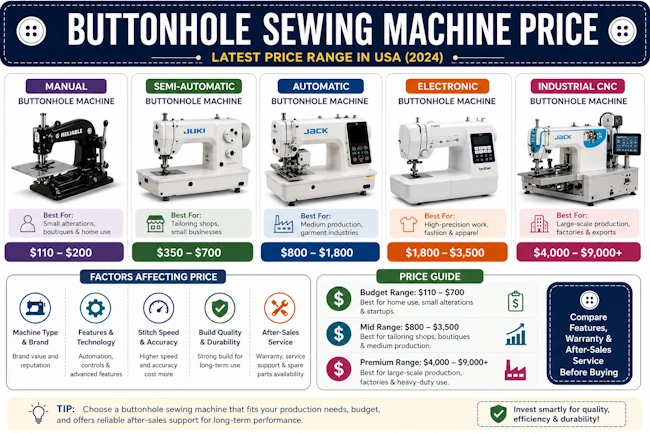
A buttonhole sewing machine is an essential piece of equipment in the garment and tailoring industry. It is specially designed to create precise and strong buttonholes in shirts, trousers, uniforms, jackets, and other clothing items. Unlike manual stitching, a buttonhole machine ensures speed, accuracy, and uniform quality, which is extremely important for professional clothing production.
When people search for buttonhole sewing machine prices, they are usually trying to understand how much investment is required before starting or upgrading a tailoring business. The price can vary widely depending on whether the machine is manual, semi-automatic, or fully computerized. In 2026, the demand for efficient sewing machines has increased, making it important to understand pricing, features, and long-term value before buying.
This guide will help you explore everything about buttonhole machines, including price ranges, types, features, comparisons, and buying tips, so you can make a smart investment decision.
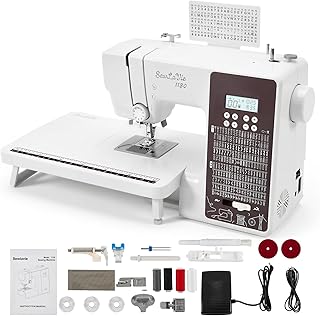
SewLaVie 1130 Computerized Sewing and Quilting Machine, 300 Stitches, LCD Screen, 1-Step Buttonhole
Check PriceWhat Is a Buttonhole Sewing Machine and How Does It Work
A buttonhole sewing machine is a specialized sewing machine designed to stitch reinforced openings in fabric for attaching buttons. These machines use tight zigzag or lock stitches to create strong, durable holes that do not tear easily during use.
The working process is quite simple but highly precise. The machine first stitches the outline of the buttonhole in a rectangular or keyhole shape. After stitching, some machines automatically cut the opening, while others require manual cutting using a blade or scissors.
Industrial buttonhole machines use powerful motors and adjustable settings to handle different fabric types, including cotton, denim, wool, and heavy-duty materials. Advanced machines also allow customization of buttonhole size, stitch density, and shape.
This technology helps manufacturers save time and improve consistency across large production batches.
Average Buttonhole Sewing Machine Price Range in 2026
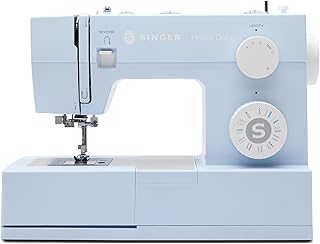
SINGER® HD 4423 (Meltwater Blue) High Speed Sewing Machine 1-Step Buttonhole
Check PriceThe price of buttonhole machines depends mainly on automation level, brand, and industrial capacity. Based on current market data, here are the general price ranges:
- Entry-Level Machines: $600 – $1,200
These are usually semi-automatic machines suitable for small tailoring shops. - Mid-Range Machines: $1,200 – $4,000
These machines offer better speed, durability, and semi-automatic or programmable functions. - High-End Industrial Machines: $4,000 – $10,000+
These are fully automatic machines used in garment factories with high production demand. - Premium Computerized Systems: $10,000 – $15,000+
These include advanced features like digital control panels, automatic trimming, and high-speed production capabilities.
In local markets (especially in Asia), you can also find more affordable options starting from around $800 depending on condition and brand.
Factors That Affect Buttonhole Sewing Machine Price
Several important factors influence the price of a buttonhole machine:
1. Automation Level
Manual machines are the cheapest, while fully automatic computerized machines are the most expensive.
2. Motor Power and Speed
Machines with servo motors and high-speed stitching capabilities cost more but offer better efficiency.
3. Build Quality
Machines made with metal gears and industrial-grade materials are more expensive but last longer.
4. Brand Reputation
Well-known brands like Juki, Brother, and Pfaff usually charge higher prices due to reliability and service support.
5. Features and Technology
Features like automatic thread trimming, digital settings, and programmable stitch patterns increase the price significantly.
6. Maintenance and Spare Parts
Machines that are easier to repair and have widely available parts are more valuable in the long run.
Types of Buttonhole Sewing Machines and Their Prices
Manual Buttonhole Machines
These are basic machines used in home sewing. They are cheap but require more effort and skill.
Semi-Automatic Machines
These are widely used in tailoring shops. They offer better speed and consistency at a reasonable price range of $600–$1,200.
Fully Automatic Machines
These machines handle cutting and stitching automatically. They are used in factories for large-scale production.
Computerized Industrial Machines
These are advanced machines with digital controls, high-speed motors, and programmable stitching patterns. They are the most expensive but also the most efficient.
Brand-Wise Buttonhole Sewing Machine Price Comparison
Different brands offer different price ranges and features:
- Juki: Known for high durability and precision, mid to high price range
- Brother: Popular for smooth operation and reliability
- Siruba: More affordable industrial options
- Pfaff: Premium machines with advanced engineering
Industrial machines from Japanese and German brands are usually more expensive due to higher build quality and longer lifespan.
Key Features That Increase Machine Price
Some features directly affect pricing:
- Automatic thread cutting system
- Adjustable stitch length and width
- Servo motor technology
- High-speed stitching capability
- LCD or touchscreen control panels
- Multi-pattern buttonhole settings
- Heavy fabric compatibility
Machines with advanced automation are more expensive but reduce labor cost significantly.
Buttonhole Sewing Machine Price for Small Shops vs Factories
Small Tailoring Shops
Small businesses usually prefer affordable machines between $600 and $1,500. These machines are sufficient for daily tailoring work and small orders.
Medium Garment Businesses
Mid-range machines between $1,500 and $4,000 are ideal for growing businesses that need better speed and consistency.
Large Factories
Factories require high-speed machines costing $4,000 to $10,000 or more to handle mass production efficiently.
The right choice depends on workload and production scale.
Is an Expensive Buttonhole Sewing Machine Worth It?
Yes, in many cases, expensive machines are worth the investment because they offer:
- Faster production speed
- Better stitch quality
- Reduced labor cost
- Lower maintenance in long term
- Higher durability
However, if you are a beginner or small tailor, a mid-range machine is usually more practical and cost-effective.
Where to Buy a Buttonhole Sewing Machine at the Best Price
You can buy buttonhole machines from:
- Local sewing machine markets
- Industrial equipment suppliers
- Online platforms like Alibaba or Amazon
- Second-hand machinery dealers
Second-hand machines can save 30% to 50% cost but should always be checked carefully before purchase.
Buyer’s Guide: How to Choose the Right Buttonhole Sewing Machine
Before buying, consider the following:
Your Production Needs (Home, Shop, or Factory Use)
Before buying a buttonhole machine, the first and most important step is understanding your production needs. If you are using it for home sewing or small personal projects, you do not need a heavy industrial machine. A simple semi-automatic model will be enough.
For small tailoring shops, where daily customer orders come in, a mid-range machine is more suitable because it balances speed, durability, and cost. It can handle frequent use without breaking down quickly.
On the other hand, large garment factories require high-speed industrial machines that can run continuously for long hours. These machines are built for mass production and can handle thousands of buttonholes per day. Choosing the right level ensures you don’t overspend or underperform.
Fabric Type You Work With
The type of fabric you work with plays a big role in selecting the right buttonhole machine. Lightweight fabrics like cotton, silk, or polyester are easy to handle and can be stitched with almost any basic machine.
However, if you regularly work with heavy fabrics like denim, canvas, wool, or layered materials, you need a more powerful industrial machine. These fabrics require strong needle penetration and stable stitching to avoid tearing or uneven holes.
Using the wrong machine for thick fabric can damage both the material and the machine itself. So always match the machine strength with your fabric type to ensure clean and professional results.
Required Speed and Level of Automation
Speed and automation are key factors that directly affect productivity. Manual machines are slow and require more effort, making them suitable only for light work or beginners.
Semi-automatic machines offer a good balance, where some functions are automated but still require operator control. These are ideal for small businesses.
Fully automatic or computerized machines are designed for high-speed production. They can automatically adjust stitch settings, cut buttonholes, and maintain consistent quality without much manual input. If your work demand is high, investing in automation saves time and increases output significantly.
Budget Range and Overall Investment Plan
Your budget determines the category of machine you can buy, but it should also be treated as a long-term investment rather than just an expense. Low-budget machines are good for beginners, but they may lack durability and advanced features.
Mid-range machines are the most popular choice because they offer good performance at a reasonable price. They are suitable for growing tailoring businesses.
High-end machines are expensive but provide professional-grade speed, accuracy, and durability. Before buying, always compare features with price and consider how quickly the machine will pay back its cost through work output.
Availability of Spare Parts and Maintenance Support
A machine is only valuable if it can be maintained easily. Before purchasing, always check whether spare parts are easily available in your local market. Machines with rare or imported parts can become difficult and expensive to repair.
Regular maintenance is also important for smooth performance. Machines that require frequent servicing or complex repairs can increase long-term costs.
Choosing a model with strong local support ensures that you can quickly fix issues and avoid production delays. This is especially important for businesses where time is money.
Warranty, After-Sales Service, and Brand Support
Warranty and after-sales service are often ignored but are extremely important when buying a buttonhole machine. A good warranty protects you from manufacturing defects and early breakdowns.
Brands that offer strong customer support help you solve technical issues quickly, reducing downtime in your work. Some companies also provide training or installation support, which is very useful for beginners.
Always choose a trusted brand that has a reliable service network. Even if the price is slightly higher, good support saves money and stress in the long run.
Avoid buying extremely cheap machines because they often lack durability and performance.
Buttonhole Sewing Machine Price Overview
| Type | Price Range | Best For |
| Manual/Attachment | $50 – $150 | Home use |
| Semi-Automatic | $600 – $1,200 | Small shops |
| Automatic | $1,500 – $4,000 | Medium businesses |
| Industrial Computerized | $4,000 – $10,000+ | Factories |
Frequently Asked Questions (FAQ)
What is the cheapest buttonhole machine?
The cheapest options start from around $50 for basic attachments and can go up to $600 for entry-level machines.
How much does an industrial buttonhole machine cost?
Industrial machines typically cost between $1,200 and $10,000 depending on features and automation level.
Is a computerized buttonhole machine better?
Yes, computerized machines offer higher precision, speed, and automation, making them ideal for factories.
Which brand is best for beginners?
Brands like Brother and Juki are often recommended for beginners due to ease of use and reliability.
Conclusion
The price of a buttonhole sewing machine depends heavily on features, automation level, and brand quality. If you are a beginner, a mid-range machine is the best choice because it balances cost and performance. For industrial use, investing in a high-end computerized machine can significantly improve productivity and reduce long-term labor costs.
Choosing the right machine is not just about price; it is about long-term value, efficiency, and durability. Always compare features carefully before making a purchase to ensure you get the best return on your investment.
