
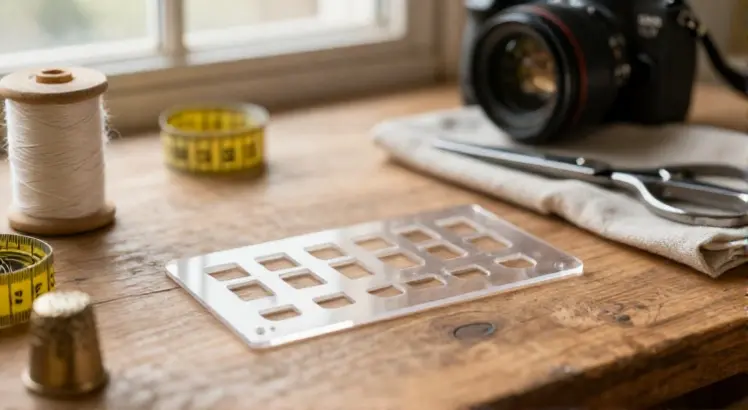
What Is a Buttonhole Machine?
Buttonhole machines are specialized sewing units that create consistent, durable openings for buttons. They can be standalone industrial equipment or a built in function on home sewing machines. If you want to understand what buttonhole sewing involves, it is a precise process that requires careful setup. The right sizing ensures buttons pass through smoothly without fabric tearing.
A buttonhole is essentially a bound slit reinforced with stitch density. The machine automates this task, controlling stitch width and length. With proper calibration, you can replicate perfect results across dozens of garments. This consistency is especially valuable for tailored shirts, suits, and home decor projects.
Machines range from simple four step mechanisms to advanced computerized systems. All share the goal of producing neat, bar tack secured openings. Learning the sizing fundamentals is the first step toward professional results. This guide will help you match machine capabilities to your actual project needs.
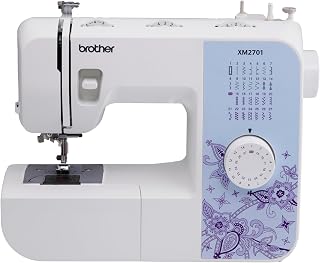
Brother XM2701 Lightweight Portable Sewing Machine
Check PriceWhy Buttonhole Sizing Matters
Incorrect buttonhole sizing undermines both function and appearance. A hole too small forces the button through, stressing the fabric and eventually fraying edges. A hole too large causes the garment to gape open, losing its intended structure. Perfect sizing ensures a secure closure and a polished look.
Sizing also affects the longevity of your project. A snug fit distributes tension evenly around the button shank. Over time, this prevents the thread from breaking down under repeated use. Careful measurement at the start saves costly repairs later.
Different fabrics behave differently under stitch tension. A size that works for crisp cotton may pucker on a loosely woven linen. Therefore, a buttonhole sizing guide must always account for material characteristics. Matching the machine settings to your fabric type is essential for crisp edges.
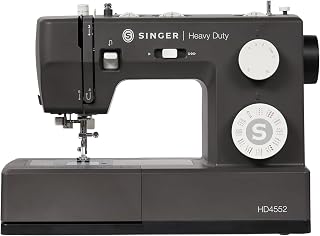
SINGER Heavy Duty 4552 Next Evolution Sewing Machine
Check PriceTypes of Buttonhole Machines
Home sewing machines typically offer a four step or one step buttonhole function. A four step design requires you to manually switch between each side of the hole. In contrast, a one step automatic system senses the button size and completes the entire shape. Your choice impacts how easily you can replicate consistent sizing.
Industrial buttonhole machines are a separate category built for speed and durability. They use a straight stitch or purl stitch mechanism to handle high volume production. These units often have adjustable cutting knives and precise length stops. For tailoring shops, an industrial machine is the gold standard for repeatable sizing.
There are also dedicated keyhole buttonhole machines for heavier fabrics like denim and outerwear. The rounded front accommodates a thicker button shank. Understanding which type aligns with your project helps you choose the correct machine capacity. More stitches per centimeter generally produce a finer, more durable edge.
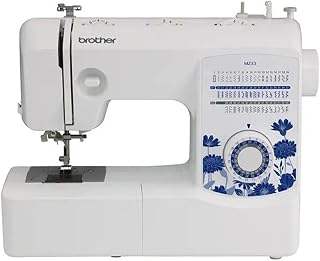
Brother MZ53 Full-Size Sewing Machine
Check PriceKey Features That Influence Sizing
Several machine components directly affect buttonhole dimensions. The stitch length and width dials control the visual density and overall slot width. A machine with a built in buttonhole lever or sensor can replicate a stored size. Adjustable cutting space prevents the fabric from being overcut.
Look for a model that offers variable stitch density settings. Tighter stitches create a reinforced lip that holds shape under strain. Some machines let you set the number of stitches per side independently. This flexibility is crucial when sewing with unstable or slippery fabrics.
The presser foot itself matters. A sliding buttonhole foot with a built in gauge provides a visual size reference. Models that include a button placement guide reduce measurement errors. Calibration marks on the foot let you match the hole exactly to the button diameter.
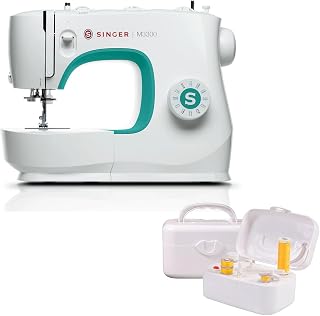
SINGER M3300 Sewing Machine with 97 Stitches
Check PriceHow to Measure a Button for Buttonholes
Accurate sizing starts with the button itself. Measure the diameter across the widest part, then add the button’s thickness. This combined measurement dictates the minimum buttonhole length. For flat buttons, the formula is diameter plus 2 to 3mm of ease.
Thick or domed buttons require more room. Wrap a piece of string around the button’s circumference at its thickest point. Measure that length and divide by two to get a realistic slot dimension. Always test on a fabric scrap before sewing the final garment.
Some guides recommend using the machine’s automatic button foot to capture the size. Place the button in the foot’s holder, and the machine will sew a perfectly matched hole. For manual setups, mark the fabric with the exact length using a water soluble pen. Double check the measurement after the first hole.
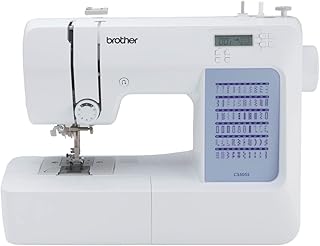
Brother CS5055 Computerized Sewing Machine
Check PriceNeedle and Thread Sizing for Buttonholes
The needle and thread combination dramatically affects the finished slit quality. A needle that is too thick can permanently distort the weave, making the hole appear larger than intended. Use a sharp or microtex needle in sizes 70/10 or 80/12 for most shirt weight fabrics. The right needle creates clean entry points for the dense zigzag stitches.
Thread weight influences both appearance and durability. A heavier thread, such as a 30 weight, builds a bolder edge but might alter the perceived hole width. Match the top thread and bobbin thread to avoid tension imbalance. For silk or fine cotton, a fine 50 weight thread yields a sleek, low profile result.
Always check your machine’s tolerance for thicker threads before committing. Conduction a test run on the actual project fabric to confirm the button passes smoothly. If the stitching feels bulky, step down to a finer thread or increase stitch length slightly. Consistency in thread tension keeps the hole’s shape crisp.
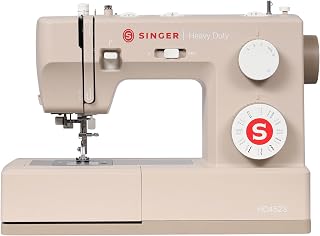
SINGER Heavy Duty 4523 Next Evolution Sewing Machine
Check PriceFabric Considerations for Perfect Sizing
Every fabric reacts uniquely under the dense stitch formation of a buttonhole. Wovens like poplin and broadcloth hold crisp edges with minimal fraying. Knits stretch readily, so a stabilized buttonhole is necessary to prevent wavy distortion. The sizing must account for the fabric’s natural give.
For loosely woven linens or open weaves, a slightly shorter hole with extra ease prevents fraying into the cut. Applying a lightweight fusible interfacing behind the buttonhole area stabilizes the threads. This step ensures the hole maintains its intended dimensions. Delicate silks benefit from a fine organza backing for invisible support.
Denim and canvas demand robust sizing because the fabric resists compression. Increase stitch density to reinforce the cut edge, and use a microtex needle. Testing on a hem or seam allowance sample reveals how the fabric behaves under cutting. Never skip interfacing on these sturdy materials.
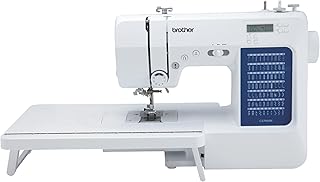
Brother CS7000X Sewing and Quilting Machine
Check PriceButtonhole Style and Size Variations
Standard rectangular buttonholes suit most shirt and blouse fronts. A keyhole style has a round end to accommodate shank buttons, often used in jackets. The size of this circular opening must match the shank thickness. Eylet buttonholes are tiny round openings for delicate closures like baby garments.
Stretch buttonholes are specially engineered for knit fabrics. They incorporate a slight zigzag or triple stitch that expands with the fabric. The sizing remains critical; too short and the hole rips under tension. Many modern machines have a dedicated stretch buttonhole setting labeled in the menu.
Bound buttonholes are a couture technique where the opening is framed with fabric lips. These are cut larger to accommodate the additional bulk of folded fabric. Machine settings must create a precise rectangle that can be filled with the bound edges. Practice on scraps to calibrate the lip width.
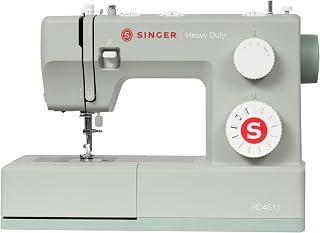
SINGER Heavy Duty 4511 Next Evolution Sewing Machine
Check PriceAdjustable vs. Fixed Sizing Mechanisms
Mechanical dial systems allow you to set the buttonhole length manually. You turn a knob to define the stopping point, which gives full control over size. This is ideal if you frequently sew non standard buttons. However, it requires careful resetting between projects.
Electronic or sensor based machines memorize the exact size using a button placed in the foot. The machine then replicates that dimension every time. This automatic approach eliminates measurement drift across multiple garments. For production sewing, this repeatability is a massive time saver.
Some high end models offer programmable memory slots. You can store several common buttonhole lengths and recall them instantly. This hybrid approach combines precision with flexibility. In all cases, always verify the first stitched hole with a physical button.
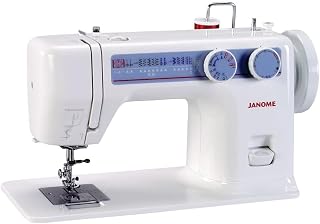
Janome 712t Treadle Sewing Machine
Check PriceThroat Space and Machine Size Considerations
The physical dimensions of your machine impact how easily you can position fabric for buttonholes. A larger throat space, the area right of the needle, allows bulky projects like coats to lay flat. Cramped space leads to fabric bunching and misaligned hole placement. Assess the typical size of your projects before purchasing.
Compact portable machines are perfect for small garment work on shirt cuffs and collars. However, if you plan to sew buttonholes on quilts or winter coats, select a machine with a generous work area. The machine’s weight also influences stability during precision work. Heavier models vibrate less and keep the stitch path true.
The free arm feature is invaluable for tubular items like sleeves. It allows the fabric to wrap around easily while maintaining alignment. When evaluating sizing, think about the maneuverability the machine offers. Easy fabric positioning directly contributes to accurate hole length.
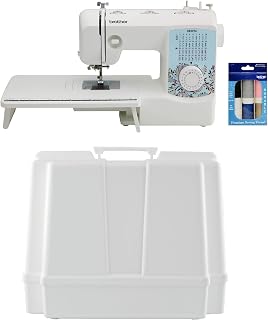
Brother XR3774 37-Stitch Sewing and Quilting Machine
Check PriceHome Use vs. Industrial Sizing Needs
Home sewists benefit from versatile machines that handle multiple buttonhole styles. Sizing needs are project specific, varying from delicate blouses to sturdy aprons. A one step automatic buttonhole function suffices for most household sewing. It delivers reliable 10mm to 25mm lengths for standard buttons.
Industrial environments demand rapid, exact repetition. Machines like straight stitch buttonholers produce lengths up to 40mm for heavy outerwear. These units have built in gimp or cord guides that reinforce the hole for workwear. If you are running a small business, invest in a standalone industrial machine.
The key difference is the durability of the cutting mechanism. Industrial machines punch or slice the slit cleanly, while home models often require a manual seam ripper. Correct sizing in industrial settings also factors in thread thickness and stitch per cm ratio. This ensures consistent quality across thousands of pieces.
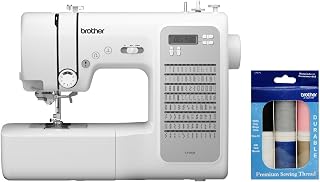
Brother CP100X Computerized Sewing and Quilting Machine
Check PriceMaintenance for Consistent Sizing
Mechanical precision degrades with lint buildup and worn parts. Regularly clean the bobbin area and feed dogs to prevent stitch inconsistencies. Lubricate the buttonhole lever and cutting mechanism according to the manual. A well maintained machine delivers the same size hole on the first and hundredth garment.
Check the needle plate for scratches or burrs that can snag delicate fabric. Even a tiny imperfection can shift the fabric and alter the actual hole length. Replace the needle after every large project or when you notice skipped stitches. Dull needles push fabric rather than pierce cleanly, distorting the intended shape.
Calibrate the automatic buttonhole foot every few months. Run a test on stabilizer with the machine’s factory preset and measure the result. Adjust the balance wheel if the sides appear uneven. Buttonhole stitching technique relies on symmetrical bite, so minor tuning pays big dividends.
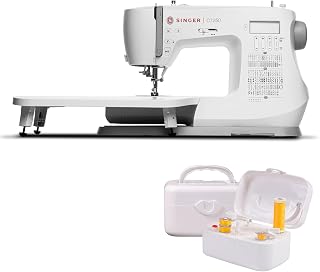
SINGER C7250 Sewing & Quilting Machine
Check PriceCommon Sizing Mistakes and How to Avoid Them
One frequent error is cutting the hole before testing the measurement. Always sew the buttonhole completely and then pass the button through. If the fit is too tight, the stitching can be carefully unpicked but the cut is permanent. Patience at this stage prevents ruined fabric.
Another mistake is ignoring the impact of interfacing on final size. Fusible interfacing stiffens the area and reduces stretch, which slightly shortens the effective length. Test the exact layered combination you will use in the garment. Adjust the setting by a millimeter or two to compensate.
Forgetting to change the needle and thread for thick fabrics leads to oversize looking holes. Bulky thread can crowd the cut opening, making the button difficult to slot. Conversely, too fine thread makes the hole feel loose. Always test the assembly before committing to the final piece.
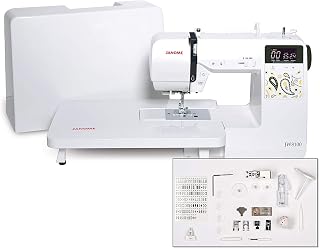
Janome JW8100 Fully-Featured Computerized Sewing Machine
Check PriceButtonhole Machine Sizing FAQ
How do I calculate the exact buttonhole length?
Measure the button diameter and add the button’s height plus a small ease allowance. For a 15mm diameter button with a 6mm thickness, aim for a 22mm to 24mm buttonhole. Use a flexible measuring tape around the button’s curve to confirm the pass through clearance. Always test the fit on the same fabric layers as your garment.
What if my machine only has a four step buttonhole?
A four step system still delivers precise sizing if you mark the fabric accurately. Draw the buttonhole length directly on the fabric or use a seam guide. As you manually progress through the steps, check the needle’s position against your marks. With practice, the results rival automatic systems.
Can I use the same size for all fabric types?
No, you must adjust the sizing slightly per fabric. For stretchy knits, use a narrower, dense stitch and a touch of extra length to prevent popping. For stable wovens, a standard ease of 2mm to 3mm works perfectly. Always interface the buttonhole area and test on a scrap to finalize your setting.
How do I size a buttonhole for thick coat buttons?
Coat buttons often have a deep shank or domed top. Measure the button at its thickest point and add 4mm to 6mm of ease. Use a keyhole buttonhole style, which includes a rounded opening at the front. The machine’s cutting space must be adjusted to accommodate the increased depth without slicing the fabric.
Does stitch density affect buttonhole size?
Yes, higher stitch density slightly compresses the fabric, which can make the hole feel smaller. A very tight satin stitch reduces the internal opening length by 0.5mm to 1mm. Conversely, a sparse stitch allows more fabric give. Adjust density based on fabric weight, then remeasure the final hole.
How often should I recalibrate the automatic sizing sensor?
Calibrate whenever you change thread type or after heavy use, about once a month for frequent sewers. Run the automatic cycle with a test button and measure the output against the expected size. If the length is off by more than 1mm, recalibrate using the machine’s manual adjustment procedure. Consistent checks ensure every buttonhole remains identical.
What is the best way to learn proper sizing quickly?
The fastest method is to create a dedicated buttonhole reference card with your common button sizes. Sew samples of each button style on a strip of the fabric you use most, label the settings, and keep it near your machine. When you encounter a new button, how to use a buttonhole machine technique will guide you, but this physical library removes guesswork.
Conclusion
Mastering a buttonhole machine sizing guide transforms your sewing results from homemade to professional. Small adjustments in length, density, and needle choice make a dramatic difference in how closures function and wear. Whether you use a compact portable model or an industrial powerhouse, the principles remain the same. Accurate measurement, fabric specific calibration, and regular maintenance form the foundation of perfect buttonholes.
Start by measuring your button carefully and adding the appropriate ease for the material. Interface the fabric to prevent distortion, and always test the complete assembly on a sample scrap. Use the right needle and thread combination to create a crisp yet flexible edge. With these steps, your buttonholes will consistently close smoothly and look impeccably crisp.
Invest time in understanding your machine’s specific sizing controls. Download the manual or watch a tutorial on your model to learn all available adjustments. Keep a sewing journal noting the successful settings for different button types. Over time, you will develop an intuition for sizing that eliminates trial and error.
Remember that even the best machine requires the operator’s knowledge to produce ideal results. When in doubt, refer back to the core rule: the buttonhole must comfortably pass the button without forcing or gaping. Trust the process, stay patient, and enjoy the satisfaction of garments that button beautifully every time.

Disclosure: As an Amazon Associate, we earn from qualifying purchases at no extra cost to you. Our posts are created with AI tools and human editing.