
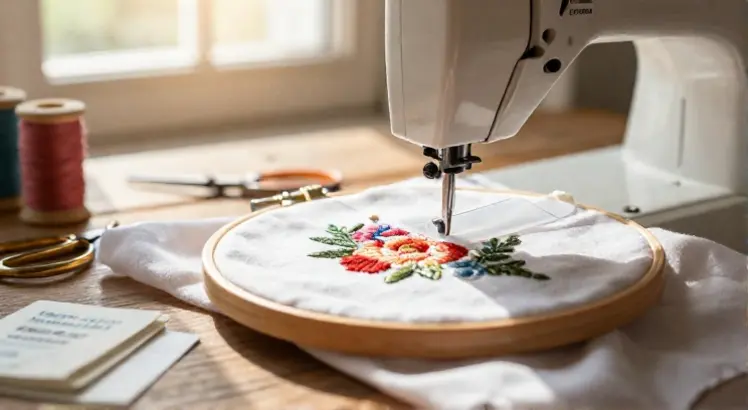
Sewing stabilizer is a backing or topping material that adds support to fabric during stitching. It prevents distortion, stretching, and puckering on woven or knit fabrics. If you have ever wondered what stabilizer is used for in sewing, the answer starts with control and structure. This guide explains the main types, uses, and practical tips for choosing the right one.
Stabilizer is not always visible in the final project. It may be removed after stitching or left in place for long term support. Many beginners skip this step, but it makes a noticeable difference. Understanding how it works will improve your sewing accuracy and professional results.
What Is Sewing Stabilizer?
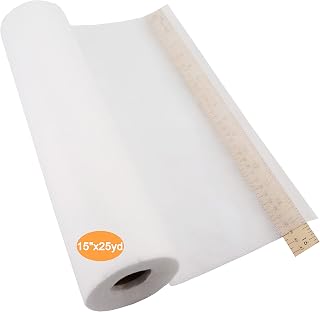
New brothread No Show Mesh Embroidery Stabilizer
Check PriceA sewing stabilizer is a special material placed under or over fabric before stitching. It gives the fabric enough stiffness to handle dense stitches or repeated needle penetration. Without it, soft or stretchy fabric can shift and gather under the presser foot. Stabilizer keeps the fabric flat and stable.
Stabilizer comes in several weights and removal styles. Some are designed to stay in the project forever, while others wash away or tear off after sewing. The choice depends on the fabric, stitch count, and final use of the item. This temporary or permanent support is essential for clean results.
Why Fabric Needs Stabilizer
Fabric moves naturally as the needle passes through it. Knits, loosely woven materials, and delicate sheers distort easily under thread tension. Stabilizer reduces this movement and creates a stable sewing surface. That support helps maintain the shape of your seams and embroidery.
Dense embroidery stitches can pull fabric inward and cause puckering. A good stabilizer absorbs the stress and keeps the design crisp. It also protects seams from stretching out during wear. This is why stabilizer is not just for embroidery but for many sewing tasks.
Main Types of Sewing Stabilizer
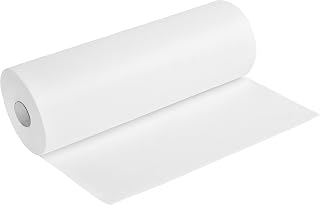
New brothread Cut Away Embroidery Stabilizer
Check PriceStabilizers are grouped by their removal method and backing style. The most common types are cut away, tear away, wash away, and heat away. Fusible stabilizers attach with an iron, while non fusible ones are hooped or placed under the fabric. Each type serves a specific purpose.
Cut away stabilizer remains attached to the back of the fabric after you trim the excess. It gives permanent support, especially for high stitch count embroidery. Tear away stabilizer is removed by tearing the excess from the design. Wash away stabilizer dissolves in water, making it ideal for toppers or free standing lace.
Cut Away and Tear Away
Cut away stabilizer is best for stretchy fabrics and dense designs. It prevents sagging and distortion after washing. Tear away stabilizer is faster to remove and works well on stable woven fabrics. Choose cut away for garments that need lasting support.
Wash Away and Heat Away
Wash away stabilizer disappears with water and leaves no residue. It is useful for backing or topping on towels, napkins, and lace. Heat away stabilizer vanishes when exposed to an iron. Both are good when you want no visible trace on the finished item.
How to Choose the Right Stabilizer
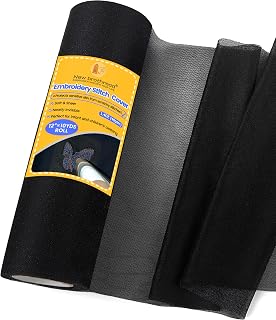
New brothread Embroidery Stitch Cover Stabilizer
Check PriceStart by looking at your fabric weight and stretch. Lightweight or sheer fabrics need a lighter stabilizer to avoid adding stiffness. Heavy or stretchy fabrics need a stronger cut away or medium weight option. Match the stabilizer to the fabric rather than using one type for everything.
Next, consider the stitch density and project use. A high stitch count design needs more support than a simple line of stitching. If the item will be washed often, choose a permanent cut away stabilizer. For temporary support, a tear away or wash away type may be enough.
Learn more about how to use embroidery stabilizer to get the best results. Testing on a fabric scrap helps you see how the stabilizer affects drape and feel. This step saves time and prevents ruined projects.
How to Use Stabilizer in Sewing
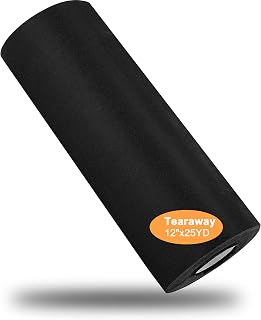
New brothread Black Tear Away Stabilizer Backing
Check PricePlace the stabilizer against the wrong side of the fabric for most sewing tasks. If you are machine embroidering, hoop the fabric and stabilizer together so both layers stay tight. For a topping, lay a wash away or heat away sheet over the right side to prevent stitches from sinking into thick pile. Smooth out any wrinkles before you start.
After stitching, remove the stabilizer according to its type. Tear away stabilizer should be gently torn from the design, working from the outer edges inward. Cut away stabilizer should be trimmed to about a quarter inch around the stitching. Wash away and heat away stabilizers are removed with water or heat.
Stabilizer for Embroidery Projects
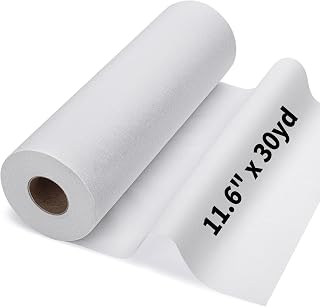
Medium Weight Fusible Interfacing for Sewing
Check PriceEmbroidery creates dense areas of thread that pull on the fabric. A stabilizer supports the fabric and keeps the design from puckering. The right backing also prevents the thread from sinking into plush or textured surfaces. This is why stabilizer is a required supply for machine embroidery.
For large or detailed designs, use a cut away stabilizer that remains in place. It will continue supporting the embroidery after washing and wearing. For small monograms on stable fabric, a medium weight tear away can work well. Check this guide to recommended fabric stabilizers for embroidery for specific product ideas.
Toppers are often overlooked but valuable for fluffy fabrics like towels or fleece. A water soluble topping rests on the surface and prevents stitches from disappearing. After embroidery, soak or rinse the item to remove the topping. This two layer approach gives a crisp finish.
Stabilizer for Regular Sewing and Garments
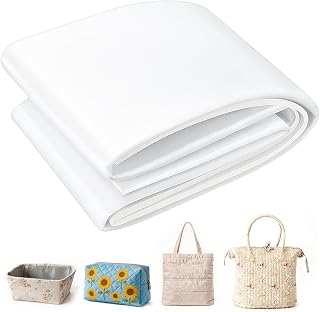
Falikoco Soft Stable Foam Stabilizer
Check PriceStabilizer is not only for machine embroidery. It helps with buttonholes, darts, collars, and seams on knits. A small piece of tear away stabilizer under a buttonhole prevents the fabric from jamming or distorting. This simple trick improves the look of any shirt or jacket.
When sewing knit fabrics, stabilizer prevents the fabric from stretching as you sew. Place a strip of stabilizer along the seam line or hem. It washes away or tears off once the seam is complete. This keeps necklines and shoulder seams from losing shape.
For quilting or bag making, a fusible stabilizer can add body and crispness. It helps the fabric hold its shape during construction. Choose a light weight option if you want to preserve drape. Use a heavier one for structured projects like tote bags or fabric baskets.
Common Mistakes When Using Stabilizer
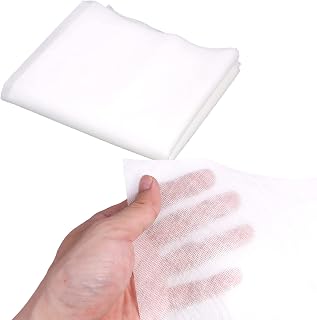
DGQ Wash Away Water Soluble Embroidery Stabilizer
Check PriceOne common mistake is using the wrong weight for the fabric. A heavy stabilizer on a delicate blouse will make it stiff and uncomfortable. A too light stabilizer on dense embroidery will not stop puckering. Always test on a scrap before committing to the full project.
Another mistake is hooping too loosely or leaving wrinkles. If the stabilizer shifts, the design can misalign and the fabric may pucker. Smooth the layers carefully and tighten the hoop evenly. Check that the fabric and stabilizer are both taut but not overstretched.
Some sewists try to reuse torn stabilizer pieces or use one layer for a heavy design. This often leads to poor results. It is better to use a fresh piece for each project. Skimping on stabilizer saves little time but can ruin hours of work.
How to Store Sewing Stabilizer
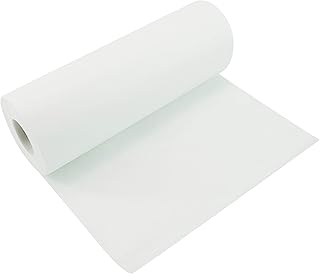
New brothread Tear Away Embroidery Stabilizer
Check PriceStore stabilizer flat or rolled, not folded, to avoid permanent creases. Creases can press into your fabric during stitching and create uneven support. Keep the original packaging or a clear bin labeled with the type and weight. This makes it easy to find the right one for each project.
Keep stabilizer away from direct sunlight and high humidity. Moisture can weaken fusible coatings and make tear away sheets brittle. A cool, dry shelf or drawer works well. If you have many rolls, store them upright in a basket or magazine holder.
Stabilizer vs Interfacing: Key Differences
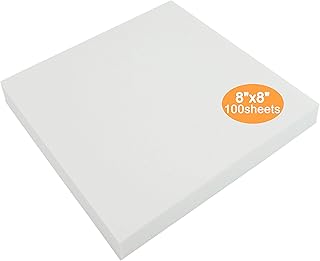
New brothread Tear Away Precut Sheets
Check PriceStabilizer and interfacing are not the same thing, although both add structure. Stabilizer is usually temporary and supports fabric while you stitch. Interfacing is often fused or sewn into a garment for permanent shape and body. You may use both in the same project, but for different reasons.
Stabilizer is typically removed after sewing or embroidery. Interfacing remains inside collars, cuffs, and button plackets to give lasting crispness. Stabilizer focuses on stitch support, while interfacing focuses on structure and wear. Choosing the correct product prevents stiffness where you do not want it.
Benefits of Using Stabilizer
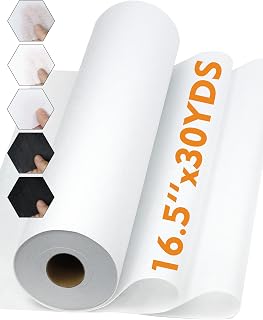
PLANTIONAL Medium Weight Fusible Interfacing
Check PriceThe biggest benefit is a professional finish. Seams lie flat, embroidery stays neat, and knits do not wave or stretch. Stabilizer also reduces thread breakage by giving the needle a stable surface. Your sewing machine works more smoothly when the fabric does not shift.
Another advantage is durability. Items with permanent cut away stabilizer maintain their shape through repeated washing. Temporary stabilizers prevent damage during the construction phase. Overall, stabilizer helps you achieve cleaner results with less frustration.
You can find more guidance from the Sewing and Craft Alliance to deepen your sewing knowledge. They offer educational resources on sewing techniques and supplies.
Tips for Testing Stabilizer Before a Project
OESD Polymesh Cut Away Stabilizer
Check PriceAlways make a test sample with the same fabric and stitch pattern. Observe how the fabric feels after adding stabilizer. Check for puckering, stiffness, or any visible backing. The test reveals whether you need a heavier or lighter type.
If the design is dense, use a test stitch out on a fabric scrap. Try two layers of stabilizer if one layer still allows distortion. Wash the sample if the final project will be washed. This shows how the stabilizer and fabric react to water and heat.
FAQ
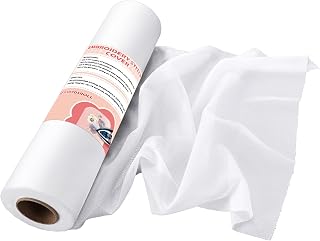
Soft & Cozy Embroidery Stitch Cover Stabilizer
Check PriceDo I need stabilizer for regular sewing?
Not every seam needs stabilizer, but it helps with buttonholes, knits, and delicate fabrics. Use a small piece for areas that are prone to stretching or distortion. It can be removed after sewing and improves the final look.
Can I use the same stabilizer for all fabrics?
One stabilizer will not work for every project. Lightweight fabrics need a lighter backing, while heavy or stretchy fabrics need stronger support. Match the stabilizer to the fabric and stitch density for best results.
What is the best stabilizer for embroidery?
Cut away stabilizer is the most reliable for dense embroidery and stretchy garments. Tear away stabilizer works for simple designs on stable woven fabric. A water soluble topping helps with towels and fleece.
Does stabilizer wash out of fabric?
Some stabilizers wash away completely with water. Others, like cut away, stay in the project permanently. Check the label to understand the removal method before you begin.
Can I use stabilizer as interfacing?
Stabilizer is not a substitute for interfacing. Stabilizer supports stitches, while interfacing adds permanent structure. Some projects use both, but they serve different roles.
Conclusion
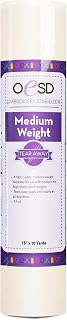
OESD Medium Weight Tear Away Stabilizer
Check PriceUnderstanding what stabilizer is used for in sewing helps you choose the right support for every project. It prevents puckering, stretching, and sagging while you stitch. With the proper type and weight, your sewing and embroidery will look cleaner and last longer.
Start with a small selection of cut away, tear away, and wash away stabilizers. Test them on your fabric scraps and record your favorites. As you practice, you will build confidence and know exactly which stabilizer to reach for. Your projects will thank you with crisp, professional results.

Disclosure: As an Amazon Associate, we earn from qualifying purchases at no extra cost to you. Our posts are created with AI tools and human editing.