
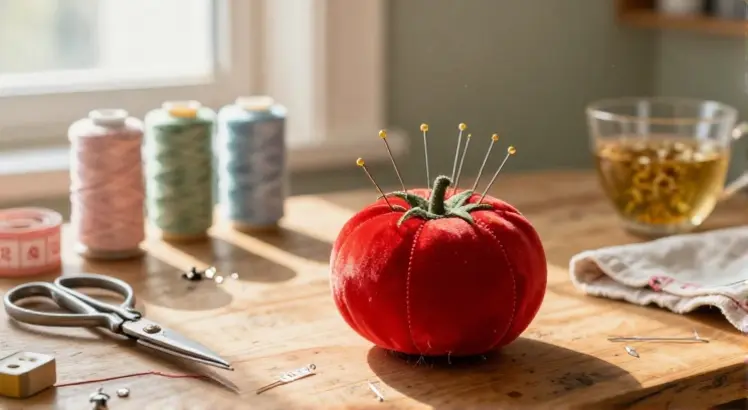
If you have recently ventured into the world of sewing or crafting, you may have found yourself asking, what is a pincushion? At its most basic level, a pincushion is a small, stuffed cushion designed to store pins and needles safely while you work.
However, for anyone serious about their craft, this unassuming tool is much more than just a placeholder for sharp objects; it is an essential instrument that protects your tools, increases your efficiency, and even helps maintain the integrity of your sewing machine needles. In this comprehensive guide, we will explore the intricacies of pincushions, their historical significance, the different types available, and why choosing the right filling can make a significant difference in your sewing projects.
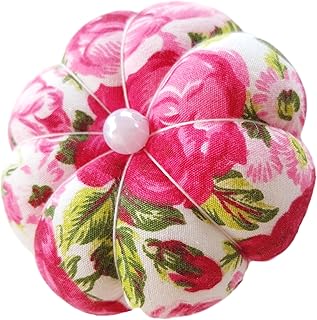
CUSHYSTORE Pink Wrist Pin Needle Cushion Pincushion Holder Floral with Adjustable Elastic Strap
Check PriceThe Historical Significance of the Pincushion
The history of the pincushion is as rich as the history of sewing itself. Before the advent of modern storage solutions, pins were expensive and valuable commodities. In the 16th and 17th centuries, pincushions were often highly decorative and used as gifts or decorative items in the home. They were referred to as “pyn pillows” in medieval England. Understanding the historical significance of pincushions allows us to appreciate how this simple tool has evolved from a luxury item into a universal necessity for tailors and hobbyists alike.
Why Every Sewer Needs a Pincushion
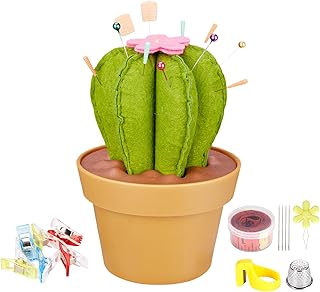
Cactus-Shaped Pin Cushion in a Pot with Included Sewing Notions | Magnetic Pin Holder | Cute Décor for Sewing Desks | Perfect Gift for Quilters, Sewers, Applique & Patchwork Crafters
Check PriceYou might wonder if a pincushion is truly necessary when a simple bowl or a magnet could do the trick. However, there are several practical reasons why a dedicated pincushion is superior for your sewing workflow.
Safety and Organization
The most obvious benefit is safety. Loose pins on a work surface are a recipe for disaster, leading to painful pricks or even damaged vacuum cleaners. A pincushion keeps your sharp tools organized and within reach, preventing them from rolling onto the floor or getting lost in the fabric folds.
Protecting Your Needles
Did you know that the filling inside your pincushion can actually help your needles last longer? Many traditional pincushions are filled with wool roving or emery sand. As you insert and remove the needle, the abrasive nature of these materials helps to clean away residue and sharpen the tip. This ensures that your hand-sewing needles remain in pristine condition for delicate tasks.
Common Types of Pincushions
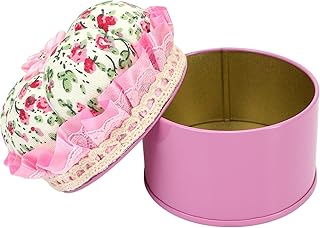
Pink Pin Cushion Lid with Iron Storage Jar, Needles Quilting Pins Holder Case for Sewing, Ideal Gifts for Women, Moms, Grandmas & Quilting Enthusiasts – Room Home Decor DIY Craft
Check PriceNot all pincushions are created equal. Depending on your specific needs and workspace, you might prefer one style over another. Here are the most popular types found in modern sewing kits.
The Classic Tomato Pincushion
Perhaps the most iconic image in the sewing world is the red tomato pincushion. Often sold with a small green “strawberry” attached, this design is a staple for beginners. The strawberry is not just for decoration; it is usually filled with emery powder, which is used to sharpen and clean pins. If you are interested in choosing the right pincushion for your first kit, the tomato variety is an excellent, cost-effective starting point.
Wrist Pincushions
For those who find themselves constantly reaching for pins, a wrist pincushion is a game-changer. These attach to your wrist with a band or a bracelet, keeping your pins exactly where your hands are. This is particularly useful for quilters or people working on large garments where moving back and forth to a stationary cushion would be inefficient.
Magnetic Pincushions
Magnetic dishes use a strong magnet to hold pins in place. While they don’t sharpen pins like traditional stuffed cushions, they are incredibly easy to use—you can simply swipe your hand over the dish to pick up multiple pins at once. They are also great for preventing pins from spilling if the cushion is knocked over.
What Is the Best Filling for a Pincushion?
The “soul” of a pincushion lies in its filling. The material inside determines whether the cushion merely holds pins or actively maintains them. Here is a breakdown of common fillings:
- Wool Roving: This is the gold standard for many professionals. Lanolin, a natural oil found in wool, helps prevent rust on steel pins. It also provides a dense, firm surface that keeps pins securely in place.
- Sawdust or Ground Walnut Shells: These provide a firm, heavy base that gives the pincushion a premium feel. They are also slightly abrasive, which helps clean the pins.
- Polyester Fiberfill: Common in modern, mass-produced cushions. While lightweight and cheap, it does not offer the same needle-sharpening benefits as natural materials.
- Emery: As mentioned with the tomato pincushion, emery is a granular material used specifically for sharpening and removing corrosion from pins and needles.
How to Use a Pincushion Effectively
Using a pincushion seems intuitive, but there are a few best practices to ensure you are getting the most out of your tool. First, always store your pins with the heads facing the same direction. This makes it easier to grab a pin quickly without looking. Second, if you are using a stuffed pincushion, make a habit of “stabbing” the pins into the cushion firmly. This ensures the natural oils from the filling (if using wool) coat the pin, protecting it from rust.
When working with delicate fabrics like those discussed in our guide on sewing with silk, having sharp, clean pins is crucial to avoid snagging. A well-maintained pincushion is your first line of defense against damaged fabrics.
Pincushion vs. Magnetic Pin Bowl: Which Is Better?
This is a common debate in the sewing community. A magnetic pin bowl is excellent for cleanup and for those with arthritis who may find pushing pins into a stuffed cushion difficult. However, a traditional pincushion is better for keeping your pins sharp and rust-free. Many sewists choose to keep both: a magnetic bowl for picking up pins from the floor and a traditional stuffed cushion at their fingertips for active sewing.
Frequently Asked Questions (FAQ)
Why are pincushions often shaped like tomatoes?
The tomato shape became popular in the 19th century as a “canister” for pins. The red color was also traditionally believed to ward off evil spirits and bad luck, while the attached emery-filled strawberry provided a functional purpose for cleaning pins.
Can I make my own pincushion?
Absolutely! Making a pincushion is a fantastic beginner project. You can use small scraps of fabric and fill them with wool roving or even crushed eggshells (though wool is preferred). It allows you to customize the size and firmness to your exact preference.
Do magnetic pincushions dull pins?
No, the magnet itself does not dull the pins. However, because magnetic cushions do not have an abrasive filling like emery or sawdust, your pins may become dull or dirty over time if not cleaned separately.
Conclusion
So, what is a pincushion? It is far more than a decorative accessory for your sewing room; it is a functional tool that preserves the life of your needles, keeps your workspace safe, and improves your overall efficiency. Whether you prefer the traditional wool-filled tomato or a modern magnetic dish, investing in a quality pincushion is a small step that yields significant benefits for the longevity of your sewing tools. We recommend exploring different types to find the one that best fits your personal sewing style, and don’t forget to check out our recommendations for the best pincushions to elevate your craft today.
