
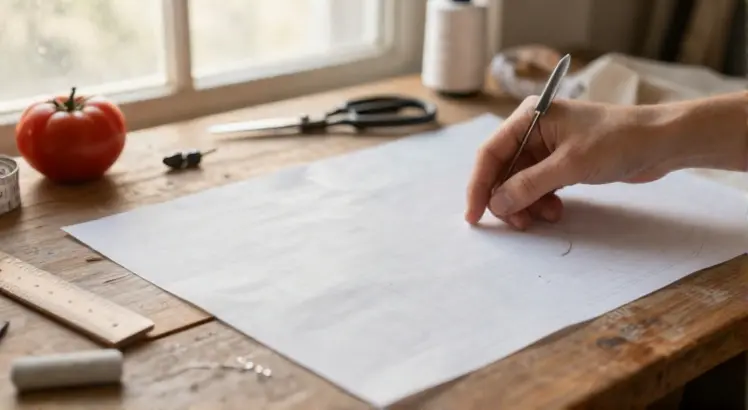
Tracing paper for sewing uses is a game changer for many sewists. You can preserve expensive patterns, transfer markings without damaging fabric, and create custom adjustments without cutting into original tissue. In this guide, you will learn practical uses, key differences between paper types, and a step by step approach to tracing patterns with confidence.
What Is Tracing Paper and Why Is It a Sewing Essential?
Tracing Paper Roll 18 in x 30 yd Pattern Paper for Sewing Drawing Sketching
Check PriceMany people first meet tracing paper in school art projects, but in sewing it has far more serious work to do. Sewing tracing paper is a smooth, translucent sheet or roll that allows you to see original pattern lines underneath. You place the tracing paper over a pattern and trace lines with a pencil or tracing wheel. The result is an exact copy without harming the original.
According to tracing paper on Wikipedia, the material is made to be low opacity and smooth enough for precise line work. In sewing, this low opacity is exactly what helps you align grainlines and pattern pieces. If you want a deep dive into top products, read our guide to the best tracing paper for sewing.
Key Benefits for Sewists
- Preserve original multi size patterns by tracing only your needed size
- Transfer darts, notches, and grainlines without cutting the master pattern
- Create fitting adjustments on a clean copy instead of the original
- Use rolls for long pattern pieces like skirts and dresses
Top Tracing Paper for Sewing Uses for Pattern Adjustments
Tracing Paper Roll 17 in × 25 yd, White Translucent for Sewing, Drawing
Check PriceOne of the most valuable tracing paper for sewing uses is pattern adjustment. Instead of cutting into a factory printed pattern, you trace the size you need onto tracing paper and make all changes there. This keeps the original pattern intact for future projects or another size.
How to Copy a Pattern Without Cutting It
- Press the original pattern tissue gently to remove wrinkles
- Lay a roll of tracing paper on a large flat surface
- Align the original pattern on top and tape both layers down
- Trace the cutting line, seam line, and grainline using a mechanical pencil
- Remove the tracing and add labels like piece name, size, and cut number
Transferring Markings with Dressmakers Carbon and Tracing Paper
Tracing Paper Roll 24 in x 30 yd, Translucent for Sewing Patterns Drawing
Check PriceTracing paper for sewing uses also includes direct fabric marking. Dressmakers carbon paper, sometimes called carbon tracing paper, is coated on one side with wax or pigment. When you place the coated side against fabric and run a tracing wheel over a pattern, the lines transfer to the fabric. This is ideal for darts, pocket placements, and fold lines.
Need a detailed beginner walkthrough? See our guide on how to use tracing paper for sewing to master both tracing and transfer methods.
Simple Steps for Carbon Transfer
- Place the coated side of carbon paper against the fabric
- Lay the pattern piece on top of the carbon paper
- Run a tracing wheel along all lines you want to mark
- Lift a corner to confirm the transfer lines are visible
- Remove the paper and pattern before cutting or sewing
Choosing Between Rolls, Sheets, and Carbon Types
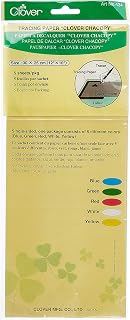
Clover Chacopy Tracing Paper,12.88 x 5.13 x 0.13
Check PriceNot all tracing paper works the same way. A 12 inch roll may be perfect for small projects, while a 36 inch roll handles wide garment panels. Sheets are convenient for small templates and embroidery motifs. Carbon transfer paper often comes in multiple colors for light and dark fabrics.
Comparison at a Glance
- Rolls: best for full garment patterns, long pieces, and repeated use
- Sheets: best for small motifs, bags, and travel
- Carbon paper: best for transferring marks directly to fabric without cutting another layer
Step by Step Guide for Tracing a Sewing Pattern
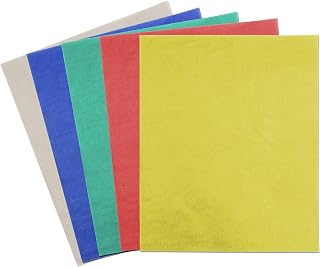
Juvale Tracing Paper for Sewing – 5 Colors, 9 x 11 in, 50 Sheets
Check PriceWhen you use tracing paper for sewing, a calm and organized process prevents shifting. The following steps work for pattern tissue, paper patterns, and printable PDF patterns.
Step by Step Method
- Step 1: Press the original pattern on low heat to remove folds. Do not use steam if the paper is delicate.
- Step 2: Place a roll of tracing paper on a large table or cutting mat.
- Step 3: Position the original pattern on top and smooth out all air bubbles.
- Step 4: Use low tack tape at the corners and along long edges to secure both layers.
- Step 5: Trace all cutting lines, seam lines, and internal markings with a fine point pencil.
- Step 6: Remove the tape, lift the tracing paper, and add labels such as piece name, size, grainline, and cut number.
Frequently Asked Questions About Tracing Paper for Sewing Uses
Tracing Paper Roll 36 Inches x 30 Yards, Large Trace Paper White Pattern Paper TracingPaper for Drawing, Sewing, Sketch
Check PriceCan I use school tracing paper for sewing?
Yes, for pattern copies and small templates. School tracing paper may tear more easily than rolls made for sewing. For repeated use, choose a heavier roll, around 20 pound or more.
What side of carbon tracing paper goes down?
The coated side faces the fabric. If you are unsure, rub a corner between your fingers. The chalky or waxy side is the transfer side.
Is tracing paper the same as pattern paper?
Not exactly. Tracing paper is translucent and smooth. Pattern paper can be opaque and thicker, often used for drafting. Tracing paper is a subset used for copying existing patterns.
How do I keep tracing paper from shifting?
Use low tack tape at the corners and along long edges. Work on a flat surface and trace with gentle, continuous strokes. This prevents skipped lines and misaligned pieces.
Conclusion
Tracing Paper Roll 12 in × 25 yd, White Translucent for Sewing, Drawing
Check PriceTracing paper for sewing uses open up a world of pattern preservation and precise marking. By choosing the right roll, sheet, or carbon paper, you can work more efficiently and protect your original patterns. With the steps and tips above, your next sewing project can start from an accurate, custom traced copy. Keep a roll on hand, and every pattern becomes reusable and easy to adjust.
