
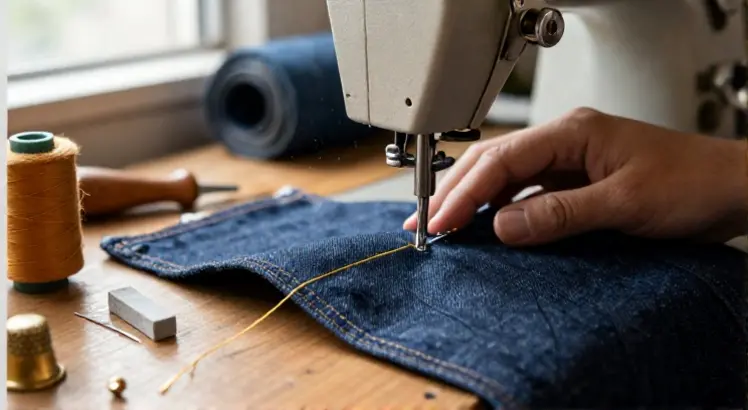
Denim is a versatile and durable fabric, but it can be intimidating for sewists. Thick seams, tough fibers, and multiple layers can strain your sewing machine and your patience. With the right techniques, you can sew denim projects that look professional and last for years. This guide shares practical tips for sewing denim, covering fabric preparation, tool selection, machine settings, and finishing methods that reduce skipped stitches and broken needles.
Understanding Denim Weights and Blends
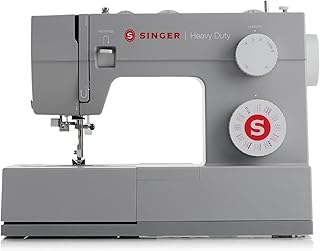
SINGER 4452 Heavy Duty Sewing Machine
Check PriceDenim comes in many weights measured in ounces per square yard. Lightweight denim around 5 to 7 ounces works well for shirts and dresses. Midweight denim from 8 to 11 ounces is ideal for skirts, lightweight jackets, and soft jeans. Heavyweight denim 12 ounces and above is best for structured jeans, jackets, and bags. The fiber content also matters.
Traditional 100 percent cotton denim has no stretch and requires precise fitting. Stretch denim blends add spandex or elastane, usually 1 to 3 percent, for comfort and ease of movement. According to the history of denim on Wikipedia, denim has been a workwear staple for over a century due to its strength and abrasion resistance.
Why Denim Weight Affects Your Sewing Choices
Heavier denim requires stronger needles, longer stitch lengths, and more frequent pressing. Lighter denim can be sewn like regular cotton, but you still need to manage fraying. Always check the fabric label before you cut to determine the recommended care and ironing temperature.
Essential Tools for Sewing Denim Success
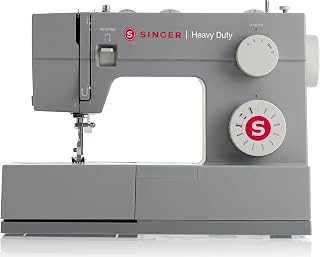
SINGER 4411 Heavy Duty Sewing Machine
Check PriceDenim dulls scissors and needles faster than quilting cotton. Invest in a few specialized tools to make the process smoother. A heavy duty sewing machine with adjustable presser foot pressure is a good starting point. You will also need sharp fabric shears reserved only for denim, a rotary cutter with a fresh blade, and a sturdy cutting mat. For pressing, use a steam iron with high heat settings and a tailor’s ham for shaping curved seams.
- Heavy duty sewing needles in sizes 90/14 to 110/18
- Topstitching thread or heavy duty polyester thread
- Walking foot or even feed foot to handle multiple layers
- Sharp fabric shears or a strong rotary cutter
- Pressing ham and seam roll for curved areas
- Denim needles or jeans needles with a modified medium ballpoint tip
Why a Walking Foot Is a Game Changer
A walking foot feeds the top layer of fabric at the same rate as the bottom layer. Without it, thick denim layers can shift, causing wavy seams or uneven topstitching. If your machine has a built in even feed system, activate it for all denim seams.
Choosing the Right Needle and Thread
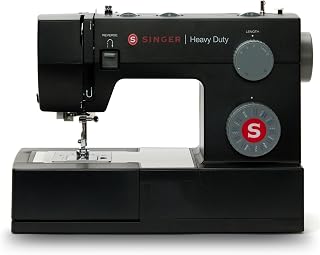
SINGER 4432 Heavy Duty Sewing Machine
Check PriceNeedle and thread are the backbone of successful denim sewing. For most denim projects, use a jeans needle in size 90/14 for light to medium weights and 100/16 or 110/18 for heavyweight denim. Denim needles have a sharp point and a reinforced blade to pierce dense fibers without bending. Pair your needle with a strong polyester or cotton wrapped polyester thread. Avoid all purpose cotton thread because it can snap under tension. For topstitching, use a heavier thread like topstitch thread in a contrasting color to mimic ready to wear jeans.
If you are wondering whether denim is difficult to work with, this guide on is denim hard to sew breaks down the challenges and solutions. For a deep dive on the best thread options, see best thread for denim.
Test on Scrap Fabric First
Before you sew, cut a small scrap from the same denim. Fold it into the same number of layers as your seam and test stitch. Adjust tension, needle size, and stitch length until you get balanced stitches without skipped stitches or thread breakage.
Preparing Denim for Cutting and Sewing
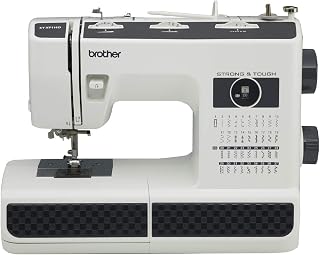
Brother ST371HD Strong & Tough Sewing Machine
Check PriceDenim shrinks, especially 100 percent cotton denim. Always pre wash your fabric in warm water and dry it on medium heat before cutting. This removes sizing and allows the fabric to shrink completely. After washing, press the denim with steam to remove wrinkles. Do not skip this step because post sewing shrinkage can ruin the fit of your project. When laying out pattern pieces, pay attention to the grainline. Denim has a visible twill line that should run parallel to the selvage. Cutting off grain can cause twisting in the finished garment.
- Pre wash and dry denim to prevent shrinkage
- Press fabric flat with steam
- Align pattern pieces with the grainline
- Use pattern weights instead of pins on thick denim
- Cut with sharp shears or a rotary cutter in a single pass
Handling Stretch Denim
Stretch denim contains spandex, which can recover after cutting. Let the fabric rest flat for a few hours after pre washing to relax the fibers. Use a stretch needle or a microtex needle for stretch denim to prevent holes. Avoid pulling the fabric as you sew to keep seams smooth and elastic.
Machine Settings and Tension Control
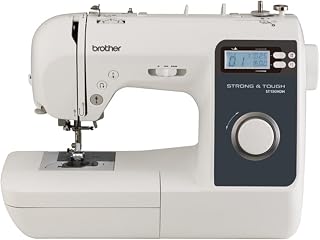
Brother ST150HDH Strong and Tough Sewing Machine
Check PriceDenim requires slightly different machine settings than lightweight cotton. Increase your stitch length to 3.0 to 3.5 mm for regular seams and 3.5 to 4.0 mm for topstitching. A longer stitch prevents the fabric from puckering and reduces the number of needle penetrations in a tight area. Set your machine to a straight stitch or a narrow zigzag for stretch seams. If your machine has adjustable presser foot pressure, reduce it slightly to allow thick layers to feed evenly. Test the tension on a scrap folded to the same thickness as your final seam.
- Use stitch length 3.0 to 3.5 mm for regular seams
- Increase stitch length to 4.0 mm for topstitching
- Reduce presser foot pressure for thick layers
- Set tension between 4 and 6, test on scrap
- Use a walking foot or even feed foot on every seam
When to Use a Longer Stitch
Longer stitches distribute stress over more fabric, which reduces the chance of seam puckering. This is especially important when sewing across inseams or pocket edges where multiple layers meet. Always test on a folded scrap to find the sweet spot for your fabric weight.
Pressing and Seam Finishing Techniques
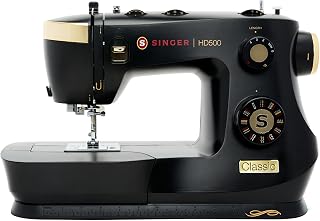
SINGER Heavy Duty 500 Classic Sewing Machine
Check PricePressing denim is crucial because the fabric is dense and holds creases well. Press every seam after sewing to set the stitches and flatten the seam allowance. Use steam and a high heat setting suitable for cotton. For curved seams, press over a tailor’s ham to maintain the shape. Finish seam allowances with a serger, zigzag stitch, or pinking shears to prevent fraying. For a traditional jeans look, create a flat felled seam by trimming one seam allowance narrower and folding the wider one over it before topstitching.
- Press seams flat first, then open or to one side
- Use a clapper to flatten bulky seams
- Finish raw edges with a serger or zigzag
- Try flat felled seams for strength and a clean finish
Reducing Bulk at Seam Intersections
Thick intersections like pocket corners or crotch seams can break needles. Grade the seam allowances by trimming each layer to a different width. Clip curves and notch corners to remove excess fabric. Press the area flat before proceeding to the next step.
Hemming Denim Without Bulk
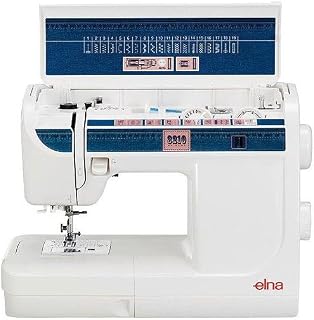
Elna 3210 Jeans Sewing Machine
Check PriceHemming denim can be tricky due to the thickness of folded layers. For a standard hem, trim the raw edge to reduce bulk before folding. Press the hem in place using steam and a pressing cloth. Topstitch from the right side using a longer stitch length and a denim needle. If you are hemming jeans and want to keep the original worn hem, try the original hem technique. Cut the existing hem off, fold the raw edge, and stitch it back to the pant leg using a narrow seam allowance.
- Trim raw edges to half inch before folding
- Use a pressing cloth to avoid shine on dark denim
- Stitch with a 3.5 to 4.0 mm stitch length
- For thick hems, hammer the fold lightly to flatten fibers
- Use a hemming foot for narrow rolled hems on lightweight denim
How to Topstitch a Professional Hem
Topstitching gives denim its signature look. Use a longer stitch length and a heavier thread. Guide the fabric evenly using the edge of your presser foot or a seam guide. Sew slowly in areas with multiple layers. Backstitch at the beginning and end to secure the thread.
Troubleshooting Common Denim Sewing Problems
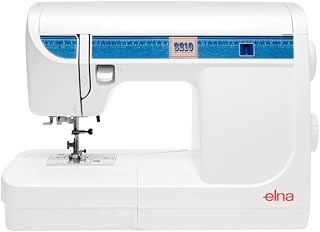
Elna 3210 Jeans Mechanical Sewing Machine
Check PriceEven experienced sewists face issues with denim. Skipped stitches often occur when the needle is too small or dull. Replace the needle after every project or after eight hours of sewing. Broken needles can result from forcing the fabric through the machine. Let the feed dogs do the work and use a walking foot. Thread nests on the underside usually mean the upper thread is not seated correctly or the tension is off. Rethread the machine with the presser foot up and test on scrap fabric.
- Skipped stitches: switch to a larger jeans needle
- Broken needles: reduce speed and use a walking foot
- Uneven feed: adjust presser foot pressure
- Thread nests: rethread top and bobbin carefully
- Puckered seams: increase stitch length and reduce tension
- Fabric won’t feed: use a walking foot or lower the feed dogs
When to Service Your Machine
If your machine struggles even after adjusting settings, it may need cleaning or servicing. Lint from denim builds up quickly around the feed dogs and bobbin case. Remove the needle plate and brush out lint every few projects. Oil your machine according to the manual to keep it running smoothly.
Frequently Asked Questions About Sewing Denim
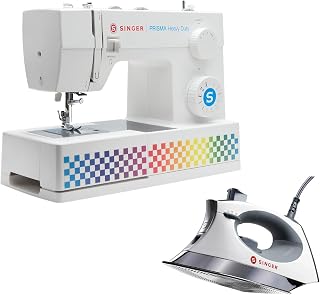
SINGER Heavy Duty 4411 Prisma Sewing Machine
Check PriceDo I need a heavy duty sewing machine for denim?
Not always. Many regular sewing machines can handle medium weight denim if you use the right needle, thread, and settings. For multiple layers or heavyweight denim above 12 ounces, a heavy duty machine with a stronger motor is recommended to avoid strain.
Can I sew stretch denim on a basic sewing machine?
Yes, a basic machine can sew stretch denim. Use a stretch or ballpoint needle, a narrow zigzag or stretch stitch, and a walking foot if possible. Do not pull the fabric as you sew to keep the seam from stretching out.
What is the best stitch length for denim?
A stitch length of 3.0 to 3.5 mm works well for regular seams. For topstitching, increase to 3.5 to 4.0 mm. Longer stitches help prevent puckering and reduce the strain on your needle.
How do I prevent denim from fraying?
Finish raw edges with a serger, zigzag stitch, or pinking shears. For a more durable finish inside jeans, use flat felled seams that enclose the raw edges completely. Pressing seams open and then finishing each edge also reduces fraying.
Can I use all purpose thread on denim?
All purpose polyester thread can work for lightweight denim, but a heavy duty polyester or cotton wrapped polyester thread is stronger and less likely to break. For topstitching, use a dedicated topstitch thread for a bold look.
Final Thoughts on Sewing Denim
Sewing denim becomes easier with practice and the right preparation. Start with a small project like a denim tote bag or patchwork pillow before tackling a full pair of jeans. Test every step on scrap fabric, change needles frequently, and press seams as you go. The result is a durable, well made garment or accessory that shows off your skills. Keep these tips for sewing denim handy and you will sew through thick layers with confidence.
