
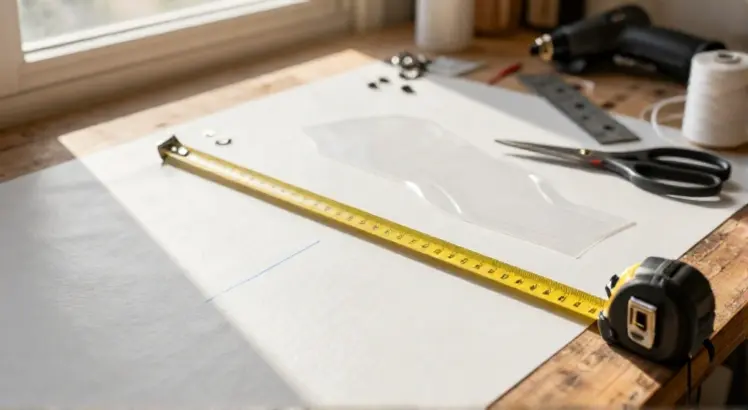
Marine vinyl projects demand precision, especially when it comes to sizing. A single miscalculation can lead to wasted material or a poor fit on boat seats and cushions. This guide shares actionable sizing tips for marine vinyl projects that ensure professional results every time.
Understanding Marine Vinyl Dimensions and Stretch Characteristics
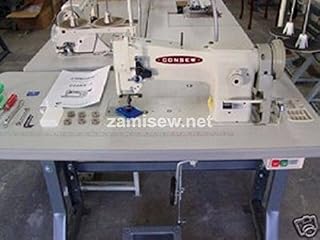
Consew 206RB-5 Walking Foot Industrial Sewing Machine
Check PriceMost marine vinyl bolts come in a standard 54 inch width, which dictates pattern layout. Always verify the actual usable width, as selvage edges often contain printed information that should be trimmed away. Understanding the material’s slight diagonal stretch helps you orient pattern pieces to avoid distortion under tension.
Vinyl has minimal give along the lengthwise grain but more flexibility on the bias. For boat seats, position the longest dimension parallel to the bolt length to maximize stability. Test a sample swatch by pulling gently in different directions to feel the directional stretch before you mark any cuts.
Temperature changes on the water cause marine vinyl to expand or contract slightly. Allow a small ease allowance of about a quarter inch when sewing covers that will be exposed to direct sun. This prevents the final installation from becoming drum tight and putting stress on seams.
Essential Tools for Accurate Measurement and Marking
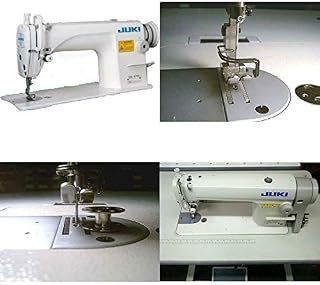
Juki Heavy Material Industrial Straight Stitch Sewing Machine
Check PriceUsing a flexible fiberglass tape measure is non negotiable for curved surfaces. A rigid metal ruler is excellent for straight cuts but cannot follow the contours of boat seat foam. Always keep a fabric pencil and a water soluble marker on hand to draw clear, precise seam lines on the glossy back of the vinyl.
Choosing the right machine, like those in our guide to the best sewing machine for marine vinyl, makes handling thick material easier. A walking foot attachment prevents the layers from shifting as you sew through foam and fabric. Invest in sharp, heavy duty shears reserved only for vinyl to maintain crisp cutting edges.
A large, flat cutting table prevents the material from hanging off the edge and stretching under its own weight. Use pattern weights instead of pins whenever possible because pinholes are permanent in waterproof vinyl. Snap a chalk line for long, straight guiding marks that easily brush off after cutting is complete.
Calculating Fabric Yardage for Marine Upholstery Projects
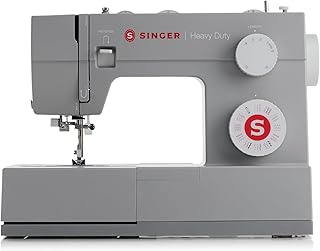
Singer 4452 Heavy Duty Sewing Machine
Check PriceAccurate yardage calculations prevent costly runs to the marine supply store in the middle of a project. Measure the length, width, and depth of every cushion separately, then add the thickness of the foam to each dimension. Draw a rough layout on graph paper to see exactly how pieces nest within the 54 inch width.
Always add extra yardage for seam allowances, boxing strips, and pull holes. A common mistake is forgetting that the sides of a cushion, called the boxing, often require long continuous strips that consume more fabric than the top panels. Multiply the total linear inches by the height of the boxing strip to calculate the square inches needed.
For complex projects like full cockpit covers, consider adding a generous 15 percent overage to your final measurement. This buffer accounts for pattern matching and any last minute adjustments during a test fit. It is far better to have a remnant you can use for repairs than to run short of a specific dye lot.
Incorporating Seam Allowances and Curvature Allowances
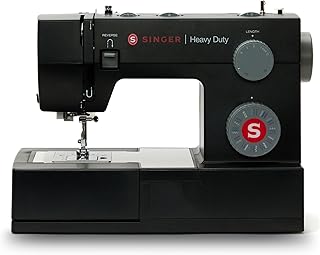
Singer 4432 Heavy Duty Sewing Machine
Check PriceStandard seam allowances for home decor are often half an inch, but marine vinyl demands a wider half inch to five eighths inch seam. The extra width provides a stronger grip for the thread and prevents the fabric edge from ripping under stress. Using the correct needle, as detailed in our article on the best needle size for marine vinyl, prevents skipped stitches when sewing over multiple layers.
When wrapping vinyl around curved corners, the outside edge must travel a longer distance than the inside edge. This radius difference requires you to clip the seam allowance on the inside curve or pre stretch the vinyl slightly. Failing to account for this geometry results in puckers that trap water and accelerate thread rot.
Always mark your stitching line directly onto the material, not just the cut line. Use a plastic point turner to smooth out the seam allowance from the inside before topstitching. This simple step creates a factory grade finish that looks crisp and sits perfectly flush against the foam.
Cutting Techniques to Prevent Wastage and Distortion
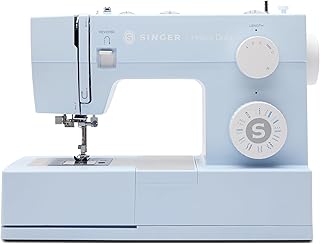
Singer 4423 Heavy Duty Sewing Machine
Check PriceNever drag the vinyl over the table edge as you unroll the bolt, keep it supported flat. Before cutting, lightly clamp the material to your cutting surface to prevent any micro shifting. Score the backside of the vinyl with the tip of your shears first, then make a single continuous cut to avoid jagged edges.
Cut pattern pieces with a directional nap going the same way to guarantee uniform color and texture. If you have large, mirror image panels, fold the fabric face to face and cut both pieces simultaneously through a paper pattern. This ensures a perfect symmetrical match for the port and starboard sides of a boat seat.
For more in depth techniques, visit Marinevinylfabric’s expert guide on sewing marine vinyl. When trimming corners, use a specialized leather round knife to slice clean concave curves without snipping past the stitch line. Any nicked seam allowance is a weak point that could fail under tension, so always leave at least a quarter of an inch uncut.
Pattern Making and Template Strategies for Complex Pieces
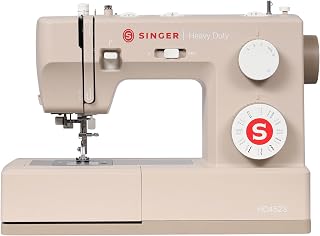
Singer Heavy Duty 4523 Next Evolution Sewing Machine
Check PriceNever trust an old, misshapen seat cover as a template, vinyl stretches out over time and will give false dimensions. Instead, use a sheet of clear 4 mil plastic to trace the exact foam shape with a permanent marker. This transparent dummy piece lets you confirm the alignment of stripes and seams before transferring the outline to expensive marine vinyl.
When creating patterns for awkward horn shapes or V berth cushions, pin the plastic directly to the existing cushion and trim the excess. Add a generous one inch draw in allowance that wraps around the foam edge to secure the underside. Write the piece name, grain direction arrow, and seam allowance widths clearly on every paper pattern piece.
For welt cord or piping channels, rely on a dedicated cording foot set to a consistent measurement. Measuring each channel width by hand introduces human error that compounds quickly along a long bench seat. Mark the centerfold and stitch line on your pattern, then use a hot knife to seal the raw edges of synthetic backing to stop fraying.
Frequently Asked Questions
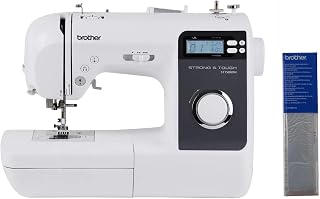
Brother ST150HDH Strong and Tough Sewing Machine
Check PriceHow do I measure for curved boat cushions?
Place the foam base on a large sheet of paper and trace the exact profile with a vertical pencil. Measure the circumference of the foam edges with a flexible tape to determine the boxing strip length. Then add one inch to the top and bottom plate dimensions to account for the pull down allowance that wraps underneath.
What is the best way to account for vinyl stretching during installation?
Marine vinyl relaxes under heat, so do a test fit on a warm day or use a hair dryer to gently warm the material before stapling. Cut your panels with a small negative ease of an eighth of an inch per foot of length, which tightens up perfectly when heated. Always pull the vinyl snug but do not over tension it, or you will create permanent distortion at the stitching holes.
Should I pre-wash marine vinyl before cutting?
No, you should never machine wash marine vinyl fabric. The waterproof backing can delaminate and the topcoat may crack if submerged. Simply wipe the surface with a damp cloth to remove dust, then lay it flat overnight in the workroom to acclimate to ambient temperature and humidity before marking.
How much extra fabric should I allow for pattern matching?
If your vinyl has a repeating texture or embossed grain, order an additional 10 to 15 percent yardage. Measure the horizontal and vertical repeat of the pattern, then shift each cut piece so the design flows seamlessly across adjacent cushions. This alignment is especially critical for contrasting top stitching that highlights the match line.
What tools ensure accurate markings on vinyl?
Silver gel pens provide high contrast on dark vinyl and are easily removed with rubbing alcohol. For pale or white marine vinyl, use a fine tip water erasable marker and test it first on a hidden area. A clear acrylic grid ruler lets you see the grain underneath while squaring off corners precisely.
How do I calculate yardage for a full boat cover?
Sketch a scaled top down view of the boat deck and divide it into simple geometric rectangles. Measure the length of the longest section in inches and divide by 36 to convert to yards, then multiply by the number of required widths across the beam. Always round up to the next half yard and add a continuous panel for the pilothouse or windshield facing.
Can I use standard sewing patterns for marine projects?
Commercial apparel patterns are rarely suitable because they rely on ease and drape, which rigid vinyl does not offer. Instead, draft zero ease patterns directly from the boat components using clear plastic templating material. This custom approach compensates for the thickness of the foam and the specific fastener placement on your vessel.
Conclusion
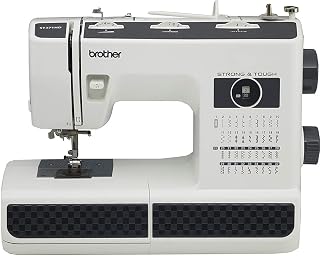
Brother ST371HD Sewing Machine
Check PriceMastering sizing tips for marine vinyl projects transforms an intimidating upholstery challenge into a systematic process. By respecting the material’s unique stretch characteristics and standard bolt width, you eliminate guesswork from the very beginning. Accurate tools, generous seam allowances, and clear plastic templates ensure every cut and stitch aligns perfectly with the demanding marine environment.
Adding a calculated buffer for pattern repeat and thermal expansion prevents last minute shortages that can delay your entire project. The investment in a proper walking foot machine and the correct needle size pays off with smooth seams that resist water intrusion and thread failure. Building a library of well labeled pattern pieces also allows you to quickly replicate the project for future repairs or matching companionway cushions.
Ultimately, the key lies in treating marine vinyl not as a simple fabric but as a structural component of your boat. Every measurement must account for the thickness of the foam core, the radius of curved corners, and the mechanical stress of high speed winds and saltwater spray. With these actionable guidelines, your new seating and covers will fit flawlessly and withstand harsh conditions season after season, protecting your boat while looking professionally crafted.

Disclosure: As an Amazon Associate, we earn from qualifying purchases at no extra cost to you. Our posts are created with AI tools and human editing.