
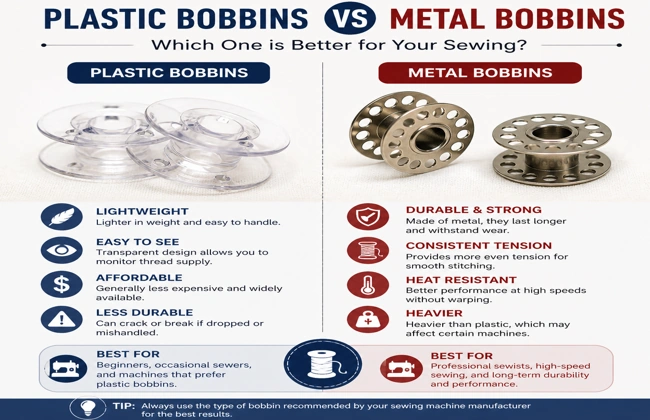
Bobbins are a small but essential part of every sewing machine. They hold the lower thread that works together with the upper thread to create stitches. Even though bobbins look simple, choosing the right type can make a huge difference in your sewing results. Many beginners ignore this, but experienced sewists know that the wrong bobbin can cause thread breaks, tension issues, and even machine damage.
When it comes to bobbins, two main types dominate the market: plastic bobbins and metal bobbins. Both have their own advantages, disadvantages, and ideal use cases. Some sewing machines are designed specifically for one type, while others may allow both. Understanding the difference between plastic and metal bobbins will help you avoid costly mistakes and improve your sewing quality.
In this detailed guide, we will compare plastic bobbins vs metal bobbins in terms of durability, performance, compatibility, and overall usability so you can choose the best option for your needs.
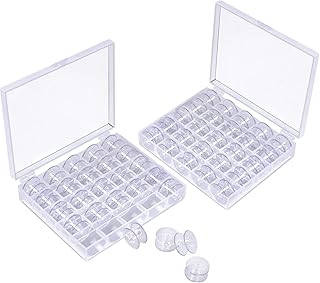
Joyberg 50 Pcs Bobbins, Plastic Bobbins for Brother Sewing Machine
Check PriceWhat Are Plastic Bobbins?
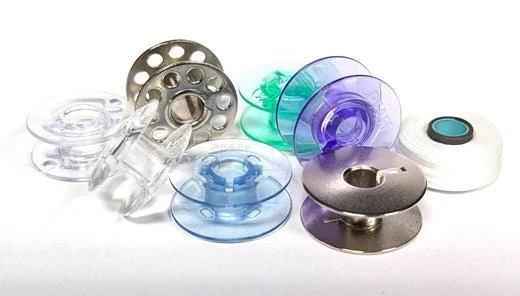
Plastic bobbins are lightweight bobbins made from durable plastic materials. They are commonly used in modern sewing machines, especially those designed for home use. One of their most noticeable features is their transparent or semi-transparent body, which allows you to easily see how much thread is left.
Most beginner-friendly sewing machines come with plastic bobbins because they are affordable and easy to handle. Brands often design their machines specifically around plastic bobbins, ensuring smooth performance when the correct type is used. These bobbins are also widely available and come in different sizes and styles, depending on the machine model.
However, plastic bobbins are not as strong as metal ones. Over time, they can crack, warp, or lose their shape, especially if exposed to heat or heavy use. Despite this, they remain a popular choice due to their convenience and ease of use.
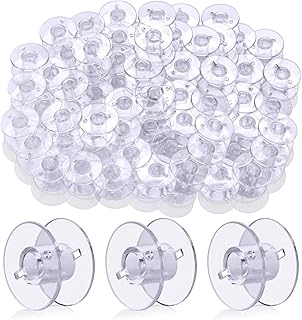
50 pcs Bobbins for Sewing Machine- Eoehro, Sa156 Bobbin
Check PriceWhat Are Metal Bobbins?
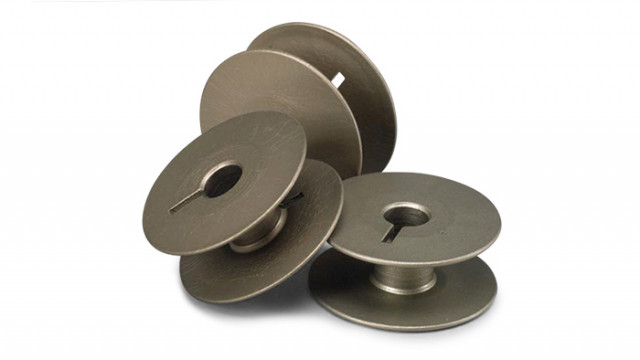
Metal bobbins are made from stainless steel or aluminum and are known for their strength and durability. These bobbins have been used for decades and are still common in industrial sewing machines and older or vintage models.
Unlike plastic bobbins, metal bobbins are not transparent, so you cannot see the remaining thread easily. However, they are much more resistant to wear and tear. They maintain their shape even after long-term use, making them ideal for heavy-duty sewing tasks.
Metal bobbins are often preferred by professionals who work with thick fabrics or require high-speed stitching. Because of their weight and stability, they provide consistent tension and smoother stitching in demanding situations. However, using the wrong metal bobbin in a machine designed for plastic ones can lead to serious damage.
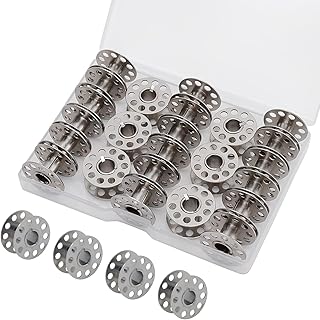
kidoom Metal Sewing Machine Bobbins, 28 PCS Universal Sewing Machine Bobbins
Check PriceKey Differences Between Plastic and Metal Bobbins
Material & Build Quality
Plastic bobbins are made from molded plastic, while metal bobbins are crafted from strong metals like aluminum or steel. This makes metal bobbins significantly stronger and more resistant to damage.
Weight & Balance
Plastic bobbins are very light, which makes them suitable for modern machines that rely on precise tension systems. Metal bobbins are heavier, providing more stability, especially in high-speed sewing.
Durability & Lifespan
Plastic bobbins can wear out, crack, or warp over time. Metal bobbins, on the other hand, can last for years without losing their shape, making them a long-term investment.
Cost Comparison
Plastic bobbins are cheaper and more accessible, making them ideal for beginners. Metal bobbins are slightly more expensive but offer better durability and long-term value.
Compatibility with Sewing Machines
This is the most important factor. Many modern machines are designed specifically for plastic bobbins, while older or industrial machines often require metal ones. Using the wrong type can affect stitching or even damage your machine.
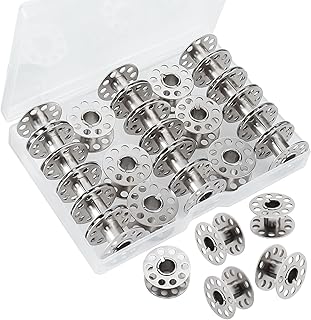
AULLUA Metal Bobbins for Sewing Machine, Universal Sewing Bobbins
Check PricePros and Cons of Plastic Bobbins
Advantages
Plastic bobbins are lightweight, which helps maintain proper tension in modern sewing machines. Their transparent design is a major benefit, allowing you to monitor thread levels without stopping your work. They are also very affordable, making them perfect for beginners or those who need multiple bobbins for different thread colors.
Another advantage is that plastic bobbins are widely available and easy to replace. Most home sewing kits include several plastic bobbins, making them convenient for everyday sewing tasks.
Disadvantages
Despite their benefits, plastic bobbins are less durable. They can crack if dropped or exposed to heat, such as from a hot iron nearby. Over time, they may also warp slightly, which can cause uneven stitching or tension problems.
Because of their lightweight nature, they may not perform as well in high-speed or heavy-duty sewing environments. This makes them less suitable for professional or industrial use.
Pros and Cons of Metal Bobbins
Advantages
Metal bobbins are extremely durable and can withstand heavy use without losing their shape. This makes them ideal for long-term use and demanding sewing projects. Their weight adds stability, which helps maintain consistent tension during high-speed stitching.
They are also less likely to warp or break, making them a reliable choice for professionals. If you are working with thick fabrics like denim or leather, metal bobbins often perform better than plastic ones.
Disadvantages
The biggest drawback of metal bobbins is that they are not transparent, so you cannot see how much thread is left. This can interrupt your workflow if you run out of thread unexpectedly.
They are also heavier, which may not be suitable for all sewing machines. Using a metal bobbin in a machine designed for plastic ones can damage internal parts. Additionally, they are slightly more expensive compared to plastic bobbins.
Which Bobbin Is Better for Your Sewing Machine?
The best bobbin for your sewing machine depends entirely on your machine type and usage. Most modern home sewing machines are designed for plastic bobbins. These machines rely on lightweight components for precise tension control, and using metal bobbins may disrupt their performance.
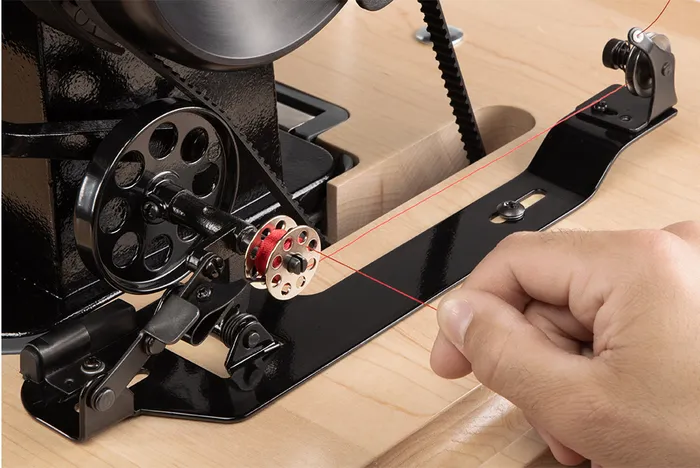
On the other hand, industrial machines and older models are often built to handle metal bobbins. These machines benefit from the added stability and durability that metal bobbins provide.
The most important rule is to always follow your sewing machine manufacturer’s recommendation. Using the wrong bobbin type can lead to skipped stitches, thread jams, or even permanent damage to your machine.
When to Choose Plastic Bobbins
Plastic bobbins are the best choice for beginners and casual sewists. If you are using a modern home sewing machine, plastic bobbins will likely provide the best performance. They are perfect for light to medium fabrics and everyday sewing projects.
They are also ideal when you need to manage multiple thread colors, as their transparency makes it easy to identify thread levels quickly. For hobbyists and DIY enthusiasts, plastic bobbins offer convenience and affordability.
When to Choose Metal Bobbins
Metal bobbins are better suited for heavy-duty sewing tasks. If you work with thick materials like denim, canvas, or leather, metal bobbins will provide better stability and durability.
They are also a great choice for industrial sewing machines or vintage models that require metal components. Professional sewists who need consistent performance at high speeds often prefer metal bobbins for their reliability.
Common Mistakes to Avoid
One of the most common mistakes is mixing bobbin types. Using a metal bobbin in a machine designed for plastic can damage the machine, while using plastic in a metal-required machine can lead to poor stitching.
Another mistake is using the wrong bobbin size. Even if the material is correct, the wrong size can cause tension issues and thread jams. Always check your machine manual before buying bobbins.
Ignoring wear and tear is also a problem. Damaged or warped bobbins can ruin your stitches, so replace them when necessary.
Expert Tips for Choosing the Right Bobbin
Always buy bobbins that are specifically recommended for your sewing machine model. Cheap or low-quality bobbins can cause more harm than good. It’s better to invest in high-quality bobbins that ensure smooth performance.
Keep your bobbins clean and store them properly to avoid dust and damage. Labeling your bobbins based on thread type or color can also help you stay organized.
If you are unsure, consult your machine manual or manufacturer’s website for the exact bobbin type required.
FAQs
Can I use metal bobbins in a plastic-bobbin machine?
No, it is not recommended. It can damage your machine or cause stitching problems.
Do plastic bobbins break easily?
They are durable for normal use but can crack or warp over time or under heat.
Which bobbin is better for high-speed sewing?
Metal bobbins are generally better for high-speed sewing due to their stability.
Are all bobbins universal?
No, bobbins come in different sizes and types. Always use the one specified for your machine.
Conclusion: Plastic Bobbins vs Metal Bobbins
Choosing between plastic and metal bobbins depends on your sewing needs and machine type. Plastic bobbins are lightweight, affordable, and ideal for beginners or everyday sewing. On the other hand, metal bobbins offer greater durability, consistent tension, and better performance for high-speed or professional use.
The most important rule is to use the bobbin type recommended by your sewing machine manufacturer. This ensures smooth stitching, prevents damage, and helps you achieve the best results in every project.
