
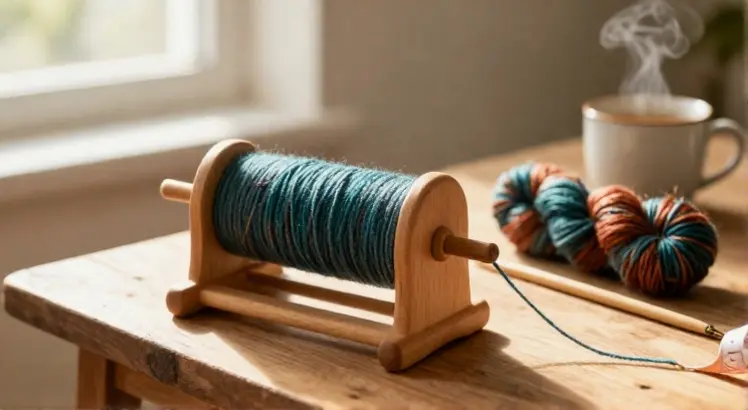
If you crochet or knit regularly, you have likely stared at a messy skein and wondered, is a yarn winder worth it. Hand-winding a hank into a ball can be soothing, but it often leads to knots, uneven tension, and a wrist that aches for days. A yarn winder promises to turn chaos into neat, center-pull cakes in minutes. But does that convenience justify the cost and the space it takes up in your craft corner? This guide walks you through the real benefits, the times you can skip it, and the features that separate a useful tool from a dusty gadget, so you can decide with confidence.
What Exactly Is a Yarn Winder
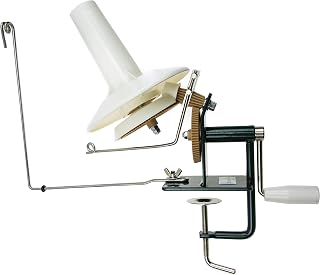
Stanwood Needlecraft Large Metal Yarn/Fiber/Wool/String Ball Winder – 10 oz
Check PriceA yarn winder is a simple mechanical tool that spins yarn from a skein or hank into a flat, cylindrical cake. Most models clamp onto a table edge. You feed the yarn through a metal guide arm, turn a hand crank, and the rotating spindle builds layers of yarn that pull cleanly from the center. This center-pull cake sits flat, does not roll away, and lets you work without constant yanking.
Think of it as a swift companion to a yarn swift. The swift holds the loose hank under tension while the winder does the winding. Together they transform a tangled loop into a usable cake in under two minutes. Even without a swift, a winder can tame skeins pulled from a bag or a collapsed ball.
The Real Benefits of Owning a Yarn Winder
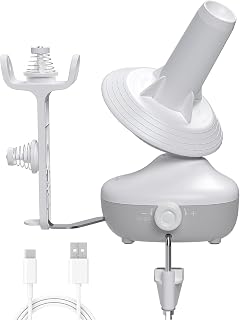
Yarn Winder Electric, Auto Compact Cake Winding for Knitting Lovers | Perfect Yarn Organizer with Strong Tension & Adjustable Speed, Efficient Large Capacity Yarn Ball Spinner for Crafters, White
Check PriceBefore asking is a yarn winder worth it, look at what it actually changes in your daily crafting. The return on investment often shows up in reduced frustration, not just saved minutes.
Time Savings and Crafting Flow
Winding a 100-gram hank by hand can take 20 minutes or more if you battle knots. A manual winder finishes the same amount in roughly two to three minutes. Over a year of multiple projects, those minutes add up to hours you can spend actually stitching. More importantly, a winder removes the stop-and-start nature of hand winding, letting you start a new project almost instantly.
Tangle-Free, Stackable Storage
Yarn cakes sit flat and stack neatly on shelves or inside bins. Unlike round balls that roll under the couch, cakes stay put. The center-pull design also eliminates yarn barf, the dreaded clump of tangled yarn that sometimes yanks out of a store-bought skein. Learning how a yarn winder creates tidy cakes reveals why your stash looks cleaner and stays organized.
Revealing Hidden Knots and Quality Issues
When you wind a skein, you inspect every inch of fiber. You catch factory knots, thin spots, or color inconsistencies before they ruin a row. This pre-check saves frogging later and gives you peace of mind, especially when using hand-dyed or luxury yarn.
Less Strain on Your Hands
Hand-winding requires repetitive gripping and twisting. Crafters with arthritis, carpal tunnel, or chronic hand fatigue often find a winder essential. The easy crank motion and gentle tension protect your hands for the main event: making stitches.
When You Might Not Need a Yarn Winder
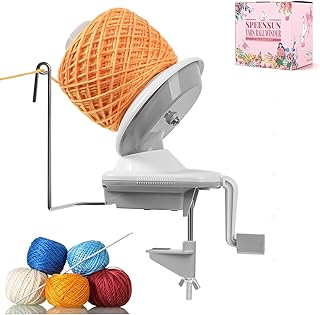
SPEENSUN 3.5 OZ Yarn Ball Winder, Low Noise Spinner for Crocheting, Grey | ABS Manual Ball Maker with Non-Slip Table Clamp, Easy Install Knitting Tool, Smooth Operation for Yarns Below Size 5
Check PriceThe question is a yarn winder worth it leans toward no in a few clear scenarios. Recognizing these saves you money and clutter.
- You exclusively use yarns that come in ready-to-use center-pull skeins and rarely buy hanks.
- You genuinely enjoy the mindful rhythm of hand-winding and find it part of the creative process.
- Your crafting volume is low, a few small projects per year may not justify the tool.
- You have zero dedicated storage space and prefer to keep your setup ultra-minimal.
If these describe you, a winder may become an unused gadget. In that case, invest in a decent yarn bowl and a pair of quality yarn scissors instead.
Hand Winding vs. Yarn Winder: A Detailed Look
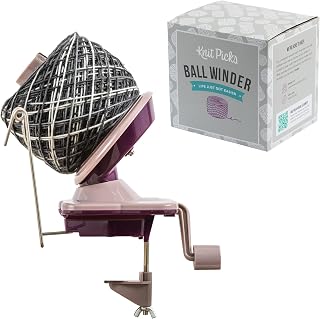
Knit Picks Yarn Ball Winder for Knitting and Crocheting (Purple) | Manual ball winder that winds up to 100g or 3.5 ounces of yarn into a cake
Check PriceComparing the two methods side-by-side clarifies value. Both get the job done, but the experience differs dramatically.
- Consistency: A winder creates uniform cakes with even tension. Hand-wound balls often start tight and loosen, which can affect gauge if you knit from them immediately.
- Portability: A hand ball is compact. Cakes are squat and wide, sometimes less convenient for small project bags.
- Speed: A winder is roughly six to ten times faster for a full hank.
- Tangling risk: Hand-winding from a hank without a swift often ends in a snarl. A winder paired with a swift nearly eliminates tangles.
- Cost: Hand winding is free. A basic winder starts around $20, while high-end models reach $70 or more.
For occasional projects, hand winding suffices. For frequent work with premium yarn, a winder quickly pays for itself in saved time and preserved sanity.
Types of Yarn Winders: Which One Is Right for You
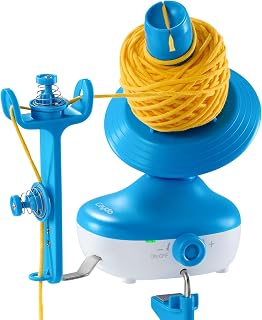
Caydo A1 Pro Cordless Electric Yarn Winder for Effortless Yarn Organization | Rechargeable 2H Running Time
Check PriceNot all winders are created equal. Matching the type to your workload helps answer is a yarn winder worth it with a practical yes.
Manual Hand-Crank Winders
These are the most common and affordable. They clamp to a table and hold up to about 4 ounces (100 grams) of worsted weight yarn. Look for metal gears over plastic to avoid stripping. A good manual winder handles hundreds of cakes without wobbling.
Electric Yarn Winders
Battery-operated or plug-in winders automate the process completely. They wind faster and reduce hand strain to zero. They tend to be larger and more expensive, often twice the price of manual models. For high-volume crafters or those with limited hand mobility, electric winders justify the splurge.
Jumbo and Cone Winders
If you work with oversized skeins or cone yarn, standard winders fall short. Large-capacity winders hold up to 10 ounces or more. These are niche tools but essential for machine knitters or weavers.
If you are leaning toward a purchase, our guide to the top-rated yarn winders breaks down the best options in every category.
Cost Analysis: Is a Yarn Winder Worth the Price
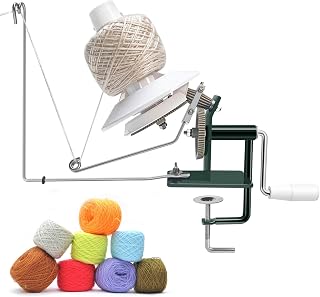
BAPOTH Large Yarn Winder, 15 oz Capacity, Heavy Duty Metal and ABS
Check PriceLet us look at the numbers. A decent manual winder costs between $25 and $40. The average knitter might wind two to three cakes per project and complete six projects per year. That equals roughly 18 windings annually. If you value your crafting time at even $10 per hour, a winder saving 15 minutes per hank puts $45 worth of time back in your pocket each year. It pays for itself in the first year, not to mention the frustration it removes.
For crafters who buy yarn exclusively in hanks from indie dyers, the tool becomes nearly mandatory. Luxurious fibers demand smooth handling. Snags and breaks damage expensive material, so a winder actually protects your yarn investment.
Signs You Should Invest in a Yarn Winder
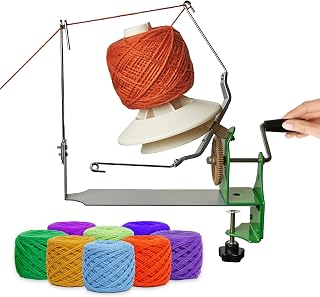
Olikraft Large Capacity Metal Yarn Ball Winder | Hand operated, winds up to 10 oz into tangle-free yarn balls
Check Price- You routinely purchase hanks that require winding before use.
- You have experienced yarn barf from store-bought skeins and want to re-wind them into cakes.
- Your stash has grown and you want uniform, stackable yarn storage.
- Hand-winding causes hand or wrist discomfort.
- You teach knitting or crochet and need to prepare kits quickly.
If two or more of these resonate, the answer to is a yarn winder worth it is a firm yes. The tool shifts from a luxury to a necessity remarkably fast.
Factors That Affect the Worth
To avoid buyers remorse, consider these variables before clicking add to cart.
Build Quality and Gear Material
Cheap plastic winders with nylon gears often skip, jam, or break within months. Metal gears and a sturdy clamp make a winder reliable for years. Spending an extra $10 on quality vastly increases the value.
Capacity
Standard winders hold about 3.5 to 4 ounces. If you regularly work with bulky weights or jumbo skeins, confirm the winder can handle the volume. Overloading a small winder leads to frustration and off-center cakes.
Swift Compatibility
A winder without a swift is only half the equation for hanks. Factor in the cost of an umbrella swift (around $25-$50) if you do not already own one. Many crafters buy the pair together and find the combined setup non-negotiable.
How to Get the Most Value from Your Yarn Winder
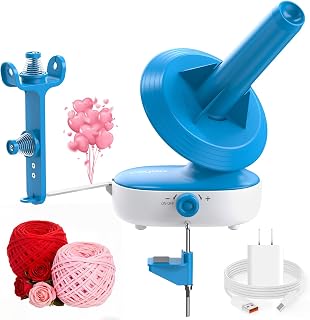
Caydo A1 Max Electric Yarn Winder, 10oz Large Capacity Auto Yarn Spinner | Dual-Spring Strong Tension, Stepless Speed
Check PriceOnce you decide is a yarn winder worth it and bring one home, these habits maximize its lifespan and usefulness.
- Always set the winder on a stable surface and tighten the clamp fully. A wobbling winder creates lopsided cakes.
- Guide the yarn with a light hand. Let the arm do the work; pulling creates tension inconsistencies.
- Wind at a steady, moderate speed. Racing the crank wears gears and builds heat that can stretch delicate fibers.
- Re-wind store-bought skeins that feel too loose or appear tangled. A preventative wind saves mid-project migraines.
- Clean the winder regularly. Lint and fiber dust collect in the gears and degrade performance.
Pair your winding sessions with a swift and a calm workspace. The ritual becomes something you look forward to, not a chore.
Frequently Asked Questions
Does a yarn winder stretch the yarn
A properly used winder does not stretch yarn. The guide arm feeds the strand without excessive pull. Avoid wrapping the yarn tightly around your hand while feeding; let the winder do the drawing.
Can I use a yarn winder without a swift
Yes, you can wind from a pre-wound skein or a ball. However, winding directly from a hank without a swift nearly guarantees tangles. For hanks, a swift is strongly recommended.
Is an electric yarn winder worth the extra cost
If you wind large quantities or have hand pain, an electric winder is a game changer. For casual crafting, a manual model provides excellent value. The worth scales with your volume.
Can I wind leftover yarn back onto a cake
Absolutely. A winder neatly rewinds partial skeins, keeping your stash uniform and reducing knots. This alone keeps many crafters asking is a yarn winder worth it firmly in the yes column.
Do yarn winders work with all yarn weights
Most home winders handle lace through worsted easily. Bulky and super-bulky yarns may exceed the capacity or require a jumbo winder. Always check the manufactureru0027s weight limit.
The Final Verdict
After weighing time, frustration, hand health, and stash organization, the answer to is a yarn winder worth it leans heavily toward yes for most fiber enthusiasts. The moment you slip that first neat cake into your project bag and pull from the center without a single tangle, you will wonder why you waited. It is not about replacing the joy of handwork; it is about removing the tedious parts so you can focus on what you love: creating something beautiful, stitch by stitch.
