
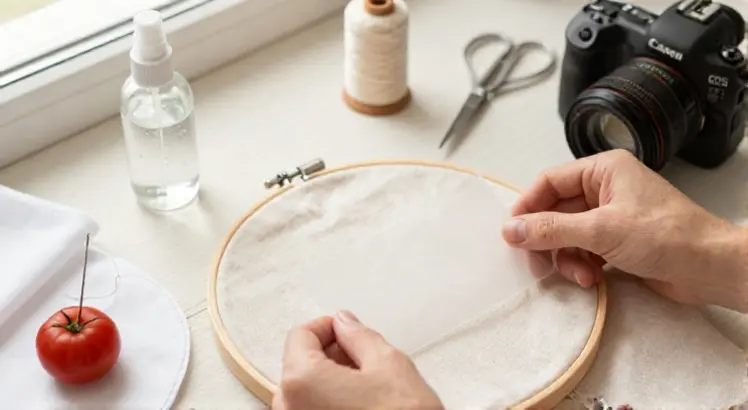
Water soluble stabiliser is a temporary backing or topping that dissolves completely in water. It supports fabric during stitching and then vanishes after a rinse. This material is perfect for delicate projects like lace, freestanding embroidery, and sheer fabrics. You can use it on both machine embroidery and hand sewing projects.
Unlike tear away or cut away stabiliser, this type leaves zero residue behind. That makes it ideal for items where the back side is visible, such as organza or netting. It also works well as a topping on napped fabrics to stop stitches sinking in. Many sewists keep a roll on hand for unusual projects.
Types of Water Soluble Stabiliser
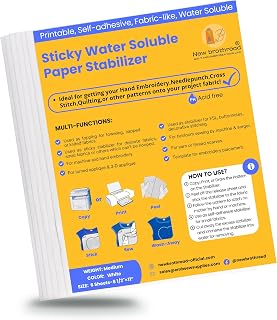
New brothread Sticky Water Soluble Embroidery Stabilizer 6 Pack
Check PriceThere are two main types, film like sheets and fabric like sheets. Film stabiliser looks like thin plastic and works best as a topping. Fabric stabiliser feels more like non woven material and works as a backing. Some products are printable, which helps when transferring patterns.
Choose the type based on whether you need support underneath or on top of the fabric. For freestanding embroidery, a heavy fabric like water soluble stabiliser is best. For topping on fluffy towels, a clear film like sheet prevents thread from disappearing. You can also find sticky versions that hold fabric without hooping.
When to Use Water Soluble Stabiliser in Embroidery
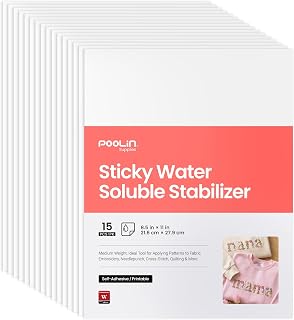
Poolin Printable Water Soluble Stabilizer 8.5 x 11 Inch
Check PriceUse water soluble stabiliser when you cannot leave any residue behind. It is ideal for freestanding lace, badges, and 3D embroidery. Topping film prevents stitches from sinking into napped fabrics like towels or fleece. If you hate seeing leftover stabiliser on the back of your work, this product solves that problem.
This stabiliser is also excellent for machine embroidered applique where you need a temporary base. You simply stitch the design, then rinse the piece and the base disappears. For hand embroidery, a layer of water soluble stabiliser can keep thin fabric from puckering. Just remember it does not provide permanent support after drying.
When to Use Water Soluble Stabiliser in Sewing
OESD AquaMesh Wash Away Embroidery Stabilizer 10 x 10 Yd Roll
Check PriceIn garment sewing, water soluble stabiliser helps with tricky areas like buttonholes, pockets, and scalloped edges. It can also stabilise sheer fabrics that shift during stitching. Quilters sometimes use it for applique or foundation piecing when a temporary base is needed. Just remember it disappears after washing, so do not use it for permanent structure.
For sewing projects, place a strip under the seam line before stitching curved edges or bias cuts. The extra support prevents ripples and uneven hems. Once you finish, a quick rinse removes every trace. This technique works brilliantly on chiffon, silk, and other slippery materials.
Preparing Your Fabric and Stabiliser
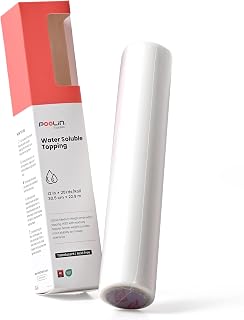
Poolin Water Soluble Embroidery Topping Film 12 by 25 Yd
Check PriceAlways start with clean, pressed fabric to avoid wrinkles transferring into your project. Cut the stabiliser slightly larger than your hoop or sewing area. For topping, lay it directly on top of the fabric before hooping. For backing, place it underneath the fabric. If the stabiliser is film like, handle it gently because it can tear easily.
Prepping correctly saves time later during removal. Use sharp scissors to cut clean edges so no small pieces break off accidentally. For printable stabiliser, run it through your inkjet printer first and let the ink dry fully. Then peel off any backing and position it on the fabric.
Hooping Techniques with Water Soluble Stabiliser
Sulky Solvy Water Soluble Stabilizer 12 by 9.5 Yd
Check PriceHooping with water soluble stabiliser requires a light touch. Too much tension can stretch the dissolvable material and cause distortion. Use a hoop that matches your design size and tighten it just enough to hold everything securely. For very delicate projects, use a sticky water soluble stabiliser and skip hooping altogether.
That method is common for tiny items like baby shoes or ornaments. You place the sticky stabiliser on the machine bed, press the fabric onto it, and stitch without any hoop. After stitching, you tear away the excess and rinse the rest. This approach reduces hoop marks on sensitive fabrics.
Stitching and Density Settings
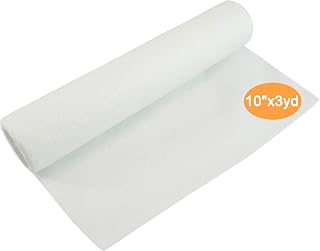
New brothread Wash Away Embroidery Stabilizer 10 x 3 Yd Roll
Check PriceWater soluble stabiliser works best with moderate stitch density. If the design is too dense, the stabiliser may shred before you finish stitching. Increase the stitch length slightly for film stabiliser to avoid cutting the material. For machine embroidery, reduce the speed a little to keep the stabiliser intact. Always test on a scrap piece first.
Adjust your needle as well. A sharp or microtex needle works better than a ballpoint when piercing through multiple layers. If you notice skipped stitches, the stabiliser might be too thick for your tension. Try a lighter weight film or add a water soluble topping instead of a backing.
Removing Water Soluble Stabiliser with Water
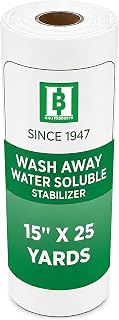
HBI Wash Away Water Soluble Embroidery Stabilizer 15 x 25 Yd Roll
Check PriceMost water soluble stabilisers dissolve in warm or cool water. Avoid hot water because it can set some residues or shrink certain fabrics. Submerge the finished piece and gently agitate it with your fingers. For stubborn bits, use a soft brush or spray bottle. Rinse thoroughly until the water runs clear and no slick feeling remains.
If you used a large amount of stabiliser, change the water once or twice to remove dissolved material completely. For freestanding lace, you can dip the piece in a bowl of water and watch the backing melt away. Patience is key, do not rush by rubbing the fabric too hard.
Air Drying and Pressing After Removal
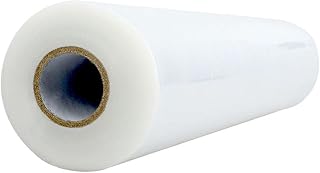
Seneme Water Soluble Stabilizer Topping Film 12 x 50 Yd Roll
Check PriceAfter rinsing, lay the project flat on a clean towel and roll it up to squeeze out excess water. Do not wring or twist the fabric, especially if it is delicate. Let it air dry completely before pressing. If you must iron, use a low heat setting and a pressing cloth. Starch or spray stabiliser can help restore crispness if the project needs it.
For embroidery on clothing, air drying prevents shrinkage and distortion. Once dry, check the back side to ensure no glossy residue remains. If you feel any stiffness, repeat the rinse and dry process. Proper drying also stops water spots from forming on dark fabrics.
Common Mistakes to Avoid
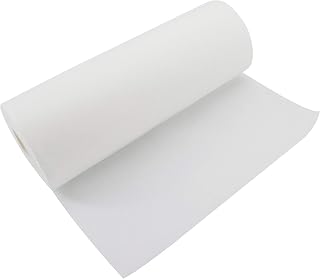
New brothread Wash Away Embroidery Stabilizer 10 x 25 Yd Roll
Check PriceOne common mistake is using too much stabiliser, which leaves a gummy residue after washing. Another mistake is hooping too tightly, which can warp the dissolvable film. Do not use water soluble stabiliser on projects that will be dry cleaned only. Also avoid leaving the stabiliser on for weeks after stitching, as humidity can break it down prematurely.
Never use hot water for removal unless the product label specifically says so. Hot water can melt some dyes and cause color bleeding. It is also wise to test the stabiliser on a small scrap of your fabric first. If the fabric is not washable, choose another type of stabiliser entirely.
Water Soluble vs Tear Away vs Cut Away Stabiliser
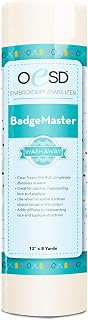
OESD Badge Master Wash Away Embroidery Stabilizer 12 x 8 Yd Roll
Check PriceTear away stabiliser is removed by tearing, but it can leave small fibers behind. Cut away stabiliser stays permanently and provides ongoing support. Water soluble stabiliser dissolves completely, leaving zero residue. It is the best choice for freestanding embroidery and sheer fabrics. However it offers less long term stability than cut away for high stress seams.
For items that will be washed often, cut away is more durable over time. Water soluble is great for one time or decorative pieces. Some sewists combine methods, using cut away for the base and water soluble as a topping. That gives the best of both worlds for dense designs on thick fabric.
Top Product Recommendations for Water Soluble Stabiliser
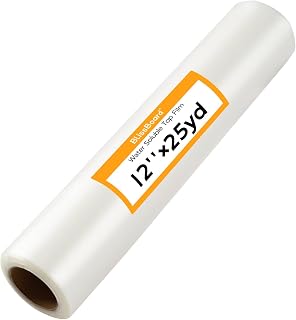
Water Soluble Stabilizer for Embroidery 12 x 25 Yd Clear
Check PriceMany brands offer reliable water soluble stabiliser rolls and sheets. Look for products with consistent thickness and good reviews for embroidery and sewing. The options below include both topping films and backing sheets. Each one dissolves cleanly and works with most home machines. Compare sizes and formats to find what fits your projects.
For beginners, a multi pack with different types is a smart starting point. That way you can experiment with film and fabric without buying separate rolls. If you do a lot of freestanding lace, invest in a heavy weight fabric stabiliser. For general topping, a clear film roll will last a long time.
Frequently Asked Questions About Water Soluble Stabiliser
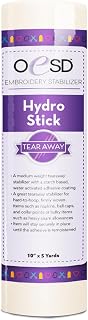
OESD HydroStick Tear Away Embroidery Stabilizer 10 x 5 Yd Roll
Check PriceBelow are answers to the most common questions from sewists and embroiderers. These tips will help you avoid frustration and get better results. If you are new to this product, read each answer carefully before starting. Water soluble stabiliser is easy to master once you understand the basics.
Can I reuse water soluble stabiliser scraps?
No, once the stabiliser gets wet and dissolves, it cannot be reused. However you can save clean dry scraps to patch under small areas. Just overlap the edges slightly to create a continuous base. Do not try to dissolve and reshape it because the chemical structure breaks down permanently.
Does water soluble stabiliser work with all fabrics?
It works on most washable fabrics like cotton, linen, polyester, and blends. Avoid using it on leather, suede, or any material that cannot get wet. For dry clean only garments, choose a different stabiliser. Always test a small hidden area if you are unsure about colorfastness.
How do I store water soluble stabiliser?
Keep it in a cool, dry place away from humidity and direct sunlight. A sealed plastic bag or airtight container works best. High moisture in the air can cause the stabiliser to become tacky or start dissolving slowly. If it feels sticky, it may still be usable but handle carefully.
Can I print on water soluble stabiliser?
Yes, printable water soluble stabiliser works with inkjet printers. Print your pattern or template directly onto the stabiliser sheet. Let the ink dry completely before hooping or sticking it to fabric. This is helpful for transferring intricate embroidery designs without tracing paper.
Is water soluble stabiliser safe for sensitive skin?
Most products are non toxic and safe after rinsing thoroughly. The stabiliser washes away completely, leaving no chemical residue on the fabric. If you have very sensitive skin, wash the finished item once more with mild soap. That extra rinse removes any remaining dissolved particles.
For more detailed guidance on how to use embroidery stabilizer, check out our full tutorial. If you are still unsure whether you need stabiliser at all, read our article on is embroidery stabilizer necessary for clarity. A good external resource on textile stabilisers is the Wikipedia page on sewing stabilisers.

Disclosure: As an Amazon Associate, we earn from qualifying purchases at no extra cost to you. Our posts are created with AI tools and human editing.