
Choosing a sewing machine can feel overwhelming when dozens of models flash similar claims. The right machine balances your creative goals, budget, and workspace without overloading you with unused features. This guide breaks down every critical factor so you can confidently match a machine to your projects. You will move from confusion to clarity by the final page.
1. Understanding Your Sewing Goals and Skill Level
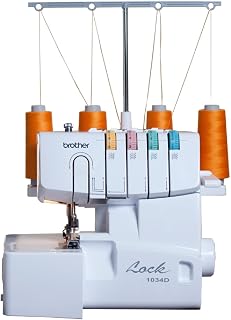
Brother 1034D Serger Overlock Sewing Machine
Check PriceStart by listing the projects you genuinely plan to sew, from simple hemming to couture garments. A beginner who only mends clothing needs far fewer stitches than a quilter or bag maker. Identifying your skill level early prevents paying for advanced embroidery functions you will never touch. Match the machine’s complexity to your current confidence, not an idealized future version of yourself.
Hobbyists who sew weekly benefit from a sturdy frame and adjustable speed control. Occasional crafters might prefer a lightweight, portable model that stores easily. Honest self assessment saves money and reduces the learning curve. Once you know your primary fabric types and project frequency, the feature list narrows dramatically.
2. Mechanical vs. Computerized Sewing Machines
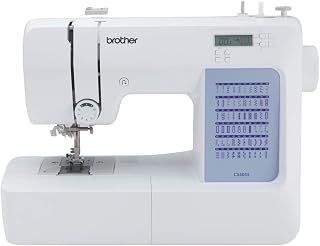
Brother CS5055 Computerized Sewing Machine with LCD Display
Check PriceMechanical machines use manual dials and levers to select stitches, offering sheer reliability and lower cost. Computerized models rely on a circuit board and LCD screen for precise stitch regulation and memory. Exploring the differences between mechanical and digital controls clarifies which suits your learning style. Mechanical options shine when you want simple maintenance and immediate control without software updates.
Computerized machines deliver automatic tension, one touch buttonholes, and often more stitch variety. They excel at repetitive tasks where consistency matters, like monogramming or decorative edging. The trade off includes a higher price tag and occasional repair complexity. Choose mechanical if you value tactile feedback; pick computerized if precision and speed top your list.
3. Stitch Versatility and Built in Settings
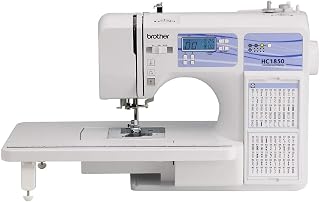
Brother HC1850 Sewing and Quilting Machine, 185 Built-in Stitches
Check PriceA basic machine includes straight, zigzag, and a few stretch stitches. Advanced models pack over a hundred patterns, including alphabets, heirloom stitches, and automatic buttonhole styles. Do not chase a huge number blindly: versatile essentials matter more than decorative stitches you will never use. Look for adjustable stitch length and width, which let you customize every seam type.
Machines with one step buttonhole functionality save time on garments. Stitch memory on computerized units remembers your favorite combinations for frequent projects. Always test a machine’s stitch quality on scrap fabric before buying. Smooth, even stitches without skipped loops signal a well engineered feed system.
4. Needle and Thread Compatibility Essentials
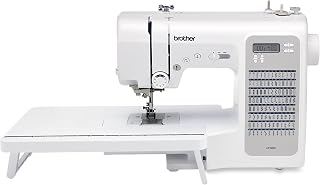
Brother CP100X Computerized Sewing and Quilting Machine
Check PriceNot every machine accepts all needle sizes or specialty threads. Heavy denim work requires a strong feed and a machine that accommodates size 16 or 18 needles. Lightweight silks and sheers need a fine single hole throat plate to prevent fabric from being pushed down. Examine the needle clamp and tension range before committing to a model.
Thread compatibility is equally crucial: metallic and thick topstitching threads demand adjustable tension and a smooth thread path. Machines with automatic needle threaders reduce eye strain and setup time significantly. A drop in bobbin system lets you monitor thread supply without dismantling the stitch plate. Confirm that the bobbin type is widely available locally or online.
5. Fabric Handling and Feed Systems
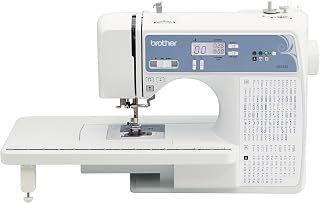
Brother XR9550 Computerized Sewing and Quilting Machine 165 Stitches
Check PriceHow a machine moves fabric under the needle determines your finished seam quality. A standard four piece feed dog works for cotton basics, but slippery or stretchy materials need extra grip. Machines with a built in walking foot or even feed system excel on knits, quilts, and vinyl. Test the feed on multiple fabric weights: uneven feeding leads to puckered seams and frustration.
Adjustable presser foot pressure is a lifesaver when switching between sheer chiffon and thick wool. Dual feed mechanisms found on some higher end models act like a built in walking foot without an attachment. If you sew stretchy activewear frequently, prioritize a machine with strong fabric transport. Smooth feeding improves stitch consistency and reduces hand basting time dramatically.
6. Budgeting Without Sacrificing Quality
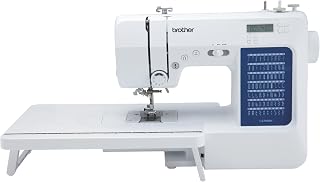
Brother CS700X Sewing and Quiting Machine LCD Display
Chec PriceDecent starter machines exist between $150 and $300, offering core stitches and metal frames. Spending a bit more often buys a stronger motor, quieter operation, and longer warranty support. Avoid the temptation of ultra cheap toy like models that skip stitches on anything thicker than muslin. A well chosen midrange machine can last over a decade with proper care.
Factor in accessory costs: extra presser feet, a walking foot, and extension tables add up. Many machines bundle these in convenience kits, saving you from separate purchases. Set a realistic budget that includes thread, needles, and a protective cover. A machine that hurts your wallet less but performs reliably always beats a feature loaded lemon.
7. Beginner Friendly Features and Ease of Use
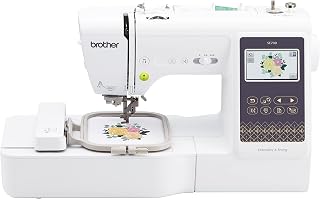
Brother SE700 Sewing and Embroidery Machine, Wireless LAN
Check PriceIf you are just starting, explore our curated list of best sewing machines for beginners for models that simplify learning. Clear threading diagrams, top loading bobbins, and an automatic needle threader eliminate common headaches. Speed control sliders let you sew slowly while mastering hand positioning. A machine that feels intuitive keeps you motivated during the first tricky projects.
Look for a removable free arm to sew cuffs and children’s clothing without wrestling the fabric. An easy to read stitch selection panel, whether dial or LCD, reduces guesswork. Start with a model that includes a printed manual and online video tutorials. Building confidence on a user friendly machine turns occasional stitchers into lifelong makers.
8. Quilting and Embroidery Capabilities
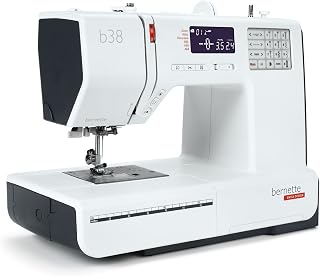
Bernette B38 Sewing Machine
Check PriceQuilters need a generous throat space to maneuver bulky layers comfortably. A machine with a needle up/down function and adjustable feed dogs makes free motion quilting feasible. Some models include a quilting foot, extension table, and even a walking foot in the box. If occasional quilting is your goal, a standard machine with wide table accessory suffices.
Embroidery focused machines offer built in designs, USB ports, and hooping stations. Combination sewing and embroidery units let you switch between disciplines without a second machine. Ensure the embroidery area accommodates your largest planned motifs, often 4 x 4 inches or larger. Dedicated embroidery machines deliver finer stitch density and faster stitching, but they also demand a higher investment and learning curve.
9. Heavy Duty Construction for Tough Projects
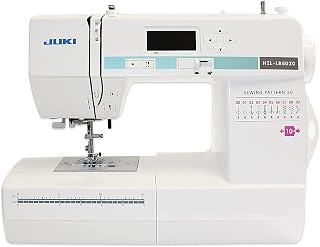
Juki HZL-LB5020 Computerized Sewing Machine
Check PriceSewing denim layers, canvas, or leather demands a robust motor and a metal inner frame. Heavy duty machines labelled for tough fabrics typically come with a stronger gear system and non slip feed dogs. Check the machine’s maximum presser foot lift height to slide multiple thick layers easily. A high speed straight stitch combined with a powerful punch force prevents skipped stitches on webbing or upholstery.
These workhorses often sacrifice some decorative stitch variety for sheer power, which is perfect for bag makers and home decor sewists. Even within heavy duty classifications, confirm the needle bar and hook assembly use metal components. Plastic internals wear down quickly under constant stress. Investing in a cast iron or alloy framed machine pays off in longevity and stitch accuracy.
10. Brand Reliability and Support Networks
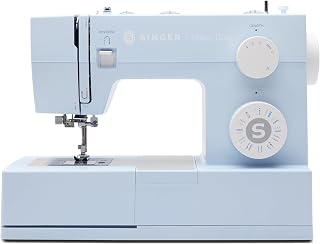
SINGER 4423 Heavy Duty Sewing Machine
Check PriceBrands like Brother, Singer, Janome, and Juki have deep dealer networks and abundant online communities. Local dealerships provide hands on demos, lessons, and repair services that big box stores cannot. Reading owner reviews across multiple sources reveals common glitches or long term satisfaction patterns. A machine with accessible spare parts and YouTube tutorials turns a breakdown into a quick fix.
Warranty length and coverage differ significantly: some offer 25 year limited coverage on the chassis, while others cap at one year. Certified refurbished machines from manufacturers often cost less and include factory inspection guarantees. Do not underestimate the value of a supportive Facebook group or forum dedicated to your model. Quick answers from experienced users can prevent hours of frustration.
11. Accessories, Maintenance, and Expandability
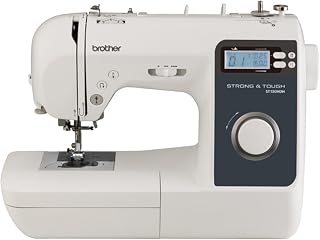
Brother ST150HDH Strong and Tough Sewing Machine
Check PriceA machine’s value grows when it supports a wide range of optional presser feet: gathering foot, piping foot, and roller foot can transform your projects. Confirm the shank type, low, high, or slant, so you can buy generic feet affordably. Regular oiling and lint removal keep internal parts humming, so a screwdriver access for the needle plate is essential. Some models include a dust cover and a storage compartment for bobbins and needles right on the arm.
Expandable tables and extension beds turn a portable unit into a capable quilting station. USB connectivity on advanced embroidery machines lets you import custom designs from your computer. Even basic machines can be upgraded with LED lighting strips and thread stands. Think of your purchase as the beginning of a system, not a standalone tool that cannot grow with your skills.
12. Smart Shopping and Answers to Common Questions
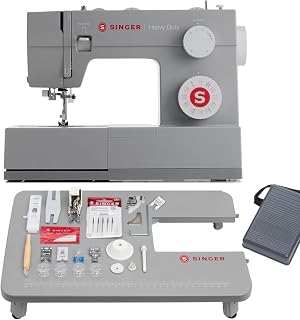
SINGER 4452 Holiday Bundle Heavy Duty Sewing Machine + Accessory Kit
Check PriceTest drive floor models whenever possible, bringing your own fabric samples to judge noise and stitch quality. Compare both online and local prices, factoring in shipping or sales tax. For additional expert insight, check this comprehensive buying guide from Seamwork. Finalizing your choice after hands on evaluation ensures the machine feels right under your fingers.
Read the return policy carefully; a 30 day home trial can reveal ergonomic issues no demo shows. Keep the original packaging until you are sure the machine is a keeper. Once settled, register your warranty and join a community to kickstart your creative journey.
Frequently Asked Questions
How much does a good sewing machine cost?
A reliable entry level mechanical machine starts around $150, while dependable computerized models begin near $300. Heavy duty and quilting machines can range from $400 to over $1000. The price reflects motor quality, metal frame construction, and stitch variety. You can find excellent value in refurbished units that have been manufacturer certified.
What is the difference between a serger and a sewing machine?
A sewing machine creates lockstitches and basic seams, while a serger trims, overcasts, and sews simultaneously for professional knit and woven finishes. Sergers use multiple threads and loopers for stretchable seams. Many sewists own both: a sewing machine for construction and a serger for neat edges. A coverstitch function further expands hemming capabilities on knits.
How many stitches do I really need?
Most garment sewers thrive with a straight stitch, zigzag, buttonhole, and a few stretch stitches. Decorative stitches add personality but are not essential for construction. Machines with 30 to 80 stitches cover almost all home projects without overwhelming the user. Prioritize adjustable stitch length and width over sheer quantity.
Can I use a regular sewing machine on denim?
Yes, many standard machines handle lightweight to midweight denim if you use the correct needle and thread. Thick stacked seams on jeans may challenge weaker motors, causing skipped stitches. A machine advertised as heavy duty or with metal gears is safer for constant denim work. Going slowly and using a hump jumper tool helps any machine clear bulky junctions.
Do computerized machines break more often?
Not necessarily; modern computerized models are robust when maintained and not overloaded. The circuit board can be sensitive to power surges, so a surge protector is recommended. Mechanical machines have fewer components to fail, but they lack the precision timing adjustments computerized boards provide. Both types can last decades with regular cleaning and oiling.
Is a walking foot necessary for beginners?
A walking foot is not mandatory for basic wovens, but it greatly simplifies sewing knits, quilts, and plaids. It acts as a second set of feed dogs on top, preventing layers from shifting. Beginners who plan to sew slippery fabrics should prioritize a machine that includes or accepts a walking foot. Even occasional use improves seam matching on stripes and checks.
How long do sewing machines typically last?
Quality machines often last 10 to 25 years with proper care, and vintage metal machines can work for generations. Key longevity factors include all metal frames, scheduled oiling, and timely professional servicing. Ignoring lint buildup and overworking a lightweight motor shortens lifespan significantly. Invest in a model from a reputable brand and treat it like a precision instrument.
Conclusion:
Your perfect sewing machine balances your creative appetite with practical constraints. Revisit your project list, budget comfort zone, and physical space before clicking buy. A machine that feels effortless will be used often, sharpening your skills every season. Trust the research you have done today, and start stitching with confidence and joy.

Disclosure: As an Amazon Associate, we earn from qualifying purchases at no extra cost to you. Our posts are created with AI tools and human editing.