
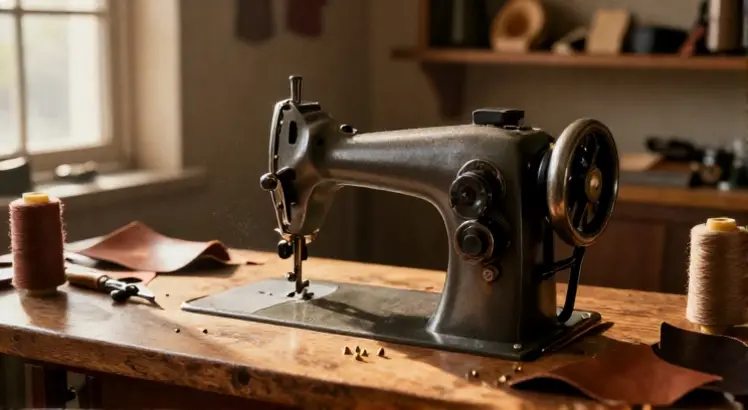
When you first look into leatherwork or shoe repair, one question immediately comes to mind, how much is a shoe sewing machine. The answer depends heavily on the type of machine, its power, and its intended use. A simple manual patcher might cost less than a dinner out, while a full industrial setup can rival the price of a used car. Understanding these tiers helps you avoid overspending on features you will never need. This guide breaks down the exact expenses, hidden fees, and value propositions so you can make a confident investment.
Shoe sewing machines are not just for cobblers anymore. Hobbyists, small business owners, and designers use them to craft custom footwear, repair leather goods, and stitch heavy materials like canvas. Because these machines need to puncture tough hides, their build quality and motor strength differ dramatically from a standard home sewing machine. The market offers everything from compact hand-crank devices to computerized, self-lubricating workhorses. Knowing where you fit on that spectrum is the first step to understanding the price.
Many beginners confuse a heavy-duty domestic machine with a true shoe patcher. A standard domestic machine, even marketed as heavy-duty, usually lacks the presser foot clearance and torque to handle thick leather soles or multiple layers of webbing. Shoe sewing machines feature specialized feeding mechanisms like roller feet or walking feet and often use a cylindrical post bed to access tight shoe interiors. Correctly identifying these commercial-grade components prevents you from wasting money on equipment that will stall or break needles.
Understanding the Types of Shoe Sewing Machines
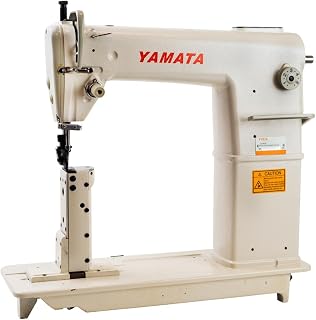
Yamata FY810 Drop Feed Heavy Duty Single Needle Lockstitch Post Bed Industrial Sewing Machine Comes With Table, Legs, and Servo Motor – Leather & Shoe Sewing Machine
Check PriceThe shoe sewing machine category splits into three main groups. Manual crank patchers, electric flatbed leather stitchers, and heavy-duty post bed industrial machines each serve different production scales. A manual machine requires no electricity and is perfect for on-the-spot repairs. Electric flatbed models add motorized efficiency for medium-weight projects. Post bed machines with a raised cylinder arm are the gold standard for professional shoe factories, allowing access to tight toe boxes and curved seams. Choosing the correct type dramatically affects the final purchase price.
Manual vs. Electric Shoe Sewing Machines
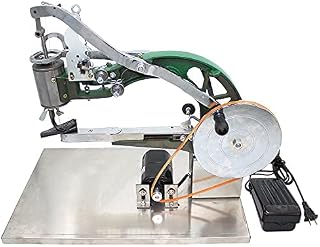
2021 Cobbler Sewing Machine 110V 250W Motor with Stainless Steel Base Eletrical and Manual Sets Leather Sewing Machine for Leather/Shoes/Bags/Clothes/Quilts/Coats/Trousers(Green)
Check PriceThe debate between manual and electric is often a matter of budget and production volume. A manual hand crank machine offers simplicity and extreme durability, often with fewer parts that can fail. Electric models provide higher stitching speeds, crucial if you are repairing multiple pairs of shoes daily. The cost gap is significant, with manual machines starting around $100 and electric ones often starting at $250 to $400. You sacrifice speed for savings, but for a traveling cobbler, a manual machine is still indispensable.
Key Factors That Influence the Cost
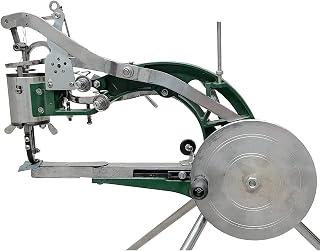
The New Cobbler Machine 10 -Bearings,Shoe Repair Hand Leather Sewing Machine, Shoe Cobbler Machine with Nylon Line, Manual Mending for Leather/Shoes/Bags/Clothes/Quilts/Coats/Trousers
Check PriceSeveral variables directly impact how much a shoe sewing machine costs. The machine’s bed type is a primary factor, flatbed models are cheaper and suit bags and wallets, while post bed units are pricier because they stitch shoes more effectively. Motor strength measured in horsepower or wattage influences price, with servo motors costing more than clutch motors but offering superior control. Finally, included accessories like tables, stands, and specific needle plates add to the total bundle price. When comparing listings, you must verify what is actually included in the box to avoid unexpected additional purchases.
Price Range for Entry-Level Manual Machines
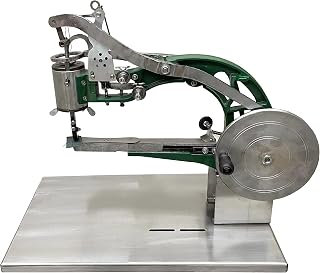
10-Bearings Set Shoe Repair Hand Leather Sewing Machine, Shoe Cobbler Machine with Nylon Line, Manual Mending for Leather/Shoes/Bags/Clothes/Quilts/Coats/Trousers
Check PriceFor those asking how much is a shoe sewing machine on a tight budget, manual patchers offer the lowest barrier to entry. You can find reliable hand-crank leather sewing machines priced between $80 and $200. These machines typically feature a cast iron body and can handle leather up to 6 millimeters thick. They do not come with a motor, so you trade speed for pure mechanical reliability. I often recommend these as a starting tool for learning leather tension control without risking an expensive servo motor system.
Mid-Range Industrial Models for Small Shops
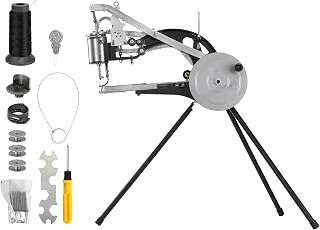
BEAMNOVA Leather Stitching Machine, Cobbler Sewing Shoe Repair Tool
Check PriceStepping into a small business or serious hobby, you enter the mid-range price bracket of roughly $400 to $1,200. These machines usually run on a 110V motor and sit on a dedicated steel table with a servo motor that lets you control speed precisely. The 2021 Cobbler Sewing Machine and similar BEAMNOVA models fall squarely here. They balance affordability with the ability to stitch through dense sole leather for hours without overheating. For a small repair shop, this is the sweet spot where the machine pays for itself within a few months of steady work.
High-End Computerized Post Bed Machines
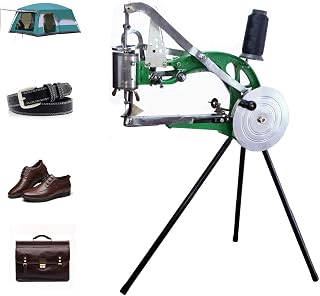
Hand Cobbler Shoe Repair Machine Dual Cotton Nylon Line Sewing Machine Manual Leather Machine Shoe Sewing Machine for Shoes/Upsolery/DIY Items
Check PriceAt the top of the pyramid, professional computerized post bed machines like the Yamata FY810 command prices from $1,500 to $3,000 and beyond. These machines feature synchronized triple feed systems, programmable thread trimmers, and oil-bath lubrication. Their heavy cast iron construction absorbs vibration, producing a silent, flawless lockstitch through multiple leather layers. If you are manufacturing custom Goodyear welted boots or high-volume basketball shoes, this investment is non-negotiable. The speed and reliability translate directly into higher daily output and professional-grade finish quality.
New vs. Used Shoe Sewing Machines
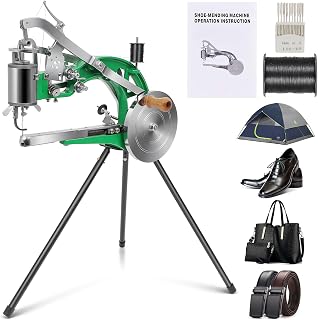
Leather Cobbler Machine, Cobbler Stitching Machine, Shoe Repair Machine
Check PricePurchasing a pre-owned industrial machine can cut your initial costs by 40 to 60 percent, bringing high-end post bed models into the mid-range budget. However, you must carefully inspect the hook assembly, feed dog, and internal gears for wear. A used machine without a servo motor may also require you to upgrade the motor to meet modern safety standards. I recommend buying used only from a reputable dealer who can demonstrate the machine stitching perfectly. While risky, a refurbished vintage Singer patcher can often outlive a cheap new import.
What to Look for When Buying
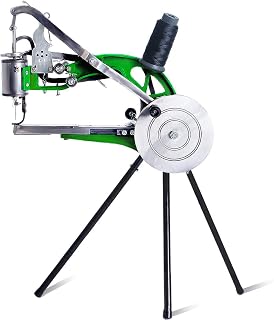
Manual Leather Sewing Machine Hand Shoe Cobbler Stitching Repair Mending Machine Patcher Dual Cotton Nylon Line Sewing Machine
Check PriceBeyond the price tag, examine the maximum stitch length and presser foot lift height. For shoe resoling, you need a lift of at least 12 millimeters to clear thick heels. Confirm the machine uses a standard needle system, like the 135×16 or 134, to ensure easy replacements. Check if the table and stand are included because sourcing them separately can cost an extra $150 to $300. Finally, look for a machine with a safety clutch to prevent catastrophic gear damage if the needle jams. These features separate a frustrating paperweight from a lifetime workhorse.
Common Mistakes to Avoid
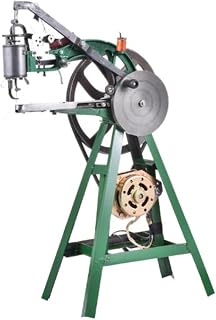
Electric Cobbler Sewing Machine, Heavy Duty Hand Shoe Repair Mending Sewing Machine, with Vertical Stand, Leather Shoe Making Equipment, for Leather/Shoes/Bags/Clothes/Quilts/Coats
Check PriceThe biggest mistake is trying to force a domestic sewing machine to stitch through shoe leather. This results in broken gears, thrown timing, and scorched motors. Another error is underestimating the learning curve of a post bed machine, the vertical bobbin and narrow arm require different handling techniques than a flatbed. Some buyers also ignore the electrical requirements, a 220V industrial machine in a 110V outlet needs a converter. I have seen too many people buy a machine ‘too big’ and never use it, or ‘too small’ and break it instantly.
Maintenance Costs Over Time
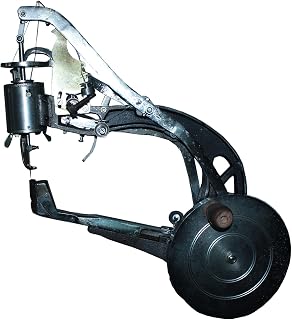
Cobbler Sewing Machine Repair Shoes Machine Mending Machine Sewing the Inside of Shoes Professional Industrial Heavy Duty Sewing Machine for Clothes/Sneaker/Boot
Check PriceOwning a shoe sewing machine comes with ongoing costs that many buyers forget to budget. Industrial sewing machine oil is essential, and a bottle costs about $10 but must be applied frequently to high-speed machines. Needles specifically designed for leather sewing are thicker and cost more than universal needles, breaking more often if you hit a hard welt. Replacement bobbins, hook assemblies, and feed dogs can run from $20 to $200 over the machine’s lifespan. Regular professional servicing every two years may add $100 to $150 but will extend the machine’s life for decades.
Frequently Asked Questions
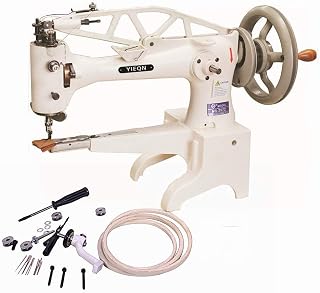
Leather Patcher Industrial Sewing Machine Shoe Repair Boot Patch Single Needle Hand Crank DIY Head Only #2972B
Check PriceCan a regular sewing machine sew shoes?
No, a regular domestic sewing machine cannot handle shoe construction. Even heavy-duty home machines lack the presser foot clearance and hook strength to penetrate thick soles or dense leather. Attempting to do so will throw off the machine’s timing and permanently damage the motor. You need a dedicated shoe patcher.
How much should I spend on my first shoe repair machine?
For a first-time buyer, I recommend spending between $150 and $400. This price range gets you a solid manual or basic electric patcher that can handle most repair tasks without overwhelming you with settings. This allows you to learn the craft of handling leather tension and thread paths before upgrading to a full industrial post bed model that costs over a thousand dollars.
What is the difference between a flatbed and post bed shoe machine?
A flatbed machine has a wide, level work surface, making it great for bags and belts but awkward for 3D shoe structures. A post bed has a raised, narrow cylinder arm that lets you slide the shoe upper over it easily to stitch inside tight curves and toe caps. Post bed machines are the industry standard for footwear, and they generally cost more due to their specialized design.
Expert Tips for Shoe Repair Startups
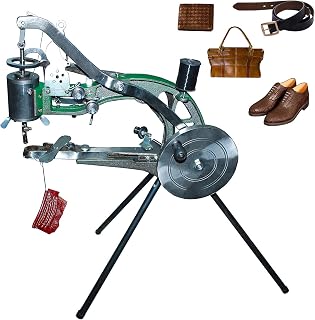
(the Latest Upgraded Version 10 -Bearings) Shoe Repair Hand Sewing Machine, Shoe Cobbler Machine with Nylon Line, Manual Mending for Shoes/Bags/Clothes/Quilts/Coats/Trousers
Check PriceIf you are launching a shoe repair business, do not forget to factor in the cost of a heavy-duty thread stand and premium bonded nylon thread. Polyester thread from the craft store is too weak for soles. Invest in a powerful servo motor immediately, even if your machine comes with a clutch motor, because the precision of a servo drastically improves your stitch quality. Also check out our complete best shoe sewing machine guide for more detailed comparisons. Mastering the patcher will take practice, but once you understand how to balance top and bottom tensions on thick hides, you can triple the price of your services.
Conclusion and Final Thoughts
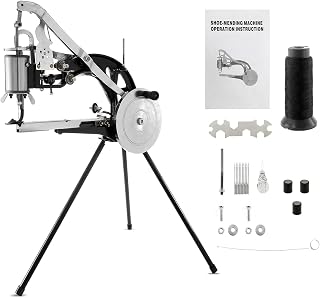
IRONWALLS Leather Cobbler Manual, Heavy Duty Hand Shoe Repair Mending Sewing Machine with Needles, Leather Stitching Sewing Machine for Canvas Cotton Linen, Bags, Cloths, Tents
Check PriceSo, how much is a shoe sewing machine truly worth. The answer depends entirely on your commitment level. A manual $100 patcher can transform a side hustle into a steady income stream, while a $2,500 industrial setup is the backbone of a full-scale custom shoe workshop. By identifying your primary materials, daily output goals, and workspace, you can map the price tiers we discussed to your specific reality. For most serious beginners, the entry-level electric machines around $250 strike the perfect balance between capability and cost.
Remember that the machine itself is only part of the equation. You must also budget for strong needles, quality nylon thread, and a sturdy table to absorb vibration. Taking care of the machine with regular oiling and avoiding dry sewing will ensure it retains its resale value. If you are still weighing your options, read our article on how to sew leather with a machine to prepare for the learning curve. The right machine, treated with respect, will easily outlast the shoes you repair with it. Purchase confidently, keep your tension balanced, and let the machine do the hard work for decades.
For a broader historical perspective on the mechanics, visit the Wikipedia page on sewing machines. It offers fascinating insight into how lockstitch technology evolved, shaping the very machines we use for shoe repair today.
