
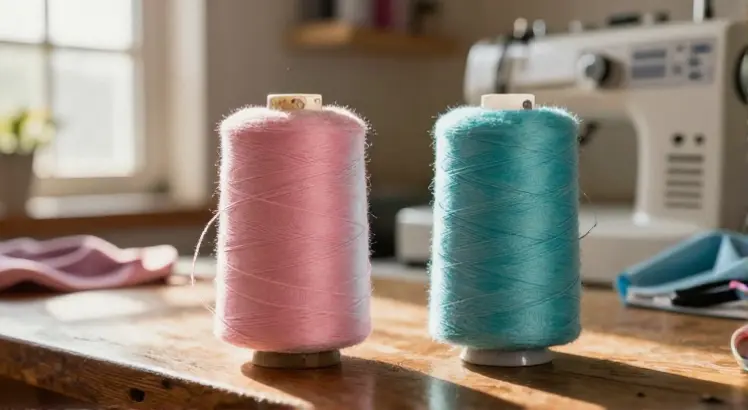
If you’ve just unearthed a cone of serger thread from the back of your sewing cabinet, the first question that pops up is probably, How long does serger thread last? Maybe it was a gift, a clearance haul, or a color you haven’t touched since 2018. The quick answer: a high-quality serger thread stored properly can easily last 10 to 20 years, sometimes even longer, without becoming brittle or weak. But that longevity isn’t automatic.
Thread material, humidity, exposure to light, and the original manufacturing quality all play a role in whether that cone sews up beautifully or snaps every few inches. I’ve been serging everything from lingerie to heavy denim for over a decade, and I’ve learned firsthand that storage habits make or break thread performance. In this guide, I’ll break down exactly what determines thread lifespan, how to spot degradation before it ruins a project, and the storage tricks that keep your overlock cones factory-fresh.
What Is Serger Thread and Why Longevity Matters
Serger thread, often called overlock thread, is the fine, smooth thread used in sergers and overlock machines to construct seams, finish edges, and sew stretchy garments. Unlike standard sewing thread wound on small spools, serger thread typically comes on large cones or king spools because sergers consume thread at a much faster rate. Knowing how long does serger thread last isn’t just about avoiding waste; it’s about stitch quality.
Old or degraded thread can cause skipped stitches, inconsistent tension, and seam failure, especially on projects that require durability, like activewear or children’s clothing. A cone that’s been sitting in direct sunlight for years might look fine but could have lost up to 30% of its tensile strength. That’s why understanding thread shelf life is a practical skill every sewist should have.
How Long Does Serger Thread Last on Average?
When stored away from heat, humidity, and direct sunlight, most polyester serger threads remain perfectly usable for 15 to 25 years. Cotton-wrapped poly cores may last a bit shorter, around 10 to 15 years, because the natural cotton fibers are more susceptible to moisture and mildew. Specialty threads like woolly nylon (used for rolled hems and lingerie) also have a solid shelf life of 10 to 20 years if kept in a dark, dry place.
I recently tested a 14-year-old cone of polyester serger thread that had been stored in a closed plastic bin with silica gel packets, and it sewed a baby hem on chiffon without a single snap. On the flip side, a cone of the same brand left on an open shelf near a window showed visible color fading and snapped repeatedly under normal tension. So the true answer to how long does serger thread last depends far less on the calendar and far more on the conditions it has lived in.
Factors That Determine Serger Thread Lifespan
Thread Material and Fiber Content
The core fiber of the thread is the single biggest factor in longevity. Polyester serger thread is the workhorse; it resists moisture, mildew, and UV degradation far better than natural fibers. It’s what I recommend for long-term storage.
Cotton serger thread is softer and has a lovely matte finish, but it’s more prone to absorbing atmospheric moisture, which can weaken the fibers and attract mold. Woolly nylon and texturized threads have a stretchy, fluffy texture ideal for knits, but they can become brittle over time if exposed to heat. When you’re building a stash you plan to use for years, selecting a top-quality serger thread made from long-staple polyester can easily double the usable life compared to bargain bin threads.
Original Manufacturing Quality
Not all thread is created equal. Premium brands like Maxi-Lock, Gutermann, and Madeira engineer their overlock threads with a consistent diameter, a smooth finish, and UV inhibitors that slow down breakdown. Cheaper, no-name cones may have uneven twisting or weak spots that reveal themselves much sooner.
I’ve pulled five-year-old budget thread off a cone and found it was already fuzzy and prone to shedding lint. That lint can gunk up your serger’s tension discs and knife mechanism, leading to costly repairs. Investing in reputable thread upfront means you’ll be able to answer how long does serger thread last with decades instead of “a couple of years.”
Storage Conditions: Light, Temperature, and Humidity
Thread’s worst enemies are UV light, high heat, and fluctuating humidity. Sunlight breaks down the chemical structure of polyester over time, causing discoloration and brittleness. A hot attic or a damp basement can introduce moisture that weakens the thread from the inside out. Ideally, store cones in a climate-controlled room between 60°F and 78°F with relative humidity below 50%.
Even a closet inside your sewing room is vastly better than an open shelf near a window. I learned this the hard way after a summer heatwave turned a box of cotton serger thread stored in my garage into a musty, snapping mess. Now I treat thread storage like I treat fine fabric, protected and pampered.
Exposure to Dust and Airborne Chemicals
Airborne kitchen grease, cigarette smoke, and even strong perfumes can settle on thread cones and degrade the fibers over many years. Dust acts like microscopic sandpaper, causing friction as the thread unwinds, which leads to fraying and weak spots. Keeping cones covered—even if it’s just a simple dust cover or a dedicated storage box—can add years to their life. Simple protective measures make a noticeable difference when you start asking how long does serger thread last in a real-world home environment.
Signs Your Serger Thread Has Gone Bad
- Visible fading or yellowing: Color change often signals UV damage or chemical breakdown, especially on white or pastel cones.
- Excessive fuzz or lint: Run your thumb and forefinger lightly over the thread. If it feels fuzzy or leaves a coating of fibers, the thread is deteriorating.
- Brittleness and snapping: Gently pull a length of thread. If it snaps with little effort or feels “crunchy,” the structural integrity is gone.
- Musty or sour smell: A damp, mildew-like odor indicates moisture damage, and the cone should be thrown away to avoid contamination of your machine.
- Inconsistent tension during sewing: If your serger loops are suddenly uneven and re-threading doesn’t fix it, the thread might have developed weak and thicker spots from aging.
If you notice any of these signs, it’s safer to discard the cone. Pushing questionable thread through your serger can lead to frustrating unpicking or even damage to the loopers and needles. A fresh cone is cheaper than a service call.
How to Store Serger Thread to Maximize Lifespan
Storing cones correctly is the single most powerful way to extend the answer to “how long does serger thread last.” Here are the strategies I use in my studio, based on years of trial and many ruined cones.
Use Airtight, Light-Blocking Storage
Clear plastic bins are popular, but if light can reach the threads, UV degradation still happens slowly. Opt for opaque containers or keep clear bins inside a dark closet. Adding a few silica gel desiccant packs inside the bin absorbs excess humidity and prevents mildew. I rotate my desiccant packs every six months to keep them effective. For serious stash protection, look into dedicated serger thread storage solutions that combine dust covers, drawer systems, and foam inserts designed specifically for cone threads.
Keep Thread in Its Original Plastic Wrap
Many serger cones come wrapped in a thin plastic film that locks out moisture and dust. I used to peel it off right away, but keeping it on until the cone is in active use provides a free extra layer of protection. For long-term storage, leave that shrink wrap intact. You can even place the entire wrapped cone inside a zip‑top bag for double insurance.
Label and Date Your Cones
It’s easy to forget when you bought that giant 3000-yard cone of navy thread. Write the purchase date on a small sticker and attach it to the cone base or storage bin. This gives you a clear benchmark when you’re evaluating thread condition years later. If a cone from 2015 still passes the snap test and looks smooth, you’re good to go.
Avoid Stacking Heavy Objects on Cones
Cone threads are wound under specific tension. Stacking heavy books or fabric on top of cones can crush the underlying layers, create flat spots, and cause the thread to catch and break as it unwinds. Store cones upright in divided compartments or on tiered cone racks so they keep their shape. Even a small deformation can shorten the practical lifespan of an otherwise perfect cone.
Rotate Your Stash Using FIFO
Borrow the restaurant kitchen rule: first in, first out. Place newly purchased cones toward the back of your storage and pull older cones forward for upcoming projects. This simple habit ensures no cone languishes forgotten for decades and that you’re consistently working with thread that’s still within its prime window.
Does Vintage or Inherited Thread Still Work?
I frequently get handed boxes of vintage thread from estate sales or relatives who used to sew. The big question: is it safe to use? The answer is a cautious yes, with testing. Polyester thread from the 1980s that was stored in a cool basement often performs just as well as new thread.
However, vintage cotton thread can be unpredictable, it may have already started to rot or may shatter under serger speeds. Always do a snap test and a short test seam on scrap fabric before committing to a full project. If the vintage cone is on a cardboard core, check for rust stains or mold around the base, which signal moisture damage that’s likely crept into the thread itself. When in doubt, remember that a $4 cone of fresh overlock thread is far cheaper than repairing a garment that failed at the seams.
FAQ About Serger Thread Shelf Life
Does serger thread have an expiration date?
Manufacturers rarely print a strict expiration date on thread cones because thread doesn’t expire like food. According to thread shelf life recommendations, synthetic sewing threads can remain functional for decades when stored correctly. The real expiration happens when environmental damage makes the thread unusable, not when a calendar page turns.
Can I use serger thread that’s 15 years old?
Absolutely, as long as it passes the visual inspection and snap test. I regularly sew with polyester thread cones that are 12 to 15 years old. Check for color evenness, texture changes, and strength before committing to a project. If the thread feels supple and shows no fuzz, it’s likely fine.
Why does my old serger thread keep breaking?
Frequent breaking usually points to UV damage, heat exposure, or moisture absorption that has embrittled the fibers. Even if the cone looks okay on the surface, the inner layers might be compromised. Swap in a known fresh cone to confirm the problem is the thread and not your machine’s tension or needle.
What is the safest way to test thread strength?
Cut a 12‑inch length, hold it between both hands, and pull firmly and steadily. Good thread should resist snapping and stretch slightly before breaking. If it pops with almost no effort, or you see tiny cracks along the strand before it breaks, the thread has degraded. You can also wrap it around your finger tips and give a quick tug to simulate the jerk of a serger running at full speed.
Final Thoughts on How Long Does Serger Thread Last
When you protect your cones from light, moisture, and dust, the answer to how long does serger thread last can easily be measured in decades rather than years. Polyester threads are especially resilient, while cotton and specialty fibers need a little more TLC.
The key is developing a storage system that’s simple to maintain, opaque bins, desiccant packs, and a FIFO rotation will keep your stash healthy. Regularly inspect older cones and be ready to retire anything that looks faded, fuzzy, or feels brittle.
A small investment in proper storage today saves you money on replacements and frustration on every future project. Whether you’re building a thread collection for a home studio or just trying to use up that giant cone of black serger thread, treating your thread well means it will treat your seams well for years to come.
