
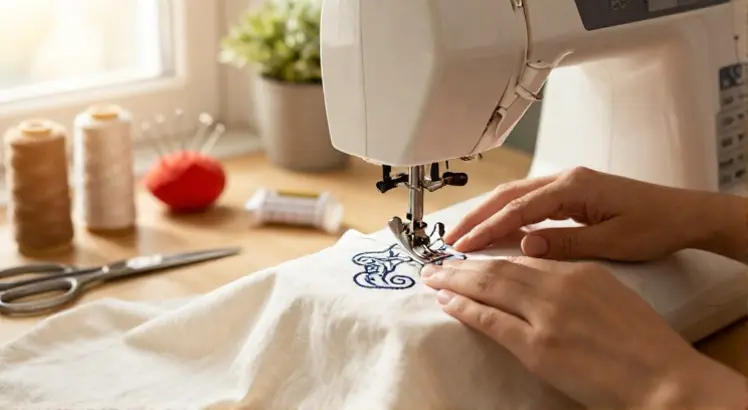
Monogramming adds a personal, elegant touch to towels, linens, clothing, and accessories. Many assume you need a pricey embroidery machine to create those beautiful initials, but that is not the case. The question can you monogram with a regular sewing machine is common, and the answer is a resounding yes.
With the right setup, a few specialty accessories, and a bit of practice, a standard home sewing machine can produce crisp, custom monograms. This guide covers everything from the essential tools and machine settings to free-motion techniques and troubleshooting, helping you achieve professional-looking results without investing in a dedicated embroidery or monogramming machine.
How a Regular Sewing Machine Handles Monogramming
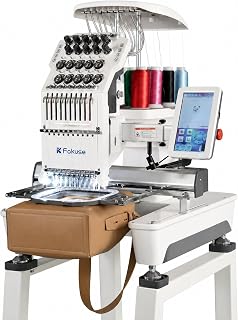
Fokuse FKS-1001 Commercial Embroidery Machine
Check PriceUnderstanding the mechanics behind a regular sewing machine is the first step. Unlike a computerized embroidery machine that automatically moves the hoop in X and Y directions, a standard machine relies on you to guide the fabric. This means you use free-motion embroidery, where you drop the feed dogs (the teeth that move fabric forward) and manually control the stitch direction and length.
The machine acts as a fixed needle point, and you become the hoop movement system. Because you are in full control, you can stitch flowing script letters, bold block initials, or decorative motifs. The key is to treat the needle like a pencil and your hands as the paper mover. This technique is also used for free-motion embroidery on a conventional machine, and it is the foundation of monogramming without a dedicated unit.
Essential Tools and Setup for Machine Monogramming
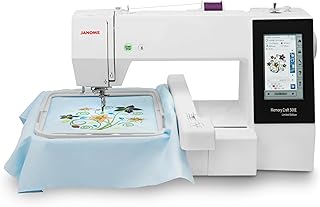
Janome Memory Craft 500e LE Embroidery Machine
Check PriceBefore you start stitching, gather the right supplies. A successful monogram project depends on a few critical components that turn your regular machine into a capable monogramming tool.
The Free-Motion or Darning Foot
This is non-negotiable. A darning foot (also called a free-motion quilting foot or hopping foot) has a spring-loaded mechanism that allows it to hop slightly off the fabric as you move it. This prevents the fabric from flagging and gives you better visibility. It also keeps your fingers safely away from the needle. Most brands offer a compatible foot for their machines; check your manual for the correct part number.
Stabilizer and Hooping
Stabilizer is the unsung hero of monogramming. Without it, fabric puckers and stitches distort. Use a tear-away or cut-away stabilizer appropriate for the fabric weight. For knits or stretchy fabrics, a cut-away stabilizer is best. Hoop the fabric and stabilizer together tightly in an embroidery hoop, just like for hand embroidery. The hoop keeps the fabric taut and gives you a flat, even surface to move under the needle. A 5-inch or 6-inch hoop is ideal for most initials.
Needle and Thread
Use a sharp needle like a size 75/11 or 80/12 universal or embroidery needle. For thicker fabrics, a 90/14 needle works well. Thread choice matters too. 40-weight rayon or polyester embroidery thread gives a lustrous sheen, but you can also use a quality all-purpose thread. Match the bobbin thread to the top thread or use a lightweight bobbin thread to reduce bulk.
Step-by-Step: Free-Motion Monogramming on a Regular Sewing Machine
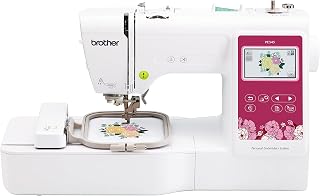
Brother PE545 Wireless Embroidery Machine
Check PriceOnce you have your tools ready, follow this straightforward process to create your first monogram. Start with a simple single-letter design on a piece of scrap fabric to build confidence.
- Prepare your design: Print or draw the letter to the desired size. Place it on a light pad or against a window and trace it onto the fabric using a water-soluble pen or chalk pencil. Alternatively, use a printable stabilizer sheet that you can stick directly to the fabric and stitch through.
- Set up the machine: Lower the feed dogs. If your machine does not have a drop feed feature, some models allow you to cover them with a darning plate. Install the darning foot. Select a straight stitch with the stitch length set to 0 (this effectively disables the feed, but lowering the dogs is still crucial).
- Hoop tightly: Sandwich the fabric and stabilizer in the embroidery hoop with the traced design centered. The fabric should be drum-tight. If it sags, the stitches will pucker.
- Bring up the bobbin thread: Hold the top thread tail, turn the handwheel toward you to lower and raise the needle, and pull the bobbin thread up to the surface. Hold both thread tails when you start stitching to avoid a thread nest on the back.
- Stitch the outline: Start at one point of the letter. Use a consistent, medium speed on the foot pedal. Move the hoop smoothly and steadily. Aim for a stitch length of about 1.5 to 2.0 mm. The faster the machine runs and the slower you move the hoop, the smaller the stitches will be. To fill the letter, you can outline it first and then stitch back and forth inside the shape, or use a dense zigzag stitch if your machine allows it without the feed dogs.
- Secure the threads: When finished, take a few tiny stitches in place or pull the thread tails to the back and knot them manually. Trim close to the fabric.
After completing your first monogram, you will see that the technique is about rhythm and control. The more you practice, the smoother your curves and lines become.
Comparing Free-Motion vs. Embroidery Attachment Techniques
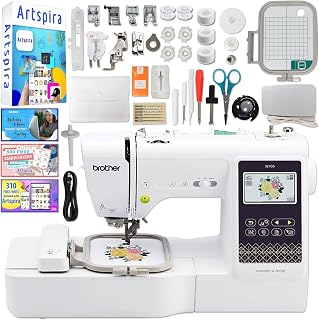
Brother SE700 Combo Embroidery & Sewing Machine
Check PriceWhen people ask can you monogram with a regular sewing machine, they are often comparing two approaches: the manual free-motion method and using a hoop attachment or a built-in embroidery function. Some modern sewing machines come with an embroidery unit or a monogramming foot that guides the fabric in a satin stitch. However, a true regular machine does not have these features. The table below highlights the differences.
Free-Motion Method: Requires dropping the feed dogs and a darning foot. You control movement entirely. Best for organic, handwritten-style letters. Low cost, but requires practice.
Embroidery Attachment (on a combo machine): The machine moves the hoop automatically. You digitize or select a built-in font. Perfect uniformity and satin stitch fill. High cost and machine-specific.
Monogramming Foot (narrow zigzag): A specialized foot creates a tight satin stitch by pivoting the fabric around a central guide. Works well for block letters. Limited to small sizes and requires a machine that can do a dense zigzag.
For most home sewists, the free-motion method is the most accessible and rewarding. It offers creative freedom and does not require an expensive upgrade. If you later decide to pursue more complex designs, you can always explore a dedicated monogramming machine or a combo unit.
Common Challenges and How to Overcome Them
Brother HC1850 Sewing and Quilting Machine
Check PriceEven with careful preparation, you may encounter a few hiccups. Most issues are easy to fix once you know the root cause.
- Skipped stitches: This almost always points to a dull or wrong needle, or the fabric not being hooped tightly enough. Switch to a new embroidery needle and re-hoop. Also ensure the presser foot pressure is correct for the fabric thickness.
- Thread breaks: High-speed movement can cause thread to shred. Use a quality thread and a thread stand to feed the spool vertically. A thread net or a small piece of a sponge in the thread path can also help control tension.
- Puckering or distorted design: Insufficient stabilizer is the main culprit. Add a second layer of stabilizer or switch to a heavier type. Also, avoid pulling the fabric too taut in the hoop; you want it flat, not stretched.
- Uneven stitch length: This comes from moving the hoop too fast while the machine is running slowly, or vice versa. Practice on scrap fabric to find the sweet spot. Try humming a tune or counting to maintain a steady rhythm.
Design Ideas and Placement Tips for Monograms
SINGER 6700C Heavy Duty Computerized Machine
Check PriceOnce you master the technique, the creative possibilities expand. Consider these classic placements and styles:
- Bath towels: A single large letter in a decorative script, positioned about 2 inches above the hem border.
- Shirt cuffs and collars: Small, discreet block initials in a satin stitch look crisp. Use a water-soluble topping to prevent stitches from sinking into textured fabrics.
- Linen napkins: A corner monogram in a delicate, airy font adds an heirloom feel. Try a hand-drawn look with loose, flowing lines.
- Tote bags and pouches: Play with bold, graphic letters filled with parallel lines or a light stipple shading for texture.
Always test your design on a similar fabric scrap first. The same thread and stabilizer combination will give you an accurate preview of the final result.
Frequently Asked Questions
FLEURDENZ D492 Sewing & Embroidery Machine
Check PriceCan I monogram on thick fabrics like denim or fleece with a regular sewing machine?
Absolutely. Use a heavy-duty needle (90/14 or 100/16) and an appropriate stabilizer. For fleece, a cut-away stabilizer prevents distortion. Denim monograms can be bold and rustic; just go slowly and adjust the presser foot pressure if needed.
Do I need a computerized machine to monogram?
No, a mechanical machine works just as well as long as you can drop the feed dogs or cover them. The free-motion technique is purely mechanical. Many vintage machines are excellent for this purpose.
What is the easiest letter style to start with?
Block letters with straight lines are easiest. Cursive and flowing scripts require more practice to maintain even curves. Start with a simple sans-serif capital letter and trace it clearly.
How do I transfer a monogram design onto dark fabric?
Use a white water-soluble marking pen, a chalk wheel, or a dressmaker’s carbon paper in a light color. A light pad can also work if the fabric is not too thick. Printable stabilizer sheets that you place on top of the fabric are another excellent option.
Conclusion
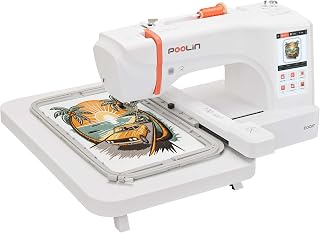
Poolin EOC07 Embroidery Machine
Check PriceSo, can you monogram with a regular sewing machine? Without a doubt. The free-motion technique opens up a world of personalization using the machine you already own. By investing in a darning foot, a few quality hoops, and the right stabilizer, you can create beautiful, lasting monograms on everything from delicate linens to sturdy denim. The key is practice, patience, and a steady hand.
As you grow more confident, you may find yourself exploring more intricate designs and even branching into other forms of thread painting. According to expert sewing resources like The Spruce Crafts, the barrier to entry is lower than most people think, and the satisfaction of a handmade monogram is unmatched. Whether you are stitching gifts, labeling garments, or starting a small home business, a regular sewing machine is a perfectly capable workhorse for monogramming.
