
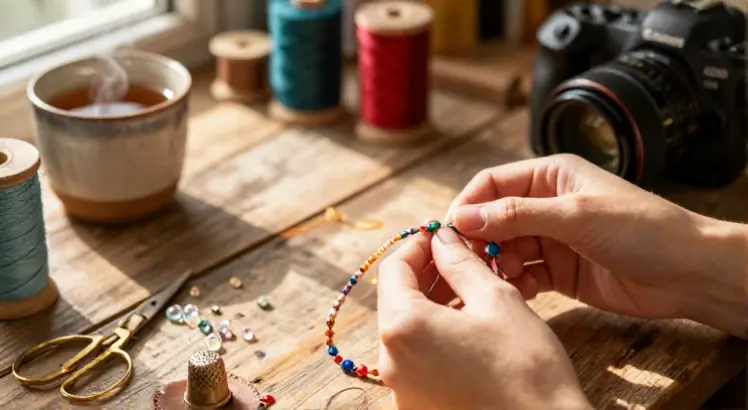
Many crafters reach for the nearest spool of sewing thread when inspiration strikes for a new bracelet. The question arises naturally: can I use sewing thread for bracelets, or will it unravel my design? While technically possible, the answer depends on the bracelet style and your expectations for durability. Let’s explore the realities of substituting sewing thread in jewelry making.
Bracelet threads are engineered to handle tension, moisture, and friction in ways that general-purpose sewing thread often cannot. Before you string your first bead, understanding the materials will save you frustration down the line. This article breaks down when sewing thread might work, why it usually falls short, and which alternatives guarantee a lasting piece.
Understanding Sewing Thread vs. Bracelet Thread
Most sewing thread is made from polyester, cotton, or a blend, twisted tightly for high tensile strength. Bracelet threads, in contrast, are often constructed from nylon, elastic cord, or waxed linen designed to withstand friction from beads and daily movement. Sewing thread lacks the coating many bracelet cords have, making it more prone to fraying over time. Recognizing these structural discrepancies will help you avoid a bracelet that falls apart after a few wears.
The thin diameter of sewing thread may seem perfect for tiny seed bead holes, but that same fineness becomes a weakness. Constant friction against metal or glass edges quickly saws through unprotected cotton or polyester strands. In comparison, dedicated beading threads often receive a conditioning treatment that adds slip and guards against abrasion. If you are curious about making bracelets with just thread, our guide on making bracelets with thread covers the basics.
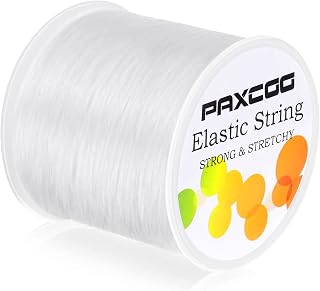
Paxcoo Elastic Bracelet String Cord
Check PriceWhen Sewing Thread Might Work for a Bracelet
In certain low stress projects, sewing thread can serve as a temporary or decorative element. Simple knotted friendship bracelets made entirely from embroidery floss or sewing thread can last if they are not exposed to heavy friction. Lightweight memory wire wraps or thread tassels attached to charm bracelets are other uses where structural demands are minimal. These applications rely on the thread’s color and sheen rather than its load bearing capacity.
If you are prototyping a design or practicing a new technique, that stray thread spool is a budget friendly stand in. Just be aware that even gentle wear will eventually cause pilling and breakage. For a child’s costume accessory or a one time event piece, sewing thread can hold beads in place for a few hours. Still, you should double knot every connection and apply a dab of clear nail polish to secure the ends.
Remember that cotton sewing thread absorbs moisture from skin and air, swelling and weakening the fibers. Polyester thread holds up slightly better but remains very fine. If your bracelet will be worn daily, even the best handled sewing thread will begin to degrade within days. The brief satisfaction of using what you have often leads to disappointment when the bracelet suddenly breaks.
KO Nylon Beading Thread, White Color
Check PriceThe Risks: Why Sewing Thread Isn’t Ideal
Friction is the biggest enemy of any bracelet, and sewing thread has almost no resistance to it. As beads slide along the strand, they act like tiny saws, cutting through the fibers one by one. This process accelerates under sunlight and perspiration, which break down untreated thread quickly. Even a bracelet that looks flawless in the morning can be shredded by evening.
Knot strength is another critical failure point. Sewing thread is designed to lock stitches within fabric, not to hold a single knot under constant tension. The slippery nature of polyester thread can cause knots to unravel without warning. You may find yourself crawling on the floor searching for scattered beads, a frustrating experience that better materials would have prevented.
Color fastness also suffers. Many sewing threads bleed dye when they get wet, staining your skin or light colored clothing. Over time, UV exposure fades the thread color unevenly, making the bracelet look worn and neglected. For something you crafted with care, that lack of permanence is disheartening.
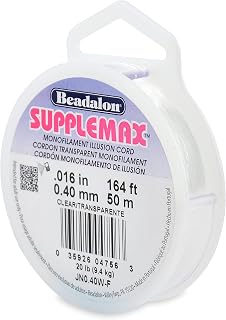
Beadalon SuppleMax Beading Thread – Clear
Check PriceTop Alternative Threads for Bracelet Making
Switching to a purpose made beading thread transforms your bracelet from fragile to resilient. Nylon bead cord is a top choice because it offers high tensile strength with a smooth finish that glides through beads effortlessly. For stretch bracelets, elastic cord eliminates the need for a clasp and remains flexible for years. Another excellent option is braided fishing line, which is nearly invisible and incredibly durable underwater.
Waxed linen thread gives a rustic, organic look while the wax coating protects against abrasion and moisture. It knots securely and holds its shape, making it a favorite for macramé style bracelets. You can find top rated beading threads in our roundup of the best beading thread for bracelets. For a thorough explanation of thread materials, Beadaholique offers a comprehensive guide to selecting beading thread.
When selecting an alternative, match the thread thickness to your bead hole diameter. A 0.5mm cord works well for most seed beads and lightweight pendants. Heavier gemstone beads demand a 0.8mm or thicker cord to bear the added weight. Investing in a few spools of quality beading thread will elevate every piece you create and give you peace of mind.
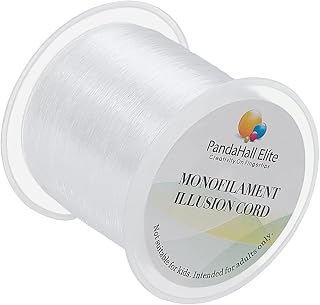
PH PandaHall 142 Yards 0.2mm Clear String
Check PricePro Tips for Using Sewing Thread in a Pinch
If you absolutely must use sewing thread for a bracelet, choose a heavy duty polyester thread labeled for outdoor or upholstery use. These threads have a thicker ply and better UV resistance than standard all purpose thread. Always double or triple the strand to increase strength and reduce the speed of fraying. Waxing the thread yourself with beeswax adds a protective coating and improves knot security.
When stringing beads, avoid sharp edged metal beads and opt for smooth glass or rounded plastic to minimize cutting. Tie surgeon’s knots instead of simple overhand knots, and seal every knot with a tiny dot of flexible jewelry glue. After finishing, gently stretch the bracelet to identify any weak spots before gifting or wearing it. This extra effort might get you through a short term need.
Treat the finished piece as temporary jewelry and remove it before showering, swimming, or sleeping. The less stress you place on the thread, the longer it will survive. Keep a small repair kit with spare thread and a needle handy if you plan to wear it regularly. Ultimately, these workarounds highlight why dedicated bracelet threads are worth the small investment.
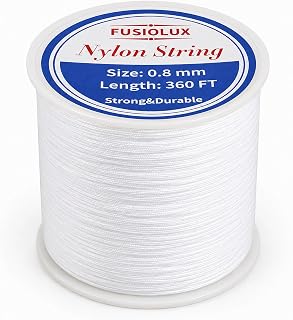
0.8mm Nylon String for Bracelets, 360Ft Beading Thread, White
Check PriceNow you have the full picture on using sewing thread for bracelets, along with practical alternatives that guarantee better results. While that sewing box spool can solve a quick craft emergency, it will never match the longevity of real beading cord. Choosing the right thread is a small step that makes every bracelet safer and more enjoyable to wear. Grab a spool designed for jewelry making and watch your designs last beautifully through countless adventures.

Disclosure: As an Amazon Associate, we earn from qualifying purchases at no extra cost to you. Our posts are created with AI tools and human editing.