
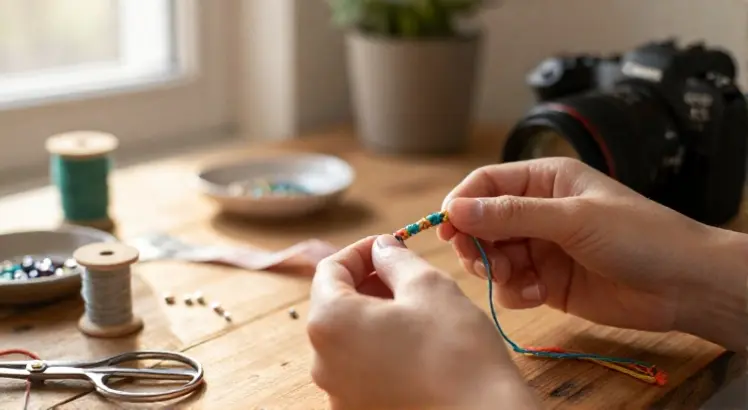
Making a bracelet with thread is not only possible, it is one of the most creative and versatile crafts you can start today. Whether you have a spool of basic sewing thread, vibrant embroidery floss, or a sturdy nylon cord, you can transform simple strands into wearable art. The answer to the question is a joyful yes, and the world of thread bracelets opens doors to friendship bracelets, beaded designs, and minimalist macrame pieces. This guide will walk you through everything you need, from choosing the right material to mastering the final knot.
Why Make a Bracelet with Thread?
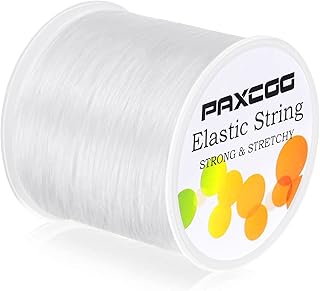
Paxcoo Elastic Bracelet String Cord
Check PriceThread bracelets are a timeless craft that combines affordability with endless personalization. You can mix colors, add charms, or weave patterns that reflect your personality. Unlike metal jewelry, thread is lightweight and comfortable, which makes it perfect for stacking multiple bracelets on one wrist. It also makes for a wonderful, low cost gift that carries a handmade touch.
This craft is incredibly beginner friendly, requiring no heavy machinery or expensive tools. You can start with just your fingers and a few strands of embroidery floss to learn basic knots like the forward and backward hitch. Because the learning curve is gentle, you can achieve beautiful results within your first hour of practice.
Thread bracelets also allow you to repurpose leftover supplies from other sewing or embroidery projects. That stray bobbin of cotton thread or the last few yards of a favorite floss color can become a stylish accessory. The creative possibilities are truly limitless, from a simple twisted cord to a complex chevron design.
Choosing the Right Thread for Your Bracelet
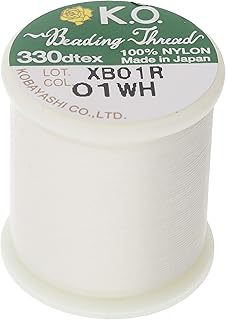
KO Nylon Beading Thread, White Color
Check PriceThe type of thread you pick determines the durability, texture, and overall look of your finished bracelet. Embroidery floss, made up of six individual strands, is the classic choice for friendship bracelets because it is soft, slightly glossy, and easy to knot. A strong nylon beading thread, by contrast, is better suited for designs that incorporate beads or heavy charms, and you can explore the best beading thread options for heavier pieces.
Elastic thread, often called stretch cord, is ideal if you want a slip on bracelet that needs no clasp. This is the fastest way to string a simple bead bracelet that fits snugly. Cotton crochet thread gives a rustic, chunky finish, while waxed linen thread provides a stiffer hand that holds shapes well in macrame patterns.
Consider the wrist sensitivity of the person who will wear the piece. A soft, pre waxed polyester thread can be more comfortable for all day wear than a coarse, unwaxed cord. Also, think about colorfastness. Cheap threads may bleed when wet, so quality brands are essential for a bracelet that stays vibrant. For detailed, bead heavy projects, you might want to check the best beading thread for bracelets that resists fraying.
Step by Step Guide to Making a Thread Bracelet
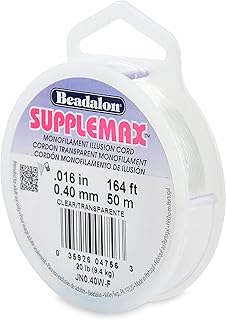
Beadalon SuppleMax Beading Thread, Clear
Check PriceStart by cutting your chosen thread to a manageable length, typically 60 to 70 inches for a full size friendship bracelet, and fold it in half to create a loop at the top. Secure that loop with a piece of tape to a flat surface or use a clipboard to keep tension steady. If you are stringing beads on elastic cord, measure a length a few inches longer than your wrist and pre stretch the cord to prevent sagging later.
For a classic diagonal stripe pattern, arrange your floss colors in the order you want them to appear. Always work from the leftmost strand, using a forward knot to move it over the strand next to it, then repeat to create a ridge. Continue this process row by row, keeping your knot tension even, so the bracelet does not curl or warp.
When beading on thread, thread your needle and add beads one by one, or pick up several at a time with a bead spinner. After each section, tie a small overhand knot against the last bead to lock everything in place. For elastic bracelets, you simply string the beads, tie a secure surgeon’s knot, and dab with clear jeweler’s glue to make the knot permanent. Detailed tutorials like the ones on The Spruce Crafts offer video guidance for visual learners.
Advanced Techniques for Thread Bracelets
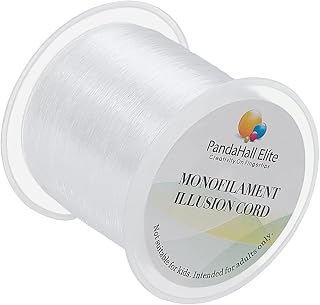
PH PandaHall 142 Yards 0.2mm Clear String
Check PriceOnce you have mastered basic knots, you can explore the art of micro macrame, which uses thin nylon string to create intricate geometric patterns. This technique often involves adding small seed beads into the knotwork for a textured, bohemian finish. Using a knotting board with a grid and T pins helps maintain symmetry for these more complex designs.
Alpha patterns are another popular advanced method where you weave one leading thread horizontally across a series of vertical base strings. This allows you to create pixelated images, letters, or very precise graphics within the bracelet. Changing colors neatly is the hardest part, and it requires careful planning of your thread carries on the back of the work.
You can also incorporate metallic threads or thin leather cords alongside your standard thread for a mixed media look. These materials add texture but can be stiff or slippery, so you must adjust your knot tension constantly. The challenge is satisfying, and the final result looks far more complex than it really is to create.
Troubleshooting Common Thread Bracelet Problems
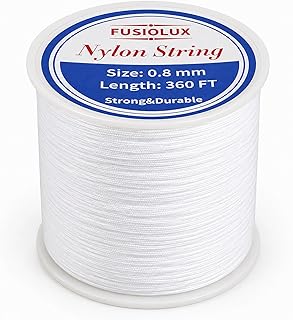
0.8mm Nylon String for Bracelets, 360Ft Beading Thread, White
Check PriceCurling or twisting bracelets are usually caused by uneven tension from pulling knots too tightly on one side. To fix this, try to pull each knot with consistent pressure and flatten the bracelet with a warm iron under a pressing cloth after finishing. If your elastic bracelet keeps breaking, the culprit is often a sharp edged bead or an overstretched cord that needs replacing with a thicker gauge.
Tangled floss is a fact of life for thread crafters, but you can minimize it by using floss bobbins and keeping your unused strands neatly separated. Run your fingers down the strands frequently to undo small tangles before they become problematic. When a knot is too tight to undo by hand, a fine pin or a bead reamer can gently tease the fibers apart without cutting them.
Discoloration or fading often occurs if you wear the bracelet in the shower or pool. To avoid this, use colorfast threads and seal the knots with a tiny drop of clear fabric adhesive. If your thread frays near the needle eye, simply cut the end cleanly at a sharp angle and condition it with beeswax or thread magic to smooth the fibers.
Frequently Asked Questions
Can I use regular sewing thread to make a bracelet? Yes, but you will usually need to work with multiple strands twisted together for strength. A single strand of general purpose sewing thread is too thin and weak for most bracelet styles, so twisting three or four strands together creates a stronger cord.
What is the easiest thread bracelet to make for beginners? A spiral friendship bracelet using only one type of knot, the forward knot, is the simplest design to learn. It creates a twisting stripe and teaches you how to manage tension without confusing pattern changes.
How do I finish a bracelet so it does not come undone? For friendship bracelets, braid the remaining tails and tie them securely around the opposite end loop. For beaded bracelets on elastic, a surgeon’s knot dabbed with glue is the most reliable finish. Nylon beading thread bracelets often use crimp beads and a clasp for a professional closure.
Is cotton or polyester thread better for bracelets? Cotton embroidery floss is best for knotting patterns because it is soft, grippy, and holds knots securely. Polyester or nylon threads are better for bead stringing and macrame due to their higher strength and resistance to abrasion. The choice depends on your project.
Making a bracelet with thread is a deeply rewarding skill that costs pennies per project. From the simplest twisted cord to a peyote beaded cuff, the core concept remains the same: you are turning ordinary fibers into a personal accessory. Start with extra embroidery floss or a sturdy nylon thread, and soon you will have a collection of unique, handmade pieces that express your creativity.

Disclosure: As an Amazon Associate, we earn from qualifying purchases at no extra cost to you. Our posts are created with AI tools and human editing.