
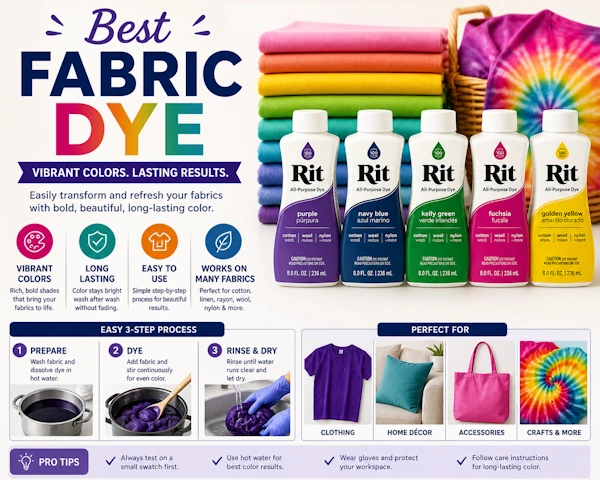
We’ve all been there: a favorite cotton tee with a stubborn stain that won’t come out, a faded pair of curtains that clash with your updated living room decor, or a plain tote bag begging for a pop of custom color. You want to breathe new life into fabrics without breaking the bank, but picking the wrong dye can lead to splotchy results, color that washes out after one cycle, or even ruined garments if the formula isn’t compatible with your fabric type. Whether you’re a seasoned tie-dye enthusiast, a beginner looking to upcycle old clothes, or working on a small home decor project, you need a fabric dye that delivers consistent, long-lasting results with minimal fuss.
Short Answer: The Rit Dye Liquid Fabric Dye 8oz Black is our pick for best overall fabric dye, offering foolproof application on natural fibers, even color payoff, and included protective gloves to get you started right out of the box.
Best Fabric Dye of 2026
Fiber content dictates every aspect of the dyeing process, from color payoff to material safety. Our cotton and linen fabric comparison guide breaks down the key characteristics of two of the most common natural fibers, helping you determine whether your material will react well to plant-based dyes or requires a different formulation. For a broader look at how different dyes interact with various materials, consult this Wikipedia’s authoritative guide to textile dyes, which outlines the chemical properties of common dye types and their recommended applications. These resources work together to eliminate guesswork when matching dye to fabric, reducing the risk of uneven color or damage to your materials.
1. Rit Dye Liquid Fabric Dye 8oz Black – Includes gloves for immediate use
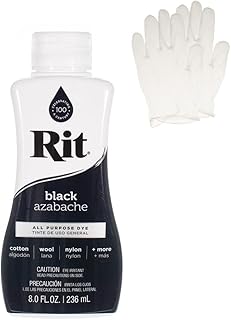
Rit Dye – Liquid Fabric Dye for Crafting, Clothing, and Décor – 8 oz. Bottle – Black (Gloves Included)
Check PriceWhy it stands out
This best-selling liquid dye is a go-to for beginners and experienced crafters alike, delivering even, saturated color on cotton, linen, silk, and other natural fibers with simple bucket or stovetop application.
Key points
- 8 oz. liquid formula covers up to 2 lbs of dry fabric
- Works on natural fibers including cotton, wool, silk, and rayon
- Includes a pair of protective gloves to avoid stained hands
- Can be used for dipping, pouring, or stovetop dyeing methods
Pros
- Affordable, accessible price point for casual crafters
- Even color payoff with minimal streaking when instructions are followed
- Versatile application methods suit different project sizes
- Wide range of 500+ colors available from the brand
- Included gloves eliminate extra prep purchases
Cons
- Not compatible with 100% synthetic fabrics like polyester or nylon
- Color may fade slightly over repeated hot water washes
Best for
Beginners and casual DIYers looking to refresh natural fiber clothing, home decor, or small craft projects with minimal setup.
2. Rit Dye Liquid Fixative Dye 8oz – Locks in color to prevent bleeding
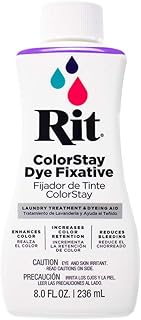
Rit Dye – 8 Oz. Liquid Fabric Dye for Clothing, Décor, and Crafts – Fixative Dye (1 Pack)
Check PriceWhy it stands out
This clear liquid fixative is designed to be used after dyeing to set color, reducing bleeding and fading for longer-lasting results on both Rit-dyed and store-bought colored fabrics.
Key points
- 8 oz. bottle treats up to 2 lbs of dyed fabric
- Works with all Rit liquid and powder dyes
- Simple soak application after dyeing process
- Helps preserve color vibrancy through multiple washes
Pros
- Extends the life of dyed fabrics significantly
- Eliminates color transfer to other garments in the wash
- Non-toxic formula safe for home use
- Compatible with both natural and some synthetic blends
- Affordable add-on to any dyeing project
Cons
- Must be used after dyeing, adds an extra step to projects
- Not a dye itself, only a color setter
Best for
Crafters who want to maximize the longevity of their dyed projects, especially dark or vibrant colors prone to bleeding.
3. Procion MX Dye Color Set – Professional-grade fiber reactive dyes for natural fibers
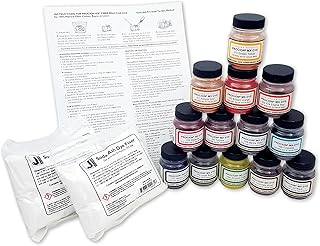
Procion MX Dye Color Set, Includes 13-2/3 Ounce Jars, 2-1lb Soda Ash Dye Fixer, Instruction Sheet, Color Chart
Check PriceWhy it stands out
This professional-grade fiber reactive dye set is preferred by textile artists for its unmatched color vibrancy and permanence on cellulose fibers like cotton, linen, and rayon, with no heat required for setting.
Key points
- Includes 13 pre-measured 2/3 oz dye jars in assorted colors
- Comes with 2 lbs of soda ash fixer to set color permanently
- Colors bond chemically with fabric fibers for fade-resistant results
- Includes full instruction sheet and color mixing chart
Pros
- Extremely long-lasting, lightfast color that won’t fade
- Vibrant, saturated hues that can be mixed for custom shades
- Works for tie-dye, immersion dyeing, and fabric painting
- Soda ash included eliminates extra supply purchases
- Non-toxic and safe for home use when guidelines are followed
Cons
- Requires soda ash prep, more steps than all-in-one dyes
- Only compatible with natural cellulose fibers, not synthetics
Best for
Serious textile artists, tie-dye enthusiasts, and crafters working on high-end projects that need permanent, gallery-quality color.
4. Rit Dye Powdered Fabric Dye Navy Blue – Traditional powder formula for large projects
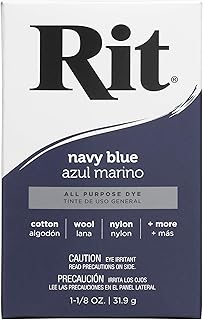
Rit Dye 3-30 Powdered Fabric Dye, Navy Blue
Check PriceWhy it stands out
This classic powdered dye offers the same reliable Rit color payoff as the liquid formula, but in a concentrated powder form that’s ideal for large batches of fabric or deep, saturated dyeing projects.
Key points
- One 3-30 packet covers up to 3 lbs of dry fabric
- Concentrated powder formula mixes easily with hot water
- Works on natural fibers and some synthetic blends
- Navy blue shade is a versatile, classic neutral for upcycling
Pros
- More cost-effective than liquid dye for large projects
- Long shelf life when stored unopened in a cool, dry place
- Can be mixed with other Rit powder dyes for custom shades
- Works for stovetop, bucket, and front-loading washing machine dyeing
- Budget-friendly price point for bulk dyeing needs
Cons
- Powder can create dust if not handled carefully
- Requires thorough mixing to avoid clumps or uneven color
Best for
Crafters working on large upcycling projects, like dyeing multiple garments or full sets of bedding, who want a cost-effective, long-lasting formula.
5. Tulip ColorShot Instant Fabric Spray Paint 3oz Black – Spray-on application for precise, no-mess coloring
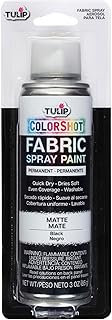
Tulip ColorShot Instant Fabric Spray Paint, Permanent Color Spray-On Fabric Paint, 3oz. Black
Check PriceWhy it stands out
This spray-on fabric color eliminates the need for water baths or stovetop prep, letting you apply permanent color directly to fabric with a mess-free aerosol spray that dries in minutes.
Key points
- 3 oz. aerosol can covers up to 1 square yard of fabric
- Permanent, machine-washable color that won’t crack or peel
- Works on both natural and synthetic fabrics including polyester
- Spray nozzle allows for gradient, stencil, and freehand designs
Pros
- No water or heat required for application or setting
- Precise application avoids coloring areas you want to keep plain
- Dries quickly to speed up project completion
- Compatible with hard-to-dye synthetic fabrics
- Great for small touch-ups or detailed custom designs
Cons
- Less cost-effective for dyeing full garments
- Aerosol spray can create overspray if not used in a well-ventilated area
Best for
Crafters adding custom designs, stencils, or gradients to garments, or touching up small faded areas on both natural and synthetic fabrics.
6. Tulip One-Step Tie-Dye Party Kit 123 Set – All-inclusive kit for group tie-dye projects
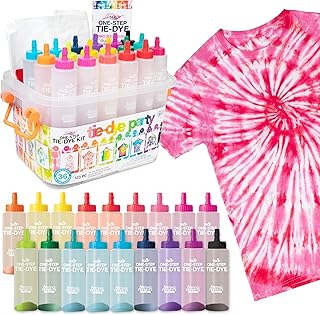
Tulip One-Step Tie-Dye Party Kit, Set of 123
Check PriceWhy it stands out
This massive all-in-one kit includes everything needed to host a tie-dye party for up to 60 people, with pre-mixed dyes, applicator bottles, rubber bands, and gloves included out of the box.
Key points
- Includes 123 pieces: 24 dye bottles, 250+ rubber bands, 60 gloves, and more
- Pre-mixed, non-toxic dyes require no measuring or mixing
- Works on cotton, rayon, and other natural fibers
- Enough supplies to dye up to 60 t-shirts (not included)
Pros
- No prep work required, ready to use immediately
- Includes all tools needed for tie-dye projects
- Vibrant, long-lasting colors that resist fading
- Great value for large group events or classrooms
- Non-toxic formula safe for kids and adults
Cons
- Only compatible with natural fibers, not synthetics
- Bulky kit takes up significant storage space
Best for
Teachers, party hosts, and group leaders planning tie-dye events for large groups of people, especially kids or beginners.
7. Jacquard Tie Dye Indigo Kit – Traditional indigo vat dyeing for unique patterns
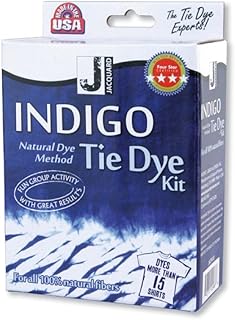
Jacquard Tie Dye Indigo Kit
Check PriceWhy it stands out
This authentic indigo dye kit lets you create traditional Japanese shibori and tie-dye patterns with a natural indigo formula that develops color as fabric is exposed to air, no heat required.
Key points
- Mini kit includes indigo dye, reducing agent, and detailed instructions
- Creates classic blue indigo hues with unique oxidation patterns
- Works on natural fibers including cotton, linen, and silk
- Reusable vat can be used for multiple projects
Pros
- Produces one-of-a-kind, artisanal indigo patterns
- Natural dye formula is eco-friendly and non-toxic
- No heat required for setting, only air exposure
- Small kit size is perfect for small batch projects
- Detailed instructions walk beginners through the process
Cons
- Requires careful mixing of the indigo vat for correct color development
- Limited to indigo blue shades, no color variety
Best for
Crafters interested in traditional shibori, botanical dyeing, or creating high-end, artisanal indigo-dyed garments and textiles.
8. Jacquard Soda Ash Dye Fixer 1lb – Essential fixative for fiber reactive dyes
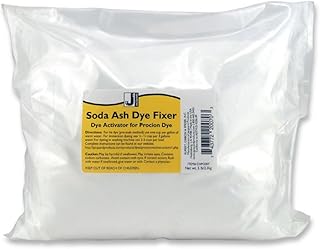
Jacquard Products Soda Ash Dye Fixer, 1 Pound Bag
Check PriceWhy it stands out
This pure soda ash fixative is a required additive for Procion MX and other fiber reactive dyes, raising the pH of fabric to permanently bond dye molecules to cellulose fibers for fade-proof results.
Key points
- 1 lb bag treats up to 10 lbs of dry fabric
- 100% pure sodium carbonate with no added fillers
- Dissolves quickly in warm water for soak application
- Compatible with all fiber reactive dye brands
Pros
- Ensures permanent, wash-fast color for fiber reactive dyes
- High purity formula works more effectively than generic soda ash
- Large 1 lb size is cost-effective for frequent dyers
- Also works as a pre-wash to remove fabric finishes
- Long shelf life when stored in a cool, dry place
Cons
- Not a dye, only a required additive for fiber reactive dyeing
- Can irritate skin or eyes if handled without gloves
Best for
Textile artists and frequent dyers using Procion MX or other fiber reactive dyes for professional-grade projects.
9. Tulip One-Step Tie-Dye Kit 5 Color Ultimate – Compact 5-color kit for small tie-dye projects
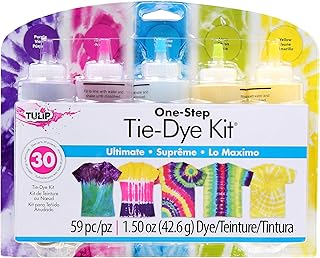
Tulip One-Step Tie-Dye Kit 5 Color Ultimate, 1.5oz
Check PriceWhy it stands out
This compact tie-dye kit includes 5 pre-mixed, vibrant dyes in easy-squeeze bottles, perfect for small projects or testing out tie-dye techniques without buying bulk supplies.
Key points
- Includes 5 1.5oz pre-mixed dye bottles in assorted colors
- Non-toxic, child-safe formula works on natural fibers
- Squeeze bottles allow for precise application of swirls and patterns
- Enough dye to cover up to 5 t-shirts (not included)
Pros
- Affordable, low-commitment option for beginners
- No measuring or mixing required, ready to use immediately
- Small size is easy to store for occasional use
- Bright, fade-resistant colors that wash well
- Includes gloves and rubber bands to get started
Cons
- Small dye volume not suitable for large projects
- Only compatible with natural fibers, not synthetics
Best for
Beginners, kids, or casual crafters wanting to try tie-dye for the first time on small projects like t-shirts, socks, or tote bags.
10. Rit DyeMore Synthetic Liquid Fiber Dye 7oz Graphite – Specifically formulated for synthetic fabrics
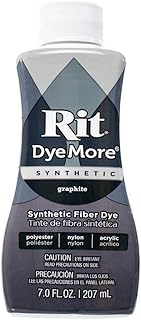
Rit DyeMore Single Bottle 7 Oz. Synthetic Liquid Fiber Dye for Clothing, Décor, and Crafts – Graphite
Check PriceWhy it stands out
Unlike standard dyes that only work on natural fibers, this formula is specifically designed to bond with synthetic fabrics like polyester, nylon, acrylic, and acetate for even, long-lasting color on garments that usually can’t be dyed.
Key points
- 7 oz. bottle covers up to 2 lbs of synthetic fabric
- Requires stovetop heat to set color on synthetic fibers
- Works on polyester, nylon, acrylic, and synthetic blends
- Graphite shade is a versatile dark gray for upcycling synthetics
Pros
- Only reliable option for dyeing 100% synthetic garments
- Even color payoff with minimal streaking on synthetics
- Can be used on synthetic blend fabrics with natural fibers
- Wide range of colors available for synthetic dyeing
- Fade-resistant results when applied correctly
Cons
- Requires stovetop heating, more hands-on than cold dyes
- Not compatible with natural fibers, only synthetics
Best for
Crafters looking to refresh or change the color of synthetic garments, like polyester activewear, nylon jackets, or acrylic sweaters, that standard dyes can’t touch.
How to choose
Choosing the right fabric dye starts with identifying your fabric type: natural fibers like cotton, linen, silk, and wool work with most standard dyes, including Rit liquid and powder formulas, Procion MX fiber reactive dyes, and Tulip tie-dye kits. Synthetic fabrics like polyester, nylon, and acrylic require specialized formulas like Rit DyeMore, designed to bond with plastic-based fibers under heat. For synthetic blends, test a small swatch first or choose a dye compatible with both fiber types.
Next, consider project size and application method: liquid dyes suit small to medium projects like single garments, while powder dyes offer better value for large batches. Spray dyes like Tulip ColorShot work best for touch-ups, stencils, or gradients, not full immersion dyeing. Tie-dye projects benefit from all-inclusive kits with pre-mixed dyes and tools, which save time for beginners.
Experience level also matters: beginners should stick to Rit liquid dyes or pre-mixed tie-dye kits with clear instructions, while experienced artists may prefer Procion MX dyes for custom, fade-proof color. Finally, check if you need a fixative: fiber reactive dyes require soda ash, while Rit dyes work with their dedicated fixative to extend color life. Always read compatibility labels before purchasing to avoid ruined fabric.
Mistakes to avoid
One of the most common mistakes new dyers make is skipping the fabric type check: using a natural fiber dye on polyester will result in no color payoff, while using a synthetic dye on cotton will wash out immediately. Always check garment care labels and test a small hidden swatch if you’re unsure of the fabric content.
Another frequent error is not pre-washing fabric before dyeing: leftover fabric finishes, detergents, or sizing can block dye absorption, leading to splotchy, uneven color. Wash and dry fabric with no added softeners before starting your project. Overcrowding the dye bath is also a problem: fabric needs room to move freely to absorb color evenly, so stick to the manufacturer’s recommended fabric-to-dye ratio.
Skipping fixatives or heat setting is another mistake: fiber reactive dyes need soda ash to bond permanently, while Rit DyeMore requires stovetop heat to set on synthetics. Without proper setting, color will bleed or fade after the first wash. Finally, failing to wear gloves or protect your work surface leads to stained hands and countertops: always use included gloves or nitrile gloves, and cover surfaces with plastic sheeting or old towels.
FAQ
1. Can I dye synthetic fabrics with regular Rit dye? No, regular Rit liquid and powder dyes only work on natural fibers and some blends. You need Rit DyeMore for 100% synthetic fabrics like polyester and nylon.
2. Do I need to use soda ash with Procion MX dyes? Yes, soda ash is required to raise the pH of fabric so Procion MX dyes can bond permanently with cellulose fibers. Without it, color will wash out.
3. Can I use fabric dye in a washing machine? Yes, Rit powder and liquid dyes can be used in top-loading washing machines following the manufacturer’s instructions. Front-loading machines are not recommended for immersion dyeing.
4. How do I fix splotchy dye results? Splotchy results are usually caused by overcrowding the dye bath or not stirring fabric enough. You can re-dye the fabric following correct ratios, or use a color remover to start over.
5. Are fabric dyes safe for kids? Most consumer fabric dyes like Tulip tie-dye and Rit are non-toxic, but adult supervision is required. Always follow safety guidelines, wear gloves, and work in a well-ventilated area.
6. Can I mix different dye colors to make custom shades? Yes, Rit liquid and powder dyes can be mixed, as can Procion MX dyes. Test a small swatch first to ensure you get the desired shade.
7. How long does fabric dye last? Unopened liquid dye lasts 2-3 years, powder dye lasts 5+ years. Opened dye should be used within 6 months for best results.
8. Can I dye clothes with stains? Dye will cover most light stains, but dark or oil-based stains may show through. Pretreat stains before dyeing, or choose a dark dye color to hide imperfections.
9. Do I need to heat set all fabric dyes? No, fiber reactive dyes like Procion MX set at room temperature with soda ash, while Rit liquid dyes set with heat or cold water depending on the method. Rit DyeMore requires stovetop heat for synthetics.
10. Can I use spray fabric paint on synthetic fabrics? Yes, Tulip ColorShot spray paint works on both natural and synthetic fabrics, including polyester, making it a versatile option for custom designs.
Conclusion
Finding the best fabric dye comes down to matching the formula to your fabric type, project size, and experience level. For most casual crafters and beginners, the Rit Dye Liquid Fabric Dye 8oz Black takes the top spot as our best overall pick, offering reliable, even color on natural fibers with included gloves for hassle-free use. Those working with synthetics will want to opt for Rit DyeMore, while textile artists prioritizing permanence should choose the Procion MX Dye Color Set.
Tie-dye enthusiasts will find great value in Tulip’s One-Step kits, which include everything needed to get started, while spray paint users will love the precision of Tulip ColorShot for detailed designs. Don’t forget essential add-ons like Rit’s fixative or Jacquard soda ash to extend the life of your dyed projects.
Upcycling old clothes and home decor with fabric dye is an affordable, eco-friendly way to refresh your space without buying new items. Always follow manufacturer instructions, test swatches when possible, and take proper safety precautions to get professional-looking results every time. With the right dye, you can transform faded, stained, or plain fabrics into custom pieces you’ll love for years to come.
Synthetic and delicate fibers require even more precise dye selection than sturdy natural materials. Our guide to working with silk fabrics details the unique properties of this protein-based material, which requires acid-based dyes rather than the all-purpose formulations used for cotton or linen. This resource helps readers avoid common mistakes like using high-heat dye methods on silk, which can destroy the fabric’s luster and drape, ensuring your dyed projects turn out professional-quality every time.
