
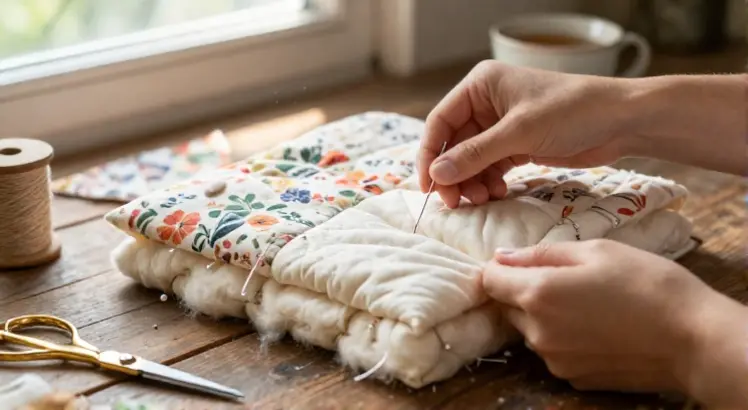
Quilt batting is the silent workhorse hidden between a quilt’s top and backing layers. This soft, fibrous sheet acts as a middle cushion, giving quilts their warmth, structure, and drape. Without batting, a quilt would be a flat, lifeless fabric sandwich.
Batting comes in many fibers, including natural cotton, wool, and bamboo, as well as synthetic polyester blends. Each material brings its own personality, from breathable cotton to lofty polyester. You can even find fusible batting that sticks to fabric with an iron’s heat.
Modern batting is engineered with special finishes like scrim or needle punching to prevent bearding and shifting. This ensures your batting stays evenly distributed inside the quilt for years. A well-chosen batting transforms simple patchwork into a cozy heirloom.
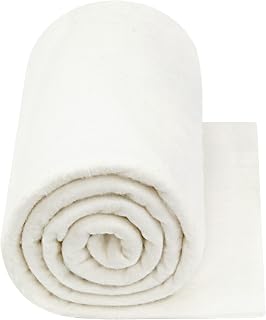
PLANTIONAL 79×91 Natural Cotton Batting
Check PriceThe Primary Purpose of Quilt Batting in Sewing
The most obvious role of batting is to provide warmth. It traps air between fibers, creating an insulating layer perfect for snug winter quilts. This makes batting indispensable for bed coverings and throws in colder climates.
Beyond warmth, batting adds dimension and texture. When quilted, the stitches compress the batting, creating raised, puffy areas and defining the quilt pattern. That visual depth is what makes quilting a true art form.
Batting also lends weight and stability. A lightweight quilt still feels substantial because of the inner layer. It helps the three layers hold together, preventing shifting during use and washing.
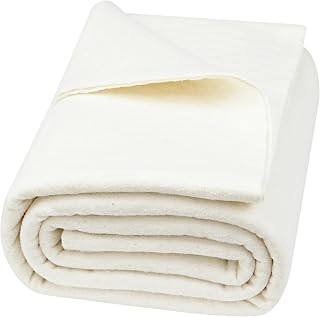
PLANTIONAL 47×59 Grinding Natural Cotton Quilt Batting
Check PriceDifferent Types of Quilt Batting Materials
Cotton batting is a favorite for its soft, breathable nature. It gives quilts a vintage, crinkled look after washing, which many quilters adore. If you love traditional appeal, natural cotton batting is a wise choice.
Polyester batting offers high loft, resilience, and affordability. It resists mold and mildew, making it great for children’s quilts and outdoor projects. However, it can beard, meaning fibers migrate through the fabric over time.
Wool batting provides exceptional warmth without heavy weight. It naturally wicks moisture and maintains loft beautifully. Bamboo and silk blends bring a luxurious drape, ideal for heirloom quilts that need a silky feel.
PLANTIONAL 47×59 Lightweight Natural Cotton Batting
Check PriceHow Batting Impacts Quilt Loft and Warmth
Loft refers to the batting’s thickness and its ability to puff up. High loft batting creates a fluffy, cloud-like quilt perfect for cold nights. Low loft batting gives a flat, sleek look ideal for wall hangings and table runners.
The warmth level is tied to fiber type and loft. A dense, low loft wool bat can be warmer than a high loft polyester one. Always check the manufacturer’s rating for intended use, from summer weight to arctic chill.
Stitch density also affects warmth. Close quilting lines compact the batting, reducing its insulating power. Open, wide quilting lets the batting expand and trap more air, so match your stitch design to the desired coziness.
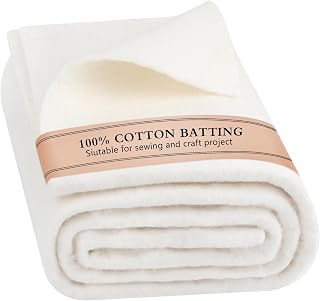
Hoiny 47×59 Natural Cotton Crib Batting
Check PriceQuilt Batting for Garments and Wearable Projects
Batting isn’t just for bed quilts. It adds insulation to quilted jackets, vests, and cozy robes. A lightweight cotton or bamboo batting gives warmth without bulk, keeping the garment wearable indoors and out.
When sewing clothing, choose a low loft batting so the piece drapes naturally. Fusible batting can be ironed directly to the fabric, simplifying garment construction. Test a small swatch to ensure the batting matches your fabric’s hand.
Quilted bags and tote carriers also benefit from batting. It adds structure and padding to protect delicate items. A thin layer of polyester or cotton batting elevates a handmade handbag from flat to professional.
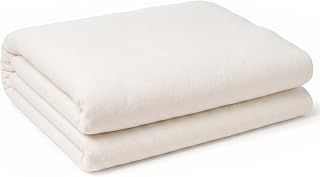
Zipcase 90×108 Queen Natural Cotton Batting
Check PriceUsing Batting in Home Décor and Crafting
Batting is a crafting superstar. Use it to make padded placemats, oven mitts, and pot holders. Cotton batting is heat resistant and safe for kitchen projects, while polyester might melt near high heat.
For table runners and decorative wall hangings, a thin cotton batting adds a touch of elegance. It provides just enough body to let the piece hang smoothly. These smaller projects are great for using up batting scraps.
Even stuffed toys and pet beds benefit from batting’s softness. You can layer scraps inside a sewn shape to create plush forms. Always use a clean, high-quality batting for items that will be snuggled by little ones.
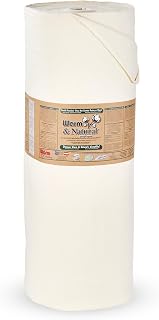
The Warm Company Warm & Natural Cotton Quilt Batting Roll
Check PriceChoosing the Right Batting Thickness for Your Project
Batting thickness affects everything from stitch definition to ease of handling. Ultra thin batting, often called ‘lightweight,’ is best for garments and summer quilts. It’s easy to stitch through on a domestic machine.
Medium weight batting is the versatile go to for most bed quilts. It provides noticeable loft and warmth without straining your sewing machine. Beginners should start with a medium loft batting for balanced results.
Heavy or extra lofty batting creates dramatic puffiness but can be tricky to quilt. It’s ideal for hand quilting or tying projects. Always check your machine’s ability before loading a high loft bat onto a home frame.
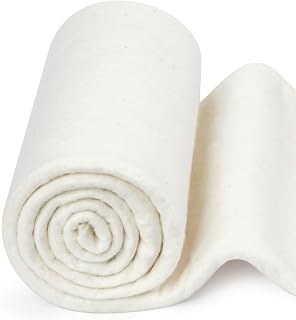
FIVEIZERO 47-inch x 1 Yard Natural Cotton Batting
Check PriceScrim and Needle Punching: Technical Features Explained
Scrim is a thin stabilizing mesh sandwiched into or layered on batting. It prevents stretching and tearing, especially in polyester bats. A scrim bound batting holds shape beautifully during machine quilting.
Needle punching mechanically felts the fibers together without chemical binders. This process creates a strong, unified sheet that resists bearding and shifting. Cotton batting is often needle punched for durability.
Understanding these terms helps you pick the right product. If you plan extensive machine stitching, a scrim or needle punched bat is your ally. For hand quilting, a softer, unbonded cotton may glide more smoothly.
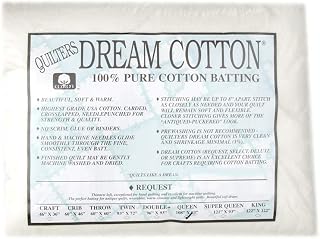
Quilter’s Dream Cotton White Request Queen Batting
Check PricePrepping Batting: To Pre Wash or Not?
Many cotton battings shrink slightly after the first wash, giving quilts that coveted antique crinkle. If you love that effect, do not pre wash the batting. Simply quilt and wash the finished project.
However, pre washing can remove sizing and soften the batting immediately. It also reveals if the bat shrinks unevenly. Some quilters pre soak and air dry cotton batting to minimize later surprises.
Polyester and wool blends usually require no pre washing. They are dimensionally stable. Always read the manufacturer’s guidelines on the package to achieve the best result for your specific batting.
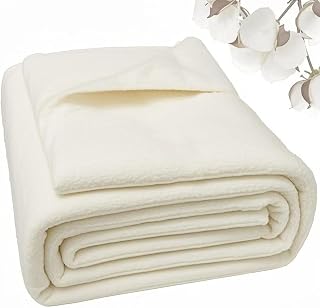
Generic 68×86 Lightweight Natural Cotton Batting
Check PriceHow to Cut and Handle Quilt Batting Properly
Always unroll batting and let it rest for a few hours before cutting. This allows the fibers to relax and reduces wrinkles. A rotary cutter and self healing mat give you the cleanest edges.
Cut batting about two to four inches larger than your quilt top on all sides. This extra margin accounts for shifting during basting and quilting. It’s easier to trim excess later than fix batting that’s too small.
Handle fused or needle punched batts with care to avoid separating the layers. Never stretch batting forcefully, as it can distort the final quilt. Smooth it gently onto your backing before pinning or spraying.
PLANTIONAL 79×91 Grinding Natural Cotton Quilt Batting
Check PriceBatting for Longarm vs Domestic Machine Quilting
Longarm machines require batting that can handle high speed stitching and tight tension. Scrim bound polyester or sturdy needle punched cotton are top choices. They resist stretching on the frame’s rollers.
Domestic sewing machines perform best with softer, thinner battings. A low to medium loft cotton or bamboo allows smooth movement under the needle. Thick batting may cause skipped stitches or puckering.
If you’re sending your quilt to a longarmer, ask what batting they recommend. Some professionals prefer specific brands for consistent results. Providing the right batting avoids tension troubles on the frame.
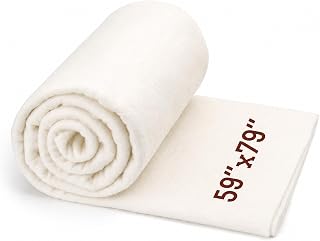
KAQRHFT 59×79 Natural Cotton Batting
Check PriceStorage and Care for Finished Quilted Projects
Proper storage keeps your quilted items looking fresh for decades. Always store quilts in a cool, dry place away from direct sunlight. Acid free tissue paper and breathable cotton bags prevent yellowing.
When washing a finished quilt, use a gentle cycle with cold water and mild detergent. Cotton batting will shrink and crinkle attractively. Polyester batting maintains its loft but can attract static if over dried.
Avoid fabric softeners that can coat fibers and reduce breathability. Air drying is safest, but if you machine dry, choose low heat. Regular care keeps the batting intact and your quilt beautiful.
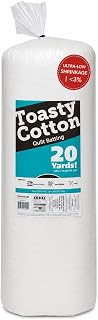
Fairfield Toasty Cotton Batting Roll
Check PriceFrequently Asked Questions
What is quilt batting used for?
Quilt batting is the inner layer that provides warmth, loft, and structure in quilts and crafts. It can be used in bed coverings, quilted garments, placemats, and soft toys. The right batting turns two fabric layers into a cohesive, padded whole.
Can fleece replace batting in a quilt?
Fleece can work as a substitute for a lightweight, drapey quilt. It won’t provide the same loft or stitch definition as traditional batting. For a summer throw, fleece is fine, but for classic quilting, use real batting.
Which batting is best for beginners?
Medium loft cotton or cotton blend batts are beginner friendly. They are stable, easy to quilt, and forgiving of small mistakes. Brands like Warm & Natural are widely recommended for their consistent quality.
How do I stop batting from bearding?
Bearding happens when batting fibers poke through the quilt top. Choose a needle punched or scrim batting to reduce this. Using a sharp needle and tight weave fabrics also minimizes bearding.
For more insights on thread choices, explore the best threads for quilting to complement your batting selection. Always test on a scrap sandwich before quilting the full project.
Generic 90×90 Lightweight Natural Cotton Batting
Check PriceQuilt batting’s uses extend far beyond traditional quilts. From cozy garments to functional home accents, this inner layer shapes the character of every project. Armed with fiber knowledge and handling tips, you can confidently choose the perfect batting.
Remember, the best batting complements your quilt’s style, your sewing method, and your desired warmth. Experiment with small packs first to discover your favorite. Happy quilting!
For further reading on essential sewing basics, visit the authoritative guide on quilting techniques and history from a trusted encyclopedia.
