
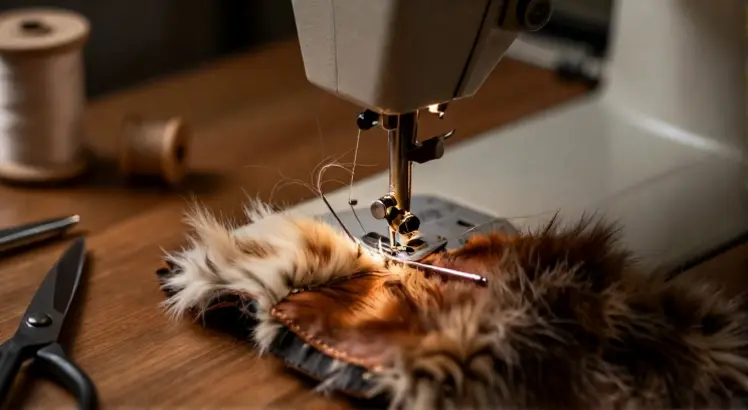
Is it hard to sew fur? This question often stops crafters from tackling plush faux fur jackets or luxurious real fur trims. The truth is, sewing fur presents unique challenges, but with the right knowledge and tools, it becomes a manageable and rewarding skill. Unlike smooth cotton or linen, fur has a thick pile, a nap direction, and a tendency to shed. T
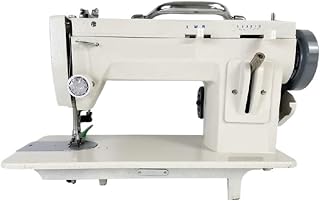
Heavy-Duty Sewing Machine For Fur
Check Pricehese factors can intimidate beginners. However, once you understand how to handle the material, prepare your sewing machine, and use specialized techniques, you will find that sewing fur is not as difficult as it seems. In this guide, we will break down everything you need to know, from essential tools to step-by-step machine and hand sewing methods.
You will also learn how to avoid common pitfalls. According to a detailed guide by The Spruce Crafts, proper nap direction and cutting technique are critical for faux fur. So, if you are wondering, is it hard to sew fur, read on to discover practical tips that will give you a flawless finish.
What Makes Sewing Fur Different From Regular Fabric?
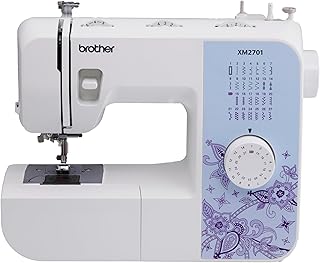
Brother XM2701 Portable Sewing Machine
Check PriceFur behaves nothing like woven cotton or knit jersey. One of the biggest hurdles is the pile direction. If you stroke faux fur, the fibers lay smoothly in one direction, called the nap. Sewing against the nap can cause the fur to matt, look uneven, or become impossible to press flat. Another difference is the bulk. Fur is thick, making seams hard to feed through a standard machine and creating lumpy intersections if not trimmed properly. Then there is the shedding factor.
Cutting fur releases a cloud of fibers that can clog your machine and cover your workspace. The pile also hides the fabric backing, so you must mark cutting lines on the wrong side. Finally, needle holes can be permanent in fur, so you cannot simply rip out stitches and try again. These traits make sewing fur trickier than broadcloth or denim, but they are all manageable with the right approach.
Faux fur, most common for home sewists, is a synthetic knit or woven base with long hairs attached. Real fur is structured differently but shares similar challenges regarding nap and thickness. The core difficulty is not that fur resists needles, but that the seamstress must work with the pile rather than against it. Once you accept that fur requires gentle handling, a methodical pace, and a few special tools, the question is it hard to sew fur becomes less about impossible difficulty and more about learning a new set of habits.
Essential Tools for Sewing Fur
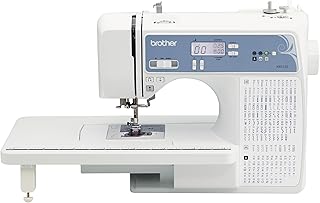
Brother XR9550 Computerized Sewing and Quilting Machine
Check PriceHaving the correct equipment makes all the difference. Many sewing machines can handle fur if paired with a walking foot or a roller foot. These accessories feed the thick layers evenly, preventing shifting and puckering. If you plan to sew fur regularly, investing in a heavy-duty machine is wise.
For heavy-duty projects, a specialized machine like those reviewed in our best fur sewing machine guide can make a difference. Needles are equally important. A sharp universal or microtex needle in size 90/14 or 100/16 penetrates the dense backing without breaking. Ballpoint needles can work for some faux furs with stretchy knits, but always test on a scrap first.
- Walking foot or roller foot for even feed
- Sharp microtex needles, size 90/14 to 100/16
- Wonder clips or sewing clips instead of pins to avoid permanent holes
- Sharp fabric scissors or a rotary cutter with a new blade
- Polyester all-purpose thread that matches the fur color
- A lint roller and a small handheld vacuum for cleanup
- Tissue paper or tear-away stabilizer to place over the seam line
You do not need an industrial machine unless you plan to work with extremely thick real pelts day in and day out. A sturdy home model with adjustable presser foot pressure and a straight stitch plate will suffice for most faux fur projects.
How to Sew Fur by Machine Step by Step
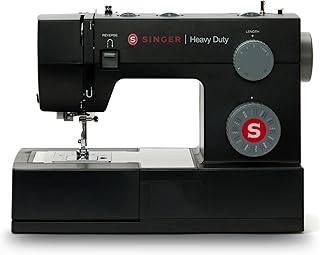
SINGER 4432 Heavy Duty Sewing Machine
Check PriceOnce your toolkit is ready, follow these steps to sew fur with confidence. Start by gently shaking the fur outside to loosen trapped fibers and let the hairs fall naturally. Identify the nap direction: run your hand across the fur; the smooth side is with the nap, and the rough side is against it. Mark all pattern pieces on the back side of the fabric using tailor’s chalk or a fabric marker. Always place your pattern pieces in the same nap direction so the finished garment looks consistent.
For cutting, use only the tips of very sharp scissors and cut through the backing only, never through the pile. Some sewists prefer a craft knife or razor blade to slice the backing from the wrong side, leaving the long hairs intact. This prevents a chopped, uneven edge. If you have experience sewing leather, you know that a long stitch is best; fur is similar but requires even more care. Set your stitch length to 3.5 or 4 mm. A longer stitch reduces perforations in the backing and lets the seam flex without ripping.
Before sewing, clip the pieces together with sewing clips, aligning edges carefully. Do not use straight pins because they leave visible holes. If you must baste, use a contrasting thread and sew within the seam allowance. When stitching, place a strip of tissue paper or water-soluble stabilizer over the seam line.
This prevents the feed dogs from gripping the pile and the presser foot from dragging. Sew at a slow, steady pace, keeping the fabric flat. After stitching, tear away the tissue and gently brush any trapped hairs out of the seam with a needle or seam ripper.
To press, never apply an iron directly. Use a pressing cloth on low heat or steam from the back side only. A burst of steam can revive flattened pile.
Hand Sewing Fur for Delicate Finishes
Heavy-Duty Sewing Machine For Fur
Check PriceWhile machine sewing excels at long seams, hand sewing is essential for attaching trim, closing openings, or repairing small areas. The goal is to hide stitches entirely within the pile. Use a slip stitch or ladder stitch, taking tiny bites of the backing and avoiding the long hairs.
Thread a hand needle with a single strand of polyester thread, knot the end, and work with the fur side facing you. Use a curved needle if it helps you reach awkward angles. A thimble is useful because the fabric backing can be tough.
When sewing a fur collar onto a coat, for example, pin the fur in place with clips, then whipstitch from the collar’s base, catching only the backing. Brush the pile over the stitches frequently to check your progress. Because hand stitches are more discreet, they are forgiving; you can remove them without leaving a row of holes like a machine would. Patience is the biggest requirement here. The work may feel slow, but the finished look is polished and free of flattened fur lines.
Troubleshooting Common Fur Sewing Problems
Even with careful technique, you may encounter a few snags. Here are the most frequent ones and how to solve them.
- Skipped stitches. If the needle skips, it is usually because the fur is dense and the needle is dull. Switch to a fresh microtex needle and slow down.
- Puckered seams. Reduce the top tension slightly and lengthen the stitch to 4 mm. A walking foot can also help prevent the fabric from stretching.
- Fur getting caught in the feed dogs. Always use tissue paper or a tear-away stabilizer under and over the seam. Some machines allow you to lower the feed dogs, but this is only for free-motion work.
- Matted pile. After sewing, brush the fur with a pet slicker brush or a wide-tooth comb. A blast of cool air from a hairdryer can also fluff the fibers.
- Visible seam lines from the right side. Trim the seam allowance down to about 1/4 inch and grade it if layers are thick. Use pinking shears on the backing to reduce bulk, then steam and brush.
Most problems boil down to rushing. Fur demands a slower pace and a willingness to test on swatches before committing to the final piece.
Frequently Asked Questions About Sewing Fur
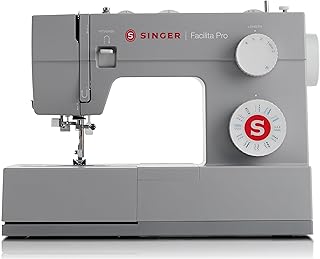
SINGER 4423 Heavy Duty Sewing Machine
Check PriceIs it hard to sew fur by hand?
Hand sewing fur is not difficult, but it is time-consuming. The technique involves small, hidden stitches that only catch the backing. A sharp needle and good lighting make the task easier. Many sewists find hand sewing less stressful than machine work because there is no risk of the fur getting caught in machinery.
Can you sew fur with a regular sewing machine?
Yes, a standard home sewing machine can sew fur if you use a heavy-duty needle, a walking foot, and a long stitch length. Avoid ultra-lightweight machines that lack the power to penetrate multiple layers. For frequent projects, a heavy-duty model provides more consistency.
Do I need a special needle for faux fur?
A heavier needle, such as a 90/14 or 100/16 microtex or universal needle, works well. If the faux fur has a stretchy backing, a ballpoint needle may help prevent skipped stitches. Always change the needle before starting a new project to ensure sharpness.
How do I stop faux fur from shedding?
Shake the fabric vigorously outdoors before cutting. After cutting, seal the raw edges with a narrow zigzag stitch or a small amount of fray check liquid. A lint roller run over the surface after sewing also removes loose hairs.
What is the best stitch length for sewing fur?
A stitch length of 3.5 to 4 mm is ideal. Longer stitches reduce perforations in the backing, create stronger seams, and prevent the thread from cutting through the fabric over time. Always test on a scrap before sewing the actual project.
Mastering Fur Sewing: Is It Really That Hard?
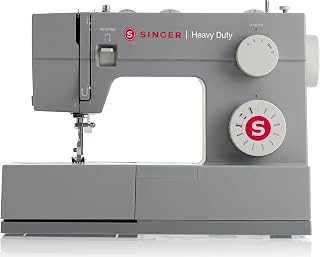
SINGER 4411 Heavy Duty Sewing Machine
Check PriceSo, is it hard to sew fur? The answer lies somewhere between yes and no. The material demands more preparation and patience than simple quilting cotton, but it does not require advanced tailoring skills. Most mistakes happen because sewists treat fur like any other fabric.
Once you embrace the quirks of pile direction, invest in a walking foot, and learn to cut only the backing, the process becomes intuitive. Start with a small project, such as a faux fur ear warmer, a pillow cover, or a simple vest.
These builds give you the chance to practice on low-stakes items before tackling a full coat. Remember to test all settings on swatches, keep your workspace clean, and never rush. Thousands of home sewists create beautiful fur garments every year, and you can too. With the right mindset, sewing fur becomes less of a struggle and more of a craft you genuinely enjoy.
