
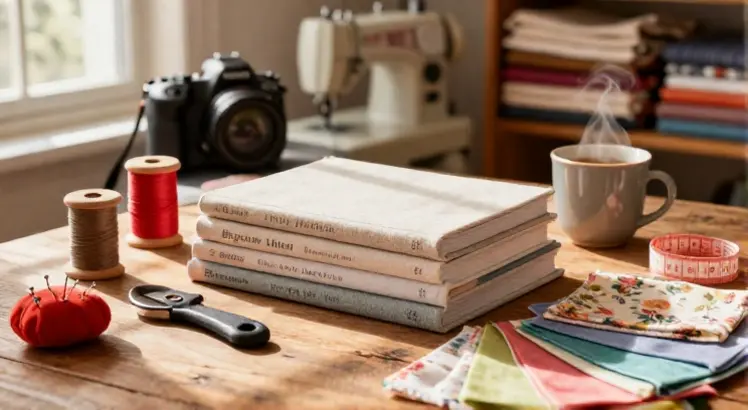
Starting your quilting journey can feel overwhelming without the right resources. A clear, well-structured book gives you a trusted companion that never runs out of battery. The best quilting books for beginners break down complex techniques into bite-sized lessons. They provide visual diagrams, troubleshooting tips, and project ideas that build your confidence stitch by stitch.
This guide helps you choose a book that matches your learning style and creative goals. We have curated top titles that cover everything from understanding fabric grain to binding your finished masterpiece. You will also discover how to pair books with essential tools for a smoother experience. For additional free tutorials, check out The Spruce Crafts’ beginner quilting guide.
Why You Should Invest in a Good Quilting Book
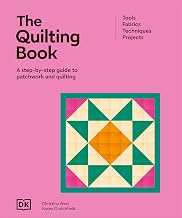
The Quilting Book: A Step-By-Step Guide to Patchwork and Quilting
Check PriceA dedicated quilting book offers a calm, focused learning environment away from screen fatigue. Unlike scattered online videos, a book presents a logical progression from simple squares to intricate blocks. You can highlight, bookmark, and revisit pages without relying on an internet connection. This tactile reference also lets you see projects in full detail right beside your sewing machine.
Books authored by expert quilters provide tried-and-tested methods that prevent common beginner mistakes. They often include full-size templates and yardage charts that save you from math errors. With a reliable guide, you will spend less time unpicking and more time enjoying the creative process. The right book becomes a lifetime companion even as your skills advance.
Key Features to Look for in Beginner Quilting Books
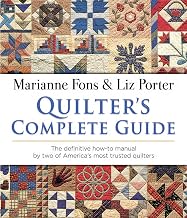
Quilter’s Complete Guide: The definitive how-to manual by two of America’s most trusted quilters
Check PriceHigh-quality photography and clear diagrams are non-negotiable for visual learners. Look for books that show each step from cutting and piecing to quilting and binding. Glossaries of terms help you decode words like sashing or on-point setting without frustration. Spiral binding or lay-flat designs keep the book open hands-free while you sew.
Projects should build difficulty gradually, letting you master one technique before learning another. The best books also offer alternative colorways and size variations to spark creativity. Check that instructions are written in plain language that assumes no prior knowledge. A good index makes it easy to find specific techniques when you need a quick refresher.
Essential Techniques Covered in Top Quilting Books
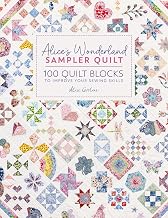
Alice’s Wonderland Sampler Quilt: 100 quilt blocks to improve your sewing skills
Check PriceEvery beginner must master accurate rotary cutting because precise patches ensure perfect seam intersections. A great book dedicates ample space to teaching this fundamental skill with photographs of hand positioning. It will then introduce quarter-inch seam allowances, the standard in quilt making that prevents blocks from shrinking. You will also learn pressing techniques that keep seams flat without distorting the fabric.
Using the best rotary cutters for precise fabric cutting makes the process safer and faster. The book will guide you through creating half-square triangles, flying geese, and corner squares. These basic units form the backbone of hundreds of traditional and modern blocks. Once you understand these core skills, you can tackle almost any beginner pattern with confidence.
Quilting Book Genres: From Complete Guides to Block Libraries
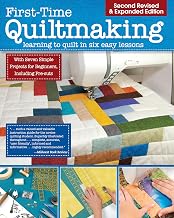
First-Time Quiltmaking, Second Edition, Revised & Expanded: Learning to Quilt in Six Easy Lessons
Check PriceComplete guides walk you through the entire quilting process from fabric selection to labeling your quilt. Block libraries, on the other hand, focus on providing hundreds of block patterns with cutting instructions. Sampler quilt books combine both by teaching a new technique in every block, culminating in a finished quilt top. Some books specialize in modern minimalism, while others dive deep into vintage reproduction patterns.
Project-focused books offer small, achievable items like table runners, pillows, or baby quilts. These are perfect if you want quick wins before committing to a bed-sized quilt. Reference manuals and tool guides are compact books filled with charts for yardage, block sizes, and setting options. Knowing your preference helps you pick a book that you will actually use regularly.
How to Choose Your First Quilting Project
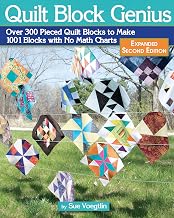
Quilt Block Genius, Expanded Second Edition: Over 300 Pieced Quilt Blocks to Make 1001 Blocks with No Math Charts
Check PriceStarting with a small project gives you a sense of accomplishment without months of commitment. Look for books offering lap quilts, crib quilts, or wall hangings that use large blocks and simple shapes. These projects let you practice the entire sequence from cutting to binding in a manageable size. Avoid patterns with lots of set-in seams or Y-seams until you are comfortable with straight piecing.
Check that the project lists required materials by exact named colors or fabric lines, making shopping easier. Many beginner books now include fabric pull suggestions that take the guesswork out of choosing. Select a pattern that excites you, because enthusiasm will carry you through learning curves. A project that matches your home décor or a gift for a loved one provides extra motivation.
Learning Quilt Math and Measurements Without the Stress
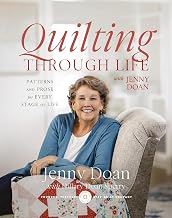
Quilting Through Life: Patterns and Prose for Every Stage of Life (Spiral Bound to Lay Flat)
Check PriceMany beginners feel intimidated by quilt math, but the right book demystifies it elegantly. Look for titles that include charts showing finished versus cut sizes for every piece. They should explain how to calculate border lengths, backing yardage, and binding strips step by step. Books with no-math block formulas let you focus on sewing while still understanding the logic.
Understanding the relationship between block size and setting triangles unlocks design freedom. Some books provide a complete set of reference tables for block grids, from simple four-patches to complex 16-patch arrays. This knowledge helps you resize blocks or adapt patterns to your preferred dimensions. With practice, you will make these calculations instinctively and rarely need a pattern.
Spiral Bound and Lay-Flat Books: A Game Changer
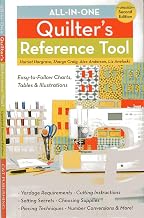
All-in-One Quilter’s Reference Tool, Updated Second Edition: Easy-to-Follow Charts, Tables & Illustrations
Check PricePractical formatting is crucial when your hands are busy guiding fabric through a machine. Spiral or wire-bound books can be folded completely flat on your sewing table, keeping your place visible. This design prevents pages from flipping closed mid-seam, a common frustration with traditional glued bindings. Many quilters consider this feature as important as the instructional content itself.
Look for durable covers coated with a wipe-clean finish to protect against stray threads and starch splatters. Lay-flat books often include pockets for storing templates or pattern pieces you remove. Some even have built-in stands, making them even more ergonomic in a cramped sewing corner. Your neck and shoulders will thank you after a long cutting session.
Reference Tools Every Beginner Should Own
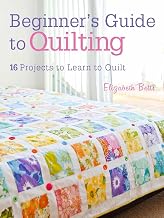
Beginner’s Guide to Quilting: 16 projects to learn to quilt
Check PriceBeyond your primary tutorial book, a compact reference tool saves time at the cutting table. These pocket-sized guides contain formulas for backing, batting, and binding that eliminate guesswork. They list standard quilt dimensions and setting triangle measurements for every common block size. Keeping one nearby means you never interrupt your flow to search online.
A reference tool complements your main book by filling in quick data that step-by-step books might spread out. It is especially handy when you want to design your own layout using blocks you have learned. Pair it with a notebook to record your fabric requirements and personal modifications. Together they become a powerful custom solution for efficient sewing sessions.
Project-Based Learning: Books with Simple Patterns
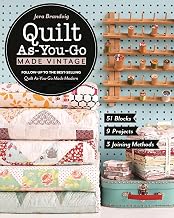
Quilt As-You-Go Made Vintage: 51 Blocks, 9 Projects, 3 Joining Methods
Check PriceThe most effective way to learn quilting is by doing, one small project at a time. Books offering a curated series of projects teach skills in a logical order, from pieced coasters to full quilts. Each pattern introduces a new technique like appliqué, chain piecing, or free-motion outline quilting. You build a tangible portfolio of finished items that showcase your growth.
Selecting high-quality quilting threads for durable seams is a key lesson these project books teach. They often include tips on thread weight and fiber content for different stages. You will learn when to use cotton versus polyester for piecing and quilting. These small details elevate your projects from homemade to heirloom quality.
Quilt As-You-Go Methods for Beginners
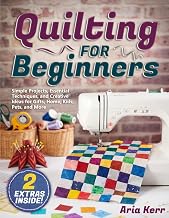
Quilting for Beginners: Simple Projects, Essential Techniques, and Creative Ideas for Gifts, Home, Kids, Pets, and More
Check PriceQuilt as-you-go (QAYG) is a brilliant technique for those intimidated by maneuvering a huge quilt through a domestic machine. This method breaks a large quilt into manageable blocks that are quilted individually and then joined. Specialized books teach several joining methods, including sashing strips with backing strips or quick-fold connectors. The result is a neatly finished quilt without wrestling with bulk.
QAYG is perfect for beginners because you can practice different quilting motifs block by block. If you make a mistake, only one small piece needs redoing, not the entire project. Books dedicated to this approach often include projects for table runners, bags, and pillows too. You will quickly gain confidence in your machine quilting abilities using this forgiving technique.
Modern and Vintage Styles: Finding Your Aesthetic
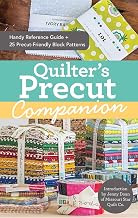
Quilter’s Precut Companion: Handy Reference Guide + 25 Precut-Friendly Block Patterns
Check PriceQuilting spans an enormous range of styles, from traditional Civil War reproductions to bold, graphic modern designs. Your first quilting books should align with the colors and patterns that make your heart sing. Modern quilting books emphasize negative space, solid fabrics, and improvisational piecing. Vintage-inspired books often include floral prints, intricate block designs, and hand-quilting motifs.
Exploring both styles through books helps you define your personal creative voice. You might discover a love for sampler quilts that blend dozens of different blocks into one cohesive design. Some books even bring the two worlds together with updated traditional patterns in fresh color palettes. Let your aesthetic guide the selection so you remain inspired throughout the learning process.
Precut Fabric Guides: Saving Time and Effort
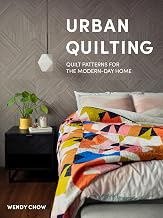
Urban Quilting: Quilt Patterns for the Modern-Day Home
Check PricePrecut fabric packs like jelly rolls, charm packs, and layer cakes have revolutionized quilt making for beginners. Specialized precut companion books show you how to turn these coordinated bundles into stunning quilts without rotary cutting fatigue. They provide block patterns optimized for the exact dimensions of each precut shape. This allows you to dive straight into piecing with a designer-curated color palette.
A good precut book explains how to handle pinked edges and slight size variations common in these packs. It will also include projects that use a single precut type, keeping fabric requirements simple. This approach removes the barrier of choosing and cutting yardage, which can be daunting for a first project. You will finish a quilt top much faster, building momentum and joy.
FAQ: Common Questions About Quilting Books
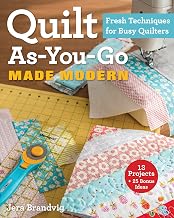
Quilt As-You-Go Made Modern: Fresh Techniques for Busy Quilters
Check PriceDo I need multiple quilting books as a beginner?
One comprehensive guide is enough to start, but adding a block library or reference tool can be helpful. As your interests grow, you might collect books focusing on specific techniques like foundation paper piecing or hand quilting. Having two or three trusted books ensures you rarely hit a knowledge gap. It is better to master a few great resources than to collect many unused ones.
Can I learn quilting solely from a book without classes?
Absolutely, many self-taught quilters learned entirely from well-written books. Look for titles with extensive photographic step-by-step sequences and troubleshooting tips. Setting aside time for focused practice sessions helps the information stick. You can supplement with online video tutorials for dynamic techniques like free-motion quilting if needed.
What if the book uses terminology I don’t understand?
Choose books that include a robust glossary in the back or margin definitions. Stick with it, as quilting language becomes second nature very quickly. Highlight unfamiliar words and search for them in the index to see them used in context. Over time, you will speak the language fluently and read patterns with ease.
Are older quilting books still useful today?
Many classic books contain timeless techniques that remain entirely relevant. The main difference is often the photography style and fabric choices, not the construction methods. Vintage books can offer charming traditional blocks that are difficult to find in modern publications. Just be mindful that rotary cutting directions may assume different ruler markings, so double-check measurements.
The journey from complete novice to confident quilter is paved with colorful threads, crisp seams, and a growing library of inspiration. A carefully chosen quilting book gives you a calm, consistent teacher sitting right next to your sewing machine. It encourages you to slow down, enjoy each step, and savor the meditative rhythm of needle and thread. With patience and the right guidance, your first quilt will be a treasured memory you will cherish forever.
Remember that every stitch contributes to your unique story, capture it in a journal or a label on the back of your quilt. As you finish each project, reflect on the new skills you have mastered and the joy it brought. The quilting community is warm and generous, so do not hesitate to share your work and ask questions. Your next favorite book is waiting to spark a fresh wave of creativity in your sewing room.
