
You want to start quilting or sharpen your skills, but the sheer number of books feels overwhelming. Many beginners struggle to find clear instructions, while experienced quilters crave fresh patterns and reliable reference. You deserve a book that matches your pace and inspires your next project. A carefully chosen guide can save fabric, reduce frustration, and make stitching pure joy.
Short Answer: The Quilting Book: A Step-By-Step Guide to Patchwork and Quilting is our top overall pick for its all-in-one approach, but the right book depends heavily on whether you are a beginner, a block collector, or a fan of modern designs. Each title below solves a specific problem, from no-math cutting to portable quilt-as-you-go techniques.
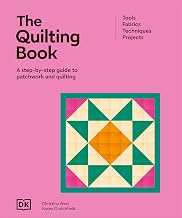
The Quilting Book: A Step-By-Step Guide to Patchwork and Quilting
Check PriceBest Quilting Books of 2026
Before you invest in a stack of quilting books to learn new stitches and designs, it helps to have your essential supplies in order so you can follow along without interruption. Our guide to choosing the right threads for quilting walks you through strong, low-lint options that won’t distort your seams, while the comprehensive overview of quilting on Wikipedia offers historical context and standard terminology that make instructional books much easier to understand. Together, they give you the material and conceptual foundation to fully benefit from every project in your new library.
1. The Quilting Book: A Step-By-Step Guide to Patchwork and Quilting – Complete Beginner’s Reference
The Quilting Book: A Step-By-Step Guide to Patchwork and Quilting
Check PriceWhy it stands out
This workbook-style guide breaks every technique into manageable photographic steps. It speaks equally well to someone who has never threaded a needle and to a stitcher needing a refresher on binding. The progression from simple squares to full quilts feels natural and encouraging.
Key points
- Step-by-step photos for every technique
- Covers tools, cutting, piecing, and quilting
- Full-size templates included
- Projects build skills gradually
Pros
- Exceptionally clear photos
- Teaches quilting from zero to finish
- Sturdy spiral-friendly lay-flat design
- Includes both machine and hand work
- Great value for the depth of content
Cons
- Limited advanced art-quilt techniques
- Some readers may want more modern patterns
Best for
True beginners and visual learners who want a single comprehensive resource that takes them from unboxing a sewing machine to a finished heirloom.
2. Quilter’s Complete Guide: Definitive How-To Manual – Revered Instruction from Master Quilters
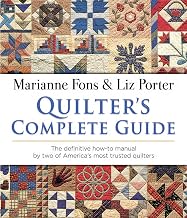
Quilter’s Complete Guide: The definitive how-to manual by two of America’s most trusted quilters
Check PriceWhy it stands out
Marianne Fons and Liz Porter distill decades of teaching into one volume that feels like a patient mentor by your side. The clear black-and-white diagrams and precise language eliminate guesswork. It’s the kind of manual you will highlight, tab, and return to for years.
Key points
- Complete reference for hand and machine quilting
- Over 700 detailed illustrations
- Covers drafting, piecing, appliqué, and finishing
- Trusted by multiple generations of quilters
Pros
- Incredibly thorough encyclopedia of techniques
- Diagrams are large and easy to follow
- No-nonsense instruction without fluff
- Durable Dover craft paperback
- Teaches time-tested foundation skills
Cons
- Interior is black and white only
- Project gallery may feel dated to some
Best for
Serious beginners and intermediate quilters who want a classic, all-encompassing reference manual they can trust for every stitch and technique.
3. Alice’s Wonderland Sampler Quilt – 100 Blocks to Boost Your Skills
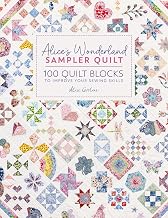
Alice’s Wonderland Sampler Quilt: 100 quilt blocks to improve your sewing skills
Check PriceWhy it stands out
This whimsical book turns learning into an adventure with 100 unique blocks inspired by Alice in Wonderland. Each block teaches a specific piecing or appliqué skill, so you naturally improve while stitching a dreamy sampler quilt. The storytelling theme keeps motivation high.
Key points
- 100 block patterns with full instructions
- Combines piecing, foundation paper piecing, and appliqué
- Includes layout and finishing guidance
- Charming Wonderland illustrations throughout
Pros
- Massive block library for skill building
- Beautiful photography and clear templates
- Teaches multiple techniques in one project
- Makes a stunning heirloom sampler quilt
- Great for confident beginners and beyond
Cons
- Requires dedication to complete all 100 blocks
- Some tiny appliqué pieces may challenge newbies
Best for
Quilters who want a playful, year-long project that builds a wide range of sewing competencies through one magical sampler quilt.
4. First-Time Quiltmaking, Second Edition – Learn to Quilt in Six Easy Lessons
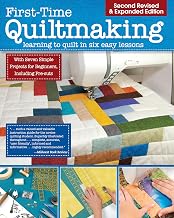
First-Time Quiltmaking, Second Edition, Revised & Expanded: Learning to Quilt in Six Easy Lessons
Check PriceWhy it stands out
Structured like a friendly workshop, this book divides learning into six manageable lessons with seven simple projects. The large color photos and step-by-step graphics remove any fear. You can go from cutting fabric to a completed lap quilt in a weekend.
Key points
- Six lessons: tools, cutting, piecing, borders, quilting, binding
- 7 beginner-friendly projects included
- Revised and expanded edition with new patterns
- Landauer quality with lay-flat spiral binding
Pros
- Extremely gentle learning curve
- Spiral binding stays open on your machine table
- Clear illustrations for every step
- Projects use easy-to-find fabric quantities
- Builds confidence quickly
Cons
- Patterns lean traditional
- Not enough material for advanced quilters
Best for
Absolute beginners who feel intimidated and need a structured, lesson-based approach that guarantees a successful first quilt without overwhelm.
5. Quilt Block Genius, Expanded Second Edition – Over 300 Blocks Without Math
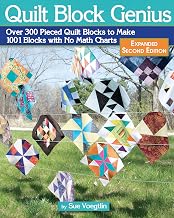
Quilt Block Genius, Expanded Second Edition: Over 300 Pieced Quilt Blocks to Make 1001 Blocks with No Math Charts
Check PriceWhy it stands out
This block dictionary eliminates math headaches with cutting charts for multiple sizes of every block. You get over 300 foundation patterns and ideas to combine them into stunning layouts. It’s the ultimate tool for designing your own quilts.
Key points
- 300+ pieced blocks with no-math cutting charts
- Expanded second edition with new blocks and tips
- Shows settings, sashing, and sampler arrangements
- Grid-based cutting for multiple block sizes
Pros
- Saves hours of resizing calculations
- Spiral bound for hands-free reference
- Clear black-and-white diagrams show piecing steps
- Tips for making mini quilts and scrappy blocks
- Endless design possibilities from one book
Cons
- No full-color project photos
- Assumes basic piecing knowledge
Best for
Confident beginners and intermediate quilters who love creating custom layouts and want a huge block reference that removes all guesswork from cutting math.
6. Quilting Through Life: Patterns and Prose – Heartfelt Projects for Every Life Stage
Quilting Through Life: Patterns and Prose for Every Stage of Life (Spiral Bound to Lay Flat)
Check PriceWhy it stands out
This book pairs uplifting prose with beautiful quilt patterns tied to life’s milestones, from baby showers to empty nests. The spiral bound format lies perfectly flat, making it a joy to stitch from. It’s part self-care, part sewing.
Key points
- Quilt patterns for every season and life event
- Lay-flat spiral binding for easy use
- Includes devotionals and reflective writing
- Full-color photography throughout
Pros
- Emotionally comforting and inspirational
- Patterns are well-written and diverse
- Spiral binding is extremely practical
- Makes a thoughtful gift for quilters
- Patterns suit decor from nursery to living room
Cons
- Written for a faith-adjacent, reflective audience
- Not a technical reference manual
Best for
Quilters who stitch for emotional connection and want meaningful patterns that commemorate births, weddings, friendship, and quiet seasons at home.
7. All-in-One Quilter’s Reference Tool, Updated Second Edition – Essential Charts and Conversion Guide
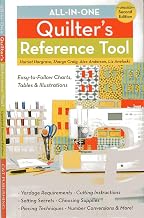
All-in-One Quilter’s Reference Tool, Updated Second Edition: Easy-to-Follow Charts, Tables & Illustrations
Check PriceWhy it stands out
Think of this as your cheating-sheet for yardage, cutting, and piecing math. It packs an astonishing amount of quick-lookup data into a compact, spiral-bound format. You’ll reach for it constantly to avoid time-wasting recalculations.
Key points
- Yardage charts, cutting diagrams, and setting triangles
- Binding, backing, and batting formulas
- Updated second edition with more tables
- Spiral-bound to lay flat on your cutting table
Pros
- Answers how much fabric in seconds
- Tackles corner triangles and diagonal sets
- Lightweight and portable
- Works alongside any quilting book
- The go-to gift for new quilters
Cons
- No patterns or how-to quilting lessons
- Some charts require familiarity with terminology
Best for
Every quilter who has ever stood in a fabric store second-guessing yardage. It’s the secret weapon to supplement any pattern or design you create.
8. Beginner’s Guide to Quilting – 16 Starter Projects to Build Skills
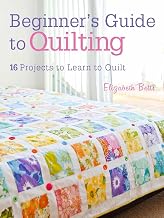
Beginner’s Guide to Quilting: 16 projects to learn to quilt
Check PriceWhy it stands out
With sixteen attainable projects, this book moves from placemats to a full quilt in a friendly UK-style tone. Each project adds one new skill, so you never feel lost. The modern, fresh aesthetic appeals to younger crafters.
Key points
- 16 projects from small to large
- Teaches cutting, piecing, quilting, and binding
- Full-size templates and clear diagrams
- Step-by-step stitch guide in the front
Pros
- Projects are quick and stash-friendly
- Bright, inspiring photography
- Excellent explanations of quilting basics
- Encourages trying new skills with low commitment
- Uses metric and imperial measurements
Cons
- UK-based resources and terminology may need adjusting
- Fabric requirements given in meters and fat quarters
Best for
New quilters who prefer a project-based route and want plenty of small, fast wins before tackling a large bed-sized quilt.
9. Quilt As-You-Go Made Vintage – Vintage Style with Easy Block-by-Block Methods
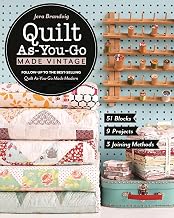
Quilt As-You-Go Made Vintage: 51 Blocks, 9 Projects, 3 Joining Methods
Check PriceWhy it stands out
Quilt-as-you-go (QAYG) means each block is quilted before joining, making large quilts manageable on a domestic machine. This book wraps that clever method in nostalgic, vintage-inspired blocks. You get 51 blocks, three joining methods, and nine cozy projects.
Key points
- 51 QAYG block patterns
- 9 full projects including quilts, table runners, pillows
- 3 different joining methods taught
- Retro design with modern instructions
Pros
- Makes quilting large projects feel easy
- Vintage aesthetic with clear color photos
- Portable block-by-block construction
- Multiple joining methods suit different preferences
- Great stash-buster for reproduction prints
Cons
- QAYG joining requires neat sashing alignment
- Style may not suit modern minimalists
Best for
Quilters who adore traditional, cozy looks but want the smart construction method that lets them finish a large quilt without wrestling a full sandwich through a standard machine.
10. Quilting for Beginners – Simple Projects and Creative Gift Ideas
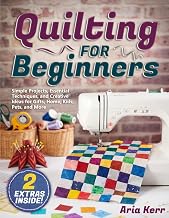
Quilting for Beginners: Simple Projects, Essential Techniques, and Creative Ideas for Gifts, Home, Kids, Pets, and More
Check PriceWhy it stands out
This entry-level book focuses on the joy of making something quickly and gifting it proudly. Projects span pet quilts, kid blankets, and home décor, keeping motivation sky-high. The straightforward language assumes zero prior knowledge.
Key points
- Projects for gifts, home, kids, and pets
- Covers essential tools and basic techniques
- Encourages improvisation with a modern feel
- Full-color photos for every step
Pros
- Super gentle introduction to quilting
- Projects are highly giftable
- Friendly, encouraging tone throughout
- Uses readily available supplies
- Quick finishes build confidence fast
Cons
- Limited in advanced techniques
- Paperback may not lay completely flat
Best for
Crafters who learn best by making functional, heart-warming gifts right away and want a low-pressure, upbeat start to quilting.
11. Quilter’s Precut Companion – 25 Precut-Friendly Patterns and Guide
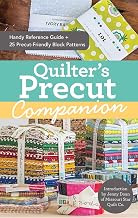
Quilter’s Precut Companion: Handy Reference Guide + 25 Precut-Friendly Block Patterns
Check PriceWhy it stands out
Charm packs, jelly rolls, and layer cakes are gorgeous but can be daunting. This compact spiral book demystifies precuts with 25 block patterns designed specifically for standard precut sizes. The cutting is done for you.
Key points
- Reference guide to all common precut shapes
- 25 block patterns engineered for precuts
- Easy-to-follow color diagrams
- Handy portable size (6 x 9 inches)
Pros
- Takes the guesswork out of precut projects
- Great travel companion for shop hops
- Spiral bound and wipe-clean cover
- Patterns work for multiple precut varieties
- Ideal for beginners intimidated by cutting
Cons
- Only 25 main blocks, not an encyclopedia
- Limited to block patterns, no full quilt layouts
Best for
Beginners drowning in precut fabric collections and experienced quilters seeking a portable block library for quick, satisfying stash-busting projects.
12. Urban Quilting: Quilt Patterns for the Modern-Day Home – Modern Designs for Contemporary Interiors
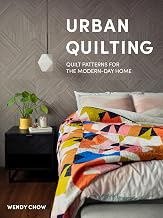
Urban Quilting: Quilt Patterns for the Modern-Day Home
Check PriceWhy it stands out
With clean lines, bold negative space, and a curated color palette, this book brings quilting firmly into the modern home. Each pattern looks like designer home décor, not a dated craft. The instructions are clear and beautifully photographed.
Key points
- 10 modern quilt patterns
- Designs include throw quilts, wall hangings, pillows
- Emphasis on solid fabrics and graphic shapes
- Tips for choosing a modern color palette
Pros
- Stunning, fresh aesthetic
- Patterns feel achievable for advanced beginners
- High-quality photography and styling
- Great for solids and minimalist fabric lovers
- Unique designs you won’t find in traditional books
Cons
- Not a complete how-to-quilt manual
- Some patterns require precise cutting
Best for
Quilters with basic skills who crave a contemporary, minimalist look and want to sew quilts that double as modern art for the home.
13. Quilt As-You-Go Made Modern – Fresh QAYG Techniques for Busy Quilters
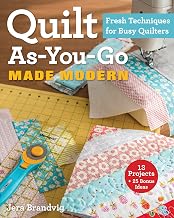
Quilt As-You-Go Made Modern: Fresh Techniques for Busy Quilters
Check PriceWhy it stands out
Forget traditional sashing methods. This book teaches clever, virtually invisible QAYG joins that suit sleek modern quilts. The fresh approach lets you finish a lap quilt in short, manageable sessions without a longarm machine.
Key points
- Multiple modern QAYG joining methods
- Full patterns for stylish, contemporary quilts
- Tips for machine quilting on a home sewing machine
- Clear step-by-step photos
Pros
- Joining methods are incredibly neat
- Perfect for quilters with limited time
- Modern designs appeal to a broad audience
- Detailed machine quilting advice
- Makes large quilts feel portable
Cons
- Some trial and error needed to master joins
- Projects assume a basic quilting skill set
Best for
Busy modern quilters who want crisp, contemporary finishes and are tired of wrestling huge quilt sandwiches on a domestic machine.
How to Choose the Right Quilting Book
Start by honestly assessing your skill level. Absolute beginners need a book that explains tools, cutting, and piecing from the ground up, like a friendly workshop. Look for clear step-by-step photos and simple starter projects rather than a dense encyclopedia.
Consider your learning style. Visual learners thrive on photographic guides, while readers who enjoy detailed diagrams may prefer a classic reference manual. Some books offer workbook-style lessons, and others provide a library of block patterns to spark your own designs.
Think about the projects you actually want to make. Are you dreaming of a modern minimalist throw, a vintage sampler, or quick gifts for friends? Choose a book whose aesthetic and project scale match your fabric stash and the time you can realistically set aside.
Practical format matters more than you think. Spiral-bound and lay-flat designs stay open while you sew, preventing broken spines. Portable reference tools fit in a project bag and help you shop for fabric. A heavy hardcover might be beautiful but impractical next to your machine.
Finally, read a few reviews from quilters at your same level. A book praised by advanced artists may frustrate a beginner. The best book is the one that makes you excited to turn on your iron and start stitching, not the one with the most pages.
Common Mistakes to Avoid When Buying Quilting Books
The biggest mistake is buying a book that is far above your current comfort zone. A gorgeous advanced art-quilt book will only gather dust if you haven’t yet mastered a consistent quarter-inch seam. Build skills sequentially, and resist the urge to skip foundational lessons.
Another common error is overlooking the binding and usability. A paperback that won’t stay open makes following instructions a struggle. Prioritize spiral-bound or wire-o formats for any book you plan to use while actively sewing. A reference book that flops shut mid-sewing wastes time and tests patience.
Don’t ignore your personal style. A quilter who loves bright solids and negative space will feel uninspired flipping through traditional floral patterns. Buying a book should align with the colors and designs you naturally gravitate toward, otherwise even the best instruction will feel like a chore.
Finally, avoid impulse buying multiple books at once. Choose one comprehensive guide and one project or block book to start. Overloading your shelf can lead to decision paralysis. Give yourself time to work through the lessons before expanding your library.
Frequently Asked Questions
1. What is the best quilting book for absolute beginners?
First-Time Quiltmaking, Second Edition and The Quilting Book are both excellent. The first uses a lesson-based format with simple projects, while the second is a photographic step-by-step manual that covers everything from tools to binding. Either will give you a strong start.
2. Do I need a separate reference tool or will a project book be enough?
A project book teaches technique through patterns, but a reference tool like All-in-One Quilter’s Reference Tool saves you from math errors. It’s wise to own one solid how-to manual and pair it with a dedicated quick-reference chart book.
3. Are spiral-bound books really worth it?
Yes, especially for instructional books you’ll use at your sewing table. Spiral or wire-o bindings lie completely flat without being weighted down, keeping your hands free. Many of the best hands-on guides in this list feature that practical design.
4. Which book has the most block patterns?
Quilt Block Genius, Expanded Second Edition offers over 300 pieced blocks with no-math cutting charts. Alice’s Wonderland Sampler Quilt has 100 unique blocks in a themed project. Both are fantastic for block collectors.
5. Can I learn quilt-as-you-go from a book?
Absolutely. Quilt As-You-Go Made Modern and Quilt As-You-Go Made Vintage specialize in this technique. They teach multiple joining methods with clear photos and projects, making it easy to manage large quilts on a regular machine.
6. I love modern, minimalist quilts. Which book should I pick?
Urban Quilting: Quilt Patterns for the Modern-Day Home is the top choice. Its patterns feature clean lines, solid fabrics, and a curated modern aesthetic that blends with contemporary decor. Quilt As-You-Go Made Modern also suits that style.
7. What if I want projects that make meaningful gifts?
Quilting for Beginners focuses heavily on gift ideas, and Quilting Through Life pairs patterns with life milestones. Both are great if your main goal is creating heartfelt, quick-to-finish presents for loved ones.
8. Are these books suitable for machine quilting only?
Most books cover machine quilting, but several also include hand quilting and hand piecing instructions. Quilter’s Complete Guide and The Quilting Book discuss both, so you can choose what feels comfortable.
9. How do I avoid choosing a book that’s too advanced?
Read the description and early pages online. Look for words like first-time, beginner, or six easy lessons. Avoid books that assume you know binding or mitering unless you’re ready. Check customer reviews specifically mentioning skill level.
10. Should I buy a physical book or an e-book for quilting?
Physical books, especially spiral-bound ones, are much easier to use while sewing. You can highlight, add sticky notes, and prop them up. E-books work for planning on the go, but a paper copy is invaluable next to your machine.
Conclusion
Finding the best quilting book comes down to knowing your current skill, learning style, and the kind of quilts you really want to surround yourself with. A beginner who picks a comprehensive guide with lots of photos will progress faster and enjoy the process far more.
The thirteen books we shared cover every angle, from no-math block dictionaries to heartfelt gift collections and modern design. Whether you prefer structured lessons, a whimsical sampler journey, or the efficiency of quilt-as-you-go, there is a trusted book ready to become your sewing companion.
Keep a practical reference tool nearby to solve yardage questions instantly, and don’t be afraid to start small. A single well-chosen book can build your confidence, teach you priceless tricks, and inspire years of creativity at the machine.
Pick the book that makes your fingers itch to pick up a rotary cutter. Stitch your first seams, finish that first project, and watch your love for quilting grow page by page, block by block.
Once your thread and fabric are ready, a reliable cutting setup turns printed patterns into precise fabric pieces. Our roundup of the best rotary cutters for precise fabric cutting details ergonomic handles and replacement blade systems that reduce hand strain and improve accuracy, exactly what you need when you’re following the step‑by‑step diagrams in your favorite quilting manuals. With a sharp, comfortable cutter, you’ll spend less time trimming and more time creating the clean blocks and crisp points that the books inspire.
