
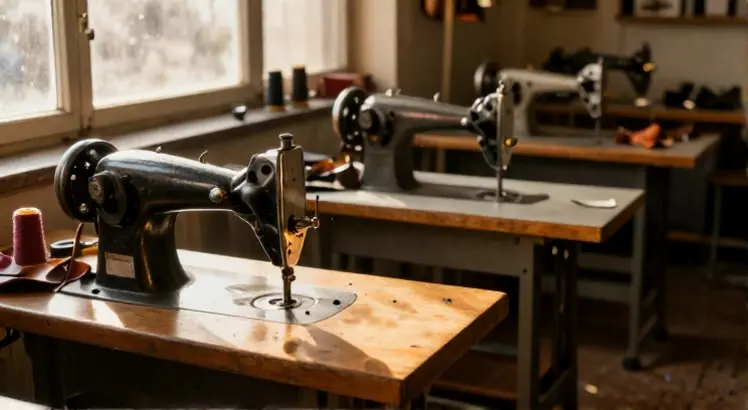
Shoe sewing machines represent a specialized category of equipment that differs dramatically from standard domestic sewing machines. Whether you are a professional cobbler, a footwear manufacturer, or a dedicated hobbyist, understanding the main types of shoe sewing machines is essential for achieving durable, professional grade results. These machines are engineered to handle thick leather, multiple fabric layers, and the unique curved contours of footwear construction. Selecting the wrong type can lead to broken needles, damaged materials, and frustrating project delays.
The world of shoe sewing machinery spans from traditional hand cranked cobblers to sophisticated industrial post bed systems. Each type serves a distinct purpose, whether repairing a worn sole, constructing a new pair of boots, or adding decorative stitching to finished footwear. Shoe materials like leather, suede, and thick canvas demand far more power and precision than typical garment fabrics. This guide will walk you through every major category, highlight actionable selection tips, and answer common questions to help you make an informed investment.
Many beginners underestimate how different shoe construction is from regular sewing leather requires specific techniques and equipment designed for heavy duty use. The needle system, presser foot design, and feed mechanism all play critical roles in penetrating tough materials cleanly. Before diving into individual machine types, it helps to understand that shoe sewing machines generally fall into three broad groups: manual cobblers, electric bench models, and full industrial workstations. Each group contains several variations we will explore in detail throughout this article.
Understanding the Main Types of Shoe Sewing Machines
The shoe sewing machine market offers a diverse range of equipment tailored to different production scales and repair needs. At the highest level, these machines divide into manual hand operated units, electric powered bench machines, and heavy duty industrial systems with integrated tables and servo motors. Manual cobblers remain popular among small repair shops and hobbyists who value simplicity and low maintenance requirements. Electric models bring speed and consistency to leather stitching without the physical effort of cranking a wheel by hand.
Industrial post bed machines represent the gold standard for professional shoemaking and high volume repair work. These systems feature a raised post that allows sewing inside shoes, around curved heel areas, and along tight boot shafts where flat bed machines cannot reach. The combination of a powerful servo motor and specialized presser feet enables these machines to sew through multiple layers of thick leather effortlessly. Understanding the differences between these categories will help you match your specific workflow, budget, and project requirements to the right equipment.
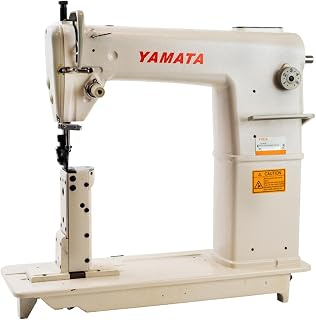
Yamata FY810 Drop Feed Heavy Duty Single Needle Lockstitch Post Bed Industrial Sewing Machine Comes With Table, Legs, and Servo Motor – Leather & Shoe Sewing Machine
Check PricePost Bed Industrial Sewing Machines for Shoemaking
Post bed machines feature an elevated sewing surface that rises above the machine body, allowing operators to maneuver footwear in three dimensions while stitching. This design proves invaluable when working on boot shafts, moccasin toes, and other areas requiring deep reach inside the shoe. The post supports the material from beneath while the needle descends vertically, creating precise lockstitches in challenging positions. Professional shoe factories rely heavily on post bed configurations for their versatility across diverse footwear styles.
These machines typically include a synchronized walking foot or drop feed mechanism that advances leather smoothly without puckering or uneven stitch lengths. The Yamata FY810 exemplifies this category with its heavy duty single needle lockstitch system and included servo motor for precise speed control. Operators can sew slowly around delicate curves or speed up on straight runs without sacrificing stitch quality. Regular maintenance of the post bed surface and proper needle selection are crucial tips for maximizing machine longevity.
Manual Cobbler Sewing Machines and Their Legacy
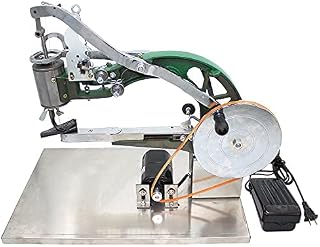
2021 Cobbler Sewing Machine 110V 250W Motor with Stainless Steel Base Eletrical and Manual Sets Leather Sewing Machine for Leather/Shoes/Bags/Clothes/Quilts/Coats/Trousers(Green)
Check PriceManual cobbler sewing machines trace their roots back over a century and remain cherished tools in repair shops worldwide. These hand operated devices use a rotating wheel and crank mechanism to drive a single needle through leather, creating secure lockstitches one revolution at a time. The operator controls every stitch manually, which provides exceptional precision for delicate restoration work on vintage footwear. Many experienced cobblers prefer the tactile feedback and total control that manual machines offer for intricate repairs.
Modern manual cobblers often feature aluminum frames, stainless steel bases, and improved bearing systems that reduce friction and wear during extended use. The simplicity of these machines means fewer electrical components to maintain and lower overall operating costs for small businesses. Beginners can learn fundamental shoe repair skills on a manual cobbler before graduating to faster electric models. The rhythmic, methodical process of hand cranking also helps develop an intuitive understanding of how leather responds to needle penetration at different speeds.
The 10 Bearing System in Modern Shoe Repair
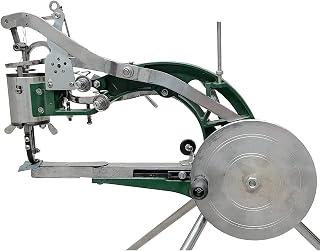
The New Cobbler Machine 10 -Bearings,Shoe Repair Hand Leather Sewing Machine, Shoe Cobbler Machine with Nylon Line, Manual Mending for Leather/Shoes/Bags/Clothes/Quilts/Coats/Trousers
Check PriceThe integration of multiple precision bearings has transformed manual cobbler machine performance in recent years. Traditional hand crank machines often used simple bushings that created friction, made turning difficult, and wore down quickly under heavy use. Modern 10 bearing systems distribute rotational forces evenly across multiple contact points, resulting in noticeably smoother operation and extended machine lifespan. This engineering advancement allows operators to sew through thick leather with less physical effort and greater stitch consistency.
A higher bearing count directly correlates with reduced vibration and improved needle alignment during the sewing cycle. Machines like the 10 bearing cobblers on the market today can handle dense materials including stacked leather soles, heavy canvas, and multiple layers of webbing without struggling. When shopping for a manual shoe repair machine, checking the bearing count provides a quick indicator of build quality and long term reliability. Proper lubrication of these bearings every few months ensures the machine continues operating at peak efficiency for years to come.
Electric Shoe Sewing Machines for Efficiency
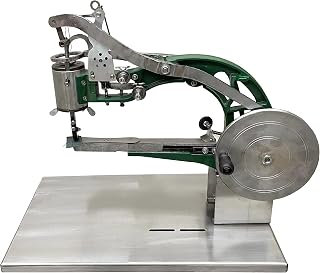
10-Bearings Set Shoe Repair Hand Leather Sewing Machine, Shoe Cobbler Machine with Nylon Line, Manual Mending for Leather/Shoes/Bags/Clothes/Quilts/Coats/Trousers
Check PriceElectric shoe sewing machines bring motorized power to leather stitching, dramatically increasing production speed compared to manual alternatives. These machines typically feature a 110V or 220V motor that drives the needle assembly through a belt or direct drive system, freeing the operator to focus entirely on guiding the material. Variable speed control via a foot pedal or electronic dial allows seamless transitions between slow, precise curves and fast straight sections. Electric models are the preferred choice for busy repair shops that handle numerous customer orders daily.
Modern electric cobblers often combine the traditional post bed design with integrated lighting, automatic thread trimmers, and programmable stitch patterns. The BEAMNOVA and similar electric models exemplify how accessible professional grade shoe repair has become for home workshops and small businesses. One actionable tip for electric shoe machine owners is to regularly clean the motor ventilation ports to prevent overheating during extended sewing sessions. Pairing an electric machine with a dedicated dedicated leather sewing machine setup ensures consistent results across all your footwear projects.
Dual Cotton Nylon Line Sewing Technology
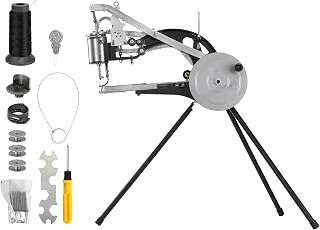
BEAMNOVA Leather Stitching Machine, Cobbler Sewing Shoe Repair Tool
Check PriceDual thread systems represent a significant advancement in shoe repair technology, enabling machines to simultaneously feed both cotton and nylon lines through a single needle path. This configuration creates stitches that combine the natural grip and traditional appearance of cotton with the superior tensile strength of synthetic nylon. The resulting seam resists abrasion, moisture, and repeated stress far better than single thread stitches. Cobblers particularly value dual line machines when repairing work boots and outdoor footwear subjected to harsh conditions.
Thread selection plays a critical role in dual line performance, with heavier nylon providing structural integrity while cotton fills gaps and creates a smoother finished surface. The Hand Cobbler Shoe Repair Machine series demonstrates how dual feed technology has become accessible to independent repair professionals and serious hobbyists alike. When operating dual line machines, adjusting tension independently for each thread type prevents looping, bunching, and inconsistent stitch appearance. Testing thread combinations on scrap leather before starting a repair ensures optimal settings for each specific material thickness.
Professional Industrial Grade Shoe Manufacturing Equipment
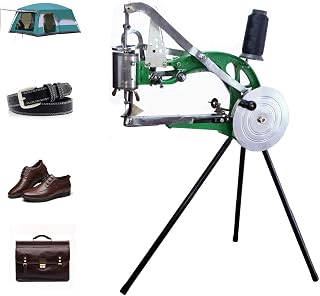
Hand Cobbler Shoe Repair Machine Dual Cotton Nylon Line Sewing Machine Manual Leather Machine Shoe Sewing Machine for Shoes/Upsolery/DIY Items
Check PriceFull scale shoe manufacturing demands industrial machines capable of running continuously for eight to ten hours without overheating or losing stitch precision. These workhorses feature heavy gauge steel frames, industrial servo motors, and automated lubrication systems that keep components running smoothly through thousands of cycles daily. Factory floor machines often specialize in single operations like sole stitching, heel attachment, or upper assembly rather than serving as general purpose units. The investment in dedicated industrial equipment pays off through dramatically higher production volumes and consistent quality control.
Professional cobblers upgrading from manual or small electric machines to industrial systems should evaluate their average daily workload and available workshop space carefully. These machines typically require dedicated workstations with reinforced tables, external motor mounts, and proper electrical supply rated for continuous industrial use. According to historical sewing machine development, the transition from artisanal hand sewing to mechanized production revolutionized the footwear industry in the late nineteenth century. Modern industrial shoe machines carry that legacy forward with computerized controls and precision engineered components.
Leather Patcher Machines for Specialized Repairs
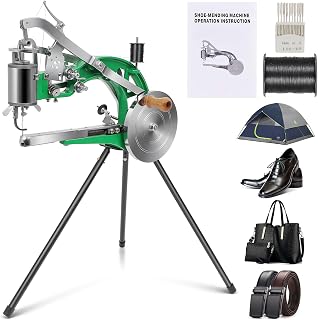
Leather Cobbler Machine, Cobbler Stitching Machine, Shoe Repair Machine
Check PriceLeather patcher sewing machines occupy a unique niche, designed specifically for applying reinforcing patches to worn areas of shoes, boots, and leather goods. These machines feature a compact head that provides excellent visibility of the stitching area, allowing precise placement of small leather pieces over holes or thin spots. Single needle operation with a narrow presser foot enables the operator to maneuver around tight curves and edges that larger shoe machines cannot access easily. Patch work requires patience and practice, but a dedicated leather patcher makes the process significantly more efficient.
Many leather patcher models come as head only units that mount to existing workbenches, making them ideal additions to workshops with limited space. The YEQIN and similar patcher heads accept standard industrial needles and offer adjustable stitch length for different patch thicknesses. One helpful tip for patcher machine users is to keep an assortment of pre cut leather patches organized by color and thickness near the workstation. This preparation minimizes downtime during repair sessions and helps maintain a smooth workflow throughout the day.
Upgraded Bearings in Modern Cobbler Machines
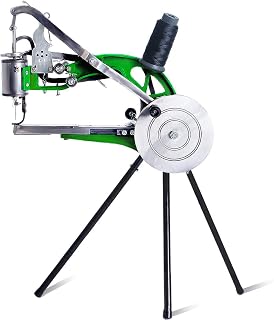
Manual Leather Sewing Machine Hand Shoe Cobbler Stitching Repair Mending Machine Patcher Dual Cotton Nylon Line Sewing Machine
Check PriceThe latest generation of cobbler sewing machines incorporates significant bearing upgrades that deliver tangibly better performance than older models. Upgraded bearing systems reduce internal friction by up to forty percent compared to standard bushing designs, translating to smoother hand cranking and less operator fatigue during long repair sessions. These precision components maintain tighter tolerances over years of use, preserving accurate needle alignment and consistent stitch quality even as the machine ages. Savvy buyers look for terms like ‘upgraded bearings’ or ‘precision bearing system’ when comparing different cobbler machine specifications.
Machines featuring ten bearing configurations have become the benchmark for quality in the manual shoe repair market. The distribution of load across multiple bearing points prevents the uneven wear patterns that plague cheaper, lower bearing count alternatives. When evaluating an upgraded bearing machine, turn the hand wheel slowly and feel for any grinding, catching, or irregular resistance that might indicate manufacturing defects. A properly assembled bearing system should rotate with fluid, consistent resistance throughout the entire revolution without any flat spots or sudden tightness.
Entry Level Shoe Sewing Solutions for Hobbyists
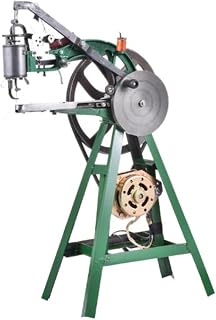
Electric Cobbler Sewing Machine, Heavy Duty Hand Shoe Repair Mending Sewing Machine, with Vertical Stand, Leather Shoe Making Equipment, for Leather/Shoes/Bags/Clothes/Quilts/Coats
Check PriceNot everyone needs a full industrial setup, and the market now offers numerous entry level machines perfect for hobbyists and beginners. These compact units typically combine manual operation with electric motor options, giving newcomers flexibility as their skills develop. Entry level shoe sewing machines cost significantly less than professional equipment while still providing adequate power for occasional repairs and small leather craft projects. The key is finding a machine with sufficient needle clearance and motor strength to handle the thickness of shoe leather without constant jamming.
Portable designs with carrying handles and modest footprints make these machines suitable for apartment dwellers and crafters with limited workspace. The included accessories like extra needles, bobbins, and thread samples help beginners start stitching immediately without hunting down additional supplies. A practical tip for first time shoe machine owners is to practice on thrift store shoes or leather scraps before attempting repairs on valuable footwear. This low pressure practice builds muscle memory and confidence for handling the machine around the tricky curves and seams of real shoe construction.
Inside Shoe Sewing and Specialty Equipment
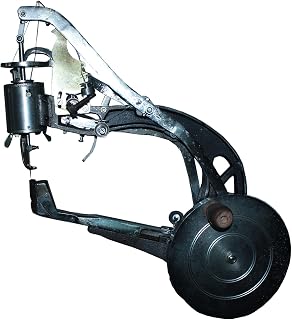
Cobbler Sewing Machine Repair Shoes Machine Mending Machine Sewing the Inside of Shoes Professional Industrial Heavy Duty Sewing Machine for Clothes/Sneaker/Boot
Check PriceSewing inside a shoe presents unique challenges that standard flat bed machines cannot overcome. The confined interior space requires specialized equipment with elongated arms, angled needle bars, or unique post configurations that reach deep into toe boxes and heel counters. Machines designed for inside shoe work allow cobblers to reattach linings, repair toe caps, and reinforce internal seams without disassembling the entire shoe structure. This capability dramatically expands the range of repairs a shop can offer to customers.
Inside shoe sewing machines often feature adjustable work surfaces that tilt or rotate to present interior areas at convenient angles for the operator. The narrow, extended post supports material from inside the shoe while the needle penetrates from above, creating clean stitches in positions that would be impossible with conventional equipment. Proper lighting becomes especially important for inside shoe work, as shadows inside the footwear cavity can obscure stitch placement. Many professional machines integrate LED lamps positioned to illuminate the exact stitching point without creating glare for the operator.
Hand Crank Versus Motorized Shoe Sewing Systems
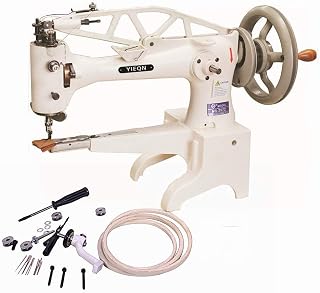
Leather Patcher Industrial Sewing Machine Shoe Repair Boot Patch Single Needle Hand Crank DIY Head Only #2972B
Check PriceThe choice between hand crank and motorized operation fundamentally shapes the shoe sewing experience. Hand crank machines give operators complete control over every stitch, allowing instant stops and precise positioning that makes detailed restoration work possible. The physical effort required, however, can lead to fatigue during long sessions and may limit the total number of repairs completed in a day. Motorized systems exchange that granular control for sustained speed and reduced physical strain, making them ideal for production oriented workshops.
Many modern shoe sewing machines offer hybrid designs that support both hand crank and motorized operation through interchangeable drive components. This flexibility allows shops to switch between modes based on the specific task, using the hand crank for delicate vintage leather work and engaging the motor for routine sole stitching. When comparing these two approaches, consider your typical project mix and physical stamina before committing to a single mode machine. Hybrid systems may cost slightly more upfront but often prove more versatile over years of varied repair work.
Frequently Asked Questions About Shoe Sewing Machines
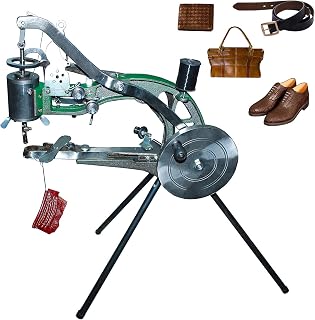
(the Latest Upgraded Version 10 -Bearings) Shoe Repair Hand Sewing Machine, Shoe Cobbler Machine with Nylon Line, Manual Mending for Shoes/Bags/Clothes/Quilts/Coats/Trousers
Check PriceWhat Makes a Shoe Sewing Machine Different From a Regular Sewing Machine?
Shoe sewing machines are built with significantly stronger motors, heavier duty needle systems, and specialized presser feet designed to grip thick leather without slipping. The post bed or raised platform configuration on shoe machines provides access to footwear interiors that standard flat bed machines cannot reach. Needle sizes on shoe equipment range much larger, typically from size 18 to 24, to penetrate multiple leather layers without bending or breaking under pressure.
Can I Sew Shoe Soles With a Manual Cobbler Machine?
Yes, manual cobbler machines can sew through shoe soles, though thicker soles may require pre punching stitch holes with an awl for smoother operation. Using the correct needle size and strong nylon or polyester thread rated for sole stitching prevents thread breakage during the process. Patience and steady hand cranking produce results comparable to motorized machines when attaching soles.
How Much Should I Budget for a Quality Shoe Sewing Machine?
Entry level manual cobblers start around one hundred fifty to two hundred fifty dollars, while electric models range from three hundred to eight hundred dollars for reliable units. Professional industrial shoe sewing machines with full tables and servo motors typically cost between one thousand and three thousand dollars. Investing in a machine with upgraded bearings and a solid warranty often saves money on repairs and replacements over the long term.
What Maintenance Do Shoe Sewing Machines Require?
Regular oiling of all moving parts every eight to ten hours of operation keeps the machine running smoothly and prevents premature wear on bearings and shafts. Cleaning lint and leather dust from the feed mechanism and bobbin area after each use prevents buildup that can affect stitch quality. Annual professional servicing for electric models ensures motors, belts, and electronic controls continue operating safely and efficiently.
Which Thread Type Works Best for Shoe Sewing Machines?
Bonded nylon thread provides the highest strength and abrasion resistance for shoe construction, making it the industry standard for soles and high stress seams. Cotton wrapped polyester threads offer a traditional appearance with modern durability and work well for upper stitching and decorative elements. Always match thread thickness to needle size, using heavier threads for structural seams and lighter threads for visible topstitching.
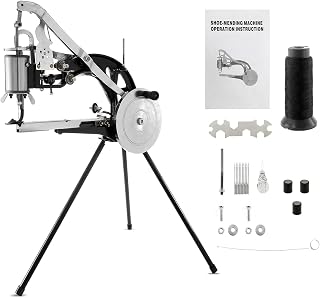
IRONWALLS Leather Cobbler Manual, Heavy Duty Hand Shoe Repair Mending Sewing Machine with Needles, Leather Stitching Sewing Machine for Canvas Cotton Linen, Bags, Cloths, Tents
Check PriceSelecting the right shoe sewing machine transforms both the quality and efficiency of footwear repair and construction work. From the precision of a manual 10 bearing cobbler to the relentless power of an industrial post bed system, each machine type serves a distinct purpose in the shoemaking ecosystem. Take time to evaluate your specific needs, workspace constraints, and budget before making a purchase decision. The perfect machine is the one that aligns with your skill level today while offering room to grow as your expertise expands.
Remember that even the finest machine requires proper maintenance, quality thread, and regular practice to deliver its best performance. Start with simple projects that build your confidence, then gradually tackle more complex repairs as your familiarity with the equipment deepens. Whether you choose a humble manual cobbler or a complete industrial workstation, the satisfaction of restoring beloved footwear and creating new shoes from scratch makes the journey worthwhile. The world of shoe sewing machines welcomes everyone from weekend hobbyists to dedicated professional craftspeople.
