
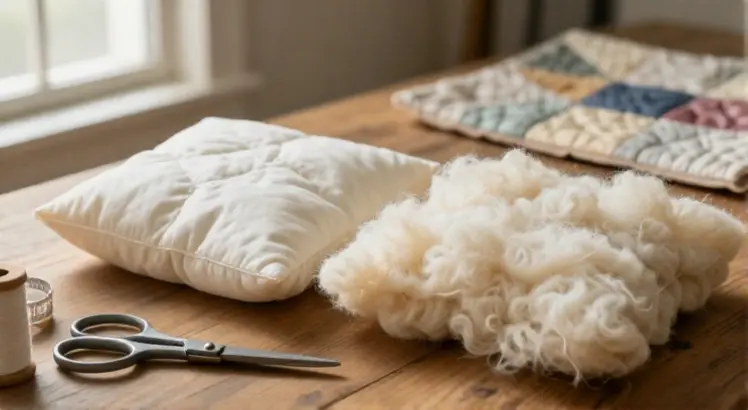
Is cotton or wool batting better for your next quilt? The answer depends on warmth, weight, care, and budget. Both fibers bring unique strengths to a quilting project. This guide helps you compare the two materials side by side.
What Is Cotton Batting?
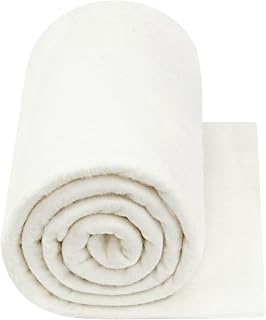
PLANTIONAL 79×91 Natural Cotton Batting
Check PriceCotton batting comes from natural cotton fibers. It creates a soft, breathable layer inside quilts. Many quilters love its traditional crinkle after washing. Cotton batting is widely available in many lofts and sizes.
Cotton tends to be heavier than polyester but offers a classic drape. It holds warmth well for cool nights. Cotton also breathes, so it can feel comfortable across seasons. If you want vintage texture, cotton is a strong choice.
Needle and pin piercing is easy with cotton. The fibers cling gently to fabric, reducing shifting. This makes cotton batting forgiving for beginners. Some cotton blends need prewashing to control shrinkage.
What Is Wool Batting?
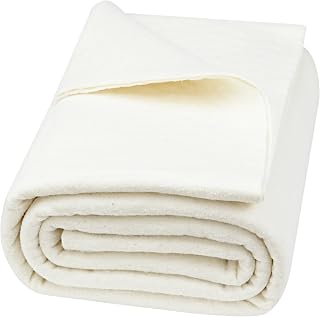
PLANTIONAL 47×59 Grinding Natural Cotton Quilt Batting
Check PriceWool batting comes from sheep fleece that is cleaned and carded. It creates a lofty, resilient layer. Wool batting feels light but insulates impressively. Many quilters choose wool for its natural temperature regulation.
Wool wicks moisture away from the body. It keeps sleepers warm in winter and cooler in summer. This makes wool batting a year round option. Wool also resists creases and wrinkles better than many fibers.
Wool batting is usually more expensive than cotton. It requires careful washing to avoid felting. However, many wool battings are washable with mild soap. Always check the manufacturer label before cleaning.
Warmth and Insulation Compared
PLANTIONAL 47×59 Lightweight Natural Cotton Batting
Check PriceWool provides more warmth per ounce than cotton. It traps body heat inside tiny air pockets. Cotton insulation relies on density and layering. For very cold climates, wool batting often wins.
Cotton can still deliver enough warmth for most indoor quilts. It works well in mild to cool conditions. If you sleep hot, cotton may feel cooler than wool. Wool can sometimes feel too warm in summer.
Consider your local climate and quilt use. A quilt for winter snuggling benefits from wool. A lightweight summer quilt may prefer cotton. You can also choose a lower loft wool to reduce heat.
Weight and Drape Differences
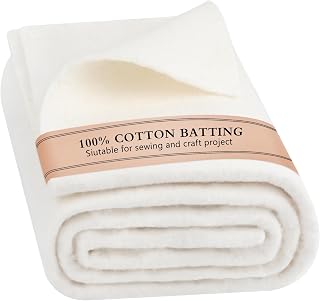
Hoiny 47×59 Natural Cotton Crib Batting
Check PriceCotton batting has a heavier, denser feel. It drapes close to the body and gives a weighted blanket effect. Wool batting is lighter and springier. It adds loft without feeling bulky.
If you like a quilt that wraps tightly around you, cotton is ideal. Wool offers more puff and a plush look. The drape affects how the quilt hangs on a bed. Choose cotton for sleek drape or wool for airy loft.
Some sewers blend fibers to get both qualities. A cotton and wool blend can balance weight and resilience. Blends are less common but worth testing. Always buy a small sample before committing to a large quilt.
Ease of Quilting and Stitch Definition
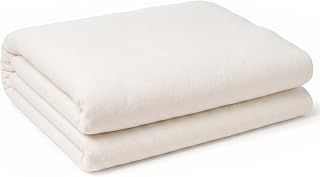
Zipcase 90×108 Queen Natural Cotton Batting
Check PriceCotton batting is known for excellent stitch definition. Hand quilting needles glide through cotton easily. Wool batting also needles well but feels springier. Both fibers give satisfying results for hand and machine quilting.
Wool batting has more loft, so quilting lines puff up around stitches. Cotton lies flatter and shows a crisper crinkle. Dense quilting compresses both fibers but changes their texture. Experiment on a small sandwich to see which look you prefer.
Cotton batting can shift more if not basted well. Wool batting tends to cling to fabric, reducing shifting. Use safety pins or spray baste for either fiber. Proper basting solves most slipping problems.
Care and Durability
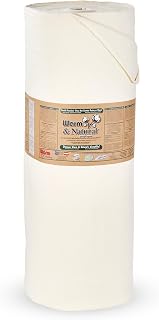
The Warm Company Warm & Natural Cotton Quilt Batting Roll
Check PriceCotton batting is generally machine washable and durable. It may shrink a little after the first wash. Some quilters prewash cotton to control shrinkage. Cotton can crease but softens over time.
Wool batting requires more careful laundering. Many wool battings are washable but need gentle cycles. Harsh agitation can felt wool fibers. Always air dry or use low heat to protect wool.
Both fibers last for many years with proper care. Cotton may thin slightly with frequent washing. Wool retains loft longer and resists flattening. Choose cotton for easy care or wool for long term fluff.
Cost and Availability
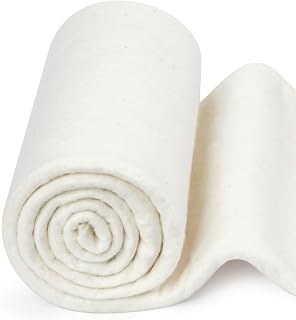
FIVEIZERO 47-inch x 1 Yard Natural Cotton Batting
Check PriceCotton batting is typically affordable and easy to find. You can buy cotton batting at most craft and fabric stores. Wool batting costs more because of limited supply and processing. Big box stores may carry fewer wool options.
Budget conscious quilters often prefer cotton. A queen size cotton batting can be very economical. Wool is an investment but can elevate a special quilt. Consider how much you will use the finished quilt.
Look for sales or smaller crib sizes to test fibers. Many brands offer cotton and wool in multiple lofts. Your local quilt shop may stock both. Online retailers also sell sample packs.
Which Batting Should You Choose?
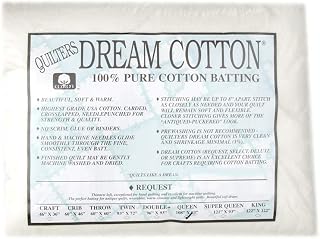
Quilter’s Dream Cotton White Request Queen Batting
Check PriceChoose cotton if you want classic drape, easy washing, and budget friendly quilting. It suits everyday quilts and beginners. Choose wool if you want lightweight warmth, high loft, and moisture control. Wool works well for heirloom and winter quilts.
If you live in a humid climate, wool can help regulate temperature. Cotton may feel cooler but dries slower. If you prefer a heavy quilt, cotton is the better match. If you want a puffy quilt, wool is the winner.
For more options, check this guide to the best quilt batting. Think about the person who will use the quilt. A child’s quilt may need frequent washing, so cotton is easier. An adult bed quilt for winter can handle wool.
FAQ
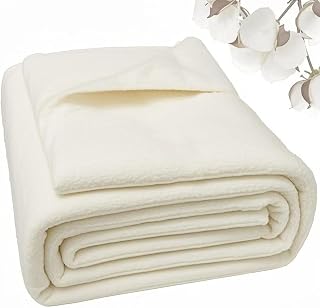
Generic 68×86 Lightweight Natural Cotton Batting
Check PriceIs cotton or wool batting better for beginners?
Cotton batting is easier to find, less expensive, and machine washable. It is slightly denser and may shift without enough pins. Wool is forgiving but costs more and needs care. Most beginners start with cotton and love the results.
Does wool batting shrink more than cotton?
Wool batting can shrink if washed in hot water or agitated. Cotton batting may shrink a small amount after the first wash. Both fibers benefit from following the manufacturer’s instructions. Prewashing can reduce surprises in either material.
Can I mix cotton and wool batting?
You can layer two battings, but this adds weight and bulk. A better option is choosing a blended batting. Blends combine cotton drape with wool loft. Test a small piece before quilting a large project.
Which batting is better for hand quilting?
Cotton batting is a favorite for hand quilting because needles slide through easily. Wool batting also needles well and has more spring. If you want a flat, traditional look, choose cotton. For a puffy finish, choose wool.
Conclusion
PLANTIONAL 79×91 Grinding Natural Cotton Quilt Batting
Check PriceCotton batting wins for affordability, easy care, and classic drape. Wool batting wins for lightweight warmth, moisture control, and long lasting loft. The better choice depends on your project, climate, and washing habits.
Test both fibers on small quilt sandwiches before starting a large quilt. This helps you understand needle feel and finished texture. Your local quilt shop can recommend brands. Both cotton and wool can create beautiful, cozy quilts.
For more guidance, explore what quilt batting is used for. You can also visit CottonWorks for detailed fiber information. Happy quilting.
