Spending hours hunched over a sewing machine takes a toll on your body. Back pain, stiff necks, and numb legs are common complaints among dedicated sewists. The right chair can transform your craft room experience, providing the support and adjustability you need to stay comfortable and focused. But with countless options available, finding the best chair for sewing room can feel overwhelming. That’s why we have tested and researched the top contenders to help you make the right choice.
Short Answer: After comparing dozens of options, the Lessmore Adjustable Height Sewing and Crafting Chair stands out as the best overall for most sewists, offering excellent back support, smooth wheels, and handy under-seat storage to keep your essentials within reach.
Best Chair For Sewing Room of 2026
After arranging your sewing space for productivity, selecting the right support for your body becomes essential for maintaining comfort during long stitching sessions. We previously explored ergonomic solutions in our guide on finding the best seating for extended sewing periods, which helps prevent fatigue when working on intricate projects. For a deeper understanding of proper posture, the principles of ergonomics on Wikipedia provide valuable context on how furniture design directly impacts physical wellbeing and long term health.
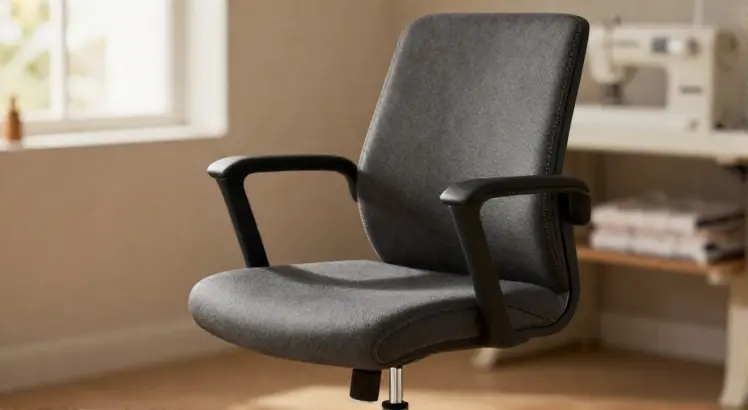
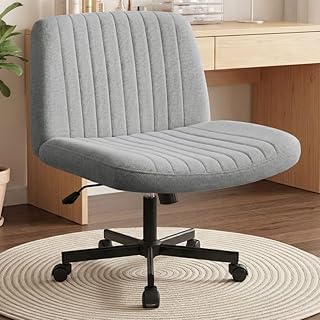
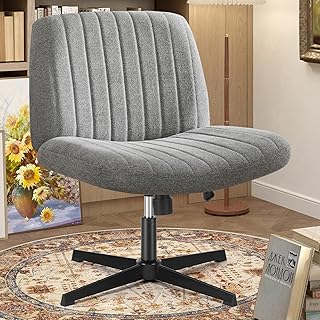
1. DUMOS Home Office Chair – Comfortable Armless Design with Wide Seat
Why it stands out
This chair delivers a rare combination of a wide, plush seat and armless design, allowing total freedom of movement while sewing. Its neutral grey fabric fits any decor, and the smooth-rolling casters make it easy to glide between your cutting table and machine.
Key points
- Extra-wide padded seat for long sessions
- Armless design prevents snagging on fabric or thread
- Pneumatic height adjustent suits standard and tall tables
- 360-degree swivel and smooth casters for easy mobility
Pros
- Spacious seating area remains comfortable after hours
- Simple assembly with clear instructions
- Classic grey fabric resists stains and pilling
- Weight capacity supports a wide range of users
- Quiet wheels protect hardwod floors
Cons
- No built-in storage for sewing notions
- Lacks adjustible lumbar support
Best for
Sewists who prioritize a roomy, unclutered seat and need to move frequently between stations.
2. Lessmore Adjustable Height Sewing and Crafting Chair – Wheels and Under-Seat Storage
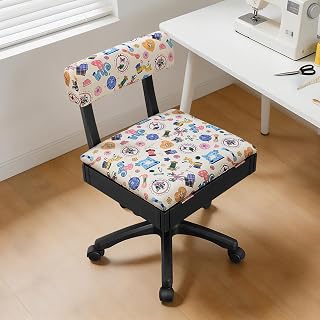
Lessmore Adjustable Height Sewing and Crafting Chair
Check Price Why it stands out
Pupose-built for craft rooms, this chair combines ergonomic back support with a hidden storage comartment under the seat. The pattern-beige upholtery adds a charming, inspring touch while the seat lifts to reveal space for scissors, thread, and small projects.
Key points
- Adjustible backrest reduces spine fatigue
- Under-seat storage keeps essentials within arm’s reach
- Smooth-rolling wheels lock if needed
- Pneumatic lift handles various table heights
Pros
- Clever storage maximizes small craft room apace
- Curved back support promotes excellent posture
- Attactive pattern blens with home deor
- Sturdy base feels planted, not wobbly
- Assembles quickly with basic tools
Cons
- Seat cushion may firm up over extended use
- Storage comartment liner could be more durable
Best for
Enthusiastic sewists who want organzation and back relief without sacrificing style.
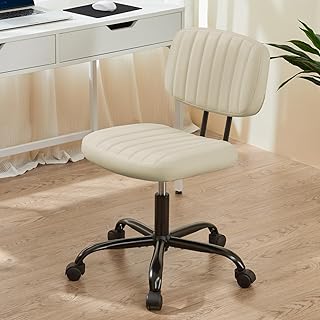
3. Sweetcrispy Small Vanity Chair – Armless PU Leather with Lumbar Support
Why it stands out
This compact chair proves you don’t need a bulky seat to get genuine lumbar support. The PU leather covering wipes clean in seconds, ideal for craft rooms where stray threads and fabric debris accumulate, and its beige white finish brightens small spaces.
Key points
- Contoured backrest adds lower spine reinforcement
- Seamless PU leather resits dust and spills
- Armless silhouette slides under tables when not in use
- 360-swivel casters roll silently
Pros
- Lightweight frame easy to move room to room
- Buit-in lumbar curve prevents slouching
- Easy-clean surface ideal for glue and glitter projcts
- Afordable price point for bginning crafters
- Minimal assembly: just attach the base
Cons
- Seat depth shallow for taller users
- Not designed for all-day marathon sewing sessions
Best for
Casual sewists with limited floor space who want a styish, easy-maintenance chair.
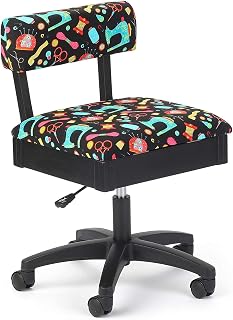
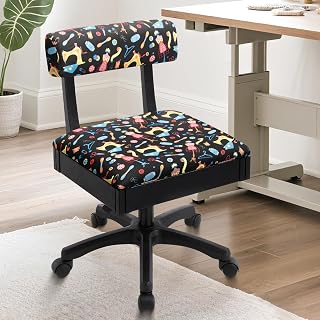
4. Arrow Sewing H7013B Adjustable Hydraulic Chair – Notions Print and Under-Seat Storage
Why it stands out
Known for its cheerful sew-themed print, this Arrow chair is a favorite among quilters and embroiders. The hydraulic lift adjusts smoothly, and the lift-up seat reveals generous storage for paterns, rulers, and rotary cutters.
Key points
- Unique sewing notions fabric print adds personlity
- Hidraulic mechanism allows easy height tning
- Deep storage bin keeps frequently-used tools handy
- Armless design perits unrestricted arm movement
Pros
- Delightful aesthetic livers up any sew room
- Sturdy steel base handls heavy use
- Lift-top seat opens quietl and stays secure
- Padded cushion retans shape over time
- Optimal height range for standard sew machine tables
Cons
- Storage area lacks dividers for organzation
- Wheels could roll better on thik rugs
Best for
Sewing enusiasts who want a dedicated craft chair that reflects their pashion and offers practical hidden storage.
5. Boss Office Products B315-BE Perfect Posture Delux Task Chair – Armless Fabric with Blue Upholtery
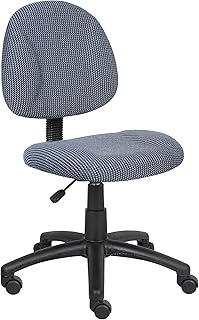
Boss Office Products B315-BE Perfect Posture Delux Task Chair
Check Price Why it stands out
The contoured back shape on this Boss chair encourages properly aliged posture, a must for long sewing stretches. Its durable blue fabric resists fading and the sturdy construcion supports up to 250 pounds while remaining compact.
Key points
- Ergonomic back curve helps maintain natural spine curve
- Thick padded seat reduces pressure on thighs
- 5-star base with dual-wheel casters for stability
- Adustable height fits desks from 27 to 30 inches
Pros
- Commercial-grade construction means it lasts for years
- Breathable fabric prevents overheating
- No arms to interfere with fabric guidance
- Simple classic look blends into any craft room
- Quet swivel and rolling motion
Cons
- Limited color options (blue only)
- No built-in storage features
Best for
Those who prioritize posture and need a heavy-duty chair without extra frils.
6. Orange Factory Criss Cross Chair – Wide Fabric Seat with Cross-Leged Capability
Why it stands out
Designed for those who like to sit with legs folded, this chair features an extra-wide, flat seat that accommodates criss-cross comfortably. The grey fabric and silent wheels make it a versatile addition to a sewing nook.
Key points
- Wide seat pan supports cross-leged postures
- 360-swivel allows easy turning to grab supplies
- Smooth caster wheels move quietly on hardwoo and tile
- Cusion thickness provides ample support even when shifting
Pros
- Creat freedom to change sitting positions
- Fabrc material feels soft and warm
- Low back doesn’t restrict movement
- Sturdy enough for quick tasks at the cuting table
- Assembles in under 15 minutes
Cons
- No lumbar support for upright sewing
- Wheels may lock unintentionally on thick carpets
Best for
Sewists who prefer unusual sitting styles and need a flexible, spacious perch.
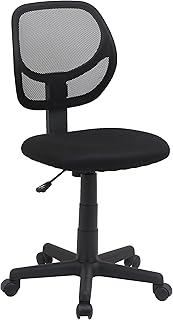
7. Amazon Basics Low Back Office Chair – Breathable Mesh Height Adjustable with Swivel
Why it stands out
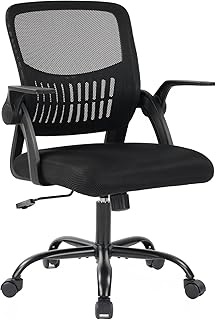
Reliabilty and simplicity define this Amazon Basics option. The mesh back keeps you cool during intense sewing sessions, and the straightforward pneumatic adjustment makes it easy to find the right height for any machine table.
Key points
- Breathable mesh backreduces sweat buildup
- Padded fabric seat balances comfort and airlow
- BIFMA-certified for safety and durability
- Fits under most desks and sewing cabinets
Pros
- Excellent value for budget-conscious sewists
- Mesh resists lint and pet hair
- Light enough to carry between rooms
- Seat cushion holds up weel under daily use
- Simple black finish matches any decor
Cons
- No armrests may fatigue shoulders over time
- Backrest height not ideal for taller users
Best for
Beginners or occasional sewists looking for a reliable, no-frils chair at a low price.
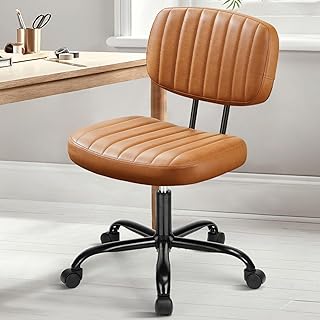
8. DUMOS Small Desk Chair – Armless PU Leather with Lumbar Support
Why it stands out
This compact brown leather chair punches above its weight with integrated lumbar support and a soft, upholtered backrest. It’s a smart choice for small sewing corners where a fullsized chair would dominate the space.
Key points
- PU leather surface cleans easily with a damp cloth
- Lumbar curve molded into the back shell
- Seat height adjusts from 16.5 to 20 inches
- Smooth-rolling casters work on most floor surfaces
Pros
- Dark brown color hides stray marks and dust
- Soft padding reduces pressure on lower back
- Armless design alows easy access to pedal
- Very affordable for sewists on a tight budget
- Lightweight; easy to move when not in use
Cons
- Leather may feel sticky in hot weather
- Seat cushion on the firmer side
Best for
Sewists with minimal apace who want back support and a touch of style.
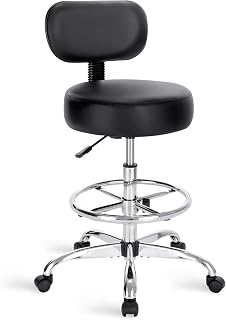
9. SUPERJARE Drafting Chair with Backrest – Adjstable Foot Rest Rolling Stool
Why it stands out
If your sewing setup includes a high cutting table or standing desk, this drafting chair rises to the challenge. The adjustable foot ring provides a perch for your feet, reducing leg fatigue when working at elevated surfaces.
Key points
- Seat height adjusts from 21 to 29 inches
- Foot rest ring adjusts independently for custom fit
- Thick cushioned seat retains shape after compresion
- 5 casters with chrome foot ring for stability
Pros
- Ideal for tall cutting tables and standng desks
- Foot ring relives pressure on thighs
- Sturdy enough for hobby and professional use
- Black leatherete cleans in seconds
- Rolls smoothly even when fully extended
Cons
- Higher price point than standard sewing chairs
- Foot ring may feel intrusive for shorter users
Best for
Sewists with elevated work surfaces or those who alternate between sitting and standing.
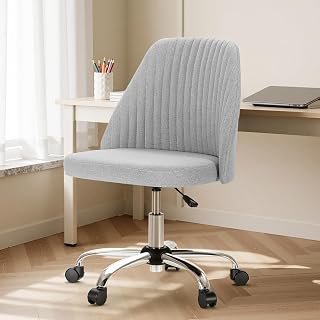
10. OLIXIS Criss Cross Chair – Armless Wide Seat No Wheels Vanity Chair
Why it stands out
This stationary chair invites relaxed, cross-leged sewing. With no wheels, it stays put on hard floors, and the wide, fabric seat accommodates various sitting positions while maintaining a modern look.
Key points
- No wheels means zero accidental rolling
- Seat width fits hips up to 20 inches across
- Height adjusts via gas lift from 16 to 20 inches
- Soft grey fabric blends with craft room decor
Pros
- Perfect for uneven floors where wheels would slip
- Stays anchored when you lean to reach supplies
- Soft fabric and padding feel like an accent chair
- Simple asembly: just screw on the base
- Lightweight enough to carry upstairs
Cons
- Cannot roll between stations; must be lifted
- No backrest lumbar support
Best for
Sewists who prefer a stationary perching spot and value a wider seat over mobility.
11. DUMOS Office Chair – Ergonomic with Flip-up Armrest and Rocking Mode
Why it stands out
This chair bridges the gap between office ergonomics and craft room demands. Flip-up armrests tuck out of the way for free arm movement, while the rocking mode lets you gently recline during hand-sewing breaks.
Key points
- Armrests rotate up 90 degrees to vanish
- Adjustible lumbar support sits behind mesh back
- Rocking fature with tension control for micro-breaks
- 360-swivel and smooth casters for full mobility
Pros
- Flip arms give best of both worlds: support when needed, freedom when sewing
- Mesh back keeps airflow circulating
- Rocking motion relives static pressure on spine
- Heavy-duty base rated for daily use
- Sleek black design fits modern craft rooms
Cons
- Armrest pads are not padded; may feel firm
- Asembly require patience for the arm mechanis
Best for
Sewists who also use the chair for desk work and want a multifunctional seating solution.
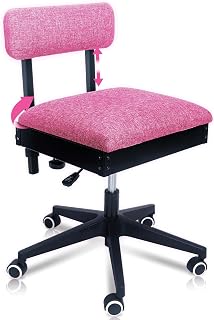
12. Pink Power Sewing Chair – Adjustible Back Support Hydraulic Armless Craft Chair
Why it stands out
Built spcifically for sewists, quilters, and artists, this pink chair delivers ergonomic support without arms. The adjustable backrest lean lets you tilt to the perfect angle, reducing strain during detailed handwork or machine sewing.
Key points
- Adjustible backrest angle provides custom spinal support
- Pink upholtery adds a cheerful, femine touch
- Hydraulic lift adjusts from 15 to 20 inches
- Armless design for complete freedom of movement
Pros
- Designed with feedback from real sewists
- Backrest tilt locks securely in position
- Firm padding supports extended sessions without bottoming out
- Wheels roll smoothly over carpet and hardwoo
- Encourages proper pelvic aligment
Cons
- Pink color may show dirt more easily
- Seat cushion may feel firm initially
Best for
Enthusiastic sewists who want a dedicated, supportive chair that matches their creative personality.
13. Ultrahome Wood Sewing Chair with Storage – Adjustible Height Crafting Chair Pattern-Yelow
Why it stands out
With real wood accents and a charming pattern-yellow fabric, this chair adds a warm, farmhouse feel to your sew room. Under-seat storage lifts up easily, and the solid wood base offers a stable, non-wobbly foundation.
Key points
- Lift-top seat provides hidden storage for tools
- Wood construction adds vintage charm and stability
- Pneumatic height adjustment fits standard sewing tables
- Swivel allows easy access to all sides of your work area
Pros
- Unque aesthetic stands out from bland office chairs
- Storage bin holds more than expected
- Heavy wood base minimizes tipping
- Cushion firmness balances comfort and support
- Easy to wipe down fabric
Cons
- Wood may require occasinal tightening of screws
- Heavier than all-metal alternatives
Best for
Sewists who want furniture that doubles as decor and appreciate traditional craftmanhip.
How to Choose the Best Chair for Your Sewing Room
Selecting the best chair for sewing room starst with understanding your workflow.
Consider your typical sewing posture: do you lean forward over the machine, sit upright for hand stiching, or alternate between tasks? The chair must complement these movements.
Height adjustability is non-negotiable, your feet should rest flat on the floor, and your knees should be at a 90-degree angle when your hands are on the machine. An armless design is often preferred because arms can snag fabric and restrict your sewing arm’s motion, but flip-up armrests offer a compromise if you also use the chair for desk work.
Back support matters more than many realize. A contoured lumbar region reduces the tendency to hunch, which can lead to upper back and neck pain. If you sew for hours, look for chairs with an adjustable backrest angle or built-in lumbar curve.
Seat comfort is another priority: a wide, well-padded seat prevents pressure points on your thighs. For crafters with limited storage, chairs with under-seat compartments become a game changer, keeping scissors, thred, and foot pedals within easy reach.
Finally, consider mobility: rolling casters help you glide between ironing board, cutting table, and machine, but choose wheels that won’t scratch your floor and that lock if needed. Measure your sewing table height to ensure the chair’s height range machesn, usually between 15 and 20 inches for standard setups. By alining these factors with your specific needs, you will craft a setup that reduces fatigue and boosts productivity.
Mistakes to Avoid When Buying a Sewing Chair
One common pitfall is prioritizig style over function. A beautiful vanity chair might look lovely in the room, but if it lacks proper height adjustment or padding, you will dread long sewing sessions. Another mistae is ignoring the seat depth and width. A seat that is too shallow makes you feel unsupported; one too deep forces you to slide forward, undermining back support.
Always check product dimensions against your body size. Many sewists also overlook the importance of a swievel feature. A stationary chair requires you to twist your spine to reach supplies, which can cause strain over time. A 360-swivel lets you turn safely without contorting.
Don’t assume all wheels are equal. Hard plastic casters can mar hardwoo floors and snag on rugs. Look for rubbercoated wheels that roll quietly and won’t leave marks. Also, avoid buying a chair without testing the height range against your table.
A chair that won’t lower enugh leaves your feet dangling, impairing circulation. Finally, do not neglect the weight capacity. A chair that sits at its limit wears out faster and feels unstable. Invest in a model rated for at least 250 pounds if multiple people will use it. By sidestepping these mistae, you will choose a chair that truly supports your craft for years.
Frequently Asked Questions About Sewing Chairs
- Why is an armless chair better for sewing?
Arms can catch fabric, limit your range of motion, and prevent you from sitting close to the machine. Armless designs give you unstructed arm movement for guiding fabric and reaching the foot pedal comfortably.
- What is the ideal seat height for a sewing chair?
Moast sewists prefer a seat height between 15 and 20 inches, but it depends on your table. Your elbows should be at the same level as the machine bed to avoid shrugging shoulders.
- Do I need wheels on my sewing chair?
Wheels are helpful if you move between a sewing machine, cuting table, and ironing board. However, if you have uneven floors or prefer a stationary perch, a chair without wheels can work better.
- Can I use an office chair for sewing?
Yes, but remove or flip up the armrests if possible. Office chairs often lack the specialized storage and fabric-friendly designs of dedicated craft chairs, so vest your specific needs.
- What fabric is easiest to clean for a craft room?
PU leather and vinyl wipe clean with a damp cloth, making them ideal for messy projects. Fabric chairs should have tight-woven, dark-colored upholtery that hides stains and lint.
- How do I prevent back pain while sewing?
Chose a chair with lumbar support or an adjustable backrest angle. Also, ensure your feet are flat on the floor or a footrest and take senquent micro-breaks to stand and stetch.
- Is under-seat storage useful for sewists?
Abslutely. It keeps frequently used tools like scissors, seam rippers, and thread within reach, reducing clutter on your work surface and minimizing interuptions.
- What weight capacity should a sewing chair have?
Look for chairs rated for at least 250 pounds for stability and longevity. Heavier-duty models may support 300-40 pounds and provide a more planted feel.
- Are drafting chairs suitable for sewing?
Yes, especially if you use a high cutting table or standing desk. The extended height range and foot ring keep you comfortable at elevated surfaces.
- How often should I replace my sewing chair?
If the cushion loses its resilience, the hydraulic lift fails, or the casters wear out, it’s time for a replacement. With good care, a quality chair can last 5-10 years.
Conclusion
Investing in the best chair for sewing room is one of the smartest movs you can make for your health and creativity. The right seat reduces back pain, improves posture, and keeps you focused on your projcts rather than discomfort. From armless, storage-equipped designs like the Lessmore and Arrow models to versatile options like the DUMOS with flip-up armrests, there is a chair for every sewist’s space and style.
Prioritize adjustability, support, and mobility to match your workflow. Remember that a well-chosen chair will not only elevat your craftsmanship but also make every stitch more enjoyable. Take the time to measure your space, consider your typical tasks, and choose a model that aligns with your needs. Your body, and your sewing, will thank you.
When fine tuning your workstation setup, the height of your seat relative to the sewing table dramatically affects your precision and shoulder strain. Our detailed breakdown of proper sewing chair height adjustments walks you through the ideal measurements to keep your elbows at a perfect ninety degree angle. This resource is especially useful for quilters and garment makers who need to see their needlework clearly without hunching forward or losing control of the fabric feed.