
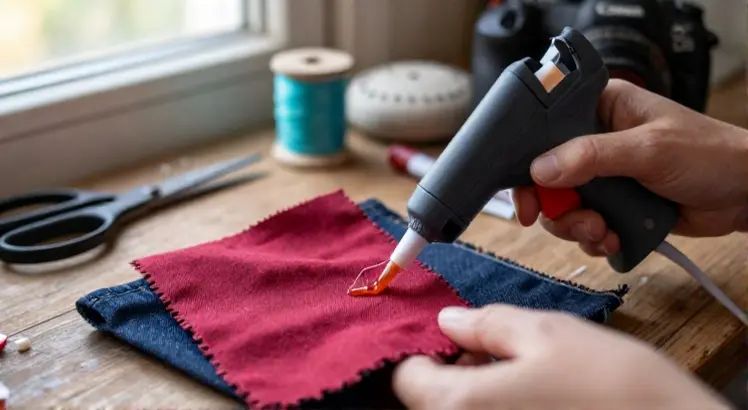
If you have ever found yourself mid-project without a needle and thread, you have probably asked: can i use hot glue for fabric? The short answer is yes, you can. But the real question is whether you should. Hot glue is a fast and convenient adhesive, but fabric is a tricky material. It flexes, stretches, and often needs washing. Before you squeeze that trigger on your glue gun, there are several things you need to understand about how hot glue behaves with different textiles, when it works, and when it will leave you with a stiff, peeling mess.
Understanding Hot Glue and Fabric Compatibility
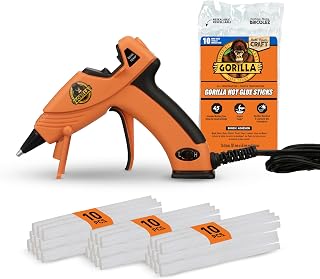
Gorilla Mini Hot Glue Gun Kit
Check PriceHot glue, also known as hot melt adhesive, is a thermoplastic adhesive that melts when heated and solidifies as it cools. It works by seeping into the tiny crevices of a surface and hardening to create a mechanical bond. With porous materials like wood or paper, this works beautifully. Fabric, however, is different. It is made of woven or knitted fibers that move independently.
When you apply hot glue to fabric, the bond is only as strong as the surface grip it can achieve. On smooth, tightly woven fabrics, the glue may sit on top rather than penetrating the fibers. On loose, textured weaves, it can grip better but may still crack or peel over time. Understanding this basic chemistry is the first step in deciding whether hot glue is right for your project.
Before diving deeper, it helps to know whether hot glue actually bonds with fabric fibers or simply creates a temporary hold. The answer depends heavily on the fabric type, the glue formulation, and how the item will be used after the repair or decoration is made.
When Hot Glue Works Well on Fabric
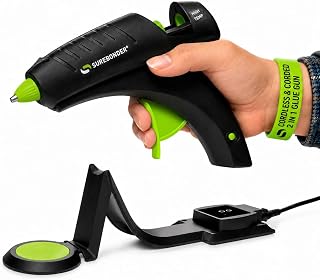
Surebonder Cordless Hot Glue Gun
Check PriceThere are specific scenarios where hot glue can be a surprisingly effective solution for fabric projects. Knowing these situations will help you use hot glue with confidence and avoid unnecessary frustration.
Quick Costume Fixes and Cosplay
Costume makers and cosplayers frequently reach for hot glue because it sets in seconds and holds costume pieces together long enough for a convention or photo shoot. When you need to attach foam armor to a fabric bodysuit or secure a hem on a costume that will only be worn once, hot glue is a practical choice. The key is that these items are rarely laundered, so the bond does not need to survive washing.
No-Sew Crafts and Home Decor
For decorative pillows, fabric-covered picture frames, wreaths, and other home decor items that will not be handled frequently, hot glue performs admirably. It can attach fabric to rigid backings like cardboard or wood with ease. The bond is strong enough for display purposes and saves significant time compared to sewing. Many crafters use hot glue to create ruffles, rosettes, and fabric flowers that hold their shape beautifully.
Temporary Hemming and Last-Minute Repairs
If you are in a pinch and need a hem to stay up for a few hours, hot glue can work as an emergency fix. This is not a permanent solution, but it can save the day when you are rushing out the door. Just be aware that the glue will create a stiff line along the fabric, and sitting or moving may cause it to crack or separate.
Attaching Embellishments
Sequins, rhinestones, beads, and patches can all be attached to fabric with hot glue. The adhesive grabs the small, rigid surfaces of these embellishments and holds them in place effectively. For costumes, dance recital outfits, and craft projects, this method is widely used and generally reliable as long as the garment is hand-washed gently or spot-cleaned.
When You Should Avoid Hot Glue on Fabric
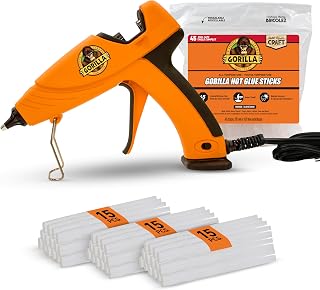
Gorilla Hot Glue Gun Kit
Check PriceJust as important as knowing when hot glue works is understanding when it does not. Using hot glue in the wrong situation can ruin both your fabric and your project.
Delicate and Sheer Fabrics
Silk, chiffon, organza, and other delicate fabrics are terrible candidates for hot glue. The high heat can scorch, melt, or discolor these materials instantly. Even if the fabric survives the temperature, the glue will create a hard, visible lump that ruins the drape and elegance of the textile. For these fabrics, sewing or specialized fabric glue is always the better option.
Stretchy and Elastic Materials
Spandex, lycra, jersey knit, and any fabric with significant stretch will not bond well with hot glue. The adhesive hardens into a rigid state, but the fabric wants to stretch. This mismatch causes the glue to crack, pop off, or tear the fabric fibers. If you are working with stretchy materials, you need a flexible adhesive specifically designed for elastic textiles.
Items That Need Regular Washing
Hot glue and washing machines do not mix. The combination of water, detergent, and agitation will break down the glue bond quickly. Even if the glue survives one wash cycle, repeated laundering will cause it to peel away. If you are repairing clothing that will be worn and washed regularly, sewing or permanent fabric glue is a far more durable choice.
Heavy Fabrics and Load-Bearing Seams
Denim, canvas, upholstery fabric, and other heavy materials put significant stress on any adhesive bond. Hot glue lacks the tensile strength to hold these fabrics together under tension. A seam that bears weight or strain, such as a pants crotch or a bag strap, will fail quickly if repaired with hot glue. These applications require stitching or industrial-strength fabric adhesives.
Best Types of Hot Glue for Fabric Projects
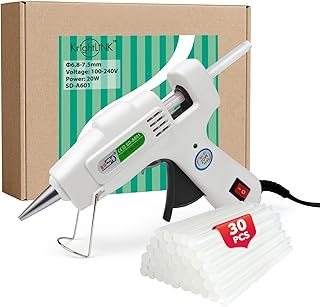
Krightlink Mini Hot Glue Gun Kit
Check PriceNot all hot glue sticks are created equal. If you decide to use hot glue on fabric, choosing the right type of glue stick makes a significant difference in the quality and durability of the bond. Spending time selecting the best hot glue sticks for fabric can save you from peeling edges and failed bonds later.
Standard Clear Glue Sticks
These are the most common and widely available hot glue sticks. They work adequately for basic craft projects on cotton, polyester blends, and other medium-weight fabrics. However, they tend to be more brittle and less flexible than specialized formulations. They are best for projects that will not be handled much.
Low-Temperature Glue Sticks
Low-temperature hot glue melts at a lower point and is safer for heat-sensitive fabrics like lace, tulle, and some synthetics. It reduces the risk of burning or melting the material. The trade-off is that the bond is slightly weaker than high-temperature glue. Use low-temperature glue for lightweight fabrics and delicate embellishments.
Fabric-Specific Hot Glue Sticks
Some manufacturers produce hot glue sticks specifically formulated for fabric. These sticks remain more flexible after cooling and bond better with textile fibers. They are often labeled as washable fabric glue sticks, though the washability claim should be taken with a grain of salt. They are more durable than standard sticks and worth seeking out for fabric projects.
Colored and Specialty Sticks
Glitter glue sticks, colored sticks, and UV-reactive sticks are available for decorative projects. These work similarly to standard clear sticks but add a visual element. They are great for costume details and craft projects where the glue itself is part of the design.
How to Apply Hot Glue to Fabric Correctly
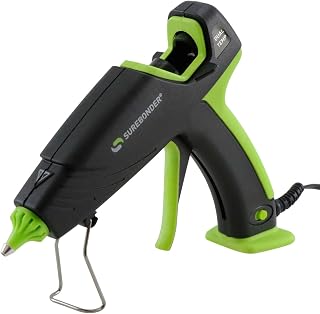
Surebonder Auto Shut Off Hot Glue Gun
Check PriceEven with the right glue sticks, poor application technique can ruin the bond. Follow these steps to get the best results when using hot glue on fabric.
- Preheat your glue gun fully. A half-heated gun produces weak, lumpy glue that does not bond well.
- Test on a scrap piece of fabric first. Check for heat damage, discoloration, and how well the glue grips the specific material.
- Apply the glue in thin, even lines rather than thick globs. Thick glue takes longer to cool and can seep through the fabric.
- Press the fabric pieces together firmly for 15 to 30 seconds while the glue cools and sets.
- Allow the glue to cure completely for at least 10 minutes before handling the item.
- Work in a well-ventilated area. Hot glue fumes can be irritating, especially when working with synthetic fabrics.
Hot Glue vs. Fabric Glue: Key Differences
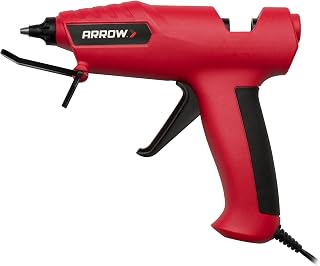
Arrow GT80 Professional Glue Gun
Check PriceMany crafters wonder whether they should use hot glue or dedicated fabric glue for their projects. The table below breaks down the key differences to help you decide.
- Drying time: Hot glue sets in seconds. Fabric glue can take hours to fully cure.
- Flexibility: Fabric glue remains flexible after drying. Hot glue hardens and becomes rigid.
- Washability: Many fabric glues are machine washable. Hot glue typically fails in the wash.
- Heat sensitivity: Hot glue can damage delicate fabrics with its high temperature. Fabric glue is applied cold.
- Precision: Fabric glue allows for precise application with a nozzle tip. Hot glue can be stringy and imprecise.
- Permanence: Fabric glue creates a permanent, washable bond. Hot glue is best for temporary or non-washable projects.
For lasting clothing repairs and items that need washing, fabric glue is the superior choice. Hot glue is better for quick fixes, crafts, and costume pieces that will not see the inside of a washing machine.
Can You Wash Fabric After Using Hot Glue?
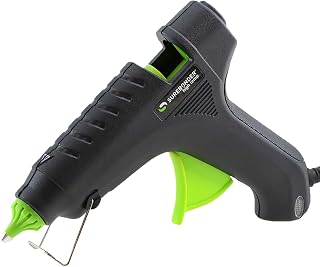
Surebonder H-270 Essentials
Check PriceThis is one of the most common questions people ask when considering hot glue for fabric. The honest answer is that hot glue is not designed to withstand machine washing. The heat, moisture, and mechanical action of a washing machine will almost always cause the glue bond to fail. Even if the glue holds through one gentle cycle, repeated washing will degrade it rapidly.
If you must clean an item that has hot glue on it, hand washing in cold water with minimal agitation is your safest option. Spot cleaning around the glued area is even better. Never put hot-glued fabric items in the dryer, as the heat will re-melt the adhesive and create a sticky, ruined mess.
Common Mistakes to Avoid When Using Hot Glue on Fabric
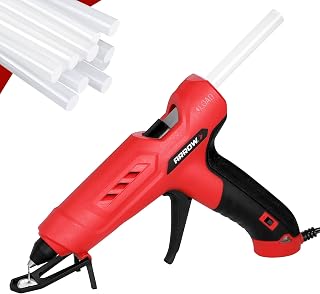
Arrow Full Size Dual Temp Glue Gun Kit
Check Price- Using too much glue, which seeps through the fabric and creates a hard, visible patch on the front side.
- Pressing the hot glue gun nozzle directly onto the fabric, which can scorch or melt synthetic fibers.
- Stretching the fabric while the glue cools, resulting in a distorted shape and weak bond.
- Skipping the test step and discovering too late that the glue discolors or damages the fabric.
- Expecting hot glue to hold up to the same stresses as sewn seams, which it simply cannot do.
Frequently Asked Questions
Can I use hot glue on fabric instead of sewing?
You can use hot glue as a substitute for sewing in certain situations, such as craft projects, costumes, and temporary fixes. However, hot glue is not a true replacement for sewing on garments that need durability, flexibility, or regular washing. For permanent clothing repairs, stitching is always the more reliable method.
Will hot glue ruin my fabric?
Hot glue can ruin delicate or heat-sensitive fabrics by scorching, melting, or leaving permanent hard spots. It can also discolor some materials. Always test on a hidden area before applying hot glue to visible sections of your project. For valuable or sentimental fabric items, avoid hot glue entirely.
What type of hot glue is best for fabric?
Low-temperature hot glue sticks or fabric-specific hot glue sticks are the best options for fabric projects. They reduce the risk of heat damage and provide a more flexible bond. Standard high-temperature glue sticks can work for sturdy fabrics like denim and canvas but are too harsh for delicate materials.
How long does hot glue last on fabric?
The lifespan of hot glue on fabric depends on how the item is used. On a decorative item that sits on a shelf, hot glue can last for years. On clothing that is worn and washed, it may last only a few hours or days. Hot glue is not a permanent solution for fabric items that experience regular handling or cleaning.
Can I remove hot glue from fabric if I make a mistake?
Yes, hot glue can sometimes be removed from fabric. Place the item in the freezer for about 30 minutes. The cold makes the glue brittle and easier to peel off. You can also use a cotton ball soaked in rubbing alcohol to dab the glue spot, which helps loosen the bond. Be gentle to avoid damaging the fabric fibers.
Tips for Better Results with Hot Glue on Fabric
- Always pre-wash fabric before applying hot glue. Sizing and finishes on new fabric can interfere with adhesion.
- Use a silicone mat or parchment paper under your work area to catch drips and prevent the fabric from sticking to your table.
- Work in small sections. Hot glue cools quickly, and you need to press pieces together before it hardens.
- Keep a bowl of ice water nearby. If you accidentally get hot glue on your skin, immediately submerge the area in cold water.
- Consider combining hot glue with stitching for extra strength on high-stress areas. The glue provides initial hold while the stitching adds long-term durability.
Many crafting experts recommend keeping both hot glue and fabric glue in your toolkit. Each adhesive has its strengths, and knowing when to use which one is a skill that develops with experience. For more detailed guidance on fabric adhesives, you can explore resources from trusted crafting publications that offer comprehensive comparisons and project ideas.
Conclusion
So, can i use hot glue for fabric? Absolutely, as long as you understand its limitations. Hot glue is a fantastic tool for quick fixes, craft projects, costumes, and decorative items that will not be washed or subjected to heavy wear. It is fast, accessible, and requires no special skills.
However, it is not a substitute for sewing when it comes to durable clothing repairs, stretchy fabrics, delicate textiles, or anything that needs to survive the washing machine. By choosing the right glue sticks, applying them correctly, and matching the adhesive to the project, you can get great results with hot glue on fabric. For everything else, keep a needle and thread or a bottle of quality fabric glue close at hand.
