
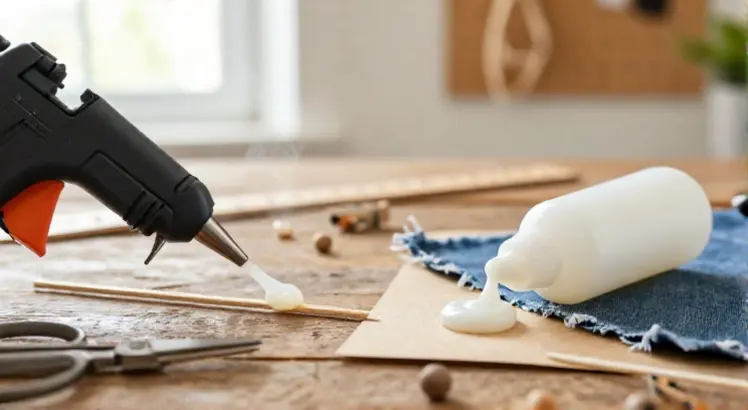
Is hot glue or cold glue better? When you stand in the craft aisle staring at glue guns and white liquid adhesives, that question pops up constantly. The quick answer is neither one wins outright. Hot glue and cold glue serve different purposes, and your project dictates the best choice. This guide will break down their strengths, weaknesses, and ideal uses so you never second-guess your pick again.
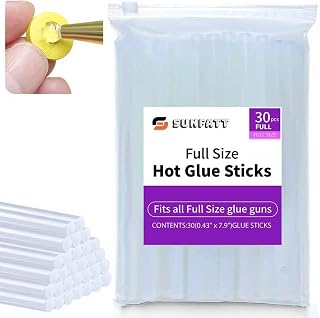
Full Size Hot Glue Sticks 30 Pack
Check PriceUnderstanding Hot Glue and Cold Glue
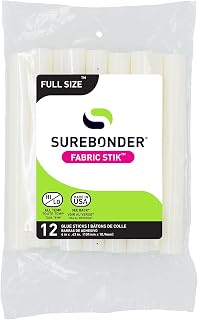
Surebonder Fabric Hot Glue Sticks
Check PriceWhat Is Hot Glue?
Hot glue is a thermoplastic adhesive that melts in a heated gun and solidifies as it cools. It forms bonds almost instantly, often within 30 to 60 seconds. Crafters love it for its speed and gap-filling ability. The sticks come in standard clear, colored, or specialty formulas like high-temperature, low-temperature, and even fabric-specific varieties. If you are curious how well it holds onto textiles, our guide on hot glue on fabric explains all the nuances.
What Is Cold Glue?
Cold glue is any liquid adhesive that works without heat. This category covers white PVA glues, fabric glues, tacky craft glues, super glues, and spray adhesives. Cold glue penetrates porous surfaces, dries through evaporation or chemical reaction, and often provides a more flexible bond. For apparel repairs and sewing substitutes, many sewists rely on cold fabric glues. You can browse the top fabric glues for clothing to see which formulas withstand washing and stretching.
Key Differences Between Hot Glue and Cold Glue
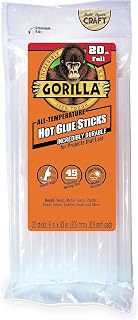
Gorilla Hot Glue Sticks Full Size
Check PriceBefore you squeeze a trigger or uncap a bottle, compare these core characteristics:
- Setting time: hot glue sets in seconds; cold glue takes minutes to hours.
- Bond strength: cold glue typically offers higher tensile strength on smooth surfaces; hot glue excels on rough or uneven surfaces.
- Flexibility: cold fabric glues stay pliable; hot glue hardens and can crack when bent.
- Precision: cold glue flows smoothly for detailed work; hot glue strings and is harder to control.
- Safety: no burn risk with cold glue; hot glue tips can reach 380°F and cause blisters.
- Cleanup: cold glue cleans with a damp cloth before drying; hot glue peels off but can mar delicate surfaces.
When to Use Hot Glue
Full Size Hot Glue Sticks 30 Pack
Check PriceHot glue shines in projects that demand instant grab and a strong temporary hold. Here are the scenarios where it outperforms cold glue:
Rapid Prototyping and Crafts
If you build dioramas, floral arrangements, or kids’ art projects, hot glue lets you keep moving. No clamping needed. It bonds wood, cardboard, foam, and fabric quickly, so you see results right away. The trade-off is that the bond can become brittle over time, making it less ideal for heirlooms.
Porous and Uneven Materials
Because hot glue fills gaps, it grabs onto textured surfaces like burlap, tree bark, or rough-edged cardboard better than many cold glues. It acts as both adhesive and filler. If you have ever repaired a wobbly chair leg with a glue gun, you already know this advantage.
Temporary Fixes and Fittings
Seamstresses often use low-temperature hot glue to baste zippers or trims before sewing. The glue holds pieces in place but can be peeled off after stitching. This trick saves time on tricky fabrics like chiffon or lace.
When to Use Cold Glue
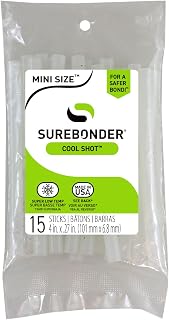
Surebonder Clear Cool Shot Low-Temp Mini Sticks
Check PriceCold glue is the workhorse for permanent, flexible, and washable bonds. Choose it whenever longevity matters.
Fabric and Apparel Repairs
For hemming jeans, patching holes, or attaching patches, cold fabric glue is king. It dries clear, remains soft after curing, and survives machine washing. Hot glue can melt synthetic fabrics and creates a stiff, scratchy seam. Always check the label for ‘washable’ and ‘no-sew’ if you plan to skip the needle.
Precision Bonding and Delicate Surfaces
When you glue paper, cardstock, or thin veneers, cold PVA glue spreads evenly without the mess of strings. It gives you working time to adjust placement. For scrapbooking, photo mounts, and bookbinding, cold glue is the gold standard.
Load-Bearing Joints and Curved Seams
Cold glues such as construction adhesive or two-part epoxy handle stress far better than hot glue. If your project will bear weight or flex repeatedly, you need a cold adhesive that cures into a tough but flexible film. Hot glue snaps under constant movement.
Hot Glue vs Cold Glue: Which Is Better for Fabric?
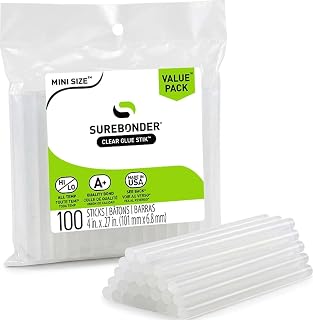
Surebonder All Purpose Mini Size 100 Pack
Check PriceThis is the most common battleground. The verdict: cold glue wins for wearables, hot glue wins for quick costume props. Cold fabric glue mimics the drape of fabric and allows you to sew through it if needed. Hot glue leaves a rigid residue that can irritate skin and gum up sewing machine needles. However, for a Halloween costume that needs to survive one night, hot glue is a fast, cheap fix. A balanced crafter keeps both on hand.
How to Choose the Right Adhesive for Your Project
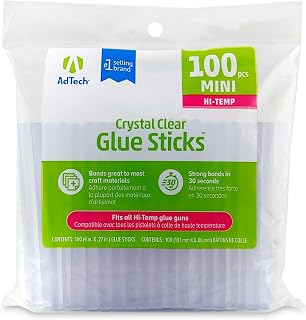
AdTech Hi-Temp Mini Hot Glue Sticks
Check PriceUse this decision path next time you ask, ‘is hot glue or cold glue better?’
- Do you need a bond in under one minute? Pick hot glue.
- Will the item be washed or worn? Choose washable cold fabric glue.
- Is the surface smooth and non-porous? Cold super glue or epoxy gives the strongest hold.
- Are you working with kids? Stick to cold glue sticks or tacky glue to avoid burns.
- Does the bond need to flex? Cold glue is the clear winner.
- Are you prototyping or basting? Hot glue’s instant grab saves time.
For an even deeper look at how adhesives behave across different materials, visit The Spruce Crafts’ detailed breakdown of types of craft adhesives. It is a fantastic resource when you encounter tricky surfaces like metal or glass.
Safety and Cleanup Tips for Both Glues
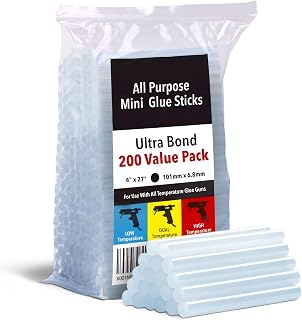
Artellius Mini Hot Glue Sticks 200 Pack
Check Price- Always use a protective silicone mat under hot glue projects. Drips peel off effortlessly.
- Never touch a hot glue tip. Keep a bowl of ice water nearby for accidental skin contact.
- Cold glue spills clean up with a damp cloth before they dry. Once cured, rubbing alcohol breaks down PVA residue.
- Ventilate your space when using super glues or spray adhesives; fumes can irritate eyes.
Frequently Asked Questions
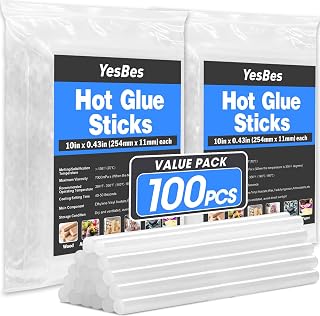
YesBes Full Size Clear Hot Glue Sticks
Check PriceCan you use hot glue on fabric instead of sewing?
Yes, but only for temporary or decorative projects. Hot glue makes fabric stiff and will not survive a wash cycle. For permanent no-sew hems, cold fabric glue is the right tool.
Does cold glue work on wood?
Absolutely. Yellow wood glue (a cold adhesive) creates a bond stronger than the wood itself when clamped properly. Hot glue is too weak for furniture or load-bearing joints.
Is hot glue permanent?
It is permanent in the sense that it does not revert to liquid, but the bond can fail under heat, stress, or moisture. Cold epoxies and polyurethane glues form far more durable bonds.
Which glue dries clear?
Most cold PVA and fabric glues dry transparent. Hot glue sticks are available in clear formulations but often leave a cloudy or frosted look, especially high temperature versions.
Can I sew through hot glue?
You can, but it is risky. Hot glue gums up the needle and can throw off your machine’s tension. If you must sew over glue, use cold fabric glue that is labeled sewable.
What is the strongest glue for heavy objects?
Two-part epoxy or polyurethane construction adhesive (both cold glues) outperform any hot glue by a wide margin. They are designed to hold hundreds of pounds per square inch.
Conclusion
So, is hot glue or cold glue better? It all boils down to time, material, and durability. Hot glue is your go-to for lightning-fast crafts, gap filling, and temporary holds. Cold glue dominates when you need washability, flexibility, and lasting strength. Smart makers keep a low-temperature glue gun and a bottle of quality fabric glue side by side. Next time a project stumps you, run through the checklist above, and you will pick the perfect adhesive every time.
