
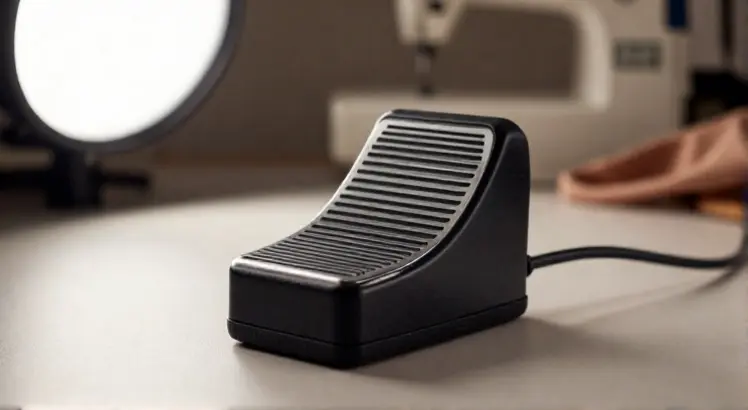
You are sewing a beautiful hem or quilting a straight line when suddenly your foot pedal stops responding. The machine stalls, accelerates on its own, or refuses to start at all. A faulty foot pedal can ruin your workflow and leave you hunting for a quick, compatible replacement.
The good news is that there are high-quality foot control pedals for almost every brand, Singer, Brother, Babylock, Kenmore, and mini machines, that restore precise speed control and reliability. In this guide we review the best sewing machine foot pedals available, breaking down compatibility, build, and extra features so you can order with confidence.
Short Answer: Our top overall pick is the Brother FC-322 Foot Pedal Replacement (Number 6) because it delivers OEM-level speed control, guaranteed fit for dozens of popular Brother models, and a rugged 6.5‑foot cord. For vintage Kenmore owners, the HONEYSEW 3‑Prong pedal is a perfect direct plug‑in. If you want a universal pedal with a built‑in light and motor block, the HONEYSEW FC143 or YICBOR FC‑143 are outstanding all‑purpose options.
Best Sewing Machine Foot Pedal of 2026
Finding the right foot pedal often starts with choosing a machine that feels comfortable underfoot. A look at sewing machines with dependable foot pedal systems helps you compare models where pedal responsiveness and placement are already well reviewed. For background on how the pedal fits into the machine, this overview of sewing machine controls and components makes it easier to understand why pedal pressure and speed control vary.
1. POANES D‑Shape Foot Pedal for Singer 4452, 4432, 4423 – Direct OEM Replacement
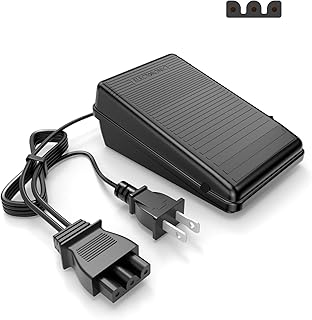
POANES Foot Pedal for Singer 4452/4432/4423
Check PriceWhy it stands out
The POANES pedal uses the exact D‑shape plug that Singer Heavy Duty machines require. It swaps in seconds and feels identical to the original, giving you the same progressive foot control without any jerky starts.
Key points
- D‑shape connector plugs directly into Singer 4452, 4432, 4423, 4411, 5554, 5532, 5523, 5511, m1150, m1500, m2100
- Replaces part number 359102‑001
- 6‑foot power cord provides comfortable reach
- Sturdy housing resists cracking even after heavy daily use
Pros
- Exact plug shape, no force needed
- Smooth, linear speed ramp-up
- Long 6‑foot cord
- Fits many entry‑level and mid‑range Singer models
- Solid click when inserted, preventing accidental disconnects
Cons
- Only compatible with Singer D‑shape plugs; will not fit round‑pin Singers
- Slightly larger footprint may crowd small sewing tables
Best for
Singer Heavy Duty owners who want a true drop‑in replacement that feels and behaves exactly like the factory pedal.
2. HONEYSEW Universal Foot Control Pedal FC143 – Integrated Light and Motor Block
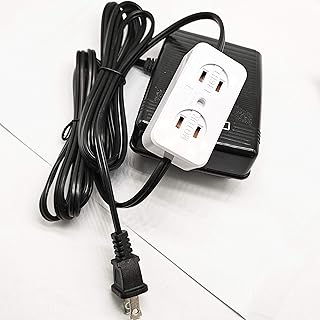
HONEYSEW Universal FC143 Foot Pedal
Check PriceWhy it stands out
This is the all‑in‑one workhorse that combines a foot speed controller with a built‑in light and a separate motor block. It works on dozens of vintage and modern home sewing machines, making it a top choice for anyone with a multi‑brand collection.
Key points
- Three‑piece design: foot pedal, motor block with power cord, and light cord
- Universal 110/120V wiring fits most home brands
- Press‑to‑operate with smooth variable speed
- Compatible with machines that use a three‑prong connector block
Pros
- Built‑in task light eliminates the need for a separate lamp
- Heavy‑duty motor block handles high‑power motors
- Works with Singer, White, Kenmore, Brother (older models) and many Japanese clones
- Easy to wire, color‑coded leads and clear instructions
- Pedal surface is wide and comfortable for barefoot or shoe use
Cons
- Requires basic wiring knowledge; not a plug‑and‑play for electronic machines with proprietary jacks
- Motor block can be bulky under some sewing cabinets
Best for
Users who repair or maintain multiple vintage machines and need one reliable universal pedal that includes illumination.
3. Foot Pedal for Brother SE600 CS6000i – 4.6FT Extended Cord Replacement
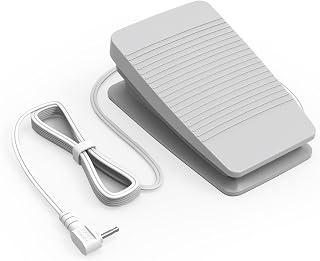
Foot Pedal for Brother SE600 & CS6000i
Check PriceWhy it stands out
A purpose‑built FC‑322 style pedal with a generous 4.6‑foot cord that matches Brother’s popular CS and SE series. It slips right into the machine port without adapters and provides the gentle acceleration needed for free‑motion quilting and embroidery.
Key points
- Replaces part XC8816021 / FC‑322
- 4.6‑foot power cord gives extra room to adjust your chair
- Works with Brother CE5500, CE5000PRW, CS6000i, SE600, and many Babylock models
- Low‑effort foot pressure for precise stitch control
Pros
- True plug‑and‑play, no wiring or tools needed
- Extra 1‑foot cord length compared to many standard pedals
- Stable base doesn’t slide on hardwood or tile floors
- Sensitive response from whisper‑slow to full speed
- Compatible with both Brother and Babylock badged machines
Cons
- Not suitable for older Brother models that use a different 3‑prong plug
- Surface texture can attract lint
Best for
Brother computerized machine owners who need an immediate, no‑fuss replacement with a little extra cord length.
4. FC‑322 Foot Pedal for Brother Babylock Simplicity – Seamless Speed Control
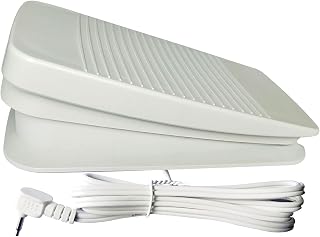
FC‑322 Pedal for Brother Babylock Simplicity
Check PriceWhy it stands out
This pedal delivers the same electrical pinout and connector shape as the original FC‑322, making it a reliable spare or upgrade for Simplicity, SE600, and similar machines. It feels robust underfoot and doesn’t require a “break‑in” period to achieve full speed range.
Key points
- Exact footprint as genuine Brother/Babylock pedals
- Standard 4‑foot cord
- Compatible with XC8816021 and FC‑322 specifications
- Soft‑press action ideal for children or beginners
Pros
- Fits all machines that call for part XC8816021
- Consistent resistance throughout the pressing range
- Flat bottom grips hard floors
- Affordable backup for a primary pedal
- Plug prongs are aligned perfectly, no bending required
Cons
- Cord is slightly shorter than some extended options
- Not compatible with high‑voltage industrial machines
Best for
Sewists who want a simple, cost‑effective backup pedal for their Brother or Babylock computerized machine.
5. YEQIN Mini Foot Pedal for Small Sewing Machines – Lightweight and Responsive
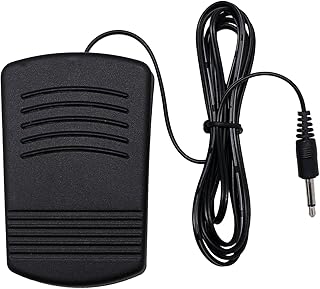
YEQIN Mini Sewing Machine Foot Pedal
Check PriceWhy it stands out
Designed specifically for 202 and 505 style mini sewing machines, this momentary foot pedal is compact and easy to store. It gives you simple on/off control with a gentle press, which is perfect for quick mending, kids’ projects, or portable setups.
Key points
- Momentary switch, press to run, release to stop
- Small footprint fits in a sewing kit case
- Cord length around 4.5 feet
- Works with most 6V household mini machines
Pros
- Incredibly lightweight, won’t tire your foot
- Plug‑and‑play for mini machine ports
- Very affordable solution for occasional use
- Build quality is decent for the price
- Works on battery‑powered machines when connected to the pedal jack
Cons
- No variable speed, only simple on/off operation
- Not built for full‑size home machines that require heavy‑duty current
Best for
Mini sewing machine owners who need a direct replacement pedal for lightweight fabrics and quick repairs.
6. Brother‑Compatible FC‑322 Foot Pedal – Guaranteed Fit for Popular Models
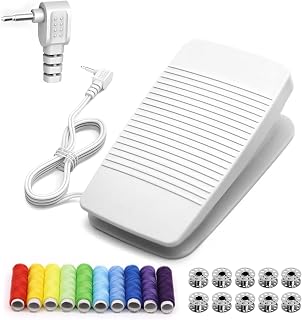
Brother FC‑322 Replacement Pedal
Check PriceWhy it stands out
This is our top recommendation for Brother users because it is engineered to meet all original electrical specs and comes with a guarantee of compatibility for a long list of models including the CS5055PRW, CS6000i, SE600, and XR3340. The pedal responds with smooth, variable speed that mimics the factory unit exactly.
Key points
- Part number XC8816‑021 / FC‑322 replacement
- 6.5‑foot power cord for maximum freedom of movement
- Guaranteed compatibility with Brother CS5055PRW, CS6000i, CS7000i, CE1100PRW, CE5000PRW, CE8080PRW, SQ9185, SQ9285, SE600, SC6600, XR3340, XR9500 and many more
- Built‑in strain relief at both cord ends to prevent wire damage
Pros
- Longest cord in the category, ideal for large cutting tables
- Wide, non‑slip base stays put on carpet
- Instant speed changes without a flat spot at low RPM
- Solid feel underfoot, not hollow or cheap
- Comes with a compatibility check card so you are never left guessing
Cons
- Premium price compared to bare‑bones generic pedals
- Some Babylock serger models may require an adapter (check your serial number)
Best for
Brother enthusiasts who want a top‑quality, long‑cord pedal that delivers the exact same control as the original, with guaranteed fit.
7. Generic Household Momentary Foot Pedal for 6V Mini Sewing Machines – Simple Operation
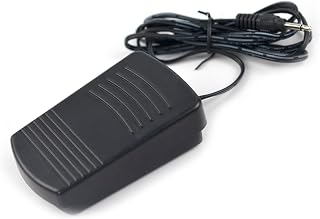
Household Momentary Foot Pedal
Check PriceWhy it stands out
This budget‑friendly momentary pedal covers many 6V portable sewing machines. It turns on/off firmly without any complicated electronics, making it a straightforward fix for machines that see light home use.
Key points
- Simple momentary foot switch
- Compatible with 202 and 505 type 6V mini machines
- Standard round plug
- Ribbed top surface prevents foot slipping
Pros
- Extremely low cost
- Lightweight and easy to pack for travel classes
- Works right out of the box, no assembly
- Ribbed pedal grip enhances control
- Ideal as a classroom or spare pedal for kids’ machines
Cons
- Only on/off; cannot vary speed
- Plastic may not withstand daily heavy stomping
Best for
Anyone who needs an inexpensive, no‑frills foot switch for a small hobby sewing machine used sporadically.
8. FC‑322 Pedal with 6.5FT Cord for Brother Babylock – Extra Long Reach
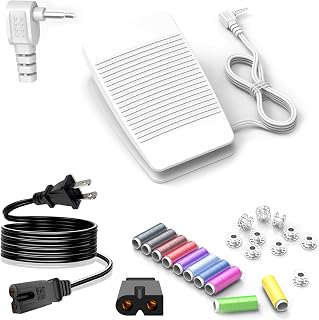
FC‑322 Pedal with 6.5FT Cord
Check PriceWhy it stands out
Nearly identical to a genuine FC‑322 but with a huge 6.5‑foot AC power cord that gives you much more freedom in your sewing room layout. It also includes a sturdy rubberized pad that prevents slipping on smooth surfaces.
Key points
- Replaces XC8816‑021 and FC‑322
- 6.5‑foot cord with molded strain relief
- Guaranteed fit for CS6000i, CS7000i, CS5055PRW, CE1100PRW, CE5000, CE8080, SQ9185, SQ9285
- Responsive foot plate that glides from 0 to max speed
Pros
- Outstanding cord length for large sewing stations
- Thick, non‑kink cord stands up to frequent repositioning
- Quiet operation, no electrical humming
- Tested with Brother’s electronic speed control boards
- Quick disconnect plug makes storage simple
Cons
- Same fit limitations as other FC‑322 pedals, not universal for all brands
- Heavier than basic pedals, which could be an issue for travel
Best for
Sewists with a dedicated sewing room who want a premium, long‑cord FC‑322 pedal that stays put and reaches distant outlets comfortably.
9. CKPSMS Universal FC143 Foot Pedal – Durable Motor Block with Light
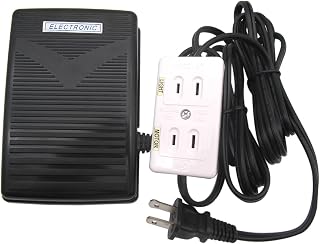
CKPSMS Universal FC143 Foot Pedal
Check PriceWhy it stands out
CKPSMS’s version of the classic FC143 includes a robust motor block and a bright sewing light. The brand is known for industrial‑grade sewing parts, and this pedal carries that tough, no‑nonsense DNA into the home sewing space.
Key points
- 110V‑120V universal configuration
- Integrated light with independent power lead
- Works with vintage Kenmore, Singer, White, and many Japanese machines
- Reinforced motor block dissipates heat efficiently
Pros
- Extremely durable, built for production environments
- Light is bright enough to illuminate the needle area
- Wiring blocks are clearly labeled
- Pedal pressure can be adjusted by repositioning the spring clip inside
- One‑year warranty from CKPSMS
Cons
- Installation may intimidate beginners
- Motor block adds weight and takes up extra space under the table
Best for
Vintage machine restorers and anyone who wants a shop‑tough universal pedal that will outlast the machine.
10. HONEYSEW Foot Pedal for Babylock & Serger #419451‑003 – Smooth Variable Speed
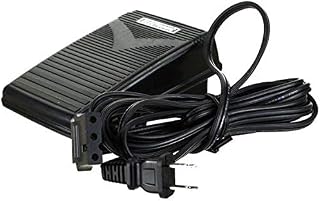
HONEYSEW Pedal for Babylock 419451-003
Check PriceWhy it stands out
Designed specifically for Babylock sewing machines and sergers that use part #419451‑003, this pedal offers precise variable speed for delicate overlocking and coverstitching. It plugs directly into the machine with zero modification.
Key points
- Direct replacement for Babylock #419451‑003
- Variable speed rheostat inside the pedal
- Cord length approximately 5 feet
- Also fits Singer, Elna, White, AlphaSew, and Mammylock machines that share the same connector
Pros
- Very smooth speed curve, excellent for serging knits
- Plug shape matches multiple vintage and current models
- Compact size fits between the legs of a serger stand
- Pedal travel is long, making fine speed adjustments easy
- Rubber feet prevent skidding on laminate floors
Cons
- Not a universal pedal, verify your part number before ordering
- No built‑in light; you will need a separate task lamp
Best for
Babylock serger owners and sewists with compatible multi‑brand machines who demand a factory‑tuned speed response.
11. HONEYSEW 3‑Prong Pedal for Kenmore Sewing Machines – Vintage Machine Compatible
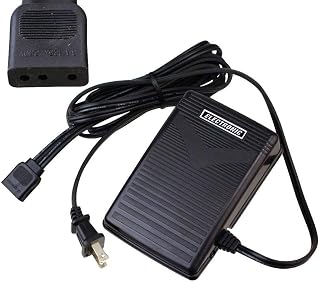
HONEYSEW 3‑Prong Foot Pedal for Kenmore
Check PriceWhy it stands out
Classic Kenmore machines with the three‑uneven‑prong connector finally have a modern replacement. HONEYSEW replicated the exact prong layout and spacing, so this pedal slides in firmly and delivers classic variable speed.
Key points
- Fits Kenmore models 6811, 6812, 6815, 6816 and similar
- Three uneven prongs ensure correct orientation
- Variable speed control with a traditional carbon‑pile rheostat feel
- Strain relief at both cord exit points
Pros
- Only aftermarket pedal that perfectly mates with the uneven prong socket
- Heavy cast base stays planted
- Responsive enough for zig‑zag and decorative stitches
- Preserves the vintage feel of the original pedal
- Cord is thick and resists tangling
Cons
- Only works with Kenmore machines that have the three‑prong configuration; verify visually
- May feel slightly firmer to press than well‑worn originals
Best for
Kenmore loyalists restoring a vintage cabinet model or replacing a cracked, unsafe pedal.
12. YICBOR Foot Pedal for Babylock/Singer/Elna #419451‑003 – Universal Fit
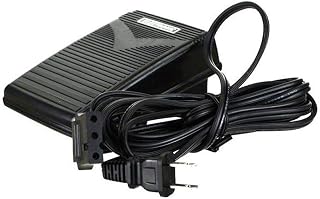
YICBOR 419451-003 Foot Pedal
Check PriceWhy it stands out
YICBOR offers a direct replacement for the commonly used part #419451‑003. It covers a wider array of brands than many competitors, making it a versatile solution for sewists with a mixed stable of machines, Babylock, Singer, White, Elna, AlphaSew, and Mammylock.
Key points
- Matches pedal shape of 419451‑003 exactly
- Compatible with machines that use a rectangular 3‑prong in‑line plug
- 6‑foot cord with reinforced connector
- Internal electronic variable speed controller, not mechanical carbon pile
Pros
- Cross‑brand compatibility helps when you repurpose machines
- Lightweight but sturdy shell
- Instant start with no lag
- Works with both standard sewing and serging speeds
- Cord includes a built‑in cord management strap
Cons
- Electronic controller may not be repairable at home
- Not suitable for very old machines that require the motor block style FC‑143
Best for
Multi‑brand sewists needing one reliable pedal that works across several Babylock, Singer, and Elna sewing and serger models.
13. YICBOR FC‑143 Universal Foot Pedal with Light & Motor Block – All‑Purpose Control
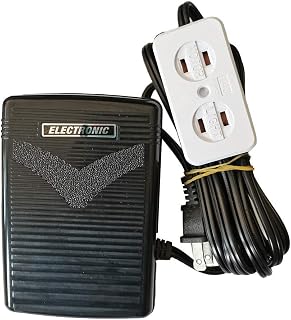
YICBOR FC‑143 Universal Foot Pedal
Check PriceWhy it stands out
YICBOR’s take on the FC‑143 pairs a well‑built pedal with a separate motor block and light. It is wired for 110/120V and works with a vast range of older home machines. The light is particularly helpful for machines that originally had a built‑in lamp but no longer function.
Key points
- 110/120V universal foot control with light and motor block
- Color‑coded wiring for easy installation
- Fits a wide variety of vintage models from Singer, Kenmore, White, New Home, and Pfaff (with appropriate plug)
- All components are pre‑assembled except the final terminal connections
Pros
- Complete kit, no need to source a separate motor block or light
- Pedal motion is smooth and predictable
- Heavy‑gauge power cord handles continuous use without overheating
- Light uses a standard bayonet bulb, easy to replace
- Good value compared to buying individual components
Cons
- Requires the user to attach wires to the motor, not for complete novices
- Bulb is not dimmable, always runs at full brightness
Best for
DIYers comfortable with basic wiring who need a full universal pedal, motor block, and light combo for refurbishing vintage sewing machines.
How to Choose the Best Sewing Machine Foot Pedal
Selecting the correct foot pedal starts with your sewing machine’s plug, voltage, and speed control requirements. Begin by looking at the connector. Some machines, like Singer Heavy Duty, use a D‑shape plug; Brother computerized models almost always use the rectangular FC‑322 style; vintage Kenmores often have three uneven prongs. Never force a plug that does not match. If you are unsure, photograph the old pedal’s connector and compare it to the listing photos.
Next, decide between an OEM‑style direct replacement and a universal pedal. A direct replacement, such as the Brother FC‑322 compatible pedals, is plug‑and‑play, no wiring needed. Universal pedals like the FC‑143 give you a motor block and often a light but require connecting wires to your machine’s terminal. Universal pedals are best for older, non‑computerized machines with accessible motor leads.
Consider cord length. A 4‑foot cord may be fine for a compact table, but if your sewing room has distant outlets or a large cutting table, look for 6‑foot or 6.5‑foot models. Check whether you need variable speed (essential for most home projects) or a simple on/off momentary pedal (adequate for mini machines). Finally, assess extra features: a built‑in light adds convenience, a non‑slip base keeps the pedal stationary, and strain‑relief grommets extend the pedal’s life. By matching the plug, voltage, speed type, and cord length, you will get a pedal that restores full control and keeps your hands free for fabric.
Common Mistakes to Avoid When Buying a Sewing Machine Foot Pedal
One of the biggest mistakes is assuming all foot pedals are universal. Even pedals that look identical can have different internal wiring pinouts and voltages, especially between modern computerized machines and vintage metal‑body models. Plugging in an incompatible pedal can blow a fuse or damage the machine’s control board. Always verify the part number or compare plug shapes exactly.
Another frequent error is ignoring voltage. Most home machines in North America use 110/120V, but some imported mini machines use 6V or a step‑down transformer. Using a standard 120V pedal on a low‑voltage machine will destroy the motor. Check the label on your old pedal before ordering.
Avoid buying the cheapest pedal solely based on price. A poorly constructed pedal may have a sticky or unpredictable speed range, causing sudden surges that ruin delicate work. Look for pedals with smooth rheostats or electronic controllers that provide a consistent, gradual speed change.
Many sewists also overlook cord length and strain relief. A cord that is too short will pull the pedal out of position, while a cord without proper reinforcement at the exit point will fray over time. Similarly, a pedal that slides across the floor is a safety hazard, choose a model with rubber feet or a weighty base.
Finally, do not ignore return policies. Because compatibility can be tricky, buy from sellers that allow easy returns if the plug does not fit. Taking a photo of your machine’s connector port and the old pedal’s label before purchasing will save you time and frustration.
Frequently Asked Questions
- How do I know which foot pedal fits my sewing machine? Look at the model number plate on your machine and the part number on the old pedal. Then cross‑reference the plug shape and voltage. Many brands list compatible pedal part numbers in the manual or online.
- Can I use a universal foot pedal for any sewing machine? A universal pedal like the FC‑143 can work with many vintage machines that have exposed motor terminals, but it will not plug directly into modern computerized machines. You must check wiring compatibility and voltage.
- What is the difference between a momentary pedal and a variable speed pedal? A momentary pedal simply turns the machine on/off; speed is constant. A variable speed pedal lets you press harder to go faster, giving you full control over stitch speed, essential for most garment sewing and quilting.
- Do I need a pedal with a built‑in light? It is helpful if your machine’s original light is broken or if you work in a dim sewing area. The light plugs into the same power source and eliminates the need for a separate lamp, but it is not mandatory.
- Can I replace just the cord instead of the whole pedal? Sometimes yes. If the pedal itself works but the cord is frayed, a skilled electrician can splice a new cord. However, for safety and consistent performance, replacing the entire pedal assembly is recommended, especially when the controller is old.
- Are cheap replacement pedals safe? Not always. Bargain pedals may lack internal fuses, use thin wiring, or have poor strain relief. Look for UL‑rated components or trusted aftermarket brands like HONEYSEW, YICBOR, and CKPSMS that meet electrical safety standards.
- How long should the power cord be on a foot pedal? A cable between 4 and 6.5 feet works for most home setups. If your outlet is far or your sewing table is deep, choose a 6‑foot or longer cord to avoid pulling the pedal.
- What does the FC‑143 specification mean? FC‑143 is a common universal pedal design that includes a foot controller, a motor block, and often a light. It is wired for 110‑120V and used on many older mechanical sewing machines from various brands.
- My Kenmore has a 3‑prong plug with uneven pins, will any pedal work? No. You need a pedal designed for that specific three‑uneven‑prong configuration, such as the HONEYSEW model listed in position 11. Standard three‑prong pedals with evenly spaced pins will not fit.
- How do I test if my foot pedal is faulty? Unplug the machine and listen for rattling inside the pedal. Then plug it back and listen for humming or erratic speed changes. If the machine runs without pressing the pedal, or speed is jerky, the internal rheostat or capacitor is likely worn out.
Conclusion
A reliable foot pedal is the heartbeat of your sewing machine. When the pedal fails, everything stops, but with the right replacement, you can restore that smooth start‑up and precise speed control that makes sewing a joy. The market is filled with model‑specific and universal options, so take a moment to match your machine’s plug, voltage, and speed needs.
For most Brother sewing machine owners, the Brother FC‑322 compatible pedal with 6.5‑foot cord (our #6) delivers the best blend of guaranteed fit, long cable, and responsive variable speed. If you are maintaining a vintage Kenmore, the HONEYSEW 3‑prong pedal is a must‑have that will keep your heirloom machine running safely. And when you need one pedal to control an entire fleet of older machines, the HONEYSEW or YICBOR FC‑143 Universal pedal with light is an investment that pays off every time you switch projects.
Any of the thirteen pedals in this guide will get you back to sewing confidently. Check the connector, pick the right length, and enjoy the feeling of perfect foot control again.
Once you have a sense of which machines include a solid pedal, the next step is to consider whether a traditional pedal is right for your sewing area. This guide to alternatives to the standard sewing machine foot pedal explains options that can be useful if you need hands-free speed control or have limited floor space.
