
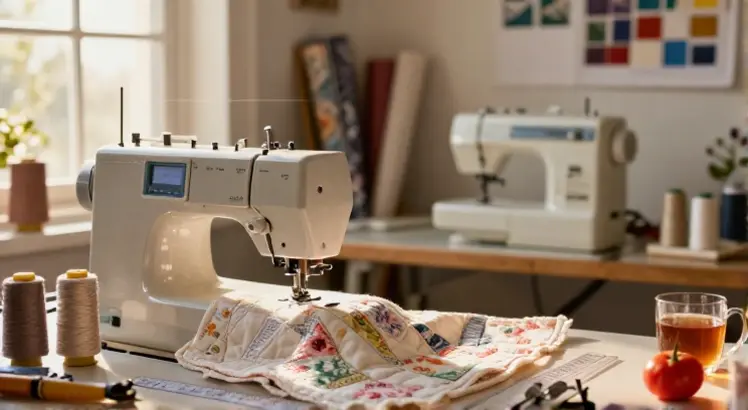
Is Singer or Brother better for quilting? If you’ve spent any time in quilting forums or local sewing groups, you know this question sparks plenty of passionate opinions. Both brands have loyal fans, and both make machines that can piece a perfect quilt top.
But when it comes to machine quilting, managing bulky layers, achieving smooth free-motion stitches, and handling king-size projects without a struggle, the differences start to matter. In this detailed guide, I’ll walk you through what real quilters need, break down the strengths and weaknesses of Singer and Brother quilting machines, and help you decide which one will be your best quilting partner.
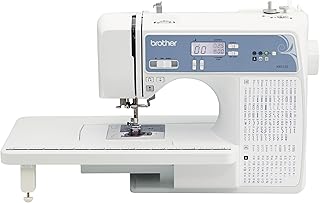
Brother XR9550 Computerized Sewing and Quilting Machine, 165 Built-in Stitches
Check PriceWhat Quilters Really Need in a Sewing Machine
Before we pit Singer against Brother, let’s look at the features that turn a regular sewing machine into a reliable quilting workhorse. Quilting isn’t just straight stitching, it involves piecing precise seams, wrestling large quilts through the harp, and often dropping the feed dogs for free-motion work. Here’s what separates a good quilting machine from a great one.
Throat Space and Harp Size
The throat (or harp) is the open space to the right of the needle. More space means you can squeeze a rolled-up quilt through without shoving and bunching. For lap quilts, an 6-7 inch throat is workable. For larger throws and bed quilts, 8-10 inches is a game-changer. This is one area where the comprehensive guide to quilting sewing machines emphasizes that harp size often trumps sheer stitch count.
Stitch Quality and Consistency
Uneven stitches show up immediately on a quilt top. A machine that maintains perfect tension across speeds, fabric types, and multiple layers is non-negotiable. Quilters need built-in stitches like the serpentine or blanket stitch, but more importantly, a straight stitch that never wobbles.
Walking Foot and Feed System
A walking foot helps feed the top and bottom layers of a quilt sandwich evenly, preventing puckers and pleats. Some machines include one in the box; others require an extra purchase. The feed dog system, how well it grips slippery or thick fabrics, is just as critical for smooth quilting lines.
Speed Control and Needle Position
Free-motion quilting feels infinitely more manageable when you can limit the maximum speed. A slider that lets you sew turtle-slow without a jerky foot pedal builds confidence. Needle up/down positioning and the ability to stop with the needle down for pivoting are near essentials for intricate quilting.
Sturdy Frame and Weight
Lightweight machines are great for traveling to classes, but a heavier metal frame absorbs vibration and stays put when you’re pushing a queen-size quilt through the throat. Quilters often sacrifice portability for stability.
Singer Quilting Machines: The Legacy Brand’s Strengths and Weaknesses
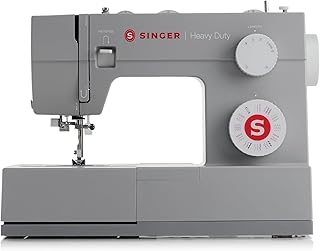
SINGER® Heavy Duty 4452 (Grey) High Speed Sewing Machine + Accessories | 32 Built-In Stitches Deliver 110 Stitch Applications | 50% More Power for Thick Fabrics, 1100 Stitches/Min, 1-Step Buttonhole
Check PriceSinger has been a household name for over a century, and many quilters start on a Singer because it’s affordable and widely available. Their Heavy Duty series and the Quantum Stylist line are frequent picks for those who want to quilt on a budget without feeling underpowered.
- Metal frames and powerful motors. Models like the Singer Heavy Duty 4452 and the Singer 4411 are built with a full metal interior frame, giving them the punch to sew through multiple layers of cotton and batting without stalling.
- Simple mechanics. Most Singer quilting-friendly machines are mechanical or basic computerized models that don’t overwhelm beginners. The threading path is classic, and repairs tend to be straightforward.
- Budget-friendly pricing. You can often get a capable Singer quilting machine for under $300, leaving room in the budget for specialty feet and fabric.
- Included accessories. The top-end Quantum Stylist 9960 comes with an extension table and a combined walking/quilting foot right out of the box, which is a huge value.
- Throat space limitations. Where Singer often falls short is harp area. Many popular models max out around 6-7 inches, making a king-size quilt feel like arm wrestling. If you plan to quilt big, look carefully at the specs.
- Speed control absence. Mechanical Singers typically lack a speed slider, so free-motion quilting requires a carefully trained foot. It’s doable, but there’s a steeper learning curve.
Brother Quilting Machines: Innovation and User-Friendly Features
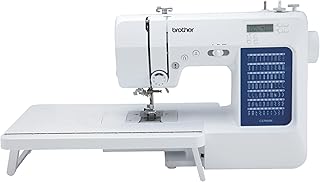
Brother CS7000X Computerized Sewing and Quilting Machine, 70 Built-in Stitches
Check PriceBrother has become a darling of modern quilters, particularly those who love advanced features without a $2,000 price tag. From the high-speed straight-stitch PQ1500SL to the versatile XR9550, Brother targets quilters who want convenience and room to grow.
- Generous throat space. The Brother PQ1500SL offers a generous 8.25 inches of harp space, while many computerized models land around 7.5 inches. That extra room makes free-motion quilting and rolling the bulk of a quilt far less frustrating.
- Drop feed and free-motion readiness. Brother makes it easy to drop the feed dogs with a simple switch, and many machines include an automatic needle threader, knee lift, and a pivoting foot for ruler work.
- Speed control sliders. Even mid-range Brother machines include a slider to set maximum sewing speed, a feature quilters rave about for maintaining consistent stitch length during free-motion quilting.
- Quilting feet included. Models like the HC1850 or the more advanced Innov-ís series come with a walking foot, quilting foot, and sometimes a spring-action free-motion foot.
- Plastic vs. metal durability. The trade-off is that many Brother machines use a significant amount of plastic in the chassis. While they are reliable for years, owners of machines built for heavy quilting work sometimes prefer all-metal internals for daily high-volume use.
- Learning curve. Brother’s computerized menus can feel intimidating to absolute beginners, but the start/stop button and speed controls quickly become favorites once you try them.
Head-to-Head Comparison: Singer vs Brother for Quilting
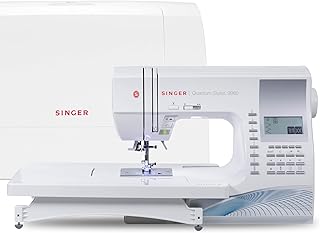
SINGER Quantum Stylist 9960 Computerized Sewing & Quilting Machine – Metal, Plastic, with Extension Table, Hard Case & Accessories, 600 Stitches, Lettering, LED Light, 1-Step Buttonhole
Check PriceLet’s put the two brands side by side on the features that make the biggest difference when you’re actually sitting down to quilt.
- Throat Space: Brother wins for maximum workspace, especially with the PQ1500SL and wide-table models. Singer’s largest harp hovers around 7 inches on the Quantum Stylist 9960, which is adequate but not expansive.
- Stitch Quality: Both brands produce beautiful straight stitches. Singer’s stitch tends to feel more crisp on dense cotton; Brother’s is extremely even and rarely needs tension tweaks once dialed in.
- Free-Motion Quilting Experience: Brother takes the lead with speed control, knee lift capability, and easy drop feed. Singer’s mechanical models require more foot-pedal skill but feel solid under high-speed movement.
- Walking Foot Inclusion: Singer often includes a walking foot on higher-tier models; Brother does the same, but some base models require a separate purchase. Always check what’s in the box.
- Durability and Heavy Use: Singer’s metal-frame machines, like the Heavy Duty series, are built like tanks and often last through decades of quilting. Brother’s strength is precision engineering, but some quilters report that hard daily use can wear down plastic components faster.
- Throat Plate Markings: Brother frequently adds helpful seam guides etched into the needle plate, while Singer relies on standard markings. It’s a small detail that improves accuracy when piecing quilt blocks.
- Price vs. Features: Singer gives you more brute strength for your money. Brother gives you more technology and user-friendly perks at a slightly higher price point.
If you primarily piece quilt tops and occasionally quilt at home, a Singer Quantum Stylist or Heavy Duty will often meet your needs without breaking the bank. If free-motion quilting, ruler work, and larger projects are your focus, a Brother model with a wider throat and speed control is a smarter long-term investment.
Which Brand Fits Your Quilting Style?
Brother XR9550 Computerized Sewing and Quilting Machine, 165 Built-in Stitches
Check PriceYour answer to the Singer vs Brother debate really depends on the kind of quilter you are. Let’s walk through a few common scenarios.
The Beginner Quilter on a Budget
If you’re just dipping your toe into quilting and want to spend less than $250, a mechanical Singer Heavy Duty (like the 4411 or 4452) provides enough power to sew through batting layers and is straightforward to maintain. You’ll need to buy a walking foot separately if it isn’t included, and you’ll practice foot control more than button pressing, but it’s a solid, low-risk start.
The Ambitious Intermediate Quilter
You’ve made a few throws and now you’re eyeing twin-size quilts with stippling and custom motifs. Brother’s XR9550 or the HC1850 offer throat space in the 7-inch range, plus a quilting foot, walking foot, and speed slider. You’ll find the machine encourages you to experiment more because features like needle-down and start/stop reduce the coordination burden.
The Free-Motion Fanatic
If you dream of feathers, pebbles, and continuous line designs, throat space becomes essential. The Brother PQ1500SL is a straight-stitch powerhouse with 8.25 inches of harp, a knee lever, and a thread cutter that saves time. Singer doesn’t currently offer an equivalent dedicated quilter; the closest competitor is the 9960, which has a smaller harp but a much broader stitch library. For ruler work and intense free-motion, Brother’s ergonomic design tends to win.
The Heavy-Duty Quilter
You quilt denim rag quilts, thick wool batting, or you layer up for puff quilts. Singer’s all-metal Heavy Duty frame thrives in this zone. Combine a Singer 4452 with a quality walking foot and you’ll sew through thickness that makes a plastic-heavy Brother hesitate. For quilters who prioritize power over computerized extras, Singer is the trusted workhorse.
Frequently Asked Questions
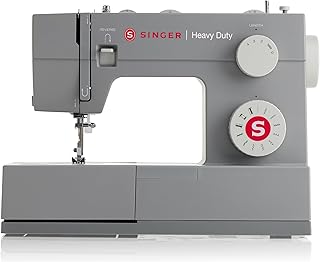
SINGER® Heavy Duty 4411 (Grey) High Speed Sewing Machine + Accessories | 11 Built-In Stitches Deliver 69 Stitch Applications | 50% More Power, 1100 Stitches/Min | Metal Frame, 4-Step Buttonhole
Check PriceIs Singer or Brother better for large quilts?
Brother typically offers larger throat space on models designed specifically for quilting. The Brother PQ1500SL’s 8.25-inch harp makes maneuvering a queen-size quilt much easier than on a Singer with a 6-7 inch harp. If you consistently work on bed-size quilts, Brother’s dimensions give a noticeable advantage.
Which brand has better stitch quality for quilting?
Both brands deliver beautiful straight stitches when properly tuned. Singer’s stitches can feel slightly more pronounced on dense cotton, while Brother’s models often maintain uniform tension with less manual adjustment across varying speeds. The difference is subtle and often comes down to personal feel.
Do Singer machines come with a walking foot?
Not universally. The Singer Quantum Stylist 9960 includes an even-feed/walking foot, and some Heavy Duty bundles do as well. Many entry-level Singer models require a separate purchase. Always check the included accessories list before buying.
Can Brother machines handle heavy quilting fabrics?
Yes, but with nuance. Brother machines like the PQ1500SL and the Innov-ís series sew through multiple layers of cotton and batting effortlessly. For extremely thick, dense materials like denim quilts, a metal-framed Singer Heavy Duty might power through with more authority. Using the right needle and a walking foot is just as important as the brand.
What’s the best Singer machine for quilting?
The Singer Quantum Stylist 9960 is a popular computerized model with 600 stitches, an extension table, and a walking foot included. For a mechanical option, the Singer Heavy Duty 4452 is a budget-friendly quilter with a strong motor and high speed. Neither has a massive harp space, but both handle piecing and light-to-moderate quilting admirably.
What’s the best Brother machine for quilting?
The Brother PQ1500SL is widely considered the brand’s top quilting-only machine thanks to its large throat, knee lever, and high-speed straight stitch. The Brother XR9550 and HC1850 offer excellent versatility if you also want decorative and stretch stitches for garment sewing. For advanced quilters, the Brother Innov-ís series adds embroidery capabilities and even more workspace.
Making Your Quilting Machine Choice with Confidence
There isn’t a single right answer to whether Singer or Brother is better for quilting, there’s the machine that best fits your space, your preferred quilting style, and your budget. If bulletproof durability and budget-friendly power top your list, Singer’s Heavy Duty line and the Quantum Stylist 9960 deserve a serious look. If you want generous throat space, speed control for free-motion, and features that reduce fatigue during long quilting sessions, Brother’s quilting-focused models are tough to beat.
Spend time thinking about the size of quilts you actually make. Visit a local dealer and try the feel of a wide-harp Brother side by side with a metal-framed Singer. Pay attention to how easily you can drop the feed dogs, adjust the speed, and slide a fat quarter sandwich under the needle. The machine that disappears into the background, letting you focus purely on your stitching rhythm, is the one that will help you finish more quilts and enjoy every minute of it.
