
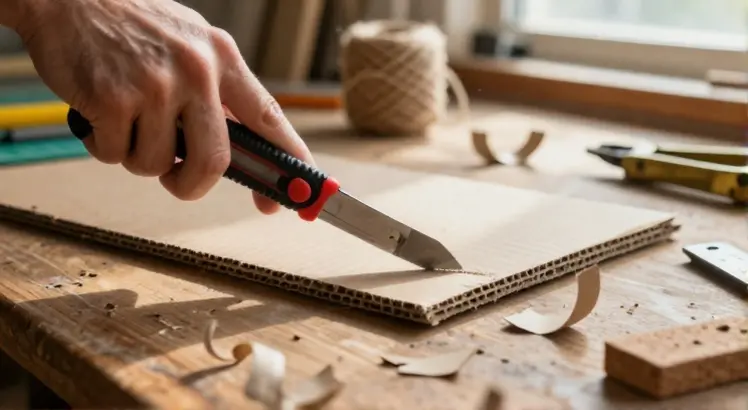
If you’ve ever wrestled with a dull pair of scissors while trying to break down a shipping box, you’ve probably asked yourself the same question: what is the best tool to cut cardboard? Whether you’re a weekend DIYer scaling down moving boxes, a teacher prepping classroom materials, or a crafter building cardboard castles, the right cutting tool turns a frustrating chore into a smooth, safe job.
Not all cardboard is the same, single‑wall, double‑wall, and triple‑wall corrugated sheets each demand a different approach. In this guide, you’ll learn which tools professionals and hobbyists rely on, how to match a cutter to your project, and the tricks that keep your cuts clean and your fingers safe.
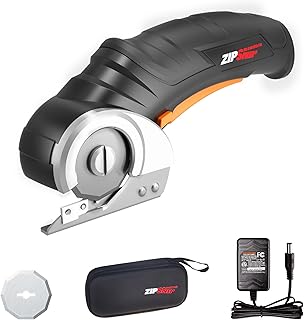
Worx Zipsnip WX082L.2
Check PriceUnderstanding Cardboard: Why the Right Tool Matters
Before you reach for the nearest pair of scissors, it helps to know what you’re actually cutting through. Cardboard is built from layers of paper and fluted medium. The flute, the wavy inner layer, gives boxes their strength but also makes them tricky to cut cleanly. Thin single‑wall cardboard (like a cereal box) can be handled with lightweight cutters, but double‑wall and triple‑wall corrugated board (heavy shipping boxes) will quickly dull an ordinary blade.
Using the wrong tool doesn’t just give you ragged edges; it increases the risk of the blade slipping and causing injury. The best tool to cut cardboard is the one that respects the thickness and density of the material, stays sharp long enough to finish the job, and feels comfortable in your hand.
Top Tools for Cutting Cardboard at a Glance
In the real world, “best” depends on what you’re making, or unmaking. For breaking down piles of moving boxes, speed and blade longevity win. For intricate craft shapes, precision and control are king. Below I’ve broken down the most effective tools into hand tools and electric tools, drawing from years of workshop and craft‑room experience.
1. Utility Knife (Box Cutter)
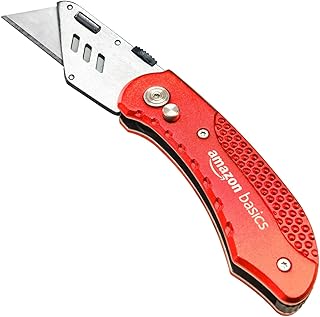
Amazon Basics Folding Utility Knife Box Cutter with Back-lock Mechanism
Check PriceA standard retractable utility knife remains the workhorse for most cardboard tasks. The snap‑off blade design gives you a fresh, razor‑sharp edge in seconds, and the slim profile handles curves decently. For heavy‑duty jobs, look for a knife with a sturdy metal body that reduces blade wobble. When I need to disassemble a stack of double‑wall boxes, I grab my 18 mm utility knife, it powers through thick flute without crushing the board.
- Super affordable and blades are widely available
- Snap‑off feature means you’re always working with a sharp tip
- Works well for straight cuts and long linear breakdowns
- May struggle with tight, intricate curves
2. Manual Rotary Cutter
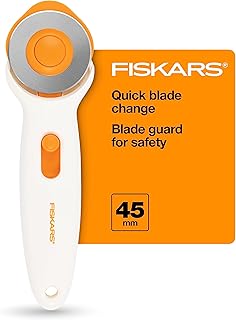
Fiskars 45mm Rotary Cutter for Fabric, Premium Steel Stick Fabric Cutter Cuts Through Multiple Layers
Check PriceMany people are surprised to learn that a rotary cutter, a tool better known for slicing fabric, can also be the best tool to cut cardboard for crafters who need silky‑smooth edges. The circular blade rolls through the material with almost no resistance, making it brilliant for long, perfectly straight lines. You’ll get the cleanest results on single‑wall cardboard or chipboard under 2 mm thick.
I keep a dedicated 45 mm rotary cutter with a titanium‑coated blade just for poster board and lightweight cardboard projects; it never snags. For even more creative flexibility, many quilters adapt their favorite rotary cutters for crafting when working with paperboard and template plastic.
- Exceptionally clean, straight edges with no tearing
- Quick to use with a cutting mat and ruler
- Not ideal for thick corrugated board or multi‑layer cuts
- Blades can become expensive if you cut large volumes
3. Heavy‑Duty Scissors / Tin Snips
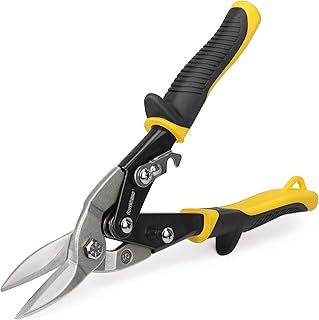
HURRICANE 10 inch Aviation Tin Snips
Check PriceScissors are often the first tool people grab, but standard household scissors are a poor match for corrugated cardboard. However, heavy‑duty, serrated‑edge shears (or even aviation tin snips) can chew through thick cardboard with surprising ease. I’ve personally used compact titanium‑coated snips to cut triple‑wall corners when no utility knife was handy. Just remember: the longer the handle, the more leverage you’ll have, and a serrated blade prevents the cardboard from sliding forward.
- No need for a cutting mat; can cut in the air
- Excellent for small, quick cuts and notch work
- Slower than a knife for long cuts and can tire your hands
- Edges may remain slightly rough on the cut surface
4. Electric Cardboard Cutter
Worx Zipsnip WX082L.2
Check PriceWhen you need to process a mountain of boxes every week, say, in a warehouse or for a recycling‑heavy household, an electric cutter becomes the unequivocal best tool to cut cardboard. These handheld power tools use a vibrating or reciprocating blade to slice through corrugated board like butter.
The blade moves so fast that it virtually eliminates the tearing you get with manual knives, and the ergonomic grip reduces hand fatigue. I’ve seen a single charge on a cordless model break down over 100 medium‑sized moving boxes without a blade change. If you’re ready to upgrade, a high‑performance electric cutter will transform how you handle bulk recycling and large craft installations.
- Incredibly fast with minimal physical effort
- Clean cuts on single‑, double‑, and triple‑wall board
- Higher upfront cost and requires battery charging or a cord
- Best suited for high‑volume use rather than occasional craft projects
5. Oscillating Multi‑Tool (with a fine‑tooth blade)
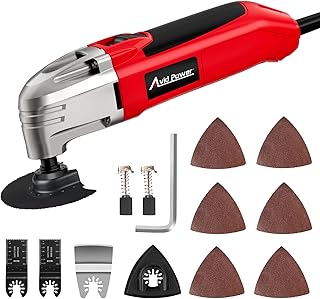
AVID POWER Oscillating Tool, 22000 OPM Electric Oscillating Multi Tool
Check PriceIf you already own an oscillating multi‑tool for home renovation, it doubles as a cardboard‑cutting beast. Fit a fine‑tooth metal or wood blade, and you can plunge straight into the middle of a thick cardboard panel with control. This approach kicks up a lot of dust, but for cutting complex openings or trimming installed cardboard forms (think theater props), it’s tough to beat. Make sure to wear a dust mask and clamp the board down.
How to Choose the Best Cardboard Cutting Tool for Your Project
Worx Zipsnip WX082L.2
Check PriceWith so many options, narrowing down the best tool to cut cardboard comes down to four questions. Ask yourself:
- How thick is the cardboard? Single‑wall up to 1/8″: rotary cutter or utility knife. Double‑wall and above: utility knife, electric cutter, or snips.
- Are you making long straight cuts or detailed shapes? Straight cuts thrive with a metal ruler + utility knife or electric cutter. Curves and small cutouts are easier with a sharp craft knife or an oscillating tool.
- What is the volume? Breaking down five boxes after a shopping spree doesn’t warrant an electric cutter, but if you’re processing dozens daily, speed and ergonomics become critical.
- What is your skill level and priority for safety? Beginners often feel more comfortable with a rotary cutter and ruler because the blade is shielded until you press; electric cutters have safety switches that stop the blade instantly.
Blade Sharpness: The Unsung Hero
No matter which tool you pick, a dull blade is dangerous. It forces you to press harder, making slips more likely. For utility knives, snap off a fresh segment every time you feel resistance. For rotary cutters, replace the blade as soon as it skips. A simple trick from the workshop: cardboard is surprisingly abrasive because it contains silica and recycled paper fibers. I keep a small sharpening stone near my bench to touch up my utility blades mid‑job, but at a few cents per blade segment, keeping a stockpile of fresh edges is the easiest safety upgrade you can make.
Must‑Have Accessories for Effortless Cuts
Beyond the cutter itself, a few inexpensive accessories will dramatically improve your results, especially if you’re working on crafts or DIY furniture from cardboard. I never start a project without them.
- Self‑healing cutting mat: Protects your tabletop, grabs the cardboard, and extends blade life. Look for at least an A2 size (18″ x 24″) for larger sheets.
- Thick metal ruler or straightedge: A 24‑inch metal ruler is your guide for perfect lines. Wooden rulers can get nicked and ruin your accuracy.
- Cut‑resistant gloves: I slip them on whenever I’m processing a high volume of boxes. They add a layer of confidence and keep cardboard edges from scraping your knuckles.
- Clamps or anti‑slip mat: Preventing the cardboard from shifting under the blade is half the battle.
Safety Practices That Pros Swear By
As someone who once learned the hard way, rushing through a stack of 50 boxes and losing focus, I can’t stress enough that what is the best tool to cut cardboard includes adopting safe habits. Always cut away from your body, keep your free hand out of the blade’s path, and never use your leg as a workbench. An expert guide to cutting heavy‑duty cardboard from professional makers reinforces the same rule: a sharp blade, steady surface, and full attention prevent nearly all accidents. Also, cut in multiple shallow passes instead of one deep slice; this technique preserves control and gives smoother edges, especially on thick corrugated board.
Frequently Asked Questions
Can I use regular scissors to cut cardboard?
Yes, but only for thin cardboard like cereal boxes or poster board. Standard office scissors will dull quickly and can even bend if forced through corrugated fiber. If you must use scissors, choose serrated, heavy‑duty shears that grip the material.
What is the safest tool for a beginner cutting cardboard?
A rotary cutter with a retractable blade guard used along a metal ruler on a self‑healing mat is very beginner‑friendly. The blade is only exposed when you press down, and the motion is natural. Many school art departments prefer this combination over a knife for younger makers.
Will an electric cardboard cutter work on double‑wall boxes?
Absolutely. Most electric cardboard cutters are engineered specifically for double‑ and triple‑wall corrugated boxes. Their oscillating motion slices through the fluted inner layer without crushing it, leaving a crisp edge that’s ready for recycling or repurposing.
How often should I change the blade?
With heavy use, snap off a utility blade segment after every 15–20 linear feet of double‑wall cardboard. For rotary cutters, replace the round blade at the first sign of skipping. A fresh blade requires less pressure and significantly reduces the risk of slips.
Putting It All Together: Your Action Plan
Don’t let cardboard become a chore you dread. By matching the tool to the task, keeping blades sharp, and respecting the material’s thickness, you’ll cut faster and more accurately. Here’s a quick recap to help you decide:
- For occasional box breakdowns: A sturdy 18 mm utility knife with snap‑off blades.
- For precise crafts and poster board: A 45 mm rotary cutter + metal ruler + cutting mat.
- For high‑volume recycling or small business needs: A cordless electric cardboard cutter.
- For thick, coarse cuts and odd shapes: Serrated snips or an oscillating multi‑tool.
Now that you know what is the best tool to cut cardboard for your situation, grab a fresh blade, lay out your mat, and turn that pile of boxes into manageable pieces or your next creative masterpiece. The right cutter doesn’t just save time, it makes the work feel effortless and safe.
