
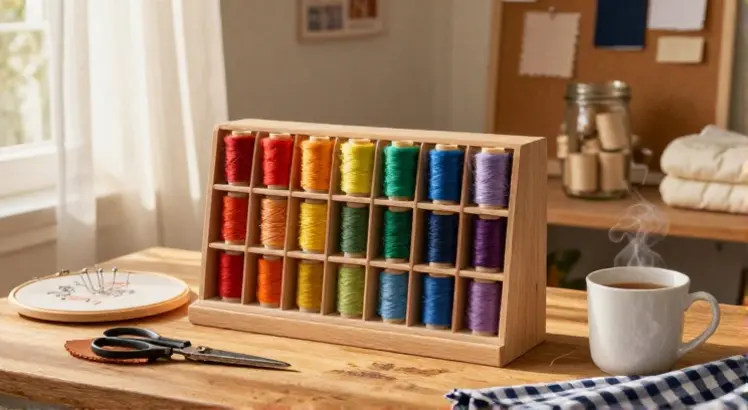
If you’ve ever dug through a tangled pile of embroidery floss or found faded, brittle sewing thread halfway through a project, you already know why learning how to store thread spools properly matters. Whether you’re a casual sewist working on small crafts or a quilter with a 200-spool collection, improper storage can ruin expensive thread, waste time, and derail your workflow.
In this guide, we’ll break down the best ways to store every type of thread spool, from small embroidery bobbins to heavy-duty denim thread, plus tips to extend your thread’s lifespan. We’ll also explain why thread becomes brittle or unusable over time, and recommend top-rated quilting thread options that hold up well to long-term storage.
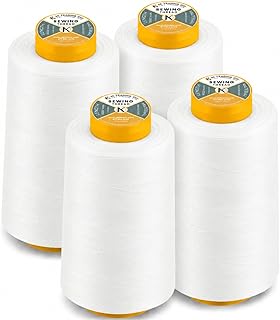
AK Trading 4-Pack White All Purpose Sewing Thread Cones (6000 Yards Each) of High Tensile Polyester Thread Spools for Sewing, Quilting, Serger Machines, Overlock, Merrow & Hand Embroidery
Check PriceWhy Proper Thread Spool Storage Matters
Common Thread Damage From Poor Storage
Thread is made of organic or synthetic fibers that break down when exposed to harsh conditions. Cotton thread absorbs moisture, leading to mold or mildew growth in humid spaces. Polyester and nylon threads fade or become brittle when exposed to UV light. Even high-quality spools can tangle, snag, or unwind if not secured properly, leaving you with yards of unusable thread.
Most sewists don’t realize that thread has a shelf life, even if it’s never been used. According to leading sewing industry experts, thread stored in unregulated environments can lose up to 30% of its tensile strength within 6 months, making it prone to breaking mid-stitch. This is especially problematic for projects that require durable seams, like heavy-duty denim or upholstery work.
How Storage Impacts Project Quality
Using damaged thread doesn’t just waste material—it can ruin finished projects. Faded thread will stand out against fabric, especially if you’re working with solid colors. Brittle thread breaks frequently, leading to uneven stitches or skipped seams. Tangled thread slows down your workflow, adding 10–15 minutes of frustration to every project as you untangle knots.
Proper storage also makes it easier to find the exact spool you need when inspiration strikes. If you sort your spools by color, weight, or fiber type, you won’t have to dig through a bin to find the right match for your fabric. This is especially helpful for sewists who work with a wide range of materials, from delicate chiffon to heavy canvas.
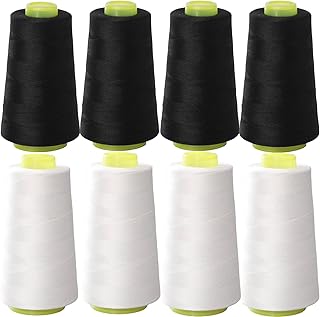
Black & White Sewing Thread, 8PCS 40S/2 3000 Yard Spool Serger Thread, All Purpose Polyester Thread Serger Thread Cones
Check Price7 Best Ways to Store Thread Spools
Wall-Mounted Thread Racks
Wall-mounted racks are the most popular storage option for small to medium spool collections (50–150 spools). They hold spools horizontally on pegs, keeping them visible and untangled. Most racks are made of wood or plastic, and can be mounted to a sewing room wall or the side of a sewing cabinet.
Pros: Easy to install, keeps spools visible, takes up minimal floor space. Cons: Not ideal for large collections, spools can collect dust if left uncovered. Tip: Choose a rack with adjustable pegs to fit both small embroidery spools and large cone threads.
Drawer Insert Organizers
If you prefer to keep your thread out of sight, drawer inserts are a great option. These plastic or foam inserts fit into standard sewing cabinet drawers, with pre-cut slots to hold spools upright. They prevent spools from rolling around, and keep dust and light away from your thread.
Pros: Protects thread from dust and light, fits into existing furniture, easy to sort by color. Cons: Limited capacity, drawers can become heavy if overfilled. Tip: Line the bottom of the drawer with non-slip shelf liner to keep the insert in place.
Airtight Storage Bins
Airtight plastic bins are the best option for sewists in humid climates, or those storing thread long-term. These bins seal out moisture, dust, and pests, preventing mold growth and fiber breakdown. Choose clear bins so you can see your spools without opening the lid.
Pros: Protects against humidity and pests, stackable for large collections, affordable. Cons: Spools can shift during transport, not as easy to access as wall racks. Tip: Add a small silica gel packet to the bin to absorb excess moisture.
Portable Thread Carriers
Portable carriers are designed for sewists who take their projects on the go. These small cases hold 20–50 spools, with secure closures to prevent unwinding. Many have handles or fit into tote bags, making them perfect for sewing classes or retreats.
Pros: Lightweight, portable, protects thread during transport. Cons: Small capacity, not ideal for home storage. Tip: Choose a carrier with adjustable dividers to fit different spool sizes.
Pegboard Storage Systems
Pegboard systems are customizable, making them ideal for large or mixed spool collections. You can add pegs, baskets, and shelves to hold spools, bobbins, and sewing tools all in one place. Mount the pegboard to a wall, or use a freestanding pegboard rack.
Pros: Highly customizable, holds thread and tools together, scalable for large collections. Cons: Requires installation, spools are exposed to dust. Tip: Paint the pegboard a light color to make spool colors easier to identify.
Labeled Plastic Boxes
Small plastic bead boxes or tackle boxes work well for storing small spools or embroidery floss. These boxes have multiple small compartments, so you can sort spools by color, weight, or project. Label each compartment with a sticker or marker for easy access.
Pros: Affordable, easy to sort, portable. Cons: Not ideal for large spools, compartments can be too small for cone threads. Tip: Use a label maker to create clear, durable labels for each compartment.
Climate-Controlled Cabinets
For professional sewists or those with expensive, specialty thread collections, climate-controlled cabinets are the gold standard. These cabinets regulate temperature and humidity, keeping thread in optimal conditions for years. They often have glass doors to keep dust out while keeping spools visible.
Pros: Maximum protection, regulates temperature and humidity, durable. Cons: Expensive, takes up floor space. Tip: Only invest in a climate-controlled cabinet if you have a collection worth more than $500, or store thread for resale.
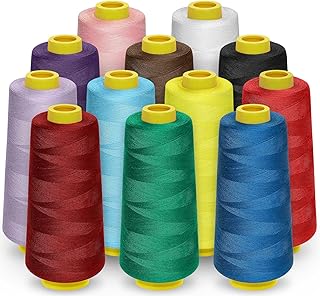
12 Pack Serger Thread Cones, 1800 Yards Each Spool Overlock Thread, PolyesterThread 40s/2 for Serger&Overlock, Quilting, Piecing, Sewing Machine
Check PriceHow to Store Specialty Thread Types
Embroidery Floss & Bobbins
Embroidery floss is sold in small skeins, not spools, but the storage principles are similar. Store skeins in clear plastic bags sorted by color number, or wrap them around cardboard floss cards to prevent tangling. For embroidery bobbins, use a dedicated bobbin holder or a small plastic box with compartments.
Tip: Never store embroidery floss in direct sunlight, as the dyed fibers fade quickly. If you use pre-wound bobbins, store them in a sealed container to prevent dust from building up on the thread.
Heavy-Duty Denim & Leather Thread
Heavy-duty threads are thicker and more durable than standard sewing thread, but they are still prone to moisture damage. Store these spools in airtight bins, as they are often used for outdoor projects and need to resist mold. Keep them separate from lightweight threads to avoid confusion.
Metallic & Specialty Spools
Metallic, glow-in-the-dark, and variegated threads are more fragile than cotton or polyester threads. They break easily if bent or tangled, so store them in individual plastic sleeves or small compartments to prevent friction. Keep them away from sharp objects that could snag the thread.
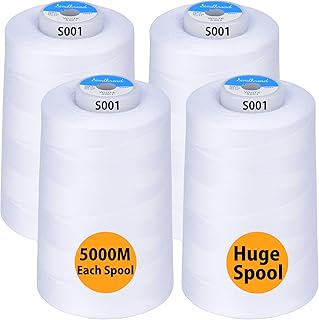
Simthread All Purpose Sewing Thread from 100% Spun Polyester for Serger, Overlock, Merrow, Quilting Sewing 4 Big Cones of 5000M (5500 Yards) Each – 40S/2 White
Check PriceExpert Tips to Extend Thread Lifespan
Control Temperature & Humidity
Thread lasts longest in temperatures between 60–75°F (15–24°C) and humidity levels between 40–50%. Avoid storing thread in attics, garages, or basements, where temperatures fluctuate drastically. If you live in a humid climate, use a dehumidifier in your sewing room.
Avoid Direct Sunlight
UV light breaks down synthetic fibers and fades dyed thread within weeks. Store thread away from windows, or use curtains to block direct sunlight. If you use wall-mounted racks, place them on a wall opposite windows to minimize light exposure.
Keep Spools Secured
Unsecured spools unwind easily, leading to tangles and wasted thread. Use rubber bands, thread clips, or small pieces of tape to secure the loose end of the thread to the spool. For cone threads, use a cone cap to keep the thread in place.
Quick Storage Do’s and Don’ts
- Do store thread in a cool, dry place away from direct sunlight.
- Do secure loose thread ends to prevent tangling.
- Do sort spools by color or weight for easy access.
- Don’t store thread in attics, garages, or basements.
- Don’t leave spools uncovered in dusty sewing rooms.
- Don’t mix heavy-duty and lightweight threads in the same bin.
Frequently Asked Questions
Can I store thread spools in a garage?
No, garages are not suitable for thread storage. They are exposed to extreme temperature fluctuations, humidity, dust, and pests, all of which damage thread quickly. If you have no other space, use an airtight bin with a silica gel packet, but check your thread every 3 months for damage.
How often should I rotate my thread stock?
Use the “first in, first out” rule: use older spools before newer ones to prevent thread from expiring. Check your collection every 6 months for signs of brittleness, fading, or mold. Discard any thread that breaks easily or has visible damage.
Is it better to store spools horizontally or vertically?
Horizontal storage (on pegs or racks) is better for most spools, as it keeps the thread from sliding off the spool and tangling. Vertical storage (upright in drawers) works well for small spools or bobbins, but make sure the spools are secured so they don’t tip over.
Can I use mason jars to store thread spools?
Yes, mason jars are a affordable, airtight storage option. They protect thread from dust and moisture, and clear glass lets you see spool colors easily. Add a silica gel packet to the jar to absorb excess moisture, and avoid placing jars in direct sunlight to prevent fading.
Conclusion
Learning how to store thread spools properly is a small investment of time that pays off in saved money, less frustration, and better project results. Start by assessing your collection size and sewing space: wall-mounted racks work best for small, visible collections, while airtight bins are ideal for humid climates or long-term storage.
Remember to keep thread away from heat, humidity, and direct sunlight, and secure loose ends to prevent tangles. If you’re building a new thread collection, check out our guide to top-rated quilting thread options to find spools that hold up well to storage. With the right storage system, your thread will stay usable for years, ready for every project you dream up.

Disclosure: As an Amazon Associate, we earn from qualifying purchases at no extra cost to you. Our posts are created with AI tools and human editing.