
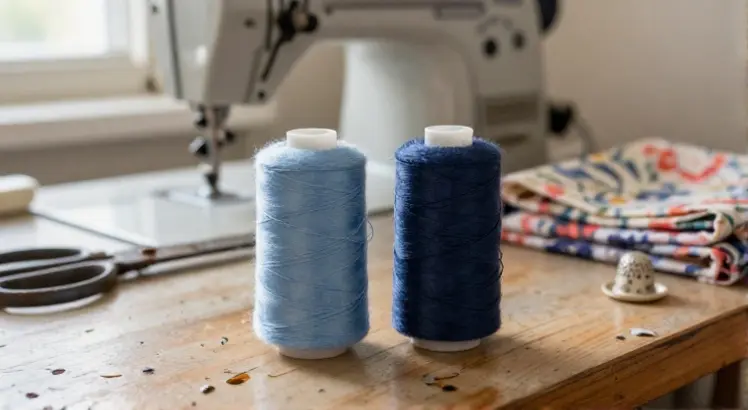
Are you standing in the sewing store staring at spools of thread, wondering about the real difference between overlock thread vs serger thread? You’re not alone. This is one of the most common questions in the sewing community, and the answer might surprise you. While these terms are often used interchangeably, there are some important nuances every sewist should understand before making their next thread purchase.
In this comprehensive guide, we’ll unravel the mystery behind overlock and serger threads, explore whether you can use regular thread in your serger, and help you make the best choice for your specific projects. By the end, you’ll have the confidence to select the right thread for professional-looking finished seams every time.
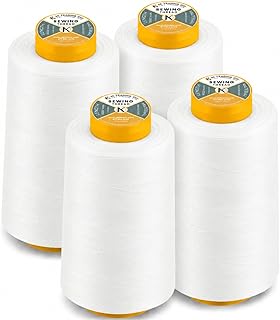
AK Trading 4-Pack White All Purpose Sewing Thread Cones (6000 Yards Each) of High Tensile Polyester Thread Spools for Sewing, Quilting, Serger Machines, Overlock, Merrow & Hand Embroidery
Check PriceUnderstanding the Basics: Overlocker vs Serger
Before diving into thread specifics, it’s essential to clarify the machine terminology. The confusion around thread often stems from the different names for the same type of machine. In the United States and Canada, we call it a “serger.” In most other parts of the world, including Europe and Australia, it’s called an “overlocker.”
Both machines perform the same function: they trim seam allowances, enclose raw edges, and prevent fabric from fraying using multiple threads and loopers. If you’re unsure about the differences between these machines themselves, you might want to check out our detailed comparison of overlocker vs serger machines to clear up any confusion.
Since the machines are essentially the same (just with different regional names), the threads marketed for them share more similarities than differences. However, marketing and regional preferences have created distinct categories that can confuse shoppers.
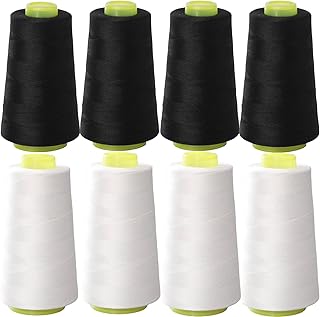
Black & White Sewing Thread, 8PCS 40S/2 3000 Yard Spool Serger Thread, All Purpose Polyester Thread Serger Thread Cones
Check PriceAre Overlock Thread and Serger Thread the Same?
The short answer is: technically, yes, they are the same type of thread. Both overlock thread and serger thread are specifically manufactured for use in overlock/serger machines. They share these common characteristics:
- Thinner construction: Both are typically finer than standard sewing thread to prevent bulk at seam intersections
- Smooth finish: Designed to reduce friction and prevent looping or skipping
- Strength: Engineered to withstand the high-speed operation of sergers (often 1,300+ stitches per minute)
- Large cone packaging: Sold on cones rather than small spools to accommodate the high thread consumption of overlocking
However, when shopping, you might notice that “overlock thread” is sometimes marketed slightly differently than “serger thread” based on regional preferences and brand positioning. Let’s explore the subtle distinctions.
Key Differences Between Overlock Thread and Serger Thread
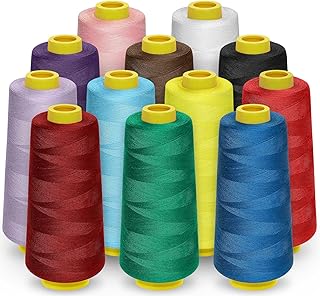
12 Pack Serger Thread Cones, 1800 Yards Each Spool Overlock Thread, PolyesterThread 40s/2 for Serger&Overlock, Quilting, Piecing, Sewing Machine
Check Price1. Regional Labeling and Marketing
The most significant “difference” is purely linguistic. Thread sold in the United States is labeled “serger thread,” while the same product sold in the UK or Australia might be labeled “overlock thread.” Brands like Gutermann, Mettler, and Coats & Clark adapt their labeling based on the market.
For example, what Americans know as “Maxi-Lock Serger Thread” might be packaged as “Gutermann Overlock Thread” in European markets. The thread inside is virtually identical.
2. Fiber Content Variations
While both types come in various fiber contents, you might notice regional trends:
- Polyester: The most common for both. It’s strong, colorfast, and has slight stretch.
- Cotton: More popular in overlock threads in some international markets; preferred for natural fiber garments.
- Nylon: Sometimes used for specialty serger threads, particularly for lingerie and stretch fabrics.
- Wooly Nylon: A specialty thread used in the loopers of sergers for elastic finishes on swimwear and lingerie.
3. Thread Weight and Thickness
Serger and overlock threads typically range from Tex 27 to Tex 35 (or about 40wt to 50wt in the American system). However, some brands marketed specifically as “serger thread” in the US might run slightly thicker (around Tex 30) to appeal to users who want more visible stitching. Conversely, “overlock thread” from European brands might trend toward the finer end (Tex 27) for a more delicate finish.
4. Cone Size and Yardage
Both come on cones, but the yardage can vary. Serger thread cones in the US often contain 3,000 to 6,000 yards. Overlock thread cones in international markets might offer different yardage options. Always check the label to ensure you’re getting enough thread for your project.
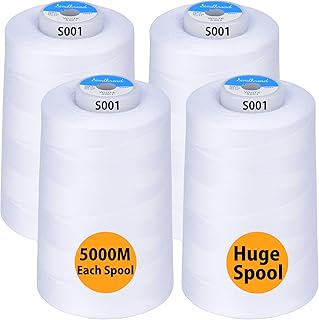
Simthread All Purpose Sewing Thread from 100% Spun Polyester for Serger, Overlock, Merrow, Quilting Sewing 4 Big Cones of 5000M (5500 Yards) Each – 40S/2 White
Check PriceCan You Use Regular Sewing Thread in a Serger?
This is a critical question for many sewists looking to save money or use up their thread stash. The answer is: it depends on your machine and the project.
When It’s Okay to Use Regular Thread
- Occasional use: If you’re serging a single project and don’t want to buy cones, you can use regular thread spools.
- Decorative purposes: Using regular thread in the upper looper for a decorative edge is common.
- Older or basic sergers: Some older models handle standard spools better than modern high-speed machines.
When You Shouldn’t Use Regular Thread
- High-speed serging: Regular thread isn’t engineered for the speed and can break or shred.
- Multiple cones needed: Sergers use 3-4 cones at once. Using small spools means constant rewinding and inconsistent tension.
- Professional results: Regular thread is often too thick, creating bulky seams that don’t press flat.
If you’re looking for the best thread options for your machine, whether it’s a serger or a standard sewing machine, our guide to the best thread brands for sewing machines offers excellent recommendations that can also apply to sergers.
How to Choose the Right Thread for Your Serger
Selecting the perfect thread doesn’t have to be overwhelming. Consider these factors:
1. Match Thread to Fabric
- Woven fabrics: Cotton or polyester overlock/serger thread works well.
- Knits and stretch fabrics: Polyester thread with some elasticity is essential to prevent popped seams.
- Delicate fabrics: Use a finer thread (higher weight number) to avoid puckering.
- Heavy fabrics: Choose a slightly thicker thread (lower weight number) for durability.
2. Consider Thread Color
For most projects, matching the thread to the fabric is ideal. However, many serger users keep neutral colors (black, white, beige, and gray) on hand. These can blend with many fabrics, saving you from constantly changing cones.
3. Quality Matters
Investing in high-quality overlock or serger thread pays off. Cheap thread often contains impurities, has inconsistent thickness, and can leave lint inside your machine. Trusted brands include:
- Maxi-Lock: A favorite among American serger users
- Gutermann: Excellent quality, widely available internationally
- Mettler: Swiss-made, known for consistency
- Coats & Clark: Affordable and reliable
- WonderFil: Specialty threads for decorative serging
Common Problems and Solutions
Thread Breaking
If your overlock or serger thread keeps breaking:
- Check that you’re using quality serger/overlock thread
- Ensure the thread is properly threaded through all guides
- Adjust tension settings (refer to your manual)
- Replace bent or damaged needles
Looper Thread Showing on Right Side
This usually indicates incorrect tension. The looper thread (usually the one that forms the stitches on the edge) shouldn’t show on the fabric’s right side. Adjust the looper tension dials according to your fabric type.
Uneven Stitches
Inconsistent stitch formation often results from:
- Using regular sewing thread instead of proper serger/overlock thread
- Incorrect differential feed settings
- Dull or wrong size needle
Tips for Buying Overlock and Serger Thread
Smart shopping can save you money and frustration:
- Buy in bulk: Since sergers consume thread quickly, purchasing multi-packs or larger cones is economical.
- Stick to one brand: Different brands may have slight variations in thickness or finish that affect tension.
- Store properly: Keep thread away from direct sunlight and humidity to prevent weakening.
- Test before starting: Always test thread on scraps of your project fabric to check for compatibility.
Serger Thread vs Overlock Thread: Quick Comparison Chart
To summarize the key points:
- Name: Regional difference only (Serger = US, Overlock = International)
- Construction: Essentially identical; designed for high-speed, multi-thread stitching
- Packaging: Both come on cones; yardage varies by brand
- Fiber content: Both available in polyester, cotton, nylon, and specialty blends
- Price: Comparable; varies by brand and quality
Frequently Asked Questions
Is overlock thread the same as regular sewing thread?
No. Overlock/serger thread is finer, smoother, and comes on larger cones. Regular sewing thread is thicker and designed for single-needle stitching on standard machines.
Can I use embroidery thread in my serger?
You can use embroidery thread in the upper looper for decorative effects, but it’s not suitable for all four positions. Embroidery thread is often too fragile for the high-speed operation of sergers.
How much thread does serging use?
Sergers are thread-hungry! They can use 5-6 times more thread than a standard sewing machine for the same seam length. This is why buying cones rather than spools is essential.
What weight is serger thread?
Most serger/overlock thread is between 40wt and 50wt (Tex 27-35). The weight indicates thickness—higher numbers mean finer thread.
Why is serger thread on cones instead of spools?
Cones allow thread to unwind smoothly at high speeds without twisting or tangling. They also hold significantly more thread than standard spools, which is necessary given how quickly sergers consume thread.
Conclusion: Making the Right Choice
When it comes to overlock thread vs serger thread, remember: they’re essentially the same product with different names based on geography. Whether you call it overlock or serger thread, the key is choosing a high-quality product designed specifically for your machine.
For best results:
- Invest in quality cones from reputable brands
- Match fiber content to your fabric type
- Keep basic neutral colors on hand for convenience
- Don’t use regular sewing thread as a long-term substitute
By understanding these nuances, you’ll achieve professional, durable finishes on all your serged seams. Happy serging!
Disclaimer: This article contains affiliate links. If you purchase through these links, we may earn a small commission at no extra cost to you.

Disclosure: As an Amazon Associate, we earn from qualifying purchases at no extra cost to you. Our posts are created with AI tools and human editing.