
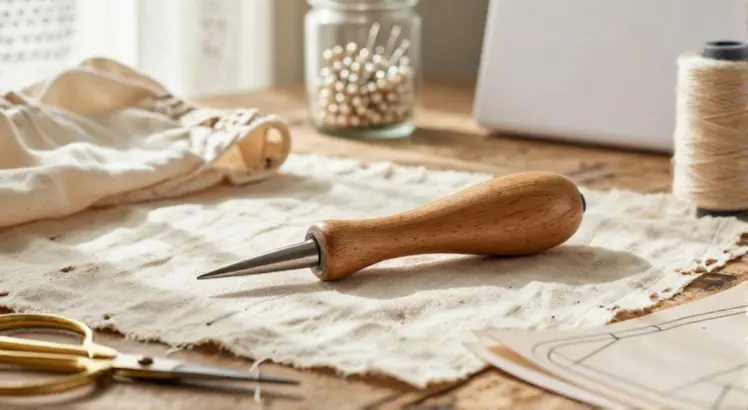
Any seasoned sewist knows that achieving professional, tailor-made results often comes down to the mastery of small details. One of the most common frustrations in quilting and garment construction is the dog-ear, those bulky, uneven corners that refuse to lay flat no matter how much you iron them. When you are turning a collar, a corner of a quilt block, or a narrow strap, fingers simply aren’t precise enough to push out the seam without leaving creases or, worse, puncturing the fabric with a stray needle. You want sharp, crisp points that look like they were made by a high-end factory, not a home desktop.
The solution is a specialized tool designed specifically for this task: the sewing point turner. These affordable accessories allow you to get into the tightest corners to define the fabric’s grain before pressing. After researching the top-rated tools on the market, the best overall point turner for 2026 is The Quilted Bear Wooden Point Turner. Its ergonomic wooden design provides the perfect balance of firmness for crisp corners and safety for delicate fabrics.
Best Sewing Point Turner of 2026
Sewing notions like point turners are designed to work alongside other small, specialized tools to help you achieve clean, professional results in every project. Our roundup of the top seam rippers for sewing enthusiasts breaks down the most reliable options for fixing mistakes and trimming threads, making it easy to find a seam ripper that pairs perfectly with your preferred point turner. For authoritative background on point turners and their place in a sewist’s toolkit, the Wikipedia guide to sewing notions outlines the full range ofessential supplies, including details on how point turners differ from similar precision tools.
1. The Quilted Bear Wooden Point Turner – Ergonomic Wooden Tool for Crisp Corners
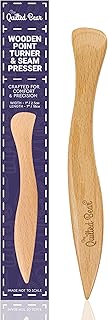
The Quilted Bear Wooden Point Turner
Check PriceWhy it stands out
This tool is crafted from high-quality wood, offering a smooth finish that glides against fabric without snagging. Its ergonomic shape fits comfortably in the hand, making it easy to apply the necessary pressure to define seams and corners.
Key points
- Durable wooden construction
- Ergonomic grip for reduced hand fatigue
- Multi-functional for seam marking and turning
- Smooth edges to prevent fabric damage
Pros
- Provides a crisp, professional press
- Feels substantial and high-quality in hand
- Natural wood is heat-resistant for pressing
- Affordable price point
- Great for both quilting and garment sewing
Cons
- Wood requires occasional maintenance to stay smooth
- Not as widely available in local craft stores
Best for
Quilters and seamstresses looking for a traditional, durable tool that offers superior control.
2. Dritz 636 Point Turner & Seam Creaser – Classic White Plastic Turner
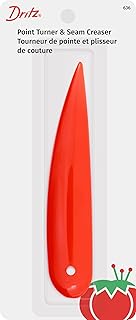
Dritz 636 Point Turner & Seam Creaser
Check PriceWhy it stands out
As an industry standard, the Dritz 636 is instantly recognizable. Its pointed end is designed to easily slide into corners, while the flat end works perfectly as a creaser for denim or heavy canvas.
Key points
- Classic Dritz design
- Dual-ended functionality
- Lightweight and easy to store
- Ideal for a variety of fabric weights
Pros
- Very affordable and accessible
- Easy to clean with just a damp cloth
- Sharp point for precise corner definition
- Does not retain heat like metal tools
- Perfect for beginners
Cons
- Plastic may feel less premium than wood
- Can snap if too much force is applied to thick seams
Best for
Beginners and those who need a reliable, low-cost tool for occasional sewing projects.
3. 2PCS Wood Point Turner – Double Pack for Quilting and Sewing
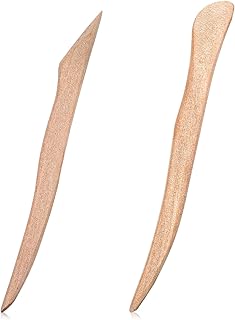
2PCS Wood Point Turner
Check PriceWhy it stands out
This set provides excellent value by including two wooden tools. The natural wood grain ensures a smooth surface, and the dual-pack means you can keep one at your ironing board and one at your sewing machine.
Key points
- Value pack of two turners
- Natural wood material
- Curved edges for seam pressing
- Suitable for patchwork and crimping
Pros
- Great value for money
- Wood is gentle on delicate fabrics
- Helps achieve sharp, crisp corners
- Can be used as a marking tool
- Sturdy and long-lasting
Cons
- May have minor variations in wood finish
- No grip enhancements on the handle
Best for
Sewists who want a backup tool or prefer to have multiple stations set up for efficiency.
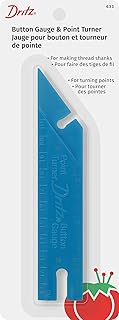
4. Dritz 5-1/2″ Button Gauge & Point Turner – Multi-Use Blue Tool
Dritz 5-1/2″ Button Gauge & Point Turner
Check PriceWhy it stands out
This tool combines a point turner with a button gauge, making it a versatile addition to any sewing kit. The blue plastic is easy to spot, and the integrated gauge helps ensure consistent button placement.
Key points
- 2-in-1 design (Turner + Gauge)
- Bright blue color for visibility
- Compact 5.5-inch size
- Durable plastic construction
Pros
- Saves space by combining tools
- Helps with precise button positioning
- Lightweight and portable
- Easy to wipe clean
- Affordable multi-purpose solution
Cons
- Smaller size may be difficult for those with large hands
- Plastic edge may be less effective on heavy wool
Best for
Sewers who are short on space and need a tool that can do double duty for buttons and corners.
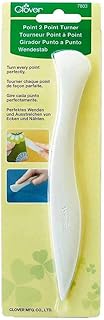
5. Clover Needlecraft 2 Point Turner – White Precision Turner
Clover Needlecraft 2 Point Turner
Check PriceWhy it stands out
Clover is known for high-quality sewing accessories, and this point turner is no exception. It is designed to easily turn out points on collars, laps, and pockets for a professional finish.
Key points
- High-quality Clover craftsmanship
- Precision tip for tight corners
- Smooth white plastic body
- Perfect for detailed patchwork
Pros
- Trusted brand in the sewing community
- Excellent for turning narrow straps
- Sturdy and well-molded
- Helps prevent fabric distortion
- Easy to handle for long periods
Cons
- Slightly higher price than generic brands
- White plastic can stain over time
Best for
Crafters who trust the Clover brand and need a reliable tool for high-precision work.
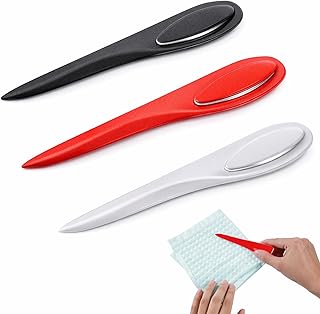
6. Dplolng 3 Pcs Point Turner Sewing Tool – Colorful Plastic Set
Dplolng 3 Pcs Point Turner Sewing Tool
Check PriceWhy it stands out
This set includes three point turners in different colors (Red, White, and Black), providing a fun and functional variety. They are perfect for quickly marking and turning seams on various projects.
Key points
- Set of three colorful tools
- Plastic construction for durability
- Ideal for marking and turning
- Great for quilting and crafts
Pros
- Very budget-friendly
- Multiple colors help with organization
- Simple design that is easy to use
- Good for classroom or group settings
- Lightweight and easy to store
Cons
- Plastic may be less effective on very heavy fabrics
- Finish may not be as smooth as wooden versions
Best for
Beginners, sewing teachers, or anyone who wants a multi-pack of basic turners.
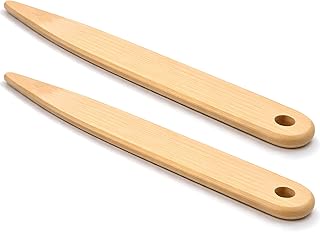
7. Lothee 2 Pcs Point Turner Sewing Tool – Wooden Seam Creaser
Lothee 2 Pcs Point Turner Sewing Tool
Check PriceWhy it stands out
The Lothee set features a classic wooden design that is both aesthetic and functional. The tools are shaped to provide a comfortable grip while effectively pressing seams and turning points.
Key points
- Elegant wooden aesthetic
- Comes in a convenient 2-pack
- Smooth surface for fabric care
- Versatile for quilting and sewing
Pros
- Natural wood is heat-resistant
- Provides a very crisp corner finish
- Durable and long-lasting
- Affordable price for a double set
- Feels professional in the hand
Cons
- Wood may splinter if dropped or misused
- Requires occasional sanding to maintain smoothness
Best for
Traditional sewists who prefer the feel and performance of natural wood tools.
8. Affrolling 2 Pcs Point Turner Sewing Tool – Pink Seam Creaser
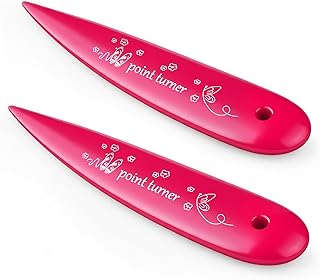
Affrolling 2 Pcs Point Turner Sewing Tool
Check PriceWhy it stands out
Featuring a vibrant pink color, this 2-piece set adds a pop of color to your sewing kit. It is designed to easily turn points and create crisp creases on a variety of fabrics.
Key points
- Stylish pink design
- 2-piece set for value
- Dual-purpose for turning and creasing
- Suitable for quilting and general sewing
Pros
- Eye-catching and easy to find
- Effective for most medium-weight fabrics
- Affordable and practical
- Helps achieve professional-looking corners
- Lightweight and easy to maneuver
Cons
- Color may fade over time with heavy use
- Plastic may not provide as sharp a crease as wood
Best for
Sewers who love colorful accessories and need a reliable, basic point turner.
9. Pink Point Turner & Seam Creaser – Dual-Use Craft Accessory
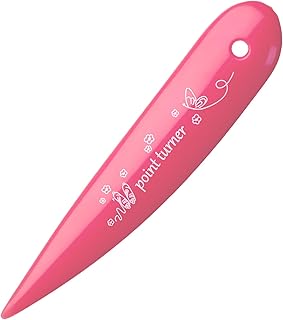
Pink Point Turner & Seam Creaser
Check PriceWhy it stands out
This dual-use tool is specifically designed for fabric corner turning and seam pressing. Its pink finish makes it a stylish yet highly functional addition to your quilting supplies.
Key points
- Dual-use design (Turner and Presser)
- Bright pink for visibility
- Compact and easy to handle
- Ideal for quilting projects
Pros
- Versatile for multiple sewing tasks
- Helps create sharp, defined corners
- Sturdy plastic construction
- Affordable crafting tool
- Great for pressing seams open
Cons
- May not be as durable as heavy-duty wooden tools
- Point may be slightly rounded compared to others
Best for
Quilters and general crafters looking for a pop of color and reliable performance.
10. Calvana Wood Dual Point Turner & Crease Maker – Precision Quilting Tool
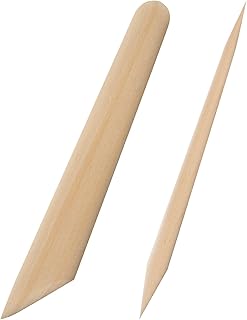
Calvana Wood Dual Point Turner & Crease Maker
Check PriceWhy it stands out
The Calvana tool is designed for precision, making it compatible with high-end systems like Prym Love. It features a dual-ended design that allows for both fine point turning and broader seam creasing.
Key points
- High-precision wooden tool
- Dual-ended for versatility
- Compatible with Prym Love products
- Perfect for crisp folds and corners
Pros
- Professional-grade precision
- Beautiful wood finish
- Excellent for detailed quilting
- Durable and long-lasting
- Ergonomic for comfortable use
Cons
- Higher price point than basic plastic models
- Wood requires care to prevent drying out
Best for
Advanced quilters and sewists who demand the highest level of precision and quality.
11. CTWHA 6PCS White Plastic Point Turner – Bulk Set for Dressmaking
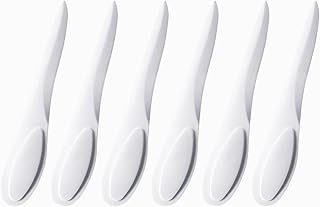
CTWHA 6PCS White Plastic Point Turner
Check PriceWhy it stands out
If you need to stock a classroom or just want to ensure you never lose your tool, this 6-piece set is the perfect solution. These are specialized for sewing, quilting, and dressmaking.
Key points
- Bulk pack of six turners
- Specialized for fabric turning
- White plastic for easy visibility
- Great for garment cutting and crafts
Pros
- Extremely cost-effective
- Enough tools for multiple projects or students
- Simple, no-frills design
- Easy to sanitize and clean
- Lightweight and portable
Cons
- Basic plastic quality
- May not last as long as wooden tools
Best for
Sewing instructors, students, or anyone who needs a large quantity of basic tools.
12. 10PCS Fabric Tube Turner & Point Turner – 3 Styles for Straps
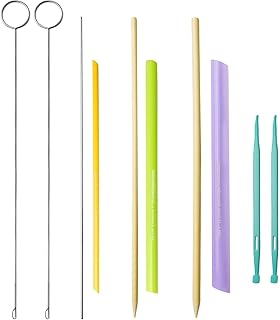
10PCS Fabric Tube Turner & Point Turner
Check PriceWhy it stands out
This is the ultimate kit for anyone working with bias tape, straps, or narrow tubes. It includes 10 pieces in 3 different styles, covering everything from corner pressing to quick fabric reversing.
Key points
- Massive 10-piece set
- Includes 3 different turning styles
- Assorted sizes for various strap widths
- Great for quick fabric reversing
Pros
- Covers almost every turning need
- Excellent value for the variety
- Perfect for bag makers and strap makers
- Helps turn narrow tubes easily
- Includes dedicated point turning tools
Cons
- Can be overwhelming due to the number of pieces
- Storage can be an issue
Best for
Bag makers, accessory designers, and sewists who frequently work with narrow fabric tubes and straps.
13. 1 Set Bamboo Point Turner Seam Creaser – Eco-Friendly Patchwork Tool
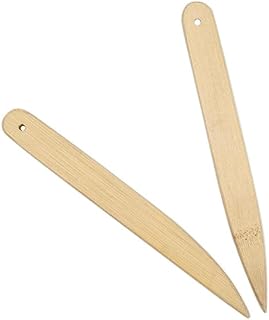
1 Set Bamboo Point Turner Seam Creaser
Check PriceWhy it stands out
Made from sustainable bamboo, this tool is an eco-friendly alternative to plastic. Bamboo is naturally smooth and strong, making it ideal for pressing seams and turning crisp corners without damaging the fabric.
Key points
- Eco-friendly bamboo material
- Smooth finish for fabric protection
- Multi-functional for patchwork
- Includes a seam ripper in the set
Pros
- Sustainable and environmentally conscious
- Stronger and more durable than standard wood
- Natural luster and smooth feel
- Great for crimping and pressing
- Unique aesthetic appeal
Cons
- Bamboo can be more porous than other woods
- May be slightly more expensive than basic wood
Best for
Eco-conscious sewists who want a high-performance, sustainable tool for their craft room.
How to Choose the Best Sewing Point Turner
Selecting the right point turner depends heavily on the types of projects you undertake most often and your personal preference for tool materials. The three main materials used in point turners are wood, plastic, and bamboo, each offering distinct advantages. Wooden turners, like the The Quilted Bear Wooden Point Turner, are often favored by quilters because wood is heat-resistant. This means you can use them to press seams open with your iron without the tool melting or retaining excessive heat. Wood also provides a satisfying, substantial weight in the hand. However, they require occasional maintenance, such as sanding to remove burrs, to keep them smooth.
Plastic turners, such as the Dritz 636 or the CTWHA 6PCS set, are generally more affordable and easier to clean. They are excellent for beginners because they are lightweight and often feature a very sharp point for getting into tight corners. The downside is that plastic can melt if left on a hot ironing surface and may not provide the same “press” as a dense wooden tool. If you do a lot of work with heavy fabrics like denim or canvas, a sturdy wooden or thick plastic turner is essential to provide the leverage needed to define the seam. For those interested in sustainability, bamboo options like the 1 Set Bamboo Point Turner offer a middle ground, providing the durability of wood with the eco-friendly benefits of a fast-growing resource.
Beyond material, consider the design features. Some turners, like the Dritz Button Gauge & Point Turner, offer multi-functionality which is great for saving space. If you frequently make bags or straps, a set that includes tube turners, like the 10PCS Fabric Tube Turner & Point Turner, will be far more useful than a single-pointed tool. Always look for a tool with a smooth finish; any roughness can snag delicate fabrics like silk or tulle, ruining hours of hard work. Finally, consider the size of the tool—if you have small hands, a 5.5-inch tool might be perfect, whereas those with larger hands may prefer a longer 7-inch tool for better leverage.
Mistakes to Avoid When Using a Point Turner
Even with the best tool, technique is crucial to achieving professional results. One of the most common mistakes is turning the point before trimming the seam allowance. If you try to turn a corner with a bulky, untrimmed seam, you will end up with a “dog-ear” that is impossible to press flat. Always trim the seam allowance at the corner diagonally (without cutting your stitches) before using your point turner.
Another mistake is using the wrong amount of force. While it is tempting to jam the tool into the corner to get it out, too much pressure can push through the fabric or cause the stitches to pucker. Gently wiggle the tool to ease the fabric to the very tip.
Many sewists also make the error of trying to turn the point while the fabric is flat. For the crispest results, you should use the point turner to “pop” the corner out, and then immediately press it with an iron. Using the point turner in conjunction with heat sets the fibers in the correct position. Additionally, avoid using a point turner on fabrics that are prone to water spots or marking, such as silk or wool, unless the tool is perfectly clean and smooth.
A rough wooden tool can leave shiny spots on delicate fabrics. Finally, never leave a plastic point turner on your ironing board. It takes only a second of contact with a hot iron to melt the plastic onto your board or, worse, onto your project. Always place your tool safely on your work table when moving to the ironing stage.
Another frequent oversight is ignoring the creasing end of the tool. Many point turners have a curved or flat end specifically for marking and creasing seams without thread. Using scissors or a dull object to crease your fabric can lead to permanent damage or inaccurate lines. By using the dedicated creaser, you ensure your marks are temporary and your seams are perfectly aligned. Whether you are working on a simple pillowcase or a complex quilt, avoiding these simple mistakes will elevate the quality of your finished product significantly.
FAQ
- What is a point turner used for in sewing? A point turner is used to push out the corners of fabric after it has been sewn and turned right-side out. It helps define the corner for a sharp, professional look.
- Can I use a knitting needle instead of a point turner? While a knitting needle can work in a pinch, it lacks the flat edge needed for creasing seams and may be too sharp, risking damage to the fabric.
- Are wooden or plastic point turners better? Wooden turners are generally better for pressing and heavy fabrics, while plastic turners are more affordable and easier to clean. It often comes down to personal preference.
- How do I clean my point turner? Plastic turners can be wiped with a damp cloth. Wooden turners should be kept dry; if they get rough, lightly sand them with fine-grit sandpaper.
- Can a point turner be used on delicate fabrics like silk? Yes, but ensure the tool has a very smooth finish. Wooden turners are often preferred for silk as they are less likely to snag than poorly molded plastic.
- What does the “seam creaser” side do? The flat or curved end is used to press seams open or create a crisp fold in the fabric without using an iron, which is helpful for marking and temporary placement.
- Is the Dritz 636 Point Turner heat resistant? No, it is made of plastic and will melt if it comes into contact with a hot iron. Always use wooden turners for heat-intensive tasks.
- Why are there different sizes in some sets? Different sizes are used for different tasks. Narrow turners are for thin straps, while wider ones are for pushing out larger corners on quilts or garments.
- Can I use a point turner for quilting? Absolutely. Point turners are essential for quilters to define the corners of blocks and to press open the seams between quilt pieces for a flat finish.
- Where should I store my point turner? Store it in a safe place away from the iron. Many sewers keep theirs in a dedicated tool caddy or a magnetic tray on their sewing table.
Conclusion
A point turner is one of those small investments that pays for itself almost immediately by saving you time and improving the quality of your work. While it might seem like a simple stick, the difference between a sharp, tailored corner and a rounded, homemade-looking one is often just a few seconds of work with the right tool. Whether you prefer the classic feel of the Dritz 636, the eco-friendly appeal of the Bamboo Point Turner, or the comprehensive utility of the 10PCS Tube Turner Set, there is an option on this list for every type of sewist.
For most users, the The Quilted Bear Wooden Point Turner remains the top choice for 2026 due to its balance of quality, price, and performance. Its ergonomic wooden design provides the perfect amount of pressure to define seams without damaging the fabric. By choosing a tool that fits your hand and your budget, you can ensure that every collar, quilt block, and pocket you make looks like it was crafted by a professional. Don’t let another project suffer from “dog-ears”—add a quality point turner to your sewing kit today and see the difference for yourself.
Once you’ve selected the right point turner for your needs, you can put it to use in a wide variety of small sewing projects. Our step-by-step guide to sewing a zipper pouch walks you through creating a functional, stylish accessory where a point turner is essential for getting sharp, crisp corners on the pouch edges. Following this guide will help you get immediate use out of your new point turner while improving the overall quality of your finished work.
