
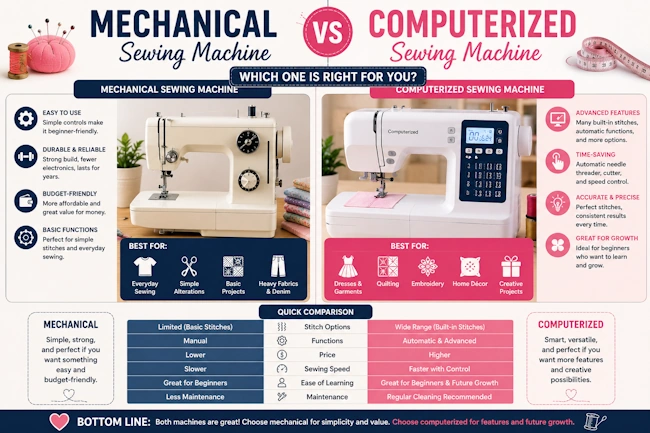
Choosing your first (or next) sewing machine is a big decision, and the debate between mechanical vs computerized sewing machine models is one of the most common pain points for buyers. Whether you’re a total beginner stitching your first pillowcase or an intermediate sewist tackling denim jackets, the type of machine you pick will directly impact how much you enjoy your projects, how fast you work, and what kinds of techniques you can master.
As a sewist with over a decade of experience using both machine types for everything from delicate silk to heavy canvas, I’ll break down the facts without jargon or bias. There’s no one size fits all winner here; your ideal machine depends entirely on what you sew, how often you use it, and how comfortable you are with tech. We’ll cover core features, pros and cons, real-world comparisons, and actionable advice to help you make the right choice.
What Is a Mechanical Sewing Machine?
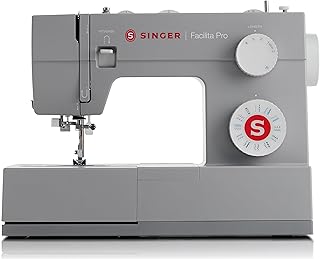
SINGER® Heavy Duty 4423 (Grey) High Speed Sewing Machine + Accessories | 23 Built-In Stitches Deliver 97 Stitch Applications | 50% More Power, 1100 Stitches/Min | Metal Frame, 1-Step Buttonhole
Check PriceMechanical sewing machines are the classic models you probably picture when you think of a “traditional” sewing machine. They rely entirely on physical dials, knobs, and levers to control stitch length, width, tension, and type. There are no digital screens, no microchips, and no automated functions; every adjustment is made manually by the user. These machines are powered by a foot pedal connected to a mechanical motor, with speed controlled by how hard you press the pedal.
Key Features of Mechanical Models
- Manual dial controls for stitch selection, length, and width
- Physical foot pedal with variable speed control (pressure-based)
- Mechanical internal components: metal gears, belts, and levers instead of circuit boards
- Fewer built-in stitches (usually 10–50, mostly utility stitches like straight, zigzag, and blind hem)
- Manual thread cutter, reverse lever, and bobbin winding mechanism
Pros of Mechanical Sewing Machines
- Extremely durable: fewer electronic components mean less can break, and most parts are easy to replace at home
- Affordable: entry-level models start at $80, with high-end mechanical models rarely exceeding $300
- No learning curve for tech-averse users: if you can turn a dial, you can use the machine
- Lightweight and portable: most mechanical models weigh under 15 pounds, easy to carry to classes or sewing groups
- Works without power: some mechanical models can be operated with a hand crank (great for off-grid sewing or power outages)
- Handles heavy fabrics better: metal gears provide more torque for thick materials like denim, canvas, and leather
Cons of Mechanical Sewing Machines
- Limited stitch options: most mechanical models only offer utility stitches, with few decorative or specialty options
- Manual adjustments take time: switching stitch types or adjusting tension requires stopping to turn dials
- No automated features: no one-step buttonholes, automatic thread cutters, or speed control locks
- Less precise: stitch consistency depends entirely on your foot pedal pressure, which can lead to uneven seams for beginners
- Four-step buttonholes: most mechanical models require manual adjustment for each step of the buttonhole
If you’re set on a mechanical model, check out our roundup of tested mechanical sewing machines for every budget and skill level.
What Is a Computerized Sewing Machine?
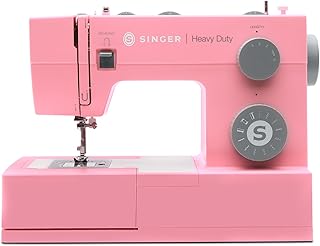
SINGER Heavy Duty 4411 Pink High Speed Sewing Machine
Check PriceComputerized sewing machines (sometimes called digital sewing machines) use internal circuit boards and LCD screens to control all functions. Instead of manual dials, you select stitches, adjust settings, and activate features via buttons or a touchscreen. These models range from beginner-friendly budget options to high-end professional machines with hundreds of built-in stitches and advanced embroidery features.
Key Features of Computerized Models
- LCD/LED screen for stitch selection, settings adjustments, and error alerts
- Push-button or touchscreen controls for stitch length, width, and tension
- Automated features: one-step buttonholes, automatic thread cutters, needle threaders, and speed locks
- Memory functions: save custom stitch combinations for future projects
- More built-in stitches: usually 50–500+, including decorative, alphanumeric, quilting, and embroidery stitches
- Adjustable speed settings: limit maximum sewing speed for better control
Pros of Computerized Sewing Machines
- Faster workflow: automated features cut down on setup time, so you spend more time sewing
- More precise: consistent stitch quality regardless of your foot pedal pressure, thanks to speed lock features
- Beginner-friendly: many models have built-in tutorials, stitch guides, and error alerts for jams
- Versatile: hundreds of stitches let you experiment with embroidery, quilting, and garment sewing
- Customizable: save favorite stitch combinations to memory for repeat projects like uniforms or batch sewing
- One-step buttonholes: sew perfect buttonholes with the press of a button, no manual adjustments needed
Cons of Computerized Sewing Machines
- More expensive: entry-level models start at $150, with high-end models costing $1000+
- Less durable: electronic components can fail, and repairs often cost more than the machine itself
- Learning curve: navigating menus and touchscreens can be frustrating for tech-averse users
- Requires power: no option for hand crank operation, must be plugged in to work
- Heavier: most computerized models weigh 18–25 pounds, harder to transport to classes
- Delicate components: dust, moisture, and power surges can damage circuit boards and screens
For our full list of top-rated computerized models, head to our dedicated buying guide.
Mechanical vs Computerized Sewing Machine: Core Differences
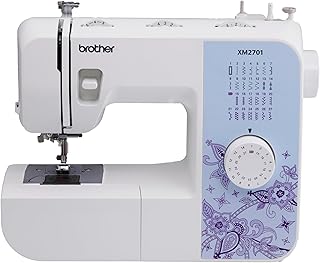
Brother XM2701 Lightweight Sewing Machine
Check PriceNow that we’ve broken down each type individually, let’s compare them directly across the factors that matter most to sewists. We’ve focused on real-world use cases, not just spec sheets, to help you see how each machine performs day-to-day.
Price Comparison
Mechanical machines are almost always cheaper up front. You can get a reliable mechanical model for $80–$200, while a comparable computerized model will cost $150–$300 for entry-level options. However, computerized machines hold their resale value better, while mechanical machines depreciate faster. If you’re on a tight budget, mechanical is the clear winner. If you plan to sew for years and want room to grow, the extra cost of a computerized model may be worth it.
Durability and Maintenance
Mechanical machines win hands-down for durability. With fewer electronic parts, there’s less to break, and most repairs can be done at home with basic tools. Computerized machines have circuit boards, touchscreens, and sensors that can fail if exposed to dust, moisture, or power surges. Repairs for computerized models often require specialized technicians, and if the circuit board fails out of warranty, you may need to replace the entire machine. For sewists who use their machine daily, or for heavy-duty projects like upholstery, mechanical is the better choice. For light, occasional use, computerized models hold up fine.
Ease of Use
This depends entirely on your comfort with technology. If you hate navigating menus or touching screens, mechanical is far easier — every control is a physical dial you can feel and adjust without looking. If you’re comfortable with smartphones and tablets, computerized models are often easier for beginners: built-in tutorials, automatic needle threaders, and one-step buttonholes take the guesswork out of sewing. Many computerized models also have speed locks that limit how fast the machine sews, which is great for beginners who struggle with foot pedal control.
Stitch Options and Versatility
Computerized machines are the clear winner here. Even budget computerized models offer 50+ stitches, including decorative options, while most mechanical models top out at 20 utility stitches. If you want to experiment with embroidery, quilting, or garment sewing beyond basic hems, a computerized model gives you far more creative freedom. Mechanical models are best for utility sewing: hemming pants, repairing clothes, and sewing basic garments.
Which Should You Choose?
Choose a Mechanical Sewing Machine If:
- You’re on a tight budget (under $200)
- You sew primarily heavy fabrics like denim, canvas, or leather
- You’re tech-averse and prefer physical controls
- You need a portable machine for classes or travel
- You want a machine that will last 10+ years with minimal maintenance
- You only need utility stitches for basic repairs and garment sewing
Choose a Computerized Sewing Machine If:
- You plan to sew regularly for years and want room to grow your skills
- You want automated features like one-step buttonholes and automatic thread cutters
- You’re interested in decorative stitching, quilting, or embroidery
- You’re a beginner who wants built-in tutorials and error alerts
- You have the budget for a model in the $200+ range
- You want consistent, precise stitching without worrying about foot pedal pressure
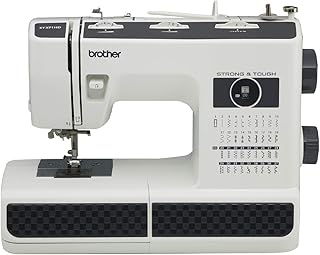
Brother ST371HD Strong & Tough Sewing Machine
Check PriceFrequently Asked Questions
Are computerized sewing machines good for beginners?
They can be, but it depends on the beginner. If you’re comfortable with technology, computerized models are often easier for beginners thanks to automated features and built-in guides. If you’re intimidated by screens and menus, a mechanical model is a better starting point. Many beginners prefer computerized models because of features like automatic needle threaders, speed control locks, and one-step buttonholes, which take the stress out of learning. However, tech-averse beginners may find mechanical models less overwhelming.
Do mechanical sewing machines have buttonholes?
Most mechanical models have a four-step buttonhole function, which requires you to manually turn a dial to complete each step of the buttonhole. High-end mechanical models may have a one-step buttonhole, but this is rare. Computerized models almost always have one-step buttonholes that sew the entire buttonhole with the press of a button.
Can I upgrade from a mechanical to a computerized machine later?
Absolutely. Many sewists start with a mechanical model to learn the basics, then upgrade to a computerized model once they’re comfortable with core sewing skills. Mechanical machines hold their value fairly well, so you can resell your old model to offset the cost of the upgrade. This is a great way to avoid overspending on features you don’t need yet.
Which type of machine is better for quilting?
Computerized machines are generally better for quilting, thanks to features like speed locks, walking foot compatibility, and a wider range of stitch options. However, heavy-duty mechanical models can handle quilting projects if you’re on a budget, as long as you’re comfortable with manual adjustments. If you plan to quilt regularly, a computerized model will save you time and frustration.
How long do mechanical vs computerized sewing machines last?
Mechanical machines typically last 15–20 years with regular maintenance, while computerized models last 8–12 years on average. The shorter lifespan of computerized machines is due to electronic components that degrade over time, even with proper care. Mechanical machines can last even longer if repaired promptly when parts wear out.
Conclusion
There’s no universal winner in the mechanical vs computerized sewing machine debate — the right choice depends entirely on your needs, budget, and sewing goals. If you want a durable, affordable machine for basic utility sewing, mechanical is the way to go. If you want versatility, automated features, and room to grow your skills, a computerized model is worth the investment.
Before you buy, we recommend testing both types in person if possible. Feel the dials on a mechanical model, and test the touchscreen on a computerized model to see which feels more intuitive. Don’t overspend on features you’ll never use, but don’t skimp on quality if you plan to sew regularly. For independent testing data to back up your decision, check out Consumer Reports’ sewing machine ratings for unbiased performance reviews.
Remember: the best sewing machine is the one you’ll actually use. Whether you choose mechanical or computerized, the most important thing is that it helps you enjoy the creative process of sewing.
