
Quilting rulers are essential tools for every quilter, whether you’re just starting out or already experienced. They allow you to cut fabric with precision, measure accurately, and keep your designs consistent throughout every project. However, one crucial aspect that often gets ignored is the proper storage of these valuable tools.
When quilting rulers aren’t stored correctly, they can easily become scratched, bent, chipped, or even warped. Even minor damage along the edge can impact cutting accuracy, leading to uneven fabric pieces and disappointing results. Most rulers are made from acrylic, which makes them particularly vulnerable to heat, pressure, and improper handling.
How to store quilting rulers effectively isn’t just about keeping your space neat; it plays a direct role in maintaining your accuracy and workflow. A smart storage system protects your rulers, saves time, and keeps your workspace organized. In this complete guide, you’ll discover practical, creative, and professional ways to store quilting rulers so they stay in perfect condition for years.
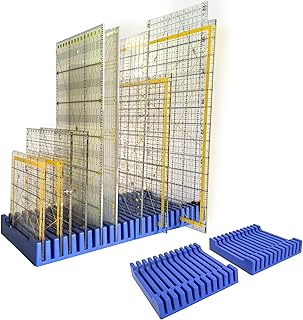
Storage Rack for Quilting Rulers, 12 Slot Ruler Holder Organizer and Storage (4-Pack)
Check PriceHow to Store Quilting Rulers
Different Types of Quilting Rulers and How Storage Needs Vary
Not all quilting rulers are the same, and their storage needs depend on their material, size, and shape.
Acrylic quilting rulers are the most popular because they are transparent and easy to use. However, they can scratch easily if stacked without protection. They also tend to warp if exposed to heat or pressure for long periods.
Wooden rulers are less common in modern quilting but still used in some traditional quilting styles. These are more durable in some ways but can still crack or splinter if stored in humid environments.
Specialty rulers, such as curved rulers, circular templates, or angled rulers, require more careful storage because of their irregular shapes. They often need individual slots or dedicated holders to prevent bending or distortion.
Large rulers used for cutting full fabric widths need vertical or hanging storage, while smaller rulers can be stored in drawers or containers.
Understanding your ruler types helps you choose the right storage method and avoid unnecessary damage.
Common Storage Mistakes That Can Damage Quilting Rulers
Many quilters accidentally damage their rulers simply because they don’t store them properly. One of the most common mistakes is stacking rulers directly on top of each other without any protection. This can lead to scratches and even small chips along the edges.
Another mistake is placing rulers near heat sources like sewing machine lights, sunlight, or heaters. Acrylic rulers are especially sensitive to heat and can warp over time, losing their accuracy.
Some people also store rulers loosely in drawers with other sharp tools like scissors or rotary cutters. This increases the risk of scratches and edge damage.
Heavy items placed on top of rulers is another issue. Even slight pressure over time can bend or deform thinner rulers.
Avoiding these mistakes is the first step toward maintaining long-lasting quilting tools.
Ideal Storage Solutions for Quilting Rulers
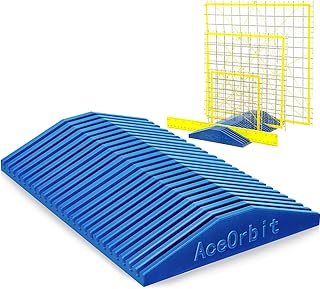
AceOrbit 24 Slot Quilting Rulers Rack Storage, Desktop Sewing Ruler Holder Organizer for Quilting and Sewing
Check PriceThere are several effective ways to store quilting rulers safely, and the best method depends on your space and collection size.
Vertical storage is one of the most popular methods. This involves placing rulers upright in slots or racks. It keeps rulers separated and easy to grab without stacking them.
Horizontal storage works well for quilters with shelves or drawers. Dividers can be used to separate different sizes and prevent overlapping.
Wall-mounted pegboards are another excellent option. You can hang rulers using hooks, making them visible and easy to access. This also saves table and drawer space.
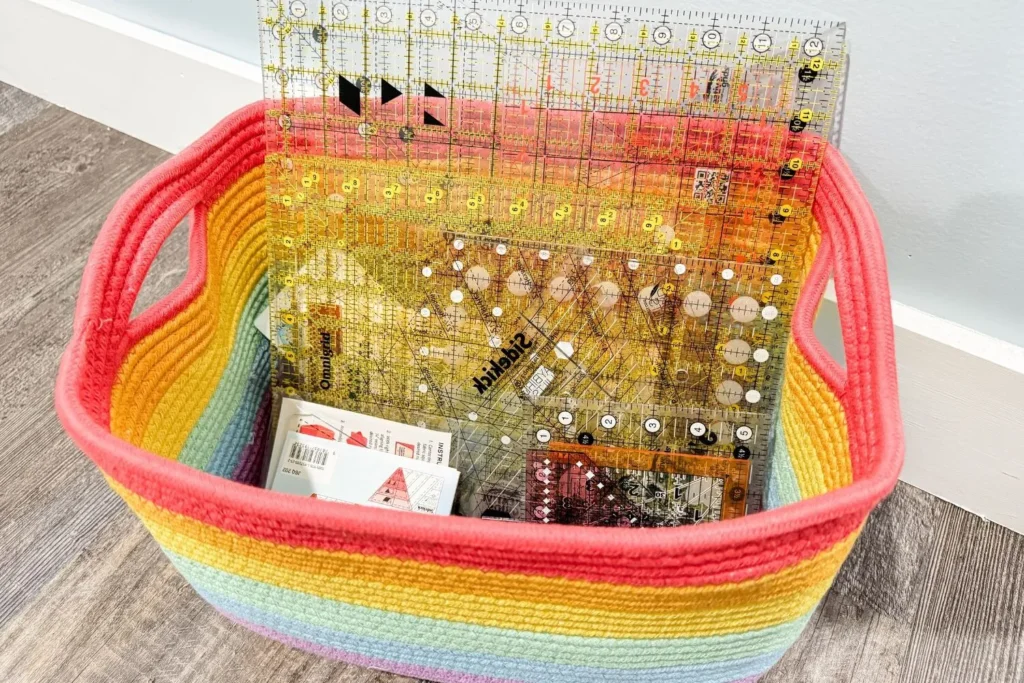
Some quilters prefer transparent storage boxes, which allow visibility while protecting rulers from dust and scratches.
Special protective sleeves or fabric pouches are useful for expensive or specialty rulers that need extra care.
Each storage solution has its benefits, but the key is to keep rulers separated, visible, and protected from pressure.
Step-by-Step Guide to Organizing Quilting Rulers for Quick Access
A well-organized quilting ruler system saves time and reduces frustration during projects.
- Start by sorting your rulers based on size. Keep large rulers in one section and smaller rulers in another. This prevents confusion and makes selection faster.
- Next, group rulers by shape. Square rulers, rectangular rulers, and specialty rulers should each have their own category.
- Place frequently used rulers in the most accessible area, such as the front of a rack or top drawer. Less commonly used rulers can be stored in secondary locations.
- Labeling storage areas is also very helpful. Simple tags like “large rulers,” “square rulers,” or “specialty tools” can improve organization significantly.
- Finally, maintain your system regularly. After each quilting session, return rulers to their designated place to avoid clutter.
How to Protect Quilting Rulers from Scratches, Warping, and Sun Damage
Protection is just as important as organization when it comes to quilting rulers.
To prevent scratches, always avoid direct contact between rulers. Use soft cloth, felt pads, or protective sheets between stacked items if stacking is unavoidable.
To prevent warping, keep rulers away from heat sources and do not leave them in direct sunlight. Acrylic material reacts strongly to heat and can lose its straight edges.
Moisture and humidity can also affect some types of rulers, especially wooden ones. Store them in a dry environment to prevent damage.
Regular cleaning is also important. Dust and fabric residue can build up on rulers and cause slipping during use. A soft cloth with mild soap is enough for cleaning.
Taking these small precautions can significantly extend the life of your quilting rulers.
Best Travel and Portable Storage Options for Quilters
- If you attend quilting classes or travel frequently, portable storage is very important.
- Quilting ruler cases are specially designed to hold rulers securely during transport. These cases often have compartments or elastic straps to keep rulers in place.
- Rolling storage mats are another option. They allow you to roll up rulers safely without bending them.
- Some quilters use hard plastic boxes with foam inserts for extra protection, especially for expensive or specialty rulers.
- When traveling, always avoid placing heavy items on top of your ruler storage bag. Even small pressure during travel can cause bending or cracks.
- Lightweight and durable storage solutions are ideal for maintaining ruler safety on the go.
DIY Storage Ideas for Quilting Rulers Using Household Items
- You don’t always need expensive storage solutions. Many household items can be repurposed for quilting ruler storage.
- Magazine holders are one of the easiest DIY solutions. They can hold rulers vertically and keep them organized on shelves.
- Hanging shoe organizers can also be used on walls or doors. Each pocket can hold different rulers based on size.
- File organizers or document trays are another great option for horizontal storage.
- You can even create a custom wooden rack using simple materials like plywood or PVC pipes. This allows you to design a storage system tailored to your space.
- DIY storage is cost-effective and often just as efficient as store-bought solutions.
Tips for Maintaining Accuracy and Lifespan of Quilting Rulers
- Maintaining quilting rulers is not just about storage, it is also about how you use them.
- Always avoid cutting directly on rulers with rotary cutters unless the ruler is specifically designed for it. Even then, repeated cutting can wear down edges over time.
- Clean rulers after every few uses to remove fabric lint and residue. This helps maintain visibility and grip.
- Inspect rulers regularly for small chips or cracks. Even minor damage can affect cutting accuracy.
- Rotate usage between rulers if you have multiple similar sizes. This prevents excessive wear on a single tool.
- Finally, always store rulers flat or upright to maintain their straight edges.
Frequently Asked Questions About Storing Quilting Rulers
Can quilting rulers be stored stacked together?
Yes, but only if protective layers like fabric, foam, or paper are placed between them. Direct stacking is not recommended because it can cause scratches and damage.
What is the safest way to store large quilting rulers?
The safest method is vertical storage in wall-mounted racks or deep slots where they can stand upright without bending.
How do you prevent acrylic rulers from warping?
Keep them away from heat, sunlight, and pressure. Store them in a cool, dry place in a vertical position.
Are there storage solutions for irregularly shaped rulers?
Yes, specialty hooks, custom slots, or padded pouches work well for curved or uniquely shaped rulers.
Final Thoughts on Proper Quilting Ruler Storage and Long-Term Care
Storing quilting rulers properly is essential for every quilter who wants accuracy, efficiency, and long-lasting tools. While it may seem like a small detail, poor storage can quickly ruin expensive rulers and affect the quality of your quilting work.
The best storage system is one that keeps rulers safe, visible, and easy to access. Whether you choose vertical racks, drawers, pegboards, or DIY solutions, the key is to prevent scratches, warping, and clutter.
By investing a little time in organizing your quilting rulers properly, you ensure smoother quilting sessions, better precision, and a more enjoyable crafting experience for years to come.
