
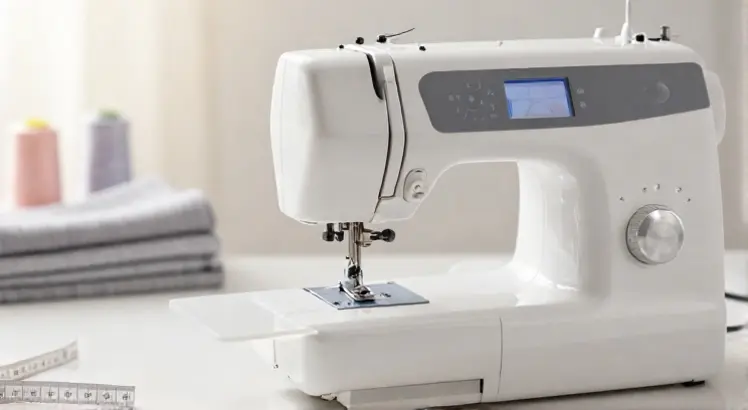
Sewing knit fabrics often leads to skipped stitches and stretched seams if your machine lacks stretch-friendly features. Choosing a machine with adjustable presser foot pressure and built-in stretch stitches prevents these issues.
Short Answer: The Brother CS5055 Computerized Sewing Machine excels with its dedicated knit settings and easy handling. For perfect seam finishes, the Brother 1034D Serger is essential, and the SINGER 4423 handles heavy knits effortlessly.
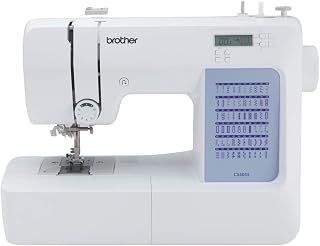
Brother CS5055 Computerized Sewing Machine with LCD Display
Check PriceBest Sewing Machine For Knit Fabrics of 2027
To choose the right equipment for stretchy materials, it’s crucial to understand the nature of knit fabric and how they behave under the needle. Our detailed guide to sewing knits walks you through the unique challenges of handling stretch fabrics, from selecting the correct needle to adjusting tension, which directly influences the type of machine you’ll need.
1. Brother CS5055 – Smooth Knit Sewing with LCD Control
Brother CS5055 Computerized Sewing Machine with LCD Display
Check PriceWhy it stands out
It combines 60 built-in stitches, including multiple stretch stitches, with an adjustable stitch length and width. The LCD display makes stitch selection quick, while the free arm handles cuffs and necklines with ease. Its smooth feed system prevents fabric puckering on delicate jersey knits.
Key points
- 60 stitches with dedicated stretch options
- Adjustable stitch length up to 4mm and width up to 7mm
- One-step buttonhole for knit cardigans
- Free arm and drop feed for easy hemming
Pros
- Intuitive LCD screen
- Quiet operation
- Lightweight and portable
- Excellent stitch quality on knits
- Includes hard case
Cons
- Limited to 4mm stitch length for thick knits
- No automatic thread cutter
Best for
Beginners and intermediate sewists seeking an affordable, user-friendly machine that excels at sewing cotton jersey, interlock, and lightweight knits.
2. Brother 1034D – Professional Overlock for Stretchy Fabrics
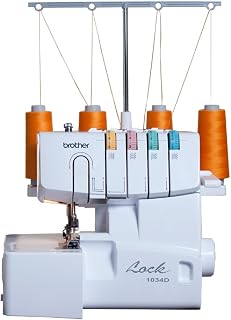
Brother 1034D Serger Overlock Sewing Machine
Check PriceWhy it stands out
The 1034D offers 3/4 thread capability and differential feed to prevent wavy edges on knits. It trims and finishes seams in one pass, creating durable, stretchy hems. The color-coded threading and built-in rolled hem add convenience.
Key points
- 3 or 4 thread overlock
- Differential feed ratio 0.7 to 2.0
- Built-in rolled hem conversion
- Snap-on presser feet for easy change
Pros
- Fast 1,300 stitches per minute
- Color-coded threading guides
- Removable free arm
- Great for knits and woven fabrics
- Quiet and sturdy
Cons
- Threading can be tricky for beginners
- No coverstitch
Best for
Sewists who frequently work with stretch fabrics and need professional seam finishes on t-shirts, leggings, and activewear.
3. SINGER 4423 Heavy Duty – Power Through Thick Knits
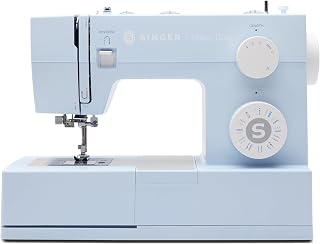
SINGER 4423 Meltwater Blue Heavy Duty Sewing Machine
Check PriceWhy it stands out
The powerful motor sews through multiple layers of thick knit like French terry and fleece. Its 23 stitches include a stretch stitch, and the adjustable presser foot pressure allows delicate fabric control. The heavy-duty metal frame ensures skip-free sewing at high speed.
Key points
- 23 stitches, including straight, zigzag, and stretch
- 1,100 stitches per minute
- Adjustable presser foot pressure
- Stainless steel bedplate
Pros
- Fast and strong
- Great for heavy knits and denim
- Drop-in bobbin
- Free arm
- Durable construction
Cons
- Not as gentle on sheer knits
- Limited decorative stitches
Best for
Crafters sewing heavy knitted garments, coats, and home decor requiring high-speed power.
4. Brother HC1850 – Versatile Stitches & Walking Foot Support
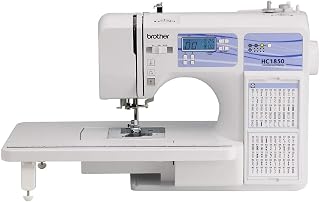
Brother HC1850 Sewing and Quilting Machine
Check PriceWhy it stands out
It features 185 stitches, including a generous selection of stretch and overcasting stitches, plus an automatic needle threader. The wide extension table supports large knit projects, and the adjustable stitch control ensures precision on spandex blends.
Key points
- 185 stitches, 8 auto-size buttonholes
- Wide table and detachable support
- Automatic thread cutter
- 8 presser feet, including walking foot
Pros
- Easy LCD navigation
- Brilliant lighting
- Excellent stitch variety for knits
- Smooth feeding
- Quiet operation
Cons
- No built-in knee lift
- Larger footprint
Best for
Advanced sewists needing versatility for quilting and knit garments with extended workspace.
5. SINGER C7250 – Computerized Knit Handling with Wide Table
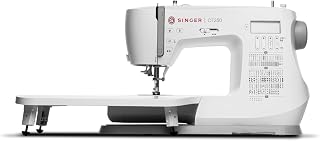
SINGER C7250 Computerized Sewing & Quilting Machine
Check PriceWhy it stands out
This machine offers 200 stitches, including alphanumeric fonts, and a large extension table for quilting and knit projects. The automatic pressure control and programmable needle up/down simplify sewing stretch fabrics without distortion.
Key points
- 200 stitches, twin needle capability
- Twin LED lights
- Automatic tension system
- Speed control slider
Pros
- Huge stitch diversity
- Extension table included
- Auto thread cutter
- Adjustable speed for knits
- Bright workspace
Cons
- Complex menu navigation
- Plastic build
Best for
Creative sewists who want decorative options plus reliable knit handling in a feature-packed machine.
6. Janome Sewist 725s – Precision Feeding for Lightweight Knits
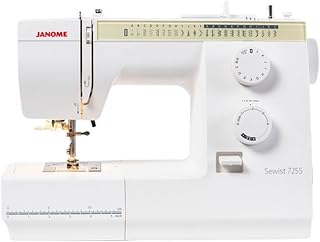
Janome Sewist 725s Sewing Machine
Check PriceWhy it stands out
Renowned for its jam-proof top-loading bobbin and precise feed, it handles lightweight knits beautifully. The 25 stitches include a stretch stitch, and the manual tension adjustment gives fine control over stretchy jersey and rib knits.
Key points
- 25 stitches, one-step buttonhole
- 7-piece feed dog system
- Snap-on presser feet
- Drop feed for free-motion
Pros
- Smooth, quiet operation
- Exceptional stitch quality
- Easy threading
- Durable metal frame
- Good for beginners
Cons
- Limited stitch selection
- No speed control
Best for
Those prioritizing stitch quality and reliability for everyday knit sewing without overwhelming features.
7. Juki HZL-G120 – Box-Feed Precision for All Knit Weights
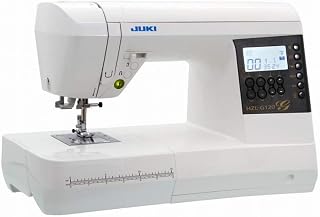
Juki HZL-G120 Sewing Machine
Check PriceWhy it stands out
Juki’s box-feed technology ensures even feeding on difficult knits. With 180 stitches and a heavy-duty frame, it sews from charmeuse to sweatshirt fleece without hesitation. The adjustable presser foot pressure and knee lifter aid handling.
Key points
- 180 stitches, 4 fonts
- Box-feed for perfect feeding
- Knee lifter for hands-free pivoting
- Automatic thread trimmer
Pros
- Professional stitch quality
- Smooth and quiet
- Knee lift convenience
- Large extension table
- Strong motor
Cons
- Pricey
- No independent bobbin winder motor
Best for
Serious sewists who demand industrial-like feed precision and versatility across all knit weights.
8. Brother XR9550 – Feature-Rich Knit Sewing on a Budget
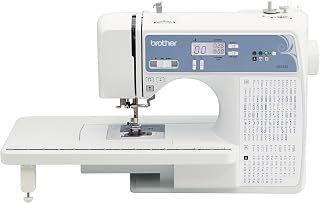
Brother XR9550 Computerized Sewing and Quilting Machine
Check PriceWhy it stands out
With 165 stitches and an included wide table, this machine excels at knit garment construction. The sewing speed can be controlled and the built-in stretch stitches prevent popped seams. It also includes a hard case and multiple presser feet.
Key points
- 165 stitches, 8 auto buttonholes
- Adjustable speed slider
- Bright LED-lit area
- 8 sewing feet, walking foot
Pros
- Lightweight yet sturdy
- Simple stitch selection
- Great value
- Smooth feeding on knits
- Portable
Cons
- Plastic housing
- Limited embroidery fonts
Best for
Budget-conscious sewists wanting a computerized machine with expansive features for sewing stretch fabrics at home.
9. Bernette b37 – Swiss Precision Meets Easy Knit Sewing
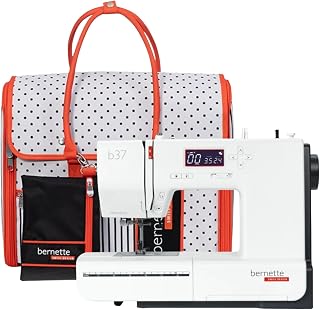
Bernette b37 Sewing Machine with Quilting Kit
Check PriceWhy it stands out
Swiss design ensures precise stitch formation and reliable feed. With 50 stitches, an LCD display, and a sturdy metal frame, it sews knits confidently. The built-in needle threader and bright LED light reduce eye strain.
Key points
- 50 stitches, including stretch and overlock stitches
- LCD screen with stitch preview
- Semi-automatic needle threader
- Extension table provided
Pros
- High-quality construction
- Quiet operation
- Excellent stitch regulation
- Good for beginners and pros
- Free tote bag included
Cons
- Stitch count not as high as competitors
- No automatic thread cutter
Best for
Those who value Swiss precision and a durable machine that handles a range of knit projects with ease.
10. SINGER Quantum Stylist 9985 – Creative Powerhouse for Stretch Fabrics
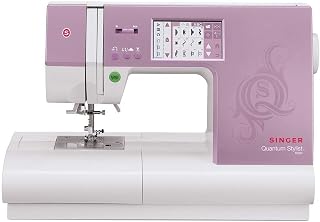
SINGER Quantum Stylist 9985 Computerized Sewing Machine
Check PriceWhy it stands out
The ultimate creative powerhouse with 960 stitches, including multiple stretch stitches and an extra-large extension table. The automatic presser foot pressure and programmable needle position make it effortless to sew knits of all thicknesses.
Key points
- 960 stitches, 1,122 stitch patterns
- Interactive LCD display
- Extra-large sewing space
- Built-in professional-quality buttonholes
Pros
- Nearly unlimited stitch options
- Fast sewing speed
- Exceptional lighting
- Twin needle function
- Auto thread cutter
Cons
- Expensive
- Overwhelming for casual users
Best for
Advanced sewists and designers who demand maximum stitch creativity and flawless knit sewing in a top-tier machine.
11. Juki HZL-F600 – Industrial-Grade Feeding for Knits
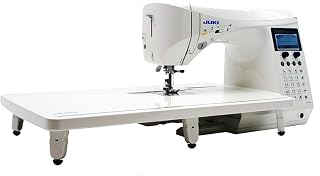
Juki HZL-F600 Computerized Sewing and Quilting Machine
Check PriceWhy it stands out
A semi-industrial machine offering box-feed for precise stretch fabric handling. With 255 stitches, a knee lifter, and industrial-style thread trimmer, it sews thick knits and delicate jerseys equally well. The large work area supports bulky projects.
Key points
- 255 stitches, 4 fonts
- Box-feed mechanism
- Knee lifter and automatic thread trimmer
- 16 inch arm space
Pros
- Impeccable feeding
- Very quiet
- Powerful motor
- Generous throat space
- Excellent lighting
Cons
- High cost
- Complex for beginners
Best for
Professional sewists and quilters who need uncompromising feed perfection on knits and heavy fabrics.
12. Bernette 38 – Automated Excellence for Knit Garments
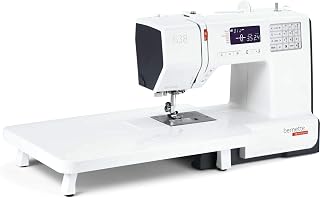
Bernette 38 Swiss Design Computerized Sewing Machine
Check PriceWhy it stands out
The Bernette 38 combines Swiss engineering with user-friendly automation. It offers 394 stitches, including stretch stitches, and an automatic thread cutter. The bright LCD screen and memory function store favorite knit settings.
Key points
- 394 stitches, 4 alphabets
- Programmable memory
- Automatic needle threader and cutter
- Adjustable presser foot pressure
Pros
- Superior stitch quality
- Intuitive interface
- Fast and accurate
- Sturdy build
- Quiet operation
Cons
- Pricey
- Limited dealer support in some areas
Best for
Enthusiasts ready to upgrade to a premium machine that consistently delivers professional results on knits and wovens.
13. Brother XM2701 – Lightweight Starter for Simple Knit Projects
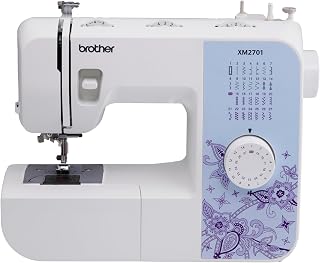
Brother XM2701 Portable Sewing Machine
Check PriceWhy it stands out
A lightweight mechanical machine that surprises with its ability to sew light knits using the included zigzag and stretch stitches. It’s portable, affordable, and comes with an easy threading system. The free arm aids in sleeve and neckline hemming.
Key points
- 27 built-in stitches, including stretch
- Automatic one-step buttonhole
- Top-loading bobbin
- Lightweight at 12.6 lbs
Pros
- Budget-friendly
- Very portable
- Simple operation
- Good for small projects
- Instructional DVD included
Cons
- Limited power for thick knits
- No adjustable presser foot pressure
Best for
Absolute beginners or travel sewers who want an inexpensive entry-level machine for basic knit projects like t-shirts and baby clothes.
How to choose the best sewing machine for knit fabrics
Look for machines with dedicated stretch stitches or a narrow zigzag setting. These stitches move with the fabric and prevent popped seams. A built-in overedge or overcast stitch also helps finish raw edges without a serger.
Adjustable presser foot pressure is critical. It lets you lighten the grip on delicate knits, avoiding stretched-out seams. Machines with a walking foot or even feed option give ideal traction on slippery jerseys.
Speed control and a slow start help maintain accuracy on unstable knits. A free arm makes hemming cuffs and necklines easier. If you sew lots of knits, consider a serger with differential feed for professional seams.
Needle compatibility matters. Use ball point or stretch needles to slip between fibers without snagging. A top-loading bobbin system also simplifies monitoring tension while you sew stretchy materials.
Mistakes to avoid when sewing knits
One common error is using a universal needle instead of a ball point or stretch needle. Universal needles can pierce and ladder the fabric. Always switch to the correct needle type before starting any knit project.
Skipping a test sample on scraps is risky. Every knit behaves differently under tension. Test stitch length, width, and presser foot pressure on a swatch first to avoid wavy seams and puckered hems.
Pulling the fabric while sewing stretches it permanently. Let the feed dogs move the material evenly. Use a walking foot if you notice the top layer of a knit creeping ahead of the bottom layer.
Neglecting to stabilize seams with clear elastic or stay tape leads to gaping necklines. For shoulder seams and curved areas, add lightweight stabilizers. Avoid heavy stabilizers that stiffen soft knits.
FAQ
Can I use a regular sewing machine for knit fabrics?
Yes, most modern machines handle knits if they have a stretch stitch or zigzag setting. You must use a ball point needle and adjust presser foot pressure. For frequent knits, a serger adds speed and durability.
What needle should I use for knits?
Choose a ball point or stretch needle to glide between fibers instead of cutting through them. Size 70/10 to 80/12 works for lightweight jersey, while 90/14 suits thicker sweatshirt fleece and French terry.
What stitch is best for knits?
A narrow zigzag or dedicated stretch stitch allows the seam to stretch with the fabric without breaking. A lightning bolt stitch or triple straight stitch also provides strong, flexible seams on activewear.
Do I need a serger for sewing knits?
A serger is not mandatory but highly recommended. It trims and overcasts in one step, creating durable, stretchy seams that mimic ready-to-wear. A machine with overedge stitches can be an alternative.
What is differential feed?
Differential feed uses two sets of feed dogs moving at different speeds. It prevents puckering on lightweight knits and stretching out of loosely woven fabrics. Most sergers feature this crucial adjustment for knits.
Can heavy duty machines sew knits?
Yes, heavy duty machines like the SINGER 4423 can sew thick knits with power, but they may need a light touch on fine jerseys. Use the stretch stitch and reduce presser foot pressure for best results.
Is a computerized machine better for knits?
Computerized models offer precise stitch control, automatic tension, and multiple stretch options. They often include speed sliders that help maintain control on slippery knits. Manual machines can work too with proper adjustments.
How to prevent puckering on knits?
Lower the presser foot pressure and use a walking foot if available. Switch to a stretch or narrow zigzag stitch and sew with a new ball point needle. Avoid pulling the fabric; let the feed dogs advance it.
What is a walking foot?
A walking foot is an attachment that feeds the top layer of fabric in sync with the bottom, preventing shifting. It is especially helpful for sewing knits, quilts, and matching stripes or plaids.
Can I sew thick knits like French terry?
Yes, with a machine that has strong motor and adjustable pressure. Use a size 90/14 stretch needle, a longer stitch length, and a walking foot. Heavy-duty machines and sergers excel at loftier knits.
Conclusion
The right sewing machine transforms knit projects from frustrating to joyful. Our top pick, the Brother CS5055, balances intuitive controls with essential stretch stitches for everyday knit sewing. For flawless seams, the Brother 1034D serger is a game-changer.
Heavy duty models like the SINGER 4423 tackle thick fleeces, while the Juki HZL-G120 delivers industrial-grade feeding. No matter your budget, there is a machine that provides the stitch quality and fabric handling your knits demand.
Pair your chosen machine with ball point needles and experiment with presser foot pressure. Whether you sew casual tees or designer activewear, the machines in this list will give you the control and professional finish you need.
Once you’ve grasped fabric handling, the next step is to consider accessories that improve stitch quality. Understanding how a walking foot works is especially valuable because this attachment helps feed knits evenly, preventing puckering and skipped stitches on even the most delicate jerseys.

Disclosure: As an Amazon Associate, we earn from qualifying purchases at no extra cost to you. Our posts are created with AI tools and human editing.